The Impact of AI on Banking and Financial Services: Opportunities and Risks in ASEAN and Global Markets


2 Sources
[1]
AI and Emerging Risks to Banking and Financial Services in ASEAN and other frontline markets
This blog is based on an article co-authored along with Matthew Lamons, CEO of The Intelligence Factory and is an edited version of the same article. As a matter of introduction and context, we work closely together to enable strategic decisioning and risk mitigation through AI. We felt that the
[2]
Banking on GenAI: The artificially intelligent future of finance
Top Indian banks like SBI, HDFC, and Axis adopt GenAI for better services. BFSI forecasts $13.2B IT spending in 2024. Setu, AdvaRisk, Velocity, and Gnani.ai assist in AI-led innovations like fraud detection, chatbots, and Microsoft partnerships. Prioritizing ethical AI, productivity, and human
Share
Copy Link
Artificial Intelligence is reshaping the banking and financial services sector, offering new opportunities for growth and efficiency while also presenting emerging risks. This story explores the impact of AI in ASEAN markets and beyond, highlighting both the potential benefits and challenges.

The Rise of AI in Banking and Finance
The banking and financial services sector is undergoing a significant transformation, driven by the rapid advancement of Artificial Intelligence (AI) technologies. From chatbots to fraud detection systems, AI is revolutionizing the way financial institutions operate and interact with their customers
1
. This technological shift is particularly evident in ASEAN markets and other frontline economies, where AI adoption is accelerating at an unprecedented pace.Opportunities and Advancements
AI is opening up new avenues for growth and efficiency in the financial sector. Generative AI, in particular, is being hailed as a game-changer. Major banks are investing heavily in AI capabilities, with JPMorgan Chase allocating $12 billion annually to technology, including AI
2
. These investments are aimed at enhancing customer experiences, streamlining operations, and developing innovative financial products.Some key areas where AI is making a significant impact include:
-
Customer Service: AI-powered chatbots and virtual assistants are providing 24/7 support, handling routine queries, and even offering personalized financial advice.
-
Risk Assessment: Machine learning algorithms are improving credit scoring models, enabling more accurate risk assessments for loans and other financial products.
-
Fraud Detection: AI systems are becoming increasingly adept at identifying and preventing fraudulent activities in real-time.
-
Process Automation: Robotic Process Automation (RPA) is streamlining back-office operations, reducing costs, and minimizing human errors.
Emerging Risks and Challenges
While the potential benefits of AI in banking are substantial, there are also significant risks that need to be addressed
1
. Some of the key concerns include:-
Data Privacy and Security: As AI systems rely on vast amounts of data, ensuring the privacy and security of sensitive financial information becomes paramount.
-
Algorithmic Bias: There's a risk that AI models may perpetuate or even amplify existing biases in lending and other financial decisions.
-
Regulatory Compliance: The rapid pace of AI adoption is outstripping regulatory frameworks, creating potential compliance challenges for financial institutions.
-
Operational Risks: Over-reliance on AI systems could lead to new types of operational risks, particularly if these systems fail or are compromised.
-
Workforce Displacement: The automation of many banking tasks raises concerns about job losses and the need for reskilling in the financial sector.
Related Stories
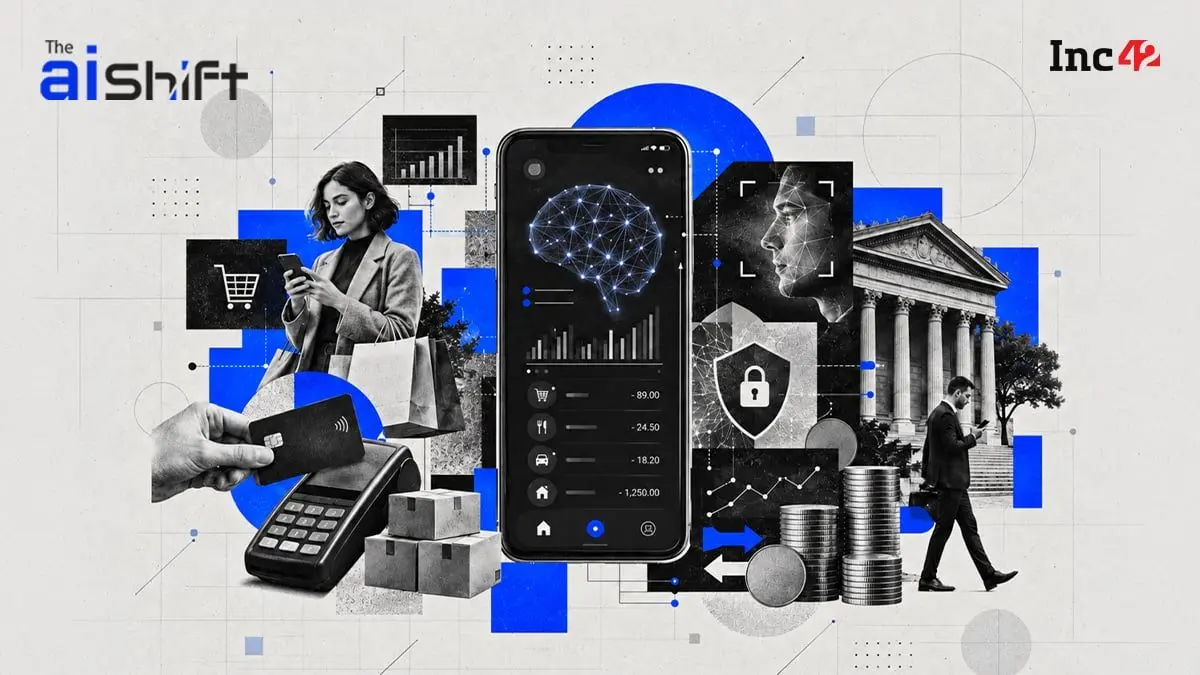
The ASEAN Perspective
In ASEAN markets, the adoption of AI in banking is gaining momentum. Countries like Singapore and Malaysia are leading the charge, with their governments actively promoting AI development and adoption in the financial sector
1
. However, the varying levels of technological infrastructure and regulatory environments across ASEAN countries present both opportunities and challenges for AI implementation.Future Outlook
As AI continues to evolve, its impact on banking and financial services is expected to deepen. The integration of AI with other technologies like blockchain and the Internet of Things (IoT) could lead to even more innovative financial products and services. However, striking the right balance between innovation and risk management will be crucial for the sustainable growth of AI in finance.
References
Summarized by

Navi
[1]
Related Stories
AI Revolutionizes Banking: Enhancing Customer Experience and Risk Management
07 May 2025•Business and Economy

Generative AI in Banking: Divergent Strategies and Rising Adoption Rates
05 Feb 2025•Business and Economy

Global Fintech Fest 2026 Reveals How AI Is Transforming Financial Services With Human Oversight
09 Sept 2026•Technology

Recent Highlights



Recent Highlights
Today's Top Stories









Don’t drown in AI news. We cut through the noise - filtering, ranking and summarizing the most important AI news, breakthroughs and research daily. Follow topics that matter to you and stay ahead.


