The nation's cyber office has a temporary chief after its last one was fired


2 Sources
[1]
Clayton to serve as interim national cyber director
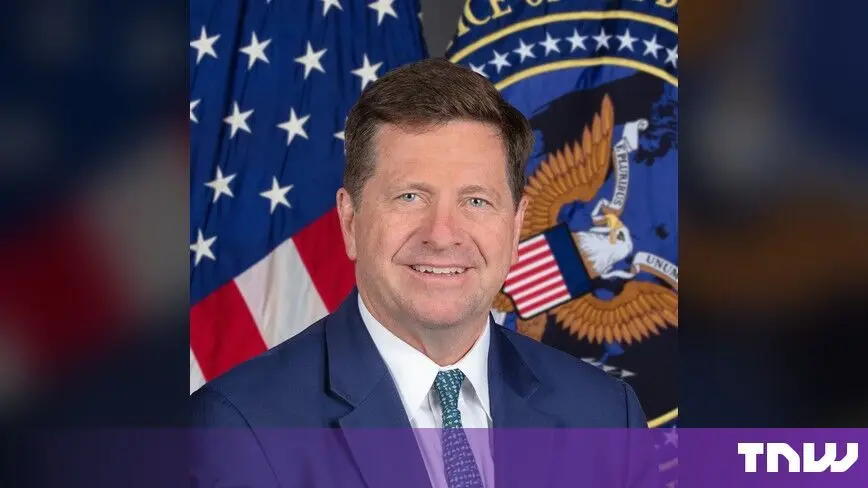
Director of National Intelligence Jay Clayton has been tapped to serve as interim national cyber director while Kirsten Davies awaits Senate confirmation, according to a White House official. Davies, who has served as the Pentagon's chef information officer since last year, was named the acting
[2]
Jay Clayton To Serve As Acting National Cyber Chief Amid Barrage Of Tech Outages: Axios
Jay Clayton To Serve As Acting National Cyber Chief Amid Barrage Of Tech Outages: Axios Director of National Intelligence Jay Clayton, who also serves as the White House AI czar, has a new role, according to Axios. Clayton will assume the position of acting national cyber director while President
Share
Copy Link
Jay Clayton, the Director of National Intelligence who also serves as the White House's AI czar and chairs its Super Intelligence Force, has picked up another job: acting national cyber director. He takes the role on an interim basis while the Senate considers Trump's nominee for the permanent post, Kirsten Davies.
2
1
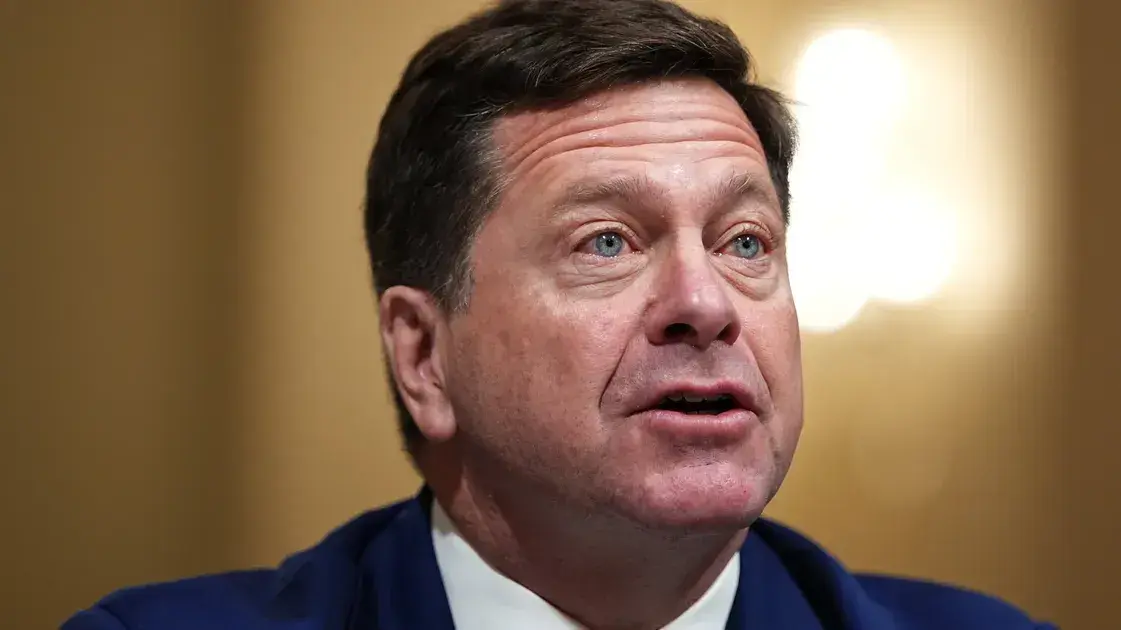
Source: HuffPost
Why the job opened up
Sean Cairncross was removed as national cyber director last week. A White House official said the president believed Cairncross lacked the proper cyber credentials for the job.
1
Per Axios's reporting, Cairncross had also clashed with Cabinet leaders. He allegedly saw Treasury as too involved in cyber efforts, and Treasury Secretary Scott Bessent's camp argued he was slow to respond on AI questions.1
The nominee waiting in the wings
Davies has been the Pentagon's chief information officer since last year, and Trump nominated her for the cyber director role.
1
The nomination came quickly: a White House official said Trump picked Davies after industry and government officials voiced support for her when he named her acting director last week.1
While she waits for confirmation, she will serve as a senior advisor to the Office of the National Cyber Director and assist Clayton.1
The office sets cybersecurity policy and strategy for the whole federal government, and AI advances have made cybersecurity a bigger worry over the past year.
1
In a statement, Clayton praised Davies as someone with "the experience and capabilities needed to help America navigate our increasingly complex and powerful digital infrastructure" and promised the handoff would go smoothly.
2
1
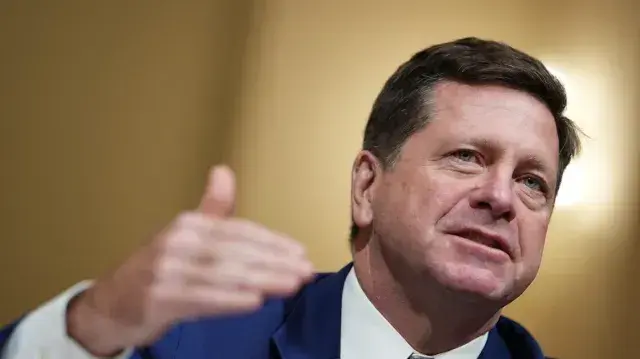
Source: The Hill
The move lands at a crowded moment. HuffPost frames it as coming amid a barrage of tech outages, and the Senate has yet to confirm Trump's nominee for the permanent job.
2
1
Clayton addressed those outages in a Sunday television interview. "The American people should understand that a great deal of our digital infrastructure is dated. It is old. It has been built out over three decades or more. We are in a period of technological step change, both in terms of what people refer to as models, applications, and the like, and in computing power. And as part of that ongoing upgrade, we are going to have glitches, gaps, interruptions in service. That is going to happen."2
Related Stories
References
Summarized by

Navi
Related Stories
White House cyber chief exits as outage wave strains the administration
20 Nov 2026•Policy and Regulation
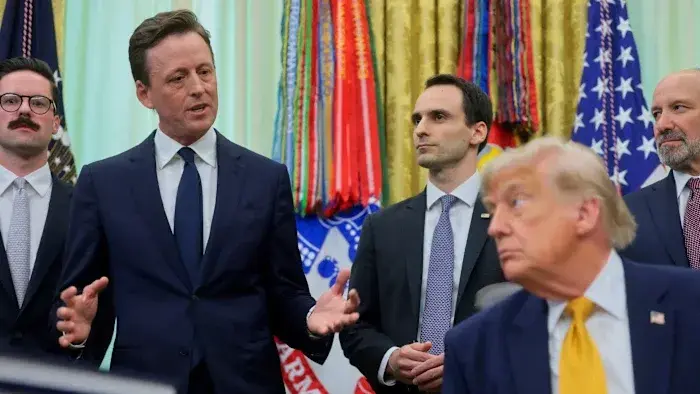
Trump Appoints Jay Clayton to Lead Super Intelligence Force with 120-Day AI Report Mandate
30 Sept 2026•Policy and Regulation

Expect more outages as AI-era upgrades roll out, intelligence director warns
Yesterday•Business and Economy

Recent Highlights



Recent Highlights
Today's Top Stories




Don’t drown in AI news. We cut through the noise - filtering, ranking and summarizing the most important AI news, breakthroughs and research daily. Follow topics that matter to you and stay ahead.


