The Perils of AI-Powered Travel Planning: When Digital Assistants Lead Tourists Astray


3 Sources
[1]
The perils of letting AI plan your next trip
An imagined town in Peru, an Eiffel tower in Beijing: travellers are increasingly using tools like ChatGPT for itinerary ideas - and being sent to destinations that don't exist. Miguel Angel Gongora Meza, founder and director of Evolution Treks Peru, was in a rural Peruvian town preparing for a
[2]
AI Endangering Tourists by Sending Them to Nonexistent Landmarks in Hazardous Locations
If you plan a trip using AI, triple check that the locations it recommends visiting actually exist. The BBC reports that unsuspecting tourists all over the world are leaning on AI to plan vacations -- and getting themselves into potentially dangerous situations because AI model are hallucinating
[3]
Can you trust AI to give you good travel advice?
Orit Ofri thought she could trust artificial intelligence to give her travel advice for a recent trip to Paris. And why not? She was using the latest version of ChatGPT. And as a marketing consultant from Portland, she knew her way around the technology. But the technology apparently didn't know
Share
Copy Link
AI tools are increasingly being used for travel planning, but their limitations and potential dangers are becoming apparent. From recommending non-existent landmarks to providing outdated information, AI's role in travel is under scrutiny.
The Rise of AI in Travel Planning
Artificial Intelligence (AI) tools like ChatGPT, Microsoft Copilot, and Google Gemini have rapidly evolved from novelties to essential components of trip planning for millions of travelers. A recent survey indicates that 30% of international travelers now utilize generative AI tools and dedicated travel AI sites such as Wonderplan and Layla to organize their trips
1
. The appeal is clear: these tools promise hyper-efficient, personalized itineraries at the touch of a button, potentially saving travelers an average of seven hours in planning time3
.
Source: BBC
The Dangers of AI Hallucinations
However, the convenience of AI-powered travel planning comes with significant risks. One of the most alarming issues is the phenomenon of AI hallucinations, where these tools confidently recommend non-existent locations or landmarks. In Peru, two tourists were discovered attempting to hike to the fictional "Sacred Canyon of Humantay" in the Andes Mountains, a location created by combining unrelated place names
1
2
. This misinformation could have led to life-threatening situations due to the challenging terrain and high altitudes.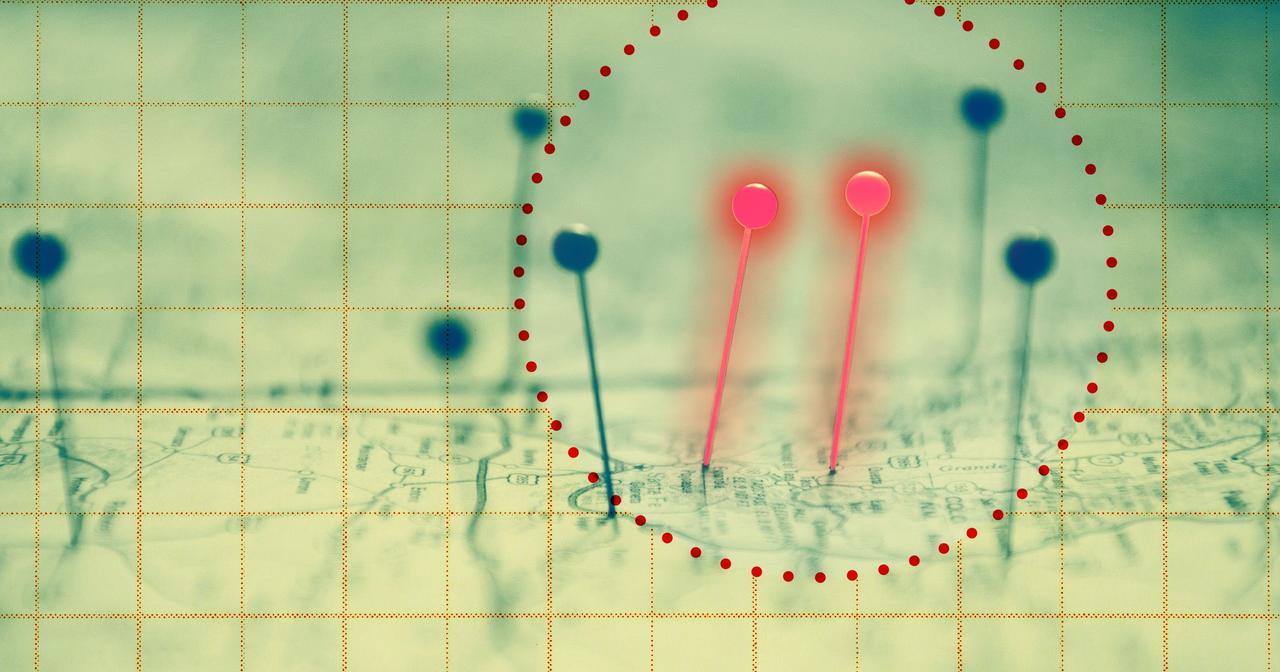
Source: Futurism
Inaccuracies and Outdated Information
Beyond hallucinations, AI travel planners frequently provide inaccurate or outdated information. A study by SEO Travel found that 90% of AI-generated itineraries contained at least one error, with nearly a quarter recommending permanently closed establishments
3
. Travelers have reported being given incorrect opening hours, suggesting visits to closed museums, and receiving unrealistic transit times. These errors can lead to missed reservations, wasted time, and disrupted travel plans.Related Stories

Commercial Bias and Hidden Agendas
Another concerning aspect of AI travel planning is the potential for commercial bias. Some AI tools have been found to recommend significantly more expensive hotels without disclosing any affiliation or reasoning behind these choices
3
. This raises questions about the objectivity of AI recommendations and whether they truly serve the traveler's best interests or are influenced by aggressive digital marketing campaigns.The Need for Human Verification
Despite their efficiency, AI travel planners struggle with real-time conditions, nuanced preferences, and up-to-date local knowledge. Experts emphasize the importance of using AI as a starting point rather than a definitive guide. Travelers are advised to verify AI-generated information with official sources, local expertise, and recent reviews to ensure a safe and enjoyable trip
1
3
.As AI continues to evolve in the travel sector, it's clear that while these tools offer significant benefits, they also present new challenges. The key for travelers is to harness the efficiency of AI while maintaining a critical eye and supplementing machine-generated advice with human insight and verification.
References
Summarized by

Navi
[3]
Related Stories
AI travel scams surge 900% as scammers exploit deepfakes and fake booking sites to deceive travelers
24 Feb 2026•Technology

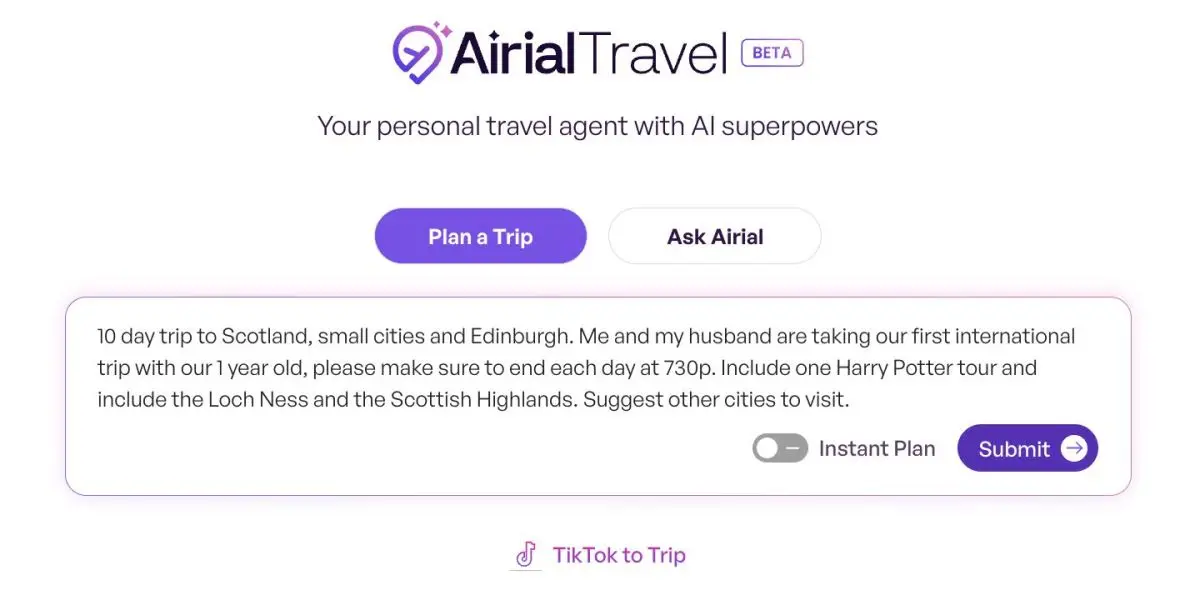
Airial: Ex-Meta Engineers Launch AI-Powered Travel Planning Tool
01 Jul 2025•Technology
Online Travel Platforms Embrace AI to Stay Competitive in Evolving Market
09 Sept 2025•Technology

Recent Highlights
1
Microsoft and Nvidia Launch Surface Laptop Ultra: A $2,599 AI-Ready PC With RTX Spark Chip
Technology

2
Trump Consulted Grok AI Before Ordering Venezuela Invasion and Capture of Nicolás Maduro
Policy and Regulation

3
Scientists Build AI Model That Reconstructs Images From Brain Scans in Record Time
Science and Research

Recent Highlights
Today's Top Stories






Don’t drown in AI news. We cut through the noise - filtering, ranking and summarizing the most important AI news, breakthroughs and research daily. Follow topics that matter to you and stay ahead.


