The Ethical Dilemma of AI-Powered 'Digital Resurrection': Comfort or Exploitation?


2 Sources
[1]
Talking to dead people through AI: the business of 'digital resurrection' might not be helpful, ethical... or even legal
UOC - Universitat Oberta de Catalunya provides funding as a member of The Conversation ES. Earlier this year, a Spanish TV programme showed several people listening to digital recreations of the voices of their deceased relatives that had been generated by artificial intelligence from real audios.
[2]
Talking to dead people through AI: The business of 'digital resurrection' might not be helpful, ethical or even legal
Earlier this year, a Spanish TV program showed several people listening to digital recreations of the voices of their deceased relatives that had been generated by artificial intelligence from real audios. It sparked widespread debate in both public and professional spheres, as these recreations
Share
Copy Link
A Spanish TV program sparks debate on using AI to recreate deceased loved ones, raising ethical, philosophical, and legal questions about grief, memory, and the essence of human identity.

AI-Powered 'Digital Resurrection' Sparks Ethical Debate
A recent Spanish television program has ignited a widespread debate on the use of artificial intelligence (AI) to recreate deceased individuals, a phenomenon dubbed "digital resurrection." The program featured people listening to AI-generated voices of their departed loved ones, provoking intense emotional reactions and raising profound ethical, philosophical, and legal questions
1
2
.The Technology Behind Digital Resurrection
Digital resurrection utilizes advanced AI technology to recreate aspects of deceased individuals, such as their voice or physical appearance. While this technology may offer momentary comfort to grieving individuals, it has opened up a Pandora's box of complex issues that society must grapple with
1
2
.Philosophical Implications and the Nature of Being
The concept of digital resurrection challenges our understanding of what it means to "be." By recreating a person's voice or likeness, we may believe we are extending their existence. However, this raises questions about the essence of human beings and whether a digital simulation can truly capture the depth and uniqueness of a person's lived experiences, emotions, and thoughts
1
2
.The Risk of Altering Authentic Memories
Memory plays a crucial role in how we remember and honor the deceased. Digital resurrection attempts to preserve these memories, but it risks altering our authentic recollections. Human memory is dynamic, constantly changing and adapting. By creating a static, artificial representation of a person, we may interfere with the natural evolution of our memories
1
2
.Ethical Concerns and the Grieving Process
The technology raises significant ethical concerns, particularly regarding its impact on the grieving process. Mourning is a natural and essential part of coming to terms with loss. By maintaining an artificial connection with the deceased through digital resurrection, we may hinder this vital process, preventing individuals from moving forward and finding peace in accepting their loss
1
2
.Consent and Ownership Issues
Digital resurrection also opens up serious debates about consent and ownership. It's unclear who has the right to decide whether a person should be digitally recreated, especially when the individual in question can no longer express their wishes. This raises important legal and ethical questions that society must address
1
2
.Related Stories

The Business of Grief: Ethical and Moral Quandaries
As with many technological advancements, there is a business aspect to digital resurrection. Companies seeking to profit from the grief of individuals raise further ethical and moral questions. This commercialization of the grieving process could be seen as a form of emotional exploitation, taking advantage of people at their most vulnerable moments
1
2
.Impact on the Natural Grieving Process
There are concerns that the commercial marketing of digital resurrection could distort the natural grieving process. Grief and loss are essential human experiences that contribute to personal growth. If these technologies prevent people from moving through the grieving process in a healthy way, they may offer little genuine benefit
1
2
.The Paradox of Digital Resurrection
At the core of digital resurrection lies a profound paradox. While attempting to bring us closer to those we've lost, it simultaneously confronts us with the inescapable reality of their absence. This technology deepens our desire to hold onto what we've lost while exacerbating our struggles to cope with grief and the finality of death
1
2
.In conclusion, as AI technology continues to advance, society must carefully consider the implications of digital resurrection. While it may offer temporary solace, the ethical, philosophical, and legal challenges it presents require thoughtful deliberation and potentially new regulatory frameworks to ensure that human dignity and the natural process of grief are respected and protected.
References
Summarized by

Navi
[1]
Related Stories
AI Afterlife: How Digital Grief Tech is Reshaping Mourning
13 Sept 2025•Technology
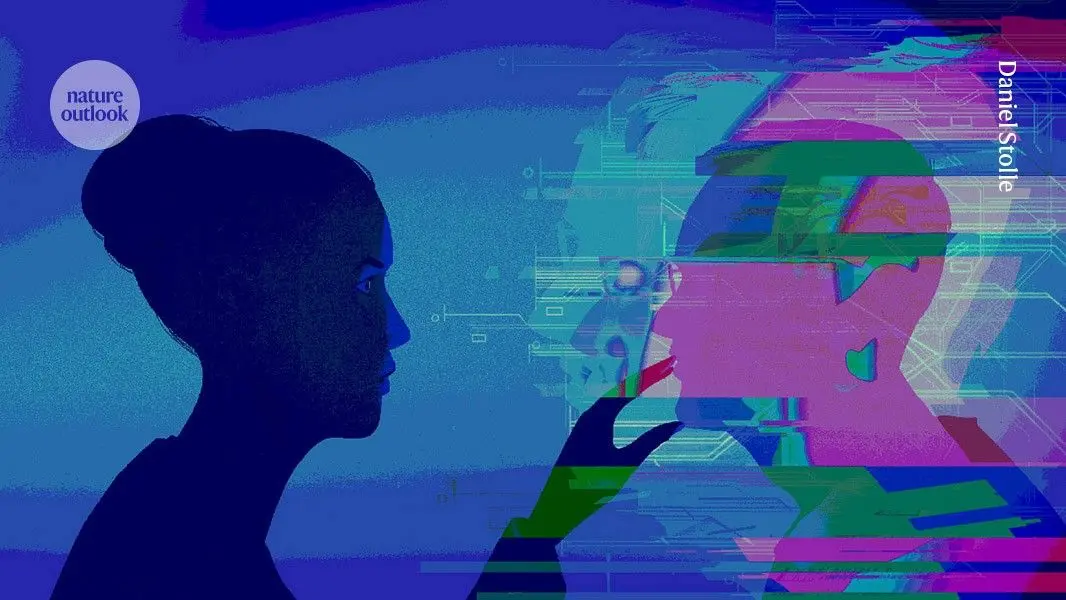
The Rise of AI-Powered Digital Resurrection: Comfort, Controversy, and Ethical Concerns
08 Aug 2025•Technology

The Rise of AI Deadbots: Digital Resurrection Sparks Ethical Debates and Economic Opportunities
28 Aug 2025•Technology
Recent Highlights



Recent Highlights
Today's Top Stories









Don’t drown in AI news. We cut through the noise - filtering, ranking and summarizing the most important AI news, breakthroughs and research daily. Follow topics that matter to you and stay ahead.


