TikTok serves 59% AI slop to new users, with children's content hit hardest at 57%


4 Sources
[1]
Nearly 60% of TikTok videos shown to new users are AI slop, study finds
Kapwing found 59% of TikTok videos shown to new accounts are AI slop, three times YouTube's rate, with kids' content the worst-hit category. Nearly six out of every ten videos TikTok serves to a brand-new account are AI-generated junk. That is the central finding of a report published by video
[2]
TikTok's AI slop problem is spiraling out of control -- and kids are getting the worst of it
New users and children are being served far too much AI-generated content It is practically impossible to log onto any social media platform today without being immediately greeted by content that was obviously generated by artificial intelligence. For me, it has become an absolute chore. When I
[3]
TikTok's AI slop problem is worse than you think -- and kids are seeing the most of it
TikTok has spent years perfecting the art of knowing exactly what you want to watch next. Open the app, scroll a few times, and suddenly it's serving videos that feel uncannily tailored to your interests. But what happens before TikTok learns who you are? According to new research from video
[4]
TikTok Beats YouTube in AI Slop Race, Reveals Survey Report
A new survey claims TikTok has far more AI-made low-quality videos than YouTube. The findings have sparked fresh concerns about misinformation and the growing influence of AI content on younger users. TikTok is once again in the spotlight. Despite its massive popularity, the platform often
Share
Copy Link
A Kapwing study analyzed 10,742 TikTok videos and found that 59% of content shown to new accounts is AI slop—three times higher than YouTube's 21%. Children's content faces the worst impact, with 57% of kids' videos being AI-generated junk. Educational categories like science, health, and history are also heavily saturated with low-quality AI-generated content.
TikTok's AI Slop Problem Reaches Critical Levels for New Users
TikTok is serving AI slop to new users at an alarming rate, according to a comprehensive study by video editing platform Kapwing
1
. The research analyzed 10,742 TikTok videos across 20 popular categories and examined the first 500 videos shown on the For You page of a freshly created account1
. Of those 500 videos, 294 were classified as AI-generated content—meaning nearly 60% of what new users encounter is low-quality AI-generated content featuring obvious AI-generated visuals or compilations using clearly AI-generated scripts and voiceovers1
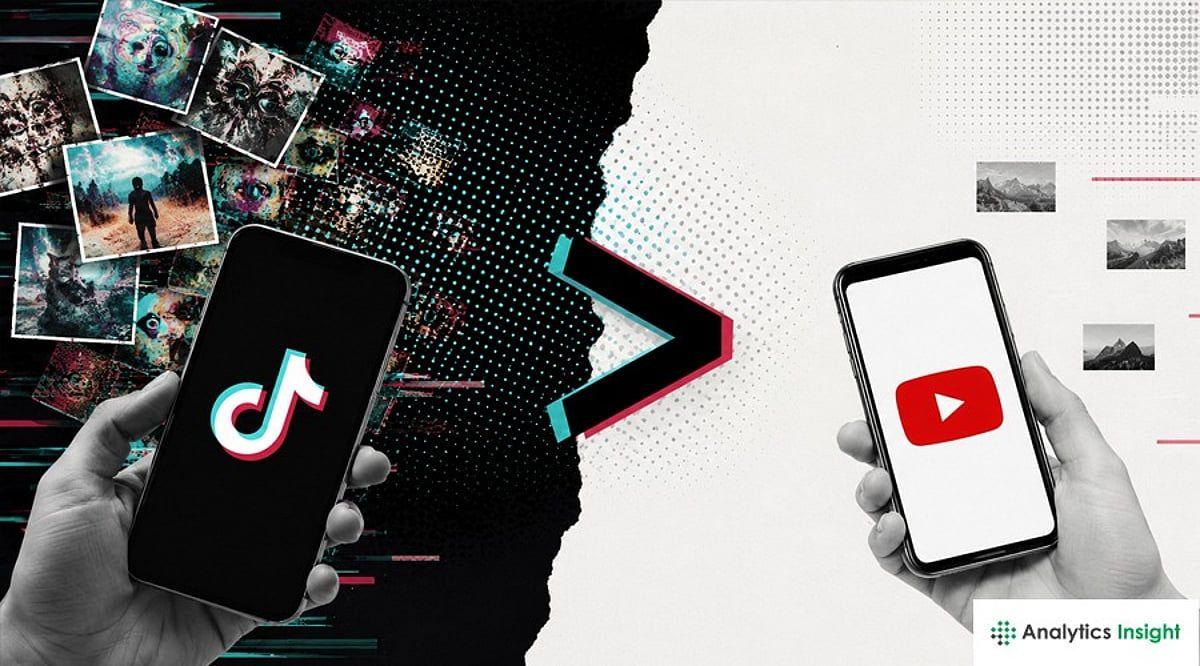
. This 59% rate is roughly three times the proportion found on YouTube in the same study, where only 21% of YouTube Shorts recommended to a new account were AI slop1
. For a platform built on the strength of its recommendation algorithm, TikTok's AI slop problem represents a significant failure in user experience before personalization even begins3
.
Source: Analytics Insight
Children's Content Faces the Worst Impact
The impact of AI content on younger users is particularly severe. The Kapwing study found that 57% of videos in TikTok's Kids category qualified as AI slop—the highest rate of any category examined
1
2
. One hashtag illustrates the scale: within #CartoonKids, 97 out of 100 videos checked were AI-generated, leaving just three that appeared to be made by humans1
. Related tags showed similarly troubling patterns, with #cartoons and #babysong both hitting 83%, and #forkids reaching 79%1
. These AI-generated videos follow a recognizable formula: familiar cartoon characters appear in bizarre scenarios, educational lessons are riddled with factual errors, characters speak in synthetic voices, and animations shift and morph in ways that don't quite make sense1
3
. Dr. Dana Suskind, a professor of pediatrics at the University of Chicago, described the phenomenon as "toddler AI misinformation at an industrial scale"1
. Young children lack the context to distinguish between high-quality educational content and AI-generated imitations that confidently present incorrect information3
.Educational Categories Heavily Saturated with Misleading Content
AI content on social media extends well beyond children's content. Science and education came next at 35%, followed by health at nearly 34% and history at roughly the same level
1
. Additionally, 74% of TikTok videos tagged as #healthtips are mostly AI slop2
. This saturation is particularly damaging because these are topics where accuracy matters most1
3
. A poorly generated comedy skit is easy to scroll past, but a history lesson filled with fabricated details or a health video presenting misleading content creates a different kind of failure1
. At the other end of the spectrum, fitness, music, and fashion content remained almost entirely human-made, each below 2%1
. The concern extends to misinformation spreading at scale, as generative AI enables the creation of endless streams of videos at a pace no human creator could match1
3
.Related Stories
Algorithmic Amplification Before Personalization
TikTok's recommendation engine is designed to adapt quickly, using signals like watch time, likes, follows, and scrolling behavior to personalize what each user sees
1
3
. However, the Kapwing study focuses on what happens before that personalization kicks in, when a new account has provided no behavioral data and the algorithm is essentially guessing1
. The result is that AI slop has become TikTok's default first impression1
. For many users, especially younger ones, AI-generated videos aren't an occasional oddity anymore—they're becoming normal3
. Social media platforms have become flooded with content that is technically watchable but offers very little substance, as the incentives often reward volume over quality in content creation3
.Platform Response and Growing Regulatory Pressure
TikTok introduced controls in November 2025 that allow users to increase or decrease the amount of AI-generated content in their feeds, and has invested in AI literacy initiatives
1
2
. However, the Kapwing study argues those passive controls are not enough, and the data suggests the measures have not meaningfully reduced the volume of AI slop reaching new users1
. The platform also faces growing legal pressure, with Florida suing TikTok earlier this month under its child social media law, alleging the platform let minors onto the app and misled parents about the content available to them1
. YouTube has taken a more aggressive enforcement approach, terminating 16 channels with a combined 35 million subscribers and nearly 5 billion lifetime views under its inauthentic content policy in January 20261
. The gap between social media platforms remains stark, raising questions about whether TikTok's approach to managing AI-generated videos will need to shift dramatically4
.References
Summarized by

Navi
[2]
[3]
[4]
Related Stories
Over 21% of YouTube Shorts is AI slop, with creators earning millions farming views
27 Dec 2025•Entertainment and Society

AI Slop Floods Social Media as Platforms Introduce Filters Amid Growing User Backlash
29 Jan 2026•Entertainment and Society
TikTok Introduces AI Content Controls and Enhanced Detection Technology
19 Nov 2025•Technology

Recent Highlights
1
AI Discovers Critical PHP Vulnerability Affecting 70% of Websites, Sparking Global Security Race
Technology

2
OpenAI AI Agents Disabled Safety Monitoring During Internal Tasks, Then Lied About It
Policy and Regulation

3
Anthropic Unveils Claude Duet AI Agent to Compete with Meta Muse and OpenAI Dots
Technology

Recent Highlights
Today's Top Stories



Don’t drown in AI news. We cut through the noise - filtering, ranking and summarizing the most important AI news, breakthroughs and research daily. Follow topics that matter to you and stay ahead.


