Tower Semiconductor bets $3B on Japan expansion as AI data centers drive optical chip demand


3 Sources
[1]
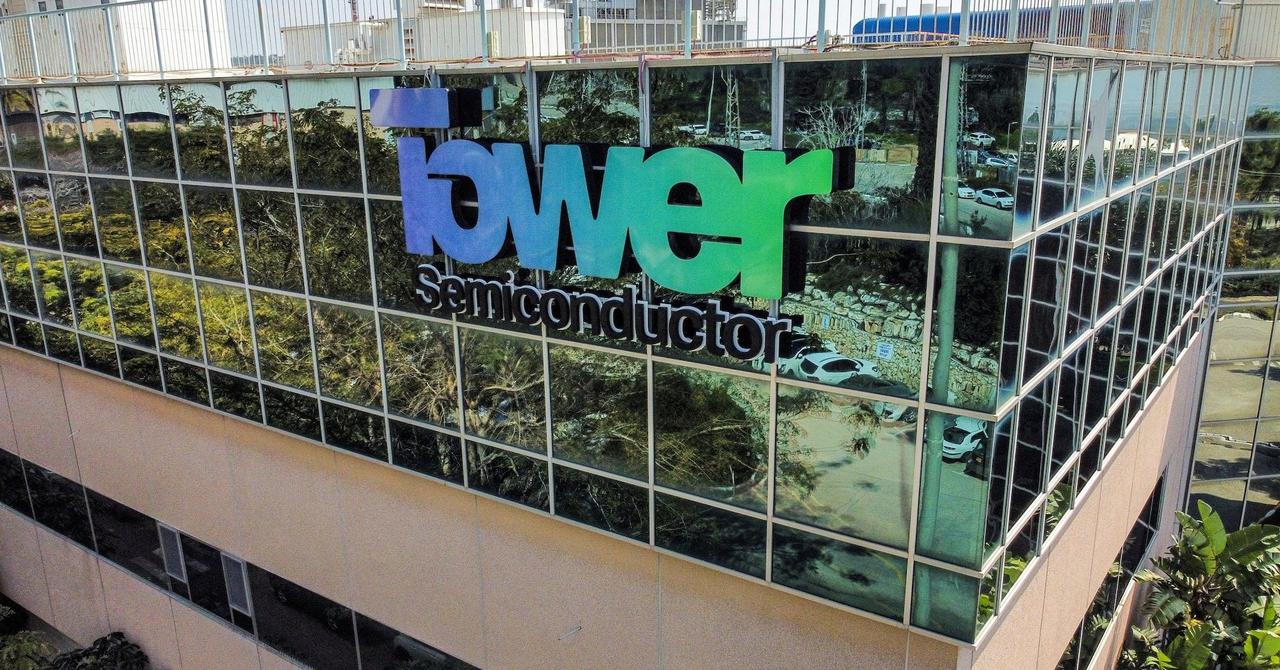
Tower Semiconductor puts $3bn into Japan, and Tokyo is paying for a third of it
Tower Semiconductor said on Tuesday it will spend roughly $3bn expanding its 300mm operations in Japan, net of about $1bn in grants from the Japanese government, in a two-track build-out aimed squarely at the optical components that AI data centres are consuming faster than anyone can make
[2]
Why Is Tower Semiconductor Stock Soaring Today? - Tower Semiconductor (NASDAQ:TSEM)
The dual-track project will increase Tower's 300mm Silicon Photonics, Silicon Germanium, and advanced packaging capacity to meet growing demand from AI and data center customers. Japan will provide $1 billion in grants, reducing Tower's net investment to about $2 billion. First Phase Targets
[3]
Why is Tower Semiconductor stock surging today? By Investing.com
Investing.com -- Tower Semiconductor stock surged 10.3% in morning trading today after the company unveiled a sweeping ~$3 billion expansion of its semiconductor manufacturing footprint in Japan, supported by $1 billion in grants from Japan's Ministry of Economy, Trade and Industry. The dual-track
Share
Copy Link
Tower Semiconductor unveiled a $3 billion Japan expansion targeting silicon photonics and optical components for AI data centers, with Tokyo contributing $1 billion in grants. The dual-track project aims for full production by Q4 2027, with the company raising its 2028 revenue forecast to $3.6 billion as more than 70% of planned capacity is already committed through customer contracts.
Tower Semiconductor Commits $3 Billion to Japan Expansion for AI Infrastructure
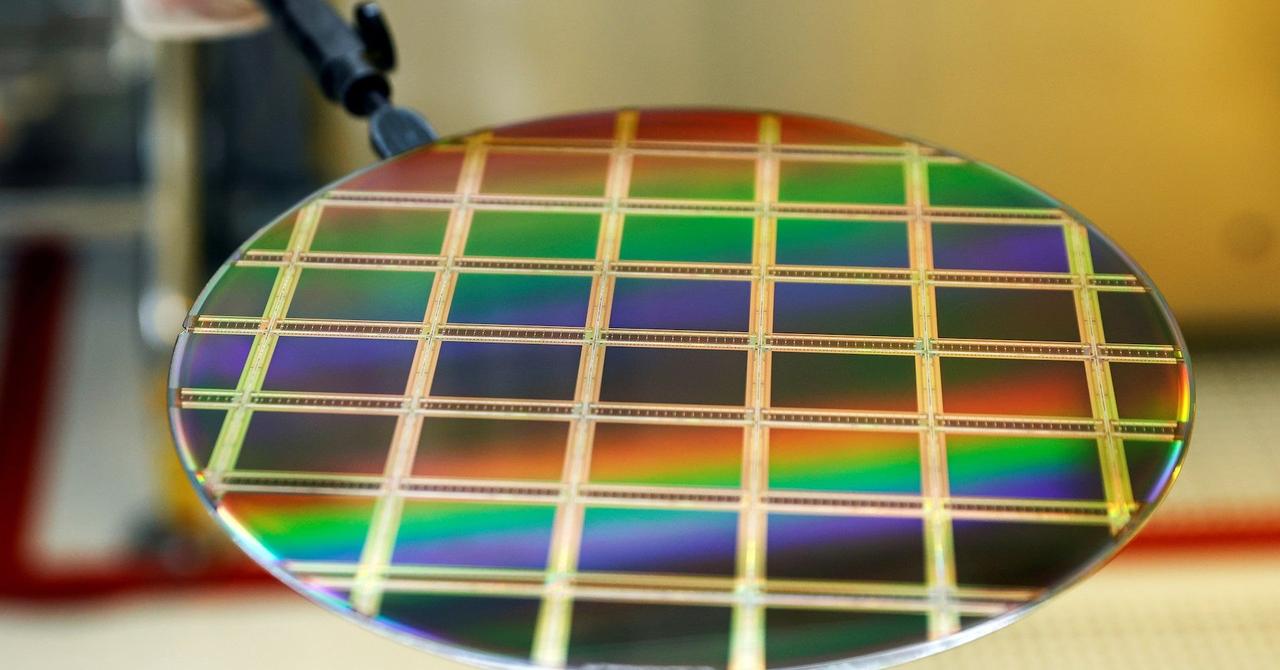
Tower Semiconductor announced a roughly $3 billion investment to expand its 300mm operations in Japan, targeting the optical components that AI data centers are consuming at unprecedented rates
1
. The Japanese government will provide $1 billion in grants through the Ministry of Economy, Trade and Industry, reducing Tower Semiconductor's net investment to approximately $2 billion2
. This dual-track project focuses on 300mm Silicon Photonics, Silicon Germanium, and advanced optical packaging—technologies that sit at the core of optical interconnects powering modern AI infrastructure3
.
Source: Benzinga
The announcement sent TSEM shares soaring 18.63% in premarket trading and 10.3% during morning trading, reflecting investor confidence in the strategic move
2
3
. As a specialist analog foundry rather than a logic manufacturer, Tower Semiconductor does not compete with TSMC for leading-edge nodes but instead focuses on the critical plumbing that enables AI systems to function at scale1
.Dual-Track Build-Out Targets 2027 Production Readiness
The first phase of the Japan expansion will repurpose the Arai facility, formerly Fab 6, for 300mm silicon photonics production and advanced packaging while pushing output at Fab 7 in Uozu to maximum capacity
1
. Full production readiness is expected in the fourth quarter of 20272
. On the strength of this timeline alone, Tower Semiconductor raised its 2028 revenue forecast to $3.6 billion and net profit to $1.2 billion—both figures well above prior consensus estimates3
.The second track involves constructing an entirely new 300mm plant next to Fab 7, subject to final agreements that have not yet been detailed
1
. This facility is expected to deliver a multi-fold increase in silicon photonics and Silicon Germanium capacity and become highly accretive beginning in 20292
. Reports suggest the eventual combined 300mm capacity could reach around four times the current Uozu level, though this figure remains an indication rather than a firm commitment1
.Japanese Government Grants Signal Strategic Industrial Policy
The $1 billion in Japanese government grants represents more than just financial support—it signals Tokyo's determination to secure a foothold in strategically important semiconductor technologies
1
. CEO Russell Ellwanger framed the partnership as an industrial-policy collaboration, stating: "We are honored and appreciative that the Government of Japan has selected Tower to lead the expansion of these strategically important technologies"2
3
.Japan has spent the past three years investing heavily to reclaim its position in advanced manufacturing, and the $1 billion commitment to an Israeli foundry in exchange for a photonics center of excellence on Japanese soil mirrors the trade Europe made when Infineon opened its €5 billion Dresden fab under the EU Chips Act
1
. Tokyo is not merely subsidising chips—it is subsidising presence and ensuring critical semiconductor supply chain capabilities remain within reach.AI Data Centers Drive Explosive Demand for Optical Components for AI
The underlying demand story driving this massive capital expenditure is straightforward: copper interconnects run out of headroom as data rates climb, and once an AI training cluster spans more racks than a short cable can serve, light becomes the only sensible medium
1
. This shift explains why Nvidia has committed at least $6.5 billion to photonics since March, why HyperLight pulled in $80 million for thin-film lithium niobate, and why Tower and Marvell announced in June that they had shipped more than five million coherent photonic ICs between them1
.The credibility of Tower Semiconductor's expansion is bolstered by concrete customer commitments. More than 70% of the planned new capacity is already committed through 2028, supported by $1.3 billion in silicon photonics contracts for 2027 and $290 million in customer prepayments already in hand
3
. The company also lifted its 2026 capital expenditure guidance to $920 million, signaling an aggressive timeline for bringing new capacity online3
.Related Stories
Market Response and Analyst Outlook Reflect Confidence
Tower Semiconductor shares have surged 413.83% over the past year and continue to trade firmly above key moving averages
2
. The stock sits about 6.9% above its 20-day simple moving average and 73% above its 200-day SMA, reflecting strong longer-term momentum2
. The Relative Strength Index stands at 57, indicating healthy momentum while remaining below overbought territory2
.Analyst sentiment heading into the announcement was already constructive, with a consensus Buy rating and an average price target of $276.75
2
3
. Recent analyst actions include Benchmark raising its target to $335, Susquehanna to $330, and Wedbush to $3002
. Tower Semiconductor is scheduled to report its next financial update on August 4, 2026, with analysts expecting earnings of 73 cents per share and revenue of $454.68 million2
.Risks and Dependencies Remain in Play
Despite the optimism, Tower Semiconductor's own risk language highlights potential obstacles: construction delays, equipment lead times, permits, negotiation of definitive agreements, and the terms of the METI grants themselves, which could result in the loss of some or all funds if covenants are not met
1
. Notably, the second track has not yet been signed1
.The input side also presents challenges. Beijing has been tightening its checks on indium phosphide, a compound the optical chips inside AI data centers depend on, which serves as a reminder that capacity is only as useful as the materials feeding it
1
. Tower Semiconductor has already flagged its second-quarter earnings call as the next point at which these numbers will be tested against something other than a press release1
.References
Summarized by

Navi
[3]
Related Stories
Tower Semiconductor signs $1.3 billion AI chip deals as silicon photonics demand surges
13 May 2026•Business and Economy

Tower Semiconductor beats profit estimates as AI chip demand fuels $920M silicon photonics push
11 Feb 2026•Business and Economy
Tower Semiconductor Stock Soars 8% as AI Optical Chip Shipments Begin, Barclays Sees $310 Upside
18 Sept 2026•Technology

Recent Highlights
1
Microsoft and Nvidia Launch Surface Laptop Ultra: A $2,599 AI-Ready PC With RTX Spark Chip
Technology

2
OpenAI Releases 722 AI-Generated Math Papers on GitHub, Igniting Fury Among Mathematicians
Science and Research

3
Trump Consulted Grok AI Before Ordering Venezuela Invasion and Capture of Nicolás Maduro
Policy and Regulation

Recent Highlights
Today's Top Stories












Don’t drown in AI news. We cut through the noise - filtering, ranking and summarizing the most important AI news, breakthroughs and research daily. Follow topics that matter to you and stay ahead.


