Tower Semiconductor signs $1.3 billion AI chip deals as silicon photonics demand surges


3 Sources
[1]
Tower Semiconductor Hits 52-Week High - Here's Why - Tower Semiconductor (NASDAQ:TSEM)
Tower Semiconductor Nearly Doubles Operating Profit On AI Tailwinds The company posted first-quarter revenue of $413.63 million, up 15% from a year earlier and ahead of analysts' estimates of $410.98 million. Adjusted earnings came in at 65 cents per share, topping Wall Street expectations of 56
[2]
Tower Semiconductor lifted by AI chip demand and photonics contracts
Tower Semiconductor has raised its Q2 revenue guidance and announced contracts totaling $1.3bn related to chips for artificial intelligence data centers. The announcement propelled the Israeli foundry's stock up over 12% on Wall Street. The group is benefiting from robust demand for its analog and
[3]
Tower Semi forecasts upbeat quarterly revenue, signs $1.3 billion in AI chip deals
May 13 (Reuters) - Tower Semiconductor on Wednesday forecast second-quarter revenue above estimates and said it landed $1.3 billion in deals for 2027 to supply chips that use light to move data at high speeds through artificial intelligence data centers. Strong demand for its analog and
Share
Copy Link
Tower Semiconductor landed $1.3 billion in silicon photonics deals for 2027, driven by surging AI chip demand for data centers. The Israeli contract chipmaker raised its Q2 revenue forecast to $455 million and nearly doubled operating profit to $64.57 million, while securing $290 million in customer prepayments. The company targets $2.8 billion in annual revenue by 2028.
Tower Semiconductor Rides AI Chip Demand Wave With Record Deals
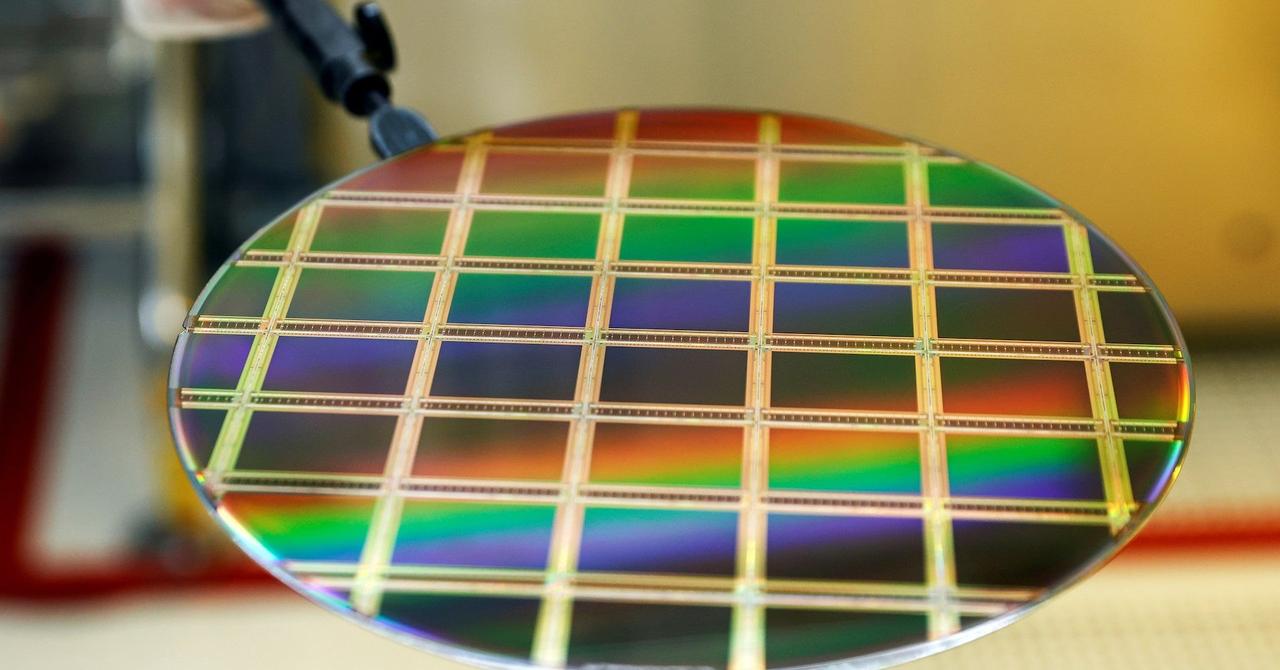
Tower Semiconductor has secured $1.3 billion in silicon photonics contracts for 2027, positioning the Israeli contract chipmaker at the forefront of AI data center chips production. The company announced these long-term agreements alongside an upbeat quarterly revenue forecast of $455 million for Q2, significantly above the $436.4 million analysts had anticipated
1
3
. The announcement propelled the company's stock up over 17% in pre-market trading, with shares hitting a new 52-week high at $254.901
.The silicon photonics deals represent a strategic bet on high-speed data transfer technology that uses light to move information through AI infrastructure. Tower Semiconductor has already received $290 million in customer prepayments to secure manufacturing capacity, with customers committing to even larger orders for 2028 and additional advance payments expected by January 2027
2
3
. CEO Russell Ellwanger noted that demand continues rising as more than 50 silicon photonics customers expand artificial intelligence, data center and optical connectivity applications1
.First Quarter Results Exceed Expectations
Tower Semiconductor posted first-quarter revenue of $413.63 million, up 15% year over year and ahead of analysts' estimates of $410.98 million. Adjusted earnings reached 65 cents per share, topping Wall Street expectations of 56 cents per share
1
. The company's analog and mixed-signal processors have seen robust demand driven by massive investments in data infrastructure and AI2
.Operating profit nearly doubled, rising 96% to $64.57 million, while gross margin expanded significantly to 26.8% from 20.4% a year earlier. Operating cash flow surged to $509.97 million from $93.92 million in the prior-year quarter, demonstrating the company's improved financial health
1
. These integrated circuits serve a wide range of industries including automotive, industrial, consumer electronics and communications3
.Aggressive Capacity Expansion Plans

Source: Market Screener
Ellwanger emphasized that Tower Semiconductor is expanding manufacturing capacity globally to support next-generation optical networking technologies and AI connectivity technologies. The company expects silicon photonics capacity to increase fivefold from fourth-quarter 2025 levels by the end of 2026 as it invests heavily in optical networking and advanced packaging solutions
1
.The CEO expressed confidence in achieving 2028 financial targets of $2.8 billion in annual revenue and $750 million in net profit
2
3
. This represents a substantial increase from current levels and reflects the company's strategic positioning in the rapidly expanding AI infrastructure market.Related Stories

Legal Challenges and Market Position
Despite its strong performance, Tower Semiconductor faces a patent infringement lawsuit from rival GlobalFoundries, which filed suit in March alleging the Israeli chipmaker infringed 11 patents related to manufacturing chips used in smartphones and other electronics
2
3
. The ongoing legal dispute has not appeared to dampen investor enthusiasm or customer commitment, as evidenced by the substantial customer prepayments and long-term agreements the company continues to secure. Investors should monitor how this litigation unfolds, as it could impact the company's operations or require financial settlements that affect profitability targets.References
Summarized by

Navi
[2]
Related Stories
Tower Semiconductor beats profit estimates as AI chip demand fuels $920M silicon photonics push
11 Feb 2026•Business and Economy
Tower Semiconductor Forecasts Strong Q3 Revenue Amid Rising Demand for AI and Data Center Chips
05 Aug 2025•Business and Economy
Tower Semiconductor Stock Soars 8% as AI Optical Chip Shipments Begin, Barclays Sees $310 Upside
18 Sept 2026•Technology

Recent Highlights


Recent Highlights
Today's Top Stories









Don’t drown in AI news. We cut through the noise - filtering, ranking and summarizing the most important AI news, breakthroughs and research daily. Follow topics that matter to you and stay ahead.


