Treasury Secretary Blames DeepSeek AI for Market Crash, Downplays Trump's Tariff Impact


6 Sources
[1]
It's a MAG-7, not a MAGA problem: Treasury Secretary Scott Bessent taunts investors, says Wall Street wipeout is due to DeepSeek-led AI bubble, not Donald Trump's tariffs
Scott Bessent defends Trump tariffs as markets plunge, shifting blame to DeepSeek and MAG-7 tech stock losses. As the S&P 500 dives, the Treasury eyes long-term bond yields to ease America's debt pressure. A pivotal moment in U.S. economic policy with massive global market impact.When President
[2]
Treasury Secretary Scott Bessent Says Stock Market Decline Is Due To China's DeepSeek, Not Trump's Policies: 'Mag 7 Problem, Not A MAGA Problem'
Enter your email to get Benzinga's ultimate morning update: The PreMarket Activity Newsletter Scott Bessent, the U.S. Treasury Secretary, has attributed the recent stock market decline to the Chinese AI tool DeepSeek rather than President Donald Trump's policies. What Happened: During an
[3]
'It's More A Mag 7 Problem Than A MAGA One,' Says Bessent As Wall Street Implodes - Apple (NASDAQ:AAPL), Amazon.com (NASDAQ:AMZN)
Feel unsure about the market's next move? Copy trade alerts from Matt Maley -- a Wall Street veteran who consistently finds profits in volatile markets. Claim your 7-day free trial now. As Wall Street crumbles under the weight of tariffs and deepening economic fears, Treasury Secretary Scott
[4]
Treasury secretary blames China's DeepSeek for stock-market plunge:...
The stock market plunge has more to do with the surprise emergence of China's DeepSeek artificial intelligence tool earlier this year than it does with President Trump's policies, Treasury Secretary Scott Bessent said in an interview with Tucker Carlson released on Friday. "For everyone who thinks
[5]
U.S. market decline tied to China's AI tool, not Trump's policies: Treasury Secretary By Investing.com
Investing.com -- U.S. Treasury Secretary Scott Bessent has attributed the recent stock market decline to the unexpected emergence of China's DeepSeek artificial intelligence tool earlier this year, rather than President Donald Trump's economic policies. In an interview released on Friday, Bessent
[6]

Treasury's Bessent: Market drop a "Mag 7" problem, not a MAGA one - Tucker Carlson interview
(Reuters) - The stock market plunge has more to do with the surprise emergence of China's DeepSeek artificial intelligence tool earlier this year than it does with President Donald Trump's policies, U.S. Treasury Secretary Scott Bessent said in an interview with Tucker Carlson released on
Share
Copy Link
U.S. Treasury Secretary Scott Bessent attributes recent stock market decline to China's DeepSeek AI tool rather than Trump's tariff policies, calling it a "MAG-7 problem, not a MAGA problem."

Treasury Secretary Shifts Blame from Tariffs to AI
In a surprising turn of events, U.S. Treasury Secretary Scott Bessent has attributed the recent stock market decline to China's artificial intelligence tool DeepSeek, rather than President Donald Trump's newly announced tariff policies. This statement comes amidst a significant market downturn, with U.S. stocks tumbling approximately 10% in the two days following Trump's announcement of a more aggressive global tariff regime
1
2
.The MAG-7 vs. MAGA Debate
Bessent, speaking on Tucker Carlson's podcast, characterized the market situation as "more a MAG Seven problem than a MAGA one"
3
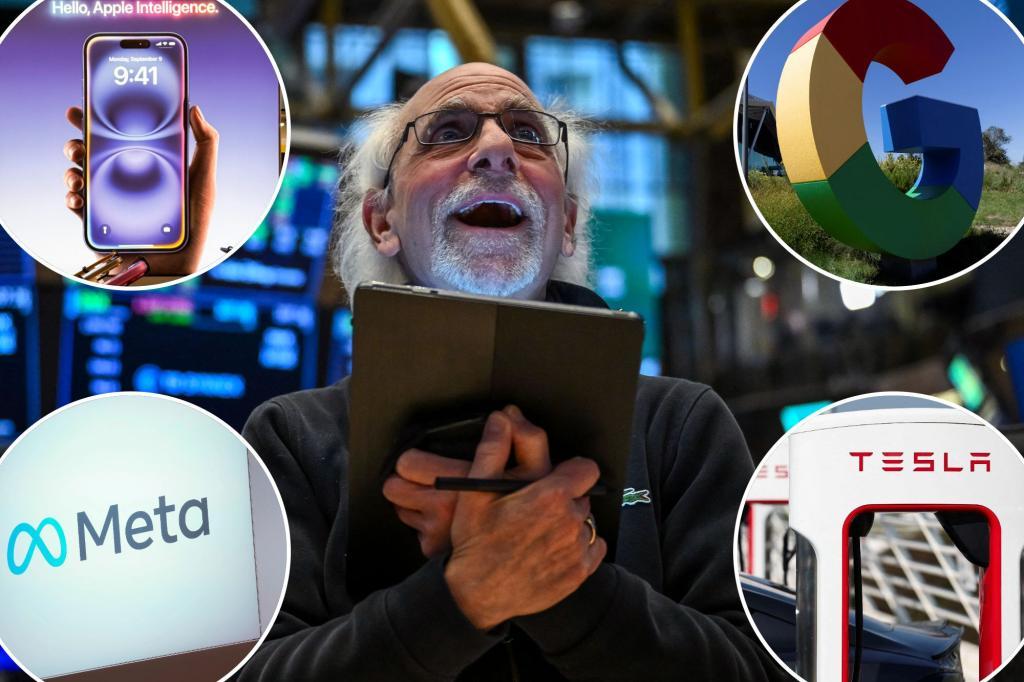
. The "MAG-7" refers to the seven high-performing tech stocks - Microsoft, Apple, Nvidia, Alphabet, Amazon, Meta, and Tesla - that have been driving market growth in recent years4
. This perspective suggests that the market's issues stem more from a correction in tech valuations than from the impact of new tariff policies.DeepSeek: The Alleged Catalyst
According to Bessent, the market decline "started with the Chinese AI announcement of DeepSeek"
5
. DeepSeek, an open-source AI model released by China in January, allegedly triggered a reassessment of U.S. tech valuations, particularly in the AI space. Bessent argues that Wall Street had prematurely priced in AI dominance and is now correcting that assumption3
.Defending the Tariff Strategy
Despite the market reaction, Bessent defended the administration's tariff strategy. He cited MIT research suggesting that previous tariffs on China only lifted U.S. prices by 0.7%, with foreign producers absorbing much of the impact
3
. Bessent framed the tariffs as part of a broader strategy to enhance national security and reshape global trade dynamics.Economic Security and Reshoring
Bessent emphasized the connection between economic and national security, pointing to COVID-19 as a wake-up call that exposed vulnerabilities in global supply chains. The administration's long-term strategy, according to Bessent, involves using tariffs to boost short-term revenue while incentivizing domestic production
3
.Related Stories
Market and Global Reactions
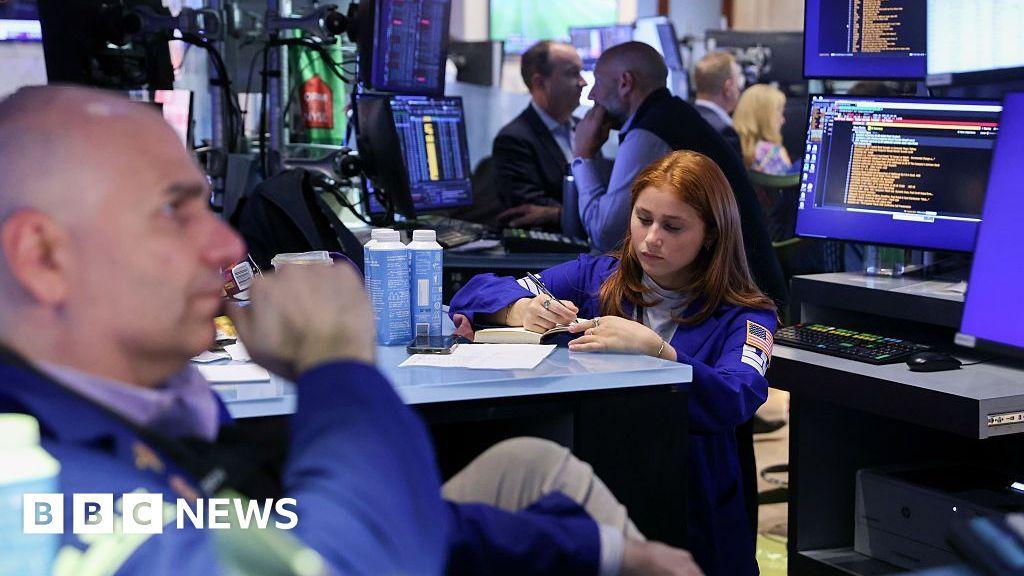
The market's response to these developments has been severe. The S&P 500 and Nasdaq 100 indices experienced their worst week since March 2020, with the iShares Semiconductor Index facing its steepest weekly decline since 2001
3
. Globally, there are concerns about potential retaliation from trading partners, though Bessent dismissed these threats, arguing that surplus nations like China and Germany are in a weaker position to retaliate effectively3
.Federal Reserve's Stance
Amidst the market turmoil, Federal Reserve Chair Jerome Powell reaffirmed that the central bank sees no urgency to begin cutting interest rates, potentially adding to investor concerns
3
. This stance, combined with the ongoing debate over the causes of the market decline, has created a complex and uncertain economic landscape.As the situation continues to unfold, the interplay between AI advancements, trade policies, and market dynamics remains a critical area of focus for investors, policymakers, and economists alike.
References
Summarized by

Navi
Related Stories
Magnificent Seven Tech Stocks Surge as Trump Pauses Tariffs, Boosting AI Investments
10 Apr 2025•Business and Economy
Wall Street Navigates Rising Trade Risks and Market Highs Amid Political Uncertainty
18 Jul 2024

Trump's Taiwan Comments and Biden's Trade Plans Shake Semiconductor and AI Markets
18 Jul 2024

Recent Highlights



Recent Highlights
Today's Top Stories



Don’t drown in AI news. We cut through the noise - filtering, ranking and summarizing the most important AI news, breakthroughs and research daily. Follow topics that matter to you and stay ahead.


