Tech Sell-Off Shakes Markets as Investors Question AI Spending and Profitability


10 Sources
[1]
Another DeepSeek moment? What's really behind the tech sell-off
Tech stocks are selling off Friday, continuing a poor week, and there could be more to the rout than meets the eye. The apparent trigger for the sell-off is a Thursday report from the New York Times that OpenAI is considering holding off on its initial public offering due to the lackluster
[2]
Tech stocks tumble on concerns over AI spending
Financial markets received a sharp wake-up call on Tuesday following a sudden wave of selling in major technology shares, triggering widespread doubt over the sustainability of the AI boom. The tech-focused Nasdaq index fell about 2% alongside international chipmakers, reigniting fears that
[3]
Is AI 'one big bubble?' Behind the tech selloff
A wave of selling in tech stocks is starting to reflect doubts over whether the spending boom on artificial intelligence is worth it. The best-known AI-related tech stocks, Nvidia and Google-parent, Alphabet, were down for a second day in a row. Among the biggest losers on Tuesday, however, was
[4]
US AI stock sell-off shakes markets from Wall Street to Asia
Losses spread globally as investors questioned soaring valuations and spending on AI infrastructure A tech sell-off shook global markets on Tuesday as attention turned away from developments in the US war with Iran and toward the future of AI companies and chipmakers that have driven stock markets
[5]

Tech stocks tumble for a second day. Here's what's behind the selloff.
Mary Cunningham is a reporter for CBS MoneyWatch. She previously worked at "60 Minutes," CBSNews.com and CBS News 24/7 as part of the CBS News Associate Program. A major technology stock selloff stretched into a second day Tuesday as investors questioned whether artificial intelligence will
[6]

South Korea's favourite AI stocks slide again, drag Kospi index down 8%
Heavyweights Samsung Electronics and SK Hynix, which together account for more than half of Kospi's market cap, fell around 9% each on Friday, forcing the exchange to trigger circuit breakers and halt trading for roughly 20 minutes. Kospi, the benchmark index for the South Korean stock market,
[7]
K-Drama on Tech Street: AI rout hits global markets
Technology stocks experienced a significant downturn, pulling major indices lower as a sharp selloff in Korean chipmakers raised concerns about the sustainability of the AI-driven market surge. Nvidia and Micron were among the biggest decliners. This dip, triggered by reports of SK Hynix slowing AI
[8]
US Stock Market: AI spending fears hammer US tech giants, Alphabet leads selloff
Wall Street's AI-driven technology rally faced pressure as investors questioned whether rising infrastructure spending can generate sufficient returns. While hyperscalers such as Alphabet, Amazon, Meta and Microsoft declined sharply, semiconductor and data storage firms including Micron continued
[9]

S&P, Nasdaq drop on semiconductor selloff as AI spending concerns mount
June 23 (Reuters) - The Nasdaq and the S&P 500 fell to over one-week lows on Tuesday, dragged down by sharp losses in semiconductor stocks as investors scrutinized growing debt-funded AI spending and braced for a more hawkish U.S. Federal Reserve. The Philadelphia SE Semiconductor index tumbled
[10]
Investors Take Some Air Out of AI Stocks, Steep Losses in Seoul
FRANKFURT/SEOUL (dpa-AFX) - Sharp price losses on South Korea's stock market on Tuesday are likely to leave their mark on Europe's equity markets as well. In Asia, investors cashed in part of the immense gains. Semiconductor shares tied to Artificial Intelligence in particular are likely to come
Share
Copy Link
Major tech stocks tumbled for consecutive days as investor concerns over AI spending sustainability triggered a market sell-off. The Nasdaq dropped 2.2%, with chipmakers like Micron plunging 12% and Nvidia falling 4.2%. Questions about whether massive AI investments will generate profits are reshaping market sentiment after months of record highs.
Tech Stocks Tumble Amid Growing Investor Concerns
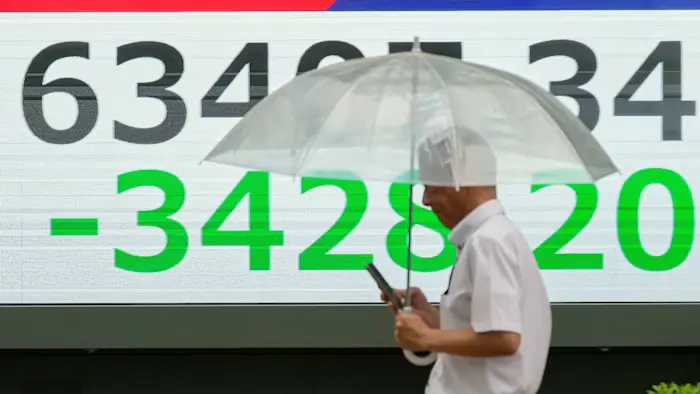
A sharp tech sell-off rattled global markets this week as investors began questioning whether the massive AI spending boom can justify the astronomical valuations that have driven tech stocks to record highs
1
. The Nasdaq fell approximately 2% on Tuesday, marking a second consecutive day of losses and signaling a potential shift in market sentiment around AI-driven tech valuations2
. Chipmakers bore the brunt of the sell-off, with Micron Technology plummeting 12%, while Nvidia dropped 4.2% and both Intel and AMD fell more than 4%3
.
Source: ET
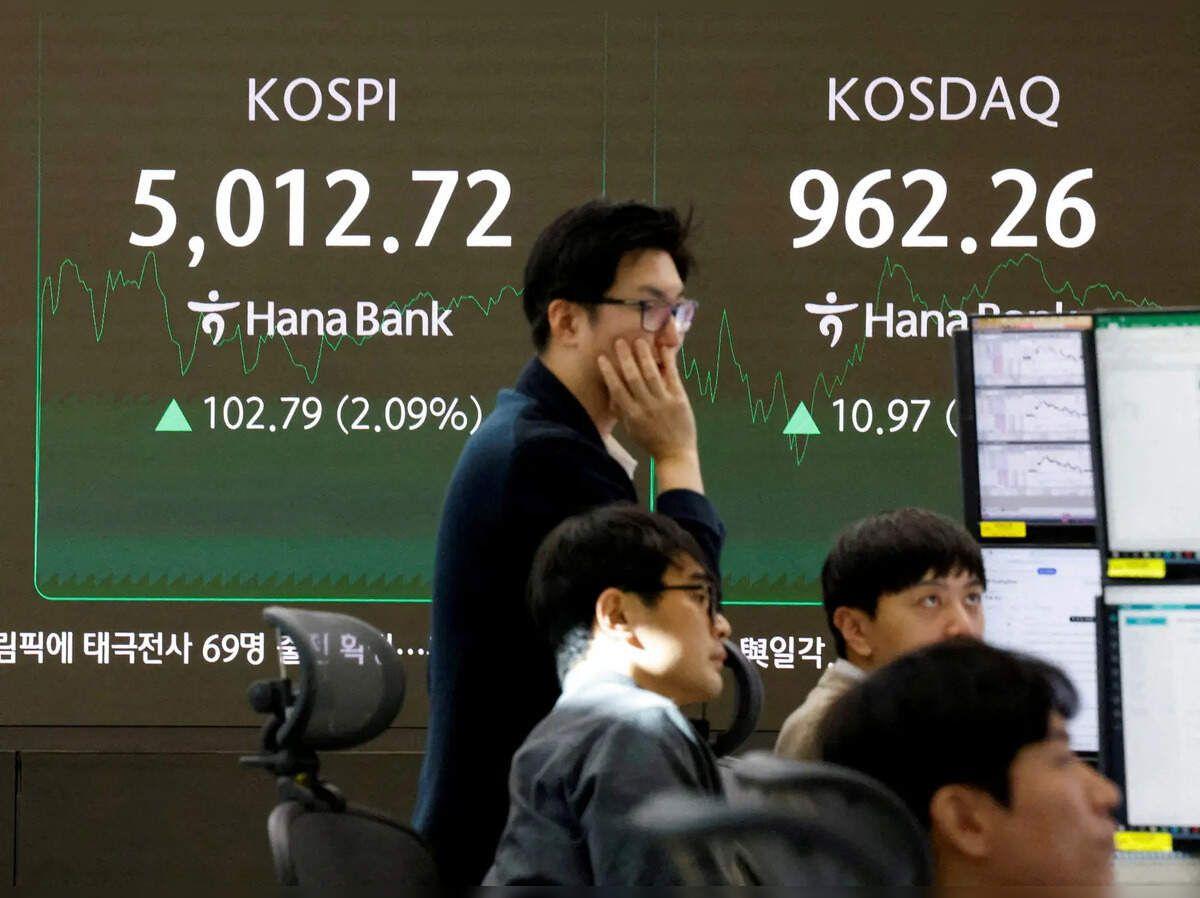
The market volatility spread beyond U.S. borders, with South Korea's Kospi tumbling 10% after shares of Samsung and SK Hynix both closed over 12% lower
4
. This US AI stock sell-off represents a dramatic reversal after a relentless three-month rally that left many questioning the sustainability of AI spending2
.Concerns Over AI Spending Reach Critical Point
The concerns over AI spending have reached a tipping point as investors demand concrete evidence that unprecedented corporate spending will translate into actual profits. According to Stanford University's AI Index Report, there was more than $580 billion in corporate investment into AI in the past year alone, on top of over $1 trillion in the four preceding years
3
. Morgan Stanley has estimated that AI-related borrowing will surpass $500 billion this year, raising alarm bells about excessive infrastructure spending financed through debt4
.Gil Luria, head of technology research at D.A. Davidson, captured the market's oscillating sentiment: "The market just continues to oscillate between 'AI is going to be great and increase productivity and all these companies are going to win,' and 'AI is a big waste of time and it's not worth the return on investment at all and this is all one big bubble'"
3
.Chinese AI Models Trigger Another DeepSeek Moment
Beyond concerns about AI investment returns, a new competitive threat emerged from China that analysts describe as "another DeepSeek moment"
1
. The launch of GLM5.2 by Hong Kong-listed Z.ai is "almost equal" to Anthropic at just one quarter of the cost per token, according to Jefferies strategist Christopher Wood1
. Morgan Stanley traders noted the new model has "very impressive coding capabilities," raising fears about a fundamental shift in willingness to pay for premium AI services1
.Deutsche Bank's Jim Reid noted that for approximately 90% of everyday tasks, China's DeepSeek V4-Pro performs comparably to Anthropic's Claude at roughly 1.5% of the cost
1
. This price pressure could force companies to remove AI workloads from cloud providers and back onto their own servers, fundamentally changing the investment landscape for AI buildout.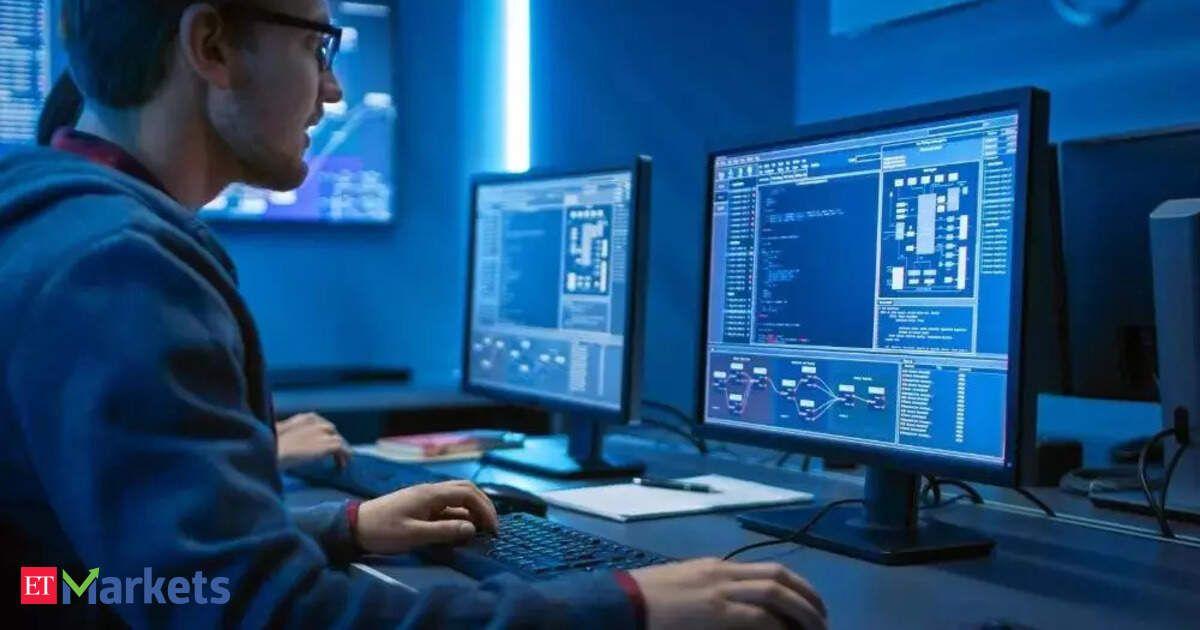
Source: ET
OpenAI and Market Correction Fears
The tech sell-off intensified after reports that OpenAI is considering delaying its initial public offering due to SpaceX's lackluster post-IPO performance and recent market volatility
1
. SpaceX shares, which soared above $200 shortly after their June 12 debut, have retreated significantly, dropping 16% on Monday alone before settling around $1565
. The company announced plans to raise $20 billion in a bond sale despite gaining more than $85 billion through its IPO, sparking investor concerns about excessive spending4
.Alphabet experienced its worst day on the market in over a year, falling 5% on Monday after high-profile AI researchers departed the company
4
. The sell-off has pushed industry stalwarts like Meta Platforms and Microsoft into bear market territory, with shares dropping at least 20% from their recent peaks5
.
Source: ET
Related Stories
Profitability Questions and Consumer Adoption
While AI tools like ChatGPT and Claude have gained significant traction, profitability remains an open question. Bank of America Institute data reveals that only about 3% of its customers—mostly households earning more than $125,000 annually—pay for AI services, with a median spend of $20 per month
5
. However, the number of households paying for AI services has jumped 38% since 2024, and Bank of America Global Research expects the U.S. market could scale to $75 billion annually as AI becomes embedded across productivity, search, and entertainment5
.James Reilly, senior market economist with Capital Economics, warned that "today's big falls in tech stocks without any major catalyst are another illustration of rising volatility in these stocks, a result of what increasingly looks like frothy earnings expectations and/or valuations"
5
. If semiconductor firms continue to struggle, he added, "the stock market would be in big trouble"5
.Interest Rate Pressures Add to Market Anxiety
Anxiety is mounting that potential rate hikes later this year could further hamper growth. The Federal Reserve's rate-setting committee opened the door to increasing borrowing costs in 2026 to combat accelerating inflation driven by rising oil prices from the war in Iran
5
. Traders are betting on a nearly 90% chance the Fed will raise its federal funds rate at least once by year's end, up from 57% just a week ago5
.Despite the turbulence, some analysts view the market correction as healthy rather than catastrophic. Nigel Green, CEO of deVere Group, stated: "What we're witnessing now is investors demanding proof instead of promises. That shift can be uncomfortable, but it's ultimately healthy"
5
. Bank of America's Vivek Arya argued that the industry is transitioning from defending initial return on investment to solving physical infrastructure and power constraints2
.References
Summarized by

Navi
[4]
Related Stories
AI Bubble Fears Trigger Global Semiconductor Selloff as SoftBank Plunges 40%
21 Nov 2025•Business and Economy

AI demand called unlimited, but chip stocks fall as spending questions mount across industry
12 Jul 2026•Business and Economy
AI Stocks Tumble as Investors Question Massive AI Infrastructure Spending and Valuations
13 Jul 2026•Business and Economy
Recent Highlights



Recent Highlights
Today's Top Stories








Don’t drown in AI news. We cut through the noise - filtering, ranking and summarizing the most important AI news, breakthroughs and research daily. Follow topics that matter to you and stay ahead.


