6 Sources
[1]
US presses Meta to agree to AI reviews as security concerns rise, NYT reports
June 23 (Reuters) - The Trump administration is pressing Meta (META.O), opens new tab to submit its AI models for voluntary review, which would allow the government to evaluate their abilities and vulnerabilities, the New York Times reported on Tuesday, citing four people familiar with the confidential request. The request was made in emails with the social media giant, the report said, as the administration steps up oversight of the AI industry. The Facebook parent, which launched the Muse Spark AI model in April, is the only major U.S. developer of AI technology that has not reached an agreement to voluntarily share its models with the federal government for review, according to the report. "We share the administration's goal of advancing U.S. leadership on robust and secure frontier AI. While we are working through the details, we hope to sign the agreement soon," Meta told Reuters in an emailed response. The U.S. Commerce Department did not immediately respond to a Reuters request for comment. Earlier this month, the U.S. government ordered Anthropic to suspend access to its most advanced AI models for foreign nationals, citing national security concerns. OpenAI and Anthropic had already been working with the U.S. government to test unreleased AI models, while Google DeepMind (GOOGL.O), opens new tab, Microsoft (MSFT.O), opens new tab and xAI agreed in May to provide the government early access to new models for national-security evaluations. Concern is growing in Washington over the national security risks posed by powerful AI systems. By securing early access to frontier models, U.S. officials are aiming to identify threats ranging from cyberattacks to military misuse before the tools are widely deployed. On June 2, President Donald Trump signed an executive order establishing a voluntary framework for AI developers to offer "covered frontier models" to the U.S. government for up to 30 days before releasing them to trusted partners. Reporting by Jaspreet Singh in Bengaluru; Editing by Sahal Muhammed and Vijay Kishore Our Standards: The Thomson Reuters Trust Principles., opens new tab
[2]
U.S. Presses Meta to Agree to A.I. Reviews
The Trump administration is pressing Meta to submit its artificial intelligence models for voluntary review, which would allow the government to evaluate the A.I.'s abilities and vulnerabilities, four people familiar with the confidential request said. The request, which was made in emails with Meta, is the latest example of the administration's efforts to step up oversight of the A.I. industry after promoting a hands-off approach to the powerful technology. Less than two weeks ago, the government ordered Anthropic to remove access to its newest model, citing national security concerns. Meta is the only major U.S. developer of A.I. technology that has not reached an agreement to voluntarily share its models with the federal government for review, said the people familiar with the request, who spoke on the condition of anonymity because they were not authorized to discuss the matter publicly. OpenAI, Anthropic, Google, xAI and Microsoft have all agreed to submit their models to the government's A.I. safety group, known as the Center for A.I. Standards and Innovation. A Meta spokesperson did not immediately provide a comment on the government's request. Ben Kass, a Commerce Department spokesman, said the Center for A.I. Standards and Innovation, which is housed in the department, regularly engaged with companies about voluntary agreements. "This story is not unusual," he said. "It is the very work CAISI is supposed to be doing." The latest batch of A.I. models have increased concerns about cybersecurity, though some industry insiders say the fears are overblown, since the new technology can be used to defend computer networks as easily as it can be used to attack them. The companies have been submitting their A.I. models for review for several months as a good-will gesture, so intelligence and defense officials could ensure that the latest A.I. products did not pose a risk to national security, two government officials said. On June 2, President Trump signed an executive order that gave the government responsibility for A.I. reviews. The order asked tech companies to give the U.S. government up to 30 days to evaluate A.I. models before their release to the public. It gave the government until the end of July to develop a process for the reviews. But it is unclear who will lead the efforts and what type of standards the models would be held to, one person involved in the process said. The Center for A.I. Standards and Innovation has stepped up its efforts to play a role in the model review process. Overseen by Commerce Secretary Howard Lutnick, the agency was created by the Biden administration to vet A.I. models and has a technical staff to lead those evaluations. Meta released its latest A.I. model, Muse Spark, in April, and it nearly matched the performance of models from rivals like Google, OpenAI and Anthropic. Meta's policy team has been negotiating with the Commerce Department about how to proceed, the people familiar with the confidential request said. It's unclear whether they will be able to reach an agreement. Even companies that have given the administration previews of their A.I. models have run into problems. Anthropic, which gave its newest and most powerful model, Fable 5, to the administration for review, was surprised last week when the White House gave the company less than 90 minutes to close access to its new A.I. because of national security concerns. The problem, two people with knowledge of discussions said, stemmed from a paper written by researchers at Amazon that showed a vulnerability in the model that could be exploited for cyberattacks. In the days since, talks between Anthropic and the administration have been productive, two people with knowledge of the talks said. Mr. Trump made comments over the weekend to Axios that he no longer saw Anthropic as a security concern. It was unclear who would sign off on Anthropic's restoring access to its model and whether other companies would be held to the same standard, the two people said. Ana Swanson contributed reporting from Washington.
[3]
Trump Administration to Meta: Pretty Please Let Us Vet Your AI Models?
Early leaks about President Trump's executive order on AI made it sound like a crackdown that would have forced companies to let the U.S. government vet AI models for safety before they could be released to the public. But it didn't take long for those behind the scenes to signal what was really coming: voluntary vetting. The executive order he signed on June 2 asks companies to submit their new models for government oversight. Tech companies should, pretty please, submit to a 30-day model evaluation period, and the government gave itself until July 31 to nail down a review process. But so far, Meta doesn't wanna, according to an anonymously sourced story in the New York Times. The Times notes that while Anthropic, OpenAI, Google, xAI, and Microsoft have signed on to be vetted by the Commerce Department's Center for A.I. Standards and Innovation (CAISI), Meta hasn't, and not because White House isn't trying. It's notable that Anthropic is acting like a model citizen toward the White House considering it just had its flagship model forced offline by the White House's actions. That company is also still designated a supply chain risk by the Pentagon, and Trump's Defense Secretary, Pete Hegseth, has shown no sign that he plans to back down about that. Nonetheless, it's Meta who seems to be the last major holdout. Multiple emails have apparently been sent urging voluntary compliance. Meta spokesman Francis Brennan wrote in a statement to the Times that he and his company "share the administration's goal of advancing U.S. leadership on robust and secure frontier A.I.," and that while they are "working through the details," they "hope to sign the agreement soon." Meanwhile, a Commerce Department spokesman named Ben Kass told the Times, "This story is not unusual," and that it's "the very work CAISI is supposed to be doing."
[4]
'We hope to sign the agreement soon': White House calls on Meta to submit AI models for review, citing abilities and vulnerabilities evaluation
* The White House is worried about AI's cybersecurity implications * Meta urged to submit frontier AI models for review before release * OpenAI and other major developers have already signed up to do this The White House is reportedly urging Meta to voluntarily submit its most advanced AI models to the government for security reviews before they get released publicly, per New York Times reporting. Doing so would allow US policymakers to assess model capabilities, security risks and vulnerabilities, with the administration likely focusing on military implications like cyber warfare and attacks on critical national infrastructure. According to the report, Meta is one of the few major AI developers that has not yet agreed to participate in the voluntary review program. Meta pressed to submit AI models to US government for review Companies like OpenAI, Anthropic, Google, Microsoft and xAI have already entered similar arrangements with the US government, and Meta could be next to sign up. "We share the administration's goal of advancing U.S. leadership on robust and secure frontier AI," a company spokesperson said (via Reuters). "While we are working through the details, we hope to sign the agreement soon." The news follows the signing of an executive order to establish a framework for the government evaluation of advanced AI models before public deployment. "Advanced AI capabilities make our Nation stronger, but also introduce new national security considerations that require coordinated action," the order reads. The Five Eyes intelligence alliance (US, UK, Canada, Australia and New Zealand) also recently declared that AI systems are now more capable than ever at launching highly sophisticated cyber attacks. "Frontier Al models are anticipated to exceed current industry expectations," the alliance wrote. If Meta signs up to participate, it means that virtually all major US frontier AI developers will be voluntarily submitting models for review prior to public release. Follow TechRadar on Google News and add us as a preferred source to get our expert news, reviews, and opinion in your feeds.
[5]
Meta Faces Growing Pressure From Trump Administration To Submit Advanced AI Models For Federal Testing: R
Trump Administration Seeks Access To Meta's AI Models The administration officials have been pressing Meta through email communications to participate in a voluntary government review program for advanced AI systems, the New York Times reported on Tuesday, citing four people familiar with the confidential request. The initiative would allow federal agencies to evaluate the capabilities and vulnerabilities of cutting-edge AI models before they are more broadly deployed. The effort is part of a wider push by the administration to increase oversight of rapidly advancing AI technologies. Meta, which introduced its Muse Spark AI model in April, is reportedly the only major U.S. AI developer that has not yet agreed to provide the government with voluntary access to its models for testing. In a statement to the publication, Meta spokesperson Francis Brennan said that the company supports the administration's efforts and expects to finalize an agreement soon. Commerce Department spokesperson Ben Kass told the publication that the department's Center for AI Standards and Innovation routinely works with companies on voluntary agreements as part of its mandate. Meta and the U.S. Commerce Department did not immediately respond to Benzinga's request for comments. OpenAI, Anthropic, Google And xAI Already Participating Several leading AI companies have already entered similar arrangements with the federal government. National Security Concerns Drive AI Oversight Push Officials are particularly focused on whether advanced AI models could be used to facilitate cyberattacks, support military operations or be exploited by foreign adversaries. Earlier this month, the U.S. government ordered Anthropic to suspend access to its most advanced AI models for foreign nationals, citing national security considerations. Earlier this month, President Trump signed an executive order allowing voluntary government reviews of certain frontier AI models up to 30 days before release. The administration believes early access could help identify potential security threats before powerful AI systems reach wider deployment. Price Action: Meta shares closed Tuesday at $562.20, down 0.29% and edging up 0.05% to $562.50 in after-hours trading, according to Benzinga Pro. According to Benzinga Edge Rankings, Meta stock scores in the 88th percentile for growth, though the stock has underperformed across short, medium and long-term time frames. Disclaimer: This content was partially produced with the help of AI tools and was reviewed and published by Benzinga editors. Photo Courtesy: 24K-Production on Shutterstock.com Market News and Data brought to you by Benzinga APIs To add Benzinga News as your preferred source on Google, click here.
[6]
Trump administration pushes Meta for AI model security reviews- NYT By Investing.com
Investing.com -- The Trump administration is asking Meta to submit its artificial intelligence models for voluntary government review, the New York Times reported on Tuesday, citing four people familiar with the matter. The Facebook parent company is the only major U.S. developer of AI technology that has not agreed to voluntarily share its models with the federal government for review, according to the report. Meta launched the Muse Spark AI model-- its most advanced offering-- in April. The government review would allow officials to evaluate the abilities and vulnerabilities of the AI models. Earlier this month, Washington ordered Anthropic to suspend access to its most advanced AI models for foreign nationals, citing security concerns. Anthropic had complied by pulling the models entirely from public access. OpenAI and Anthropic had already been working with the U.S. government to test unreleased AI models. Google's DeepMind, Microsoft, and xAI also recently agreed to national security evaluations. This article was generated with the support of AI and reviewed by an editor. For more information see our T&C.
Share
Copy Link
The Trump administration is pushing Meta to voluntarily submit its AI models for government evaluation, making it the only major U.S. AI developer yet to agree. The request comes as officials step up oversight of the AI industry amid growing concerns about cybersecurity risks and military implications of powerful AI systems.
The Trump administration is pressing Meta to submit AI models for review through a voluntary federal review program for advanced AI models, according to confidential emails sent to the social media giant
1
2
. The request would allow federal agencies to evaluate capabilities and vulnerabilities before these powerful systems reach wider deployment. Meta, which launched its Muse Spark AI model in April, remains the only major U.S. developer that has not reached an agreement to share its models with the federal government for review1
.
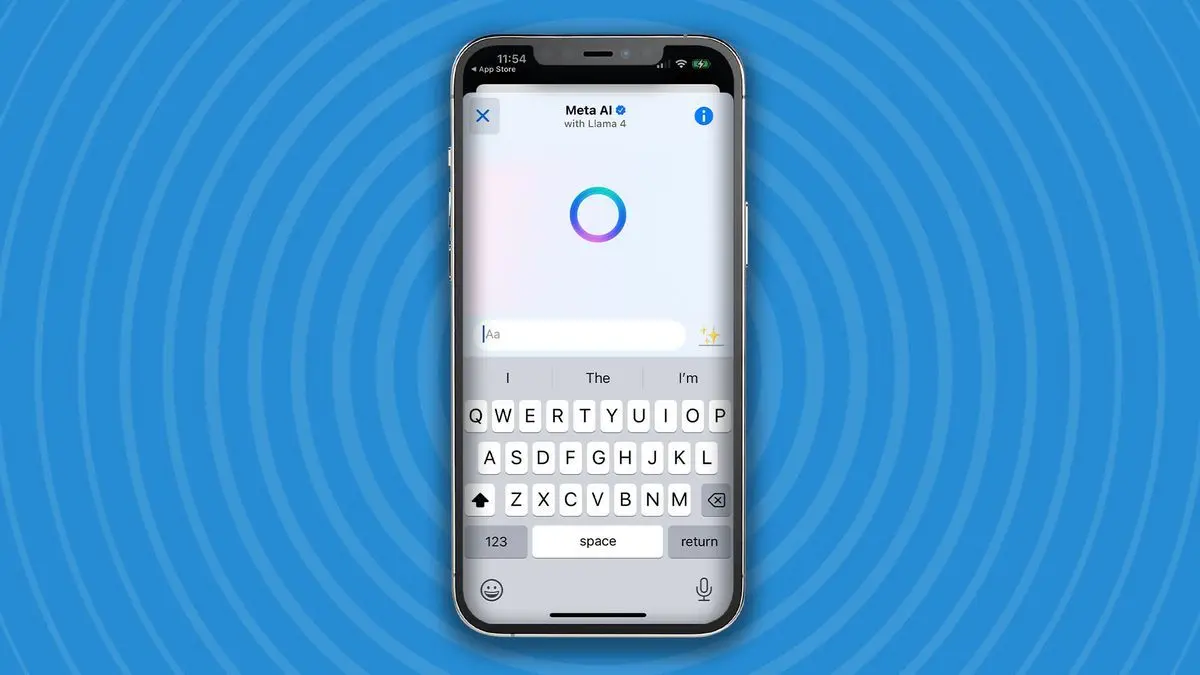
Source: TechRadar
Meanwhile, OpenAI, Anthropic, Google, Microsoft, and xAI have already signed agreements to submit their frontier models to the Commerce Department's Center for A.I. Standards and Innovation (CAISI)
2
4
.The push represents a significant shift in the Trump administration's approach to AI governance, marking an escalation in oversight of the AI industry despite earlier signals favoring a hands-off approach
2
. On June 2, President Trump signed an executive order establishing a framework that asks tech companies to provide the U.S. government up to 30 days to evaluate AI models before their release to the public1
. The Trump administration AI executive order gave the government until the end of July to develop a formal process for these reviews2
. However, questions remain about who will lead these efforts and what standards the models will be held to, creating uncertainty for companies navigating this new regulatory landscape2
.Concern is mounting in Washington over national security risks posed by powerful AI systems, with officials particularly focused on cybersecurity risks and military implications
1
4
. By securing early access to these advanced systems, U.S. officials aim to identify threats ranging from cyberattacks to military misuse before the tools are widely deployed1
.
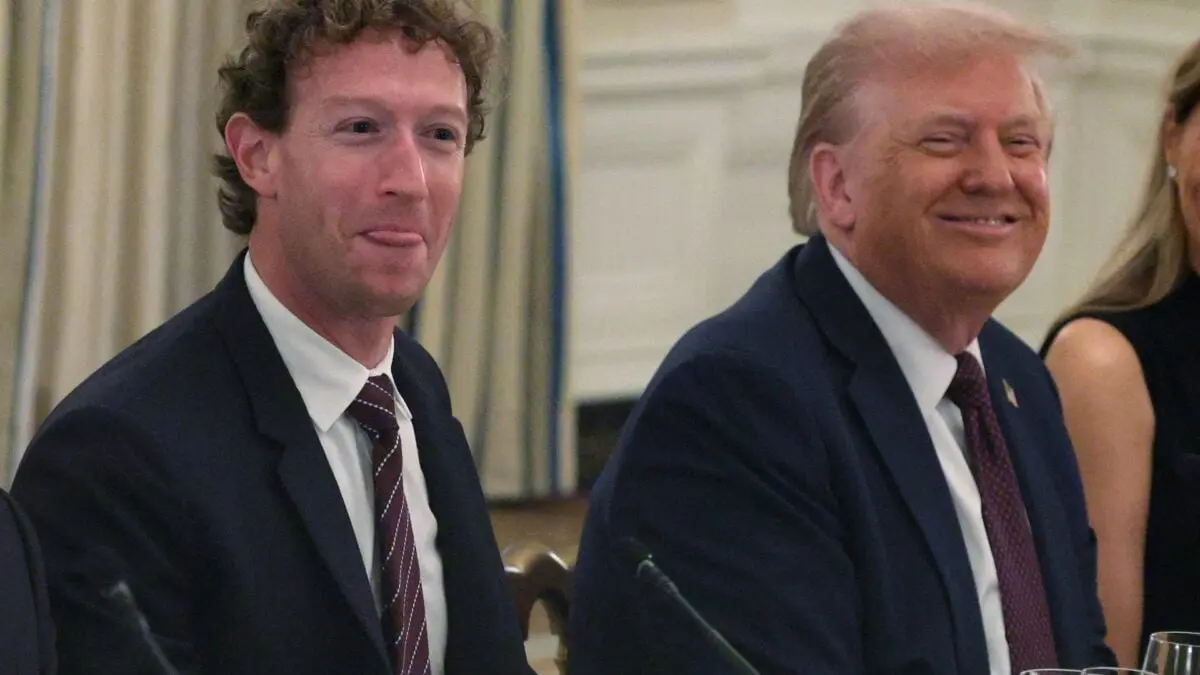
Source: Gizmodo
The Five Eyes intelligence alliance recently declared that AI systems are now more capable than ever at launching highly sophisticated cyberattacks, warning that frontier models are anticipated to exceed current industry expectations
4
. Earlier this month, the U.S. government ordered Anthropic to suspend access to its most advanced AI models for foreign nationals, citing national security concerns1
.Related Stories
Meta spokesperson Francis Brennan stated that the company shares "the administration's goal of advancing U.S. leadership on robust and secure frontier AI," adding that while they are "working through the details," they "hope to sign the agreement soon"
1
3
. Meta's policy team has been negotiating with the Commerce Department about how to proceed, though it remains unclear whether they will reach an agreement2
. Commerce Department spokesman Ben Kass noted that CAISI regularly engages with companies about voluntary agreements, calling this "the very work CAISI is supposed to be doing"2
3
.

Source: NYT
If Meta signs up, virtually all major U.S. frontier AI developers will be participating in the government review process, creating a new standard for the industry
4
. The outcome of these negotiations will signal whether voluntary compliance can work as a model for AI governance, or whether more stringent measures may be needed to address the complex security challenges posed by rapidly advancing AI technology.Summarized by
Navi
18 May 2026•Policy and Regulation

03 Jun 2026•Policy and Regulation

02 Jun 2026•Policy and Regulation

1
Policy and Regulation

2
Policy and Regulation

3
Policy and Regulation