Trump Extends China Tariff Deadline, Eases AI Chip Export Restrictions Amid Ongoing Trade Talks


3 Sources
[1]
Trump extends China tariff deadline by another 90 days
Treasury Secretary Scott Bessent and Chinese Vice Premier He Lifeng during meetings in Stockholm, Sweden, July 28, 2025. U.S. Treasury / AFP - Getty Images The Trump administration agreed to once again delay the deadline when tariffs on Chinese imports would rise as discussions between the two
[2]
Trump extends China truce for 90 days, averting tariff hike
President Donald Trump extended a pause of sky-high tariffs on Chinese goods for another 90 days into early November, stabilizing trade ties between the world's two largest economies. Trump signed an order extending the truce, according to a person familiar with the matter. The pact, which saw the
[3]
President Trump delays new China tariffs for 90 days amid trade talks and Nvidia chip export deal
US President Donald Trump has postponed new tariffs on China for 90 days, pushing the deadline to November 9. This pause maintains current tariff rates from May, amidst ongoing trade discussions. Recent focus on Russia and Ukraine, including tariffs on Indian imports, adds complexity. The pause may
Share
Copy Link
President Trump delays new tariffs on China for 90 days, maintaining current rates amid ongoing trade discussions. The decision comes alongside easing of restrictions on AI chip exports to China and progress in rare earth mineral trade.
Trump Extends China Tariff Deadline
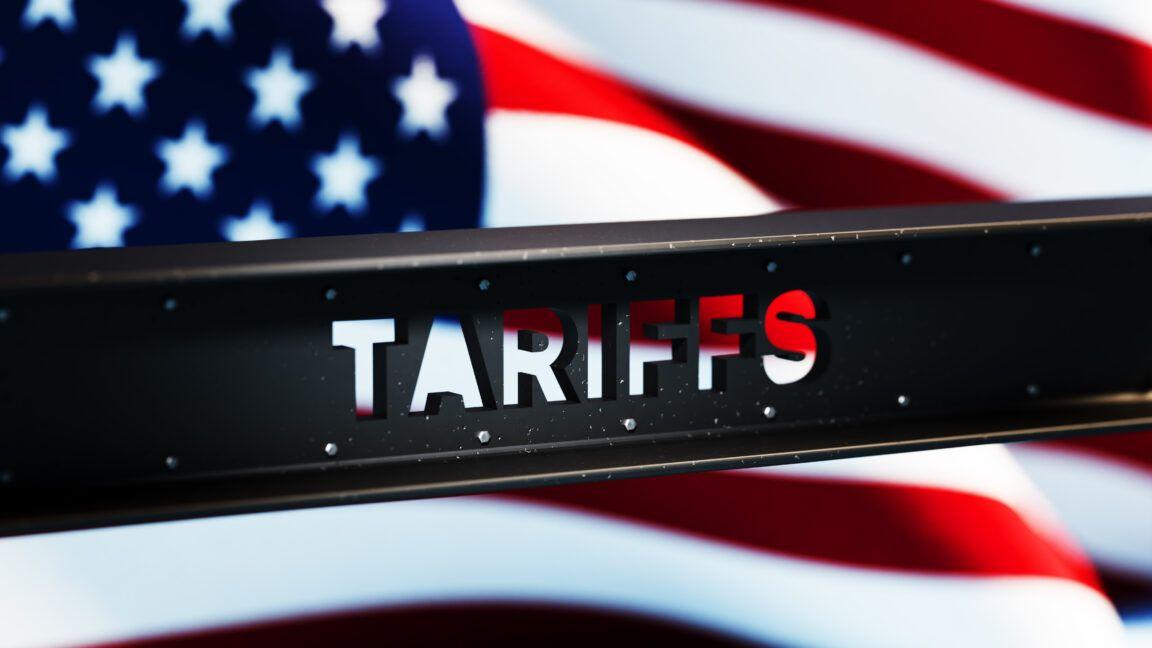
President Donald Trump has signed an executive order extending the deadline for imposing higher tariffs on Chinese imports by 90 days, pushing the new date to November 10, 2025
1
. This decision maintains the current tariff rates established in May, with the U.S. levying a 30% duty on Chinese goods and China imposing a 10% tariff on American products .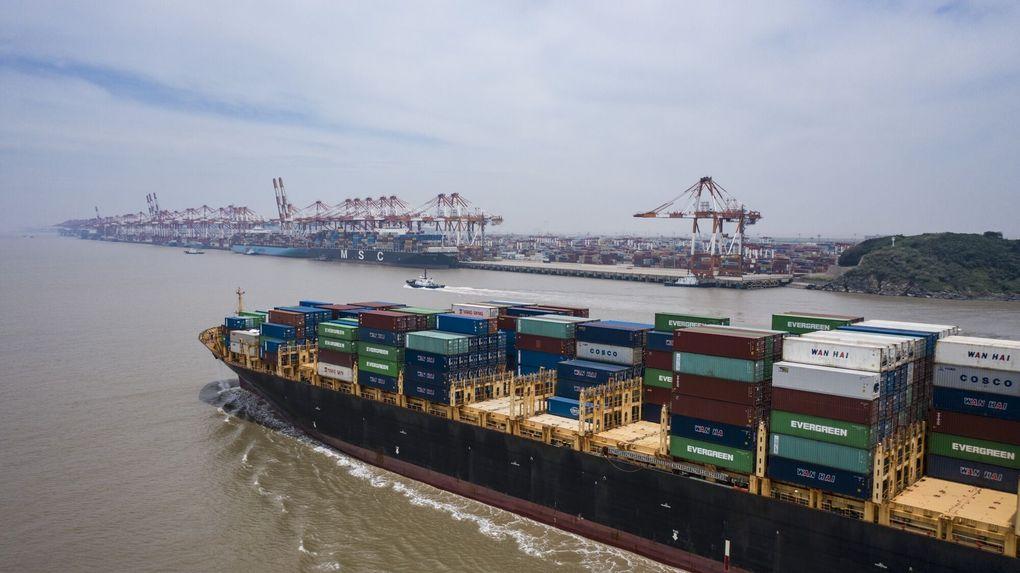
Source: Seattle Times
Ongoing Trade Negotiations
The extension comes after several rounds of high-level talks between U.S. and Chinese officials. Treasury Secretary Scott Bessent and U.S. Trade Representative Jamieson Greer have met with their Chinese counterparts, including Vice Premier He Lifeng, in various locations such as Geneva, London, and Stockholm
1
. These discussions have yielded some progress, with both sides expressing cautious optimism about reaching a comprehensive trade agreement.AI Chip Exports and Rare Earth Minerals
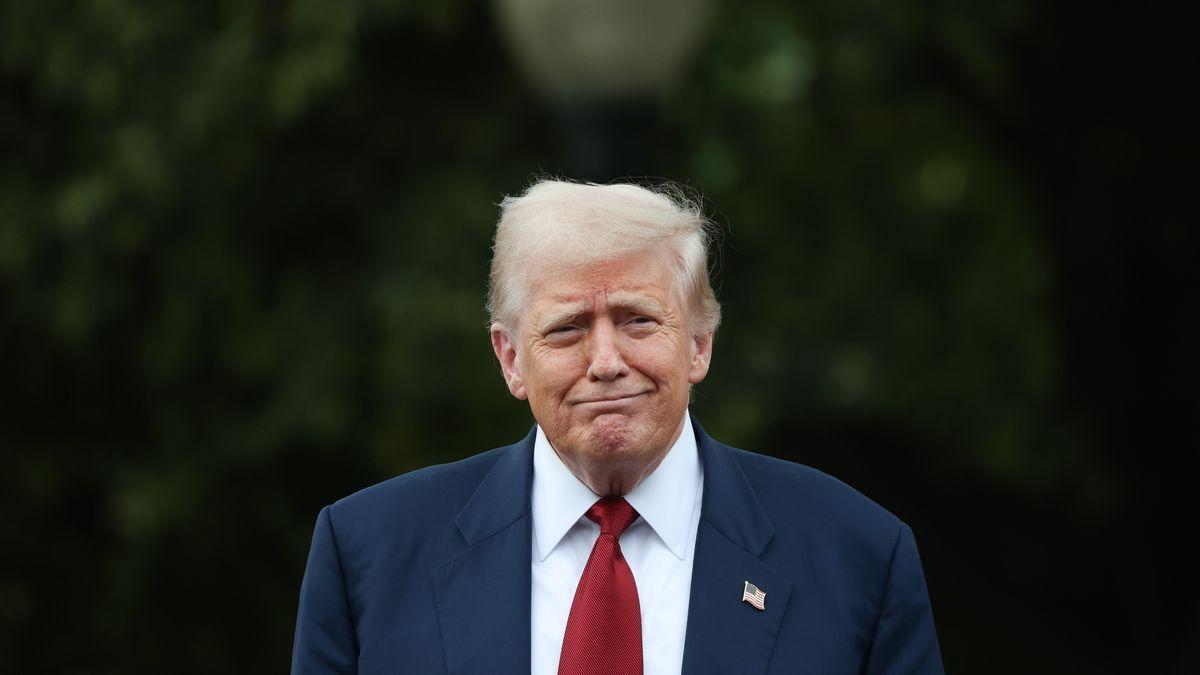
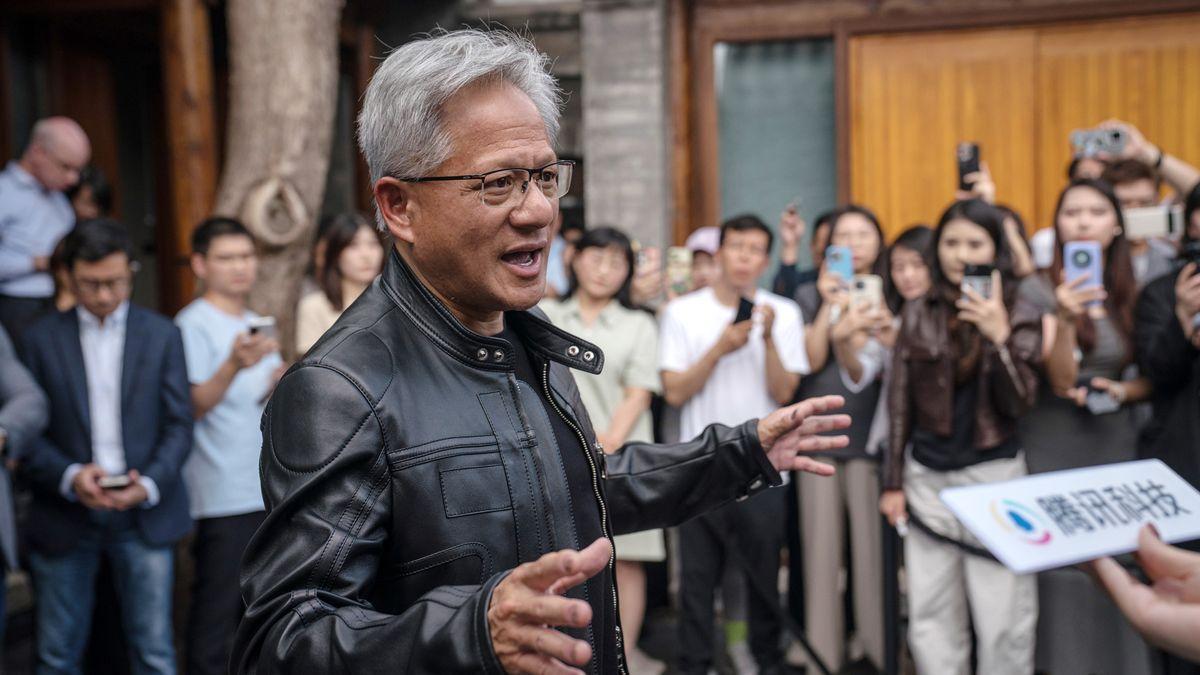
A significant development in the ongoing negotiations has been the easing of restrictions on artificial intelligence (AI) chip exports to China. The Trump administration has authorized Nvidia and AMD to resume selling some of their AI semiconductors to Chinese customers
1
. In return, these companies have agreed to pay 15% of their revenues from certain Chinese AI chip sales to the U.S. government3
.
Source: ET
Simultaneously, China has shown signs of easing its restrictions on rare earth mineral exports, a crucial component in various high-tech industries. U.S. Trade Representative Greer reported that the country had secured commitments regarding the supply of these materials .
Related Stories
Economic Impact and Future Prospects
The extension of the tariff deadline provides temporary relief for businesses and consumers, who have been grappling with increased costs and market uncertainty. However, it also prolongs the period of economic ambiguity as President Trump's tariff regime enters its fifth month
1
.The decision to extend the deadline may pave the way for a potential meeting between President Trump and Chinese President Xi Jinping. There are indications that such a meeting could take place in late October, possibly around the time of an international gathering in South Korea .
Broader Trade Context
It's worth noting that these U.S.-China trade negotiations are occurring alongside other trade-related actions by the Trump administration. Recently, the U.S. imposed a 25% tariff on Indian imports, citing India's purchase of Russian oil
3
. This move underscores the complex global trade landscape that the administration is navigating.As negotiations continue, both sides face the challenge of balancing their economic interests with national security concerns, particularly in critical sectors such as semiconductor technology and rare earth minerals. The outcome of these talks will likely have far-reaching implications for global trade and technological development in the coming years.
References
Summarized by

Navi
[2]
Related Stories
Trump Administration Pauses Tech Export Controls to China, Sparking AI Security Concerns
28 Jul 2025•Policy and Regulation
US imposes 25% tariff on Nvidia and AMD AI chips bound for China, turning restrictions into revenue
15 Jan 2026•Policy and Regulation
US-China Trade Tensions: AI and Chip Exports at the Center of Potential TikTok-for-Tariffs Deal
06 Feb 2025•Business and Economy

Recent Highlights



Recent Highlights
Today's Top Stories



Don’t drown in AI news. We cut through the noise - filtering, ranking and summarizing the most important AI news, breakthroughs and research daily. Follow topics that matter to you and stay ahead.


