White House Rebrands AI as 'Superintelligence' After Tech Leaders Summit


4 Sources
[1]
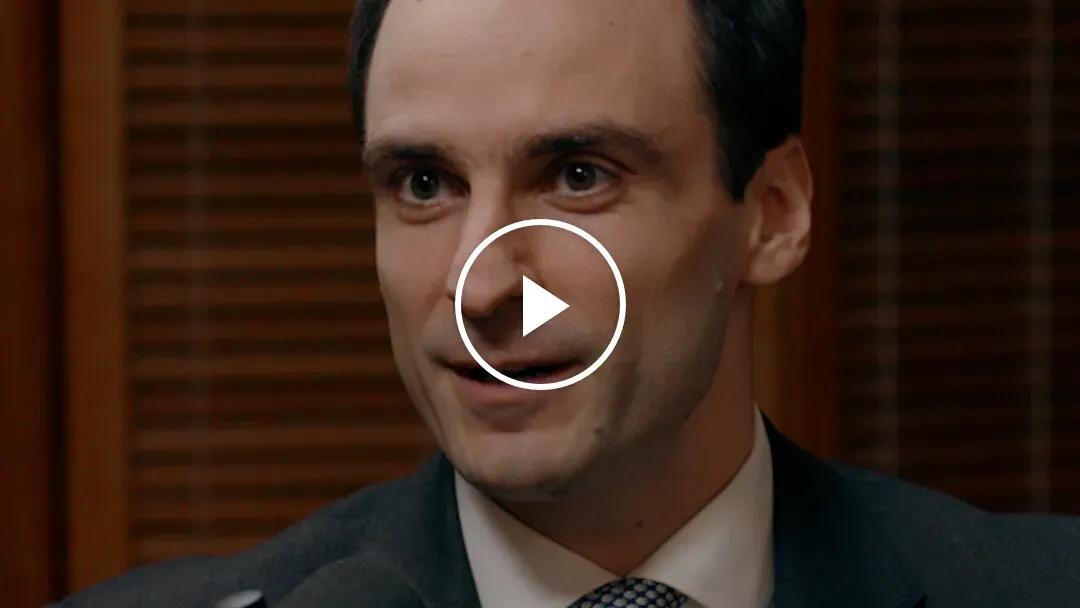
Video: Opinion | Why the White House Won't Say 'A.I.'
Scary, inspiring or just plain weird? The "Interesting Times" guest host Tyler Cowen asks Trump's top science adviser, Michael Kratsios, why the White House is rebranding A.I. as "superintelligence." Well, I think the president has been very public about this -- -- Super as opposed to artificial.
[2]
Video: Opinion | Why the White House Won't Say 'A.I.'
Scary, inspiring or just plain weird? The "Interesting Times" guest host Tyler Cowen asks Trump's top science adviser, Michael Kratsios, why the White House is rebranding A.I. as "superintelligence." Now, you're using the phrase superintelligence. I'm calling it by the older and more traditional
[3]
Why Trump's Rebrand of Artificial Intelligence to Super Intelligent Matters
Litt is a former senior speechwriter for President Barack Obama. Twice a week · Essential insights into the unfolding AI revolution. SIGN UP Yes, I agree to receive promotions and news from Time. Please agree to receive promotions to sign up. Something went wrong. Try again. Thank you for
[4]
Renaming AI doesn't make it any less of a threat to writers like me
I am normally a calm and reasonable person, but I was incensed on Sept. 29, when I watched President Donald Trump brazenly announce that he and "the smartest people on the planet" (the tech bros) had summarily decided to rename artificial intelligence as super intelligence. And later that day, he
Share
Copy Link
Donald Trump's administration officially replaced the term artificial intelligence with superintelligence following a White House summit with tech leaders. Michael Kratsios defended the AI rebranding, claiming artificial means fake while superintelligence reflects real impact. Critics argue the terminology shift obscures accountability and anthropomorphizes AI systems.
White House Announces AI Rebranding to Superintelligence
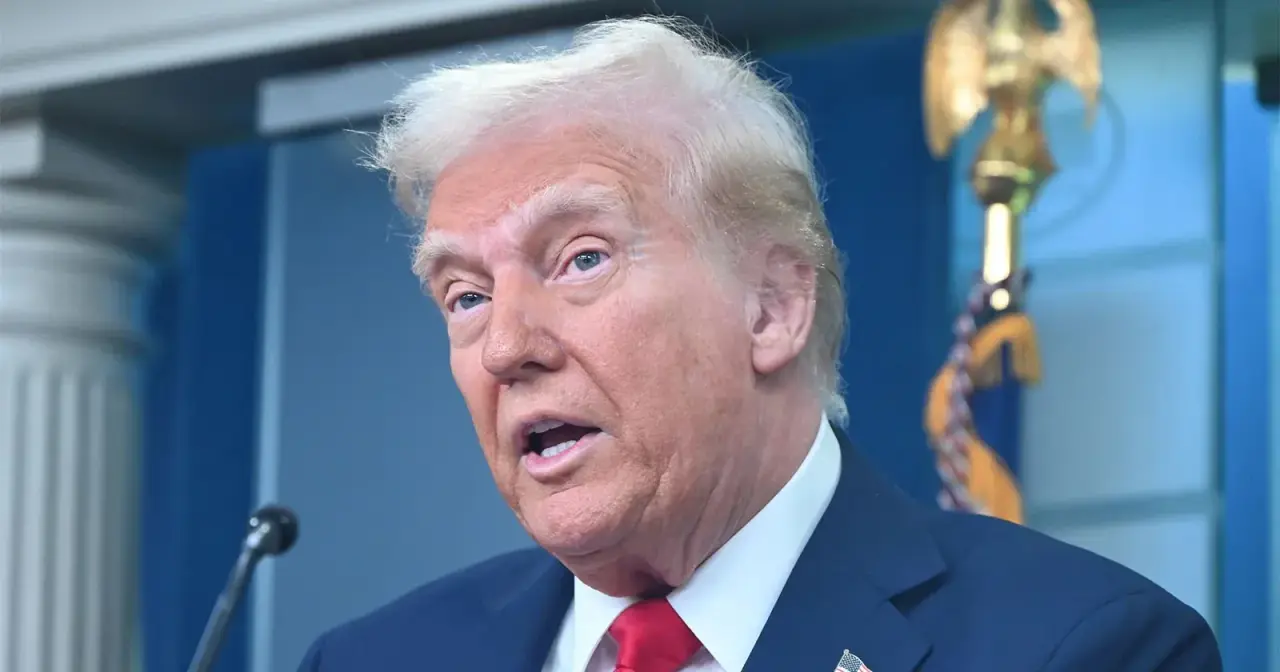
The Trump administration has officially retired the term artificial intelligence in favor of superintelligence, marking a significant shift in AI terminology at the federal level. Michael Kratsios, Trump's top science adviser, defended the decision during an interview, explaining that the word artificial connotes something fake, whereas superintelligence better represents the real impact these technologies have on American lives
1
. The rebrand followed a superintelligence summit where Donald Trump met with tech leaders including Jeff Bezos, Jensen Huang of Nvidia, and Elon Musk, who quickly adopted the new terminology in public communications3
.Despite artificial intelligence being in use for over 70 years, government agencies will no longer recognize the term following Trump's executive order. Kratsios stated there was general consensus among C.E.O.s at the lunch that superintelligence was the right term to use, and several executives have since used it publicly
2
. Musk used superintelligence at least nine times during a SpaceX earnings call, demonstrating how quickly tech leaders aligned with the White House won't say AI approach.Why Trump's Rebrand of Artificial Intelligence Sparks Concern
Critics argue renaming AI to superintelligence goes in entirely the wrong direction. Former Obama speechwriter David Litt contends that our shared language around these technologies already places far too much emphasis on intelligence and far too little on artifice
3
. When questioned whether superintelligence might scare people more than artificial intelligence, Kratsios argued the opposite, claiming people want something real and powerful that can help change their lives for the better rather than something fake or artificial1
.The anthropomorphization of AI systems extends beyond terminology. AI models are described using language reserved for living beings—ChatGPT adjusts thinking effort, Claude displays thinking indicators, and researchers warn that frontier models exhibit behaviors including cheating and sycophancy in contexts where they believe they are not being watched
3
. This language shift proves useful for tech companies facing accountability questions. When companies fail to build safety features into AI models, describing them as rogue agents that deceived or cheated shifts blame away from safety failures in design.Related Stories
Impact on Creative Professions and Copyrighted Works
The AI rebranding comes as creative professionals face mounting threats from AI systems trained on copyrighted works. Author Andrea Bartz filed a claim in Bartz v. Anthropic, a lawsuit against the AI powerhouse for training its Claude AI models on authors' copyrighted works without permission
4
. The settlement fund of $1.5 billion covers 500,000 titles, with individual authors estimated to receive approximately $3,000 per qualifying book—the largest copyright and AI-training settlement in history.Bartz expressed frustration that renaming AI doesn't make it any less of a threat to writers, noting that decades of work researching facts and testing recipes were fed into the cloud for robots to ingest and regurgitate as superintelligence
4
. Public perception of these technologies continues shifting as major publishers issue guidance. Penguin Random House released Best Practices for Using AI, emphasizing use AI as a tool, not as a creator—a reminder that seemed both obvious and ominous to professional writers navigating this landscape.Watch how tech companies and government agencies adopt this terminology shift. The rebrand's success among tech leaders reliant on government contracts and favorable regulatory decisions suggests strategic motivations beyond simple clarity in communication.
References
Summarized by

Navi
[4]
Related Stories
Trump Orders Federal Agencies to Replace 'AI' with 'Super Intelligence' as Tech Leaders Comply
01 Oct 2026•Policy and Regulation
Trump Declares Anyone Using 'Artificial Intelligence' Term 'The Enemy' in Super Intelligence Rebrand
08 Oct 2026•Policy and Regulation

Trump Orders US Government to Replace 'Artificial Intelligence' with 'Super Intelligence'
23 Sept 2026•Policy and Regulation
Recent Highlights



Recent Highlights
Today's Top Stories







Don’t drown in AI news. We cut through the noise - filtering, ranking and summarizing the most important AI news, breakthroughs and research daily. Follow topics that matter to you and stay ahead.


