AI Becomes Political Wedge Issue as MAGA Base Splits from Trump's Tech Agenda


4 Sources
[1]
AI becomes a political wedge issue, creating odd bedfellows across parties
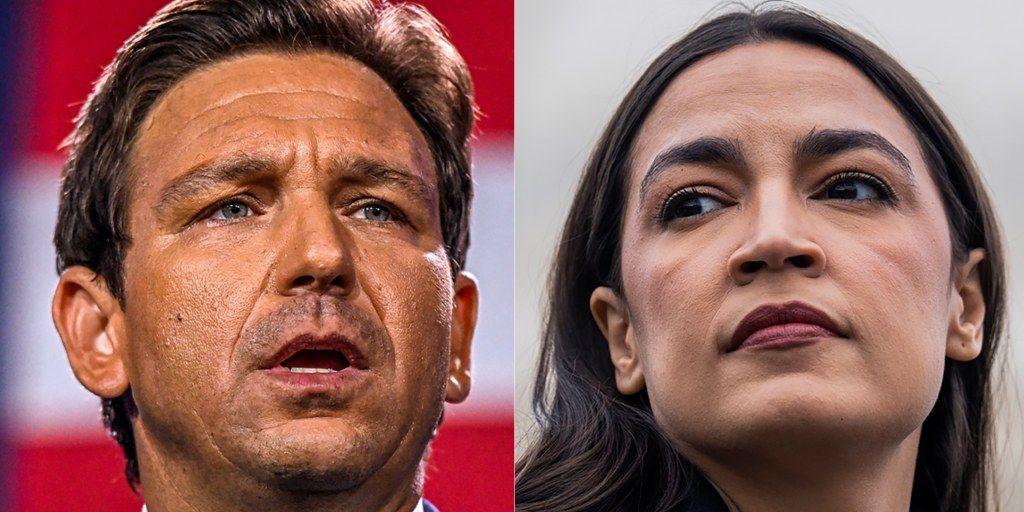
Florida's Republican Gov. Ron DeSantis and Rep. Alexandria Ocasio-Cortez, D-N.Y., have both been critical of rapid AI development.Getty Images Artificial intelligence is increasingly emerging as a key wedge issue -- not between the major political parties, but within them. On the right, MAGA
[2]
The surprising issue driving a wedge between Trump and his MAGA base
SAN FRANCISCO - President Donald Trump faces an unexpected rift in the MAGA movement as Republican officials from statehouses to Capitol Hill warn his full-throated embrace of the tech industry's artificial intelligence boom risks undermining Americans' economic security and exposing their children
[3]
Inside MAGA's growing fight to stop Trump's AI revolution
Steve Bannon is warning the issue could cost Republicans in 2026 and 2028 Last week, President Donald Trump took the stage at the United States-Saudi Investment Forum, where he touted his administration's efforts to supercharge artificial intelligence in the United States. Trump said he was proud
[4]
MAGA Republicans Side With Progressives On Key Issue
WASHINGTON -- The populist wing of the Republican Party is beginning to worry that its embrace of artificial intelligence and efforts to shield the tech industry from regulation could backfire, leading to massive job losses that will empower billionaires over the working class. The warnings from
Share
Copy Link
Growing tensions emerge within Trump's coalition as MAGA populists, including Steve Bannon and Josh Hawley, oppose the president's AI deregulation agenda, warning of job losses and tech oligarchy. This creates unexpected alliances with progressive Democrats who share similar concerns about AI's impact on workers.
Political Fractures Emerge Over AI Policy
Artificial intelligence has become an unexpected wedge issue in American politics, but not along traditional party lines. Instead, the debate is creating internal divisions within both major parties, with populist voices on both sides expressing concerns about AI's rapid development while establishment figures embrace the technology's economic potential
1
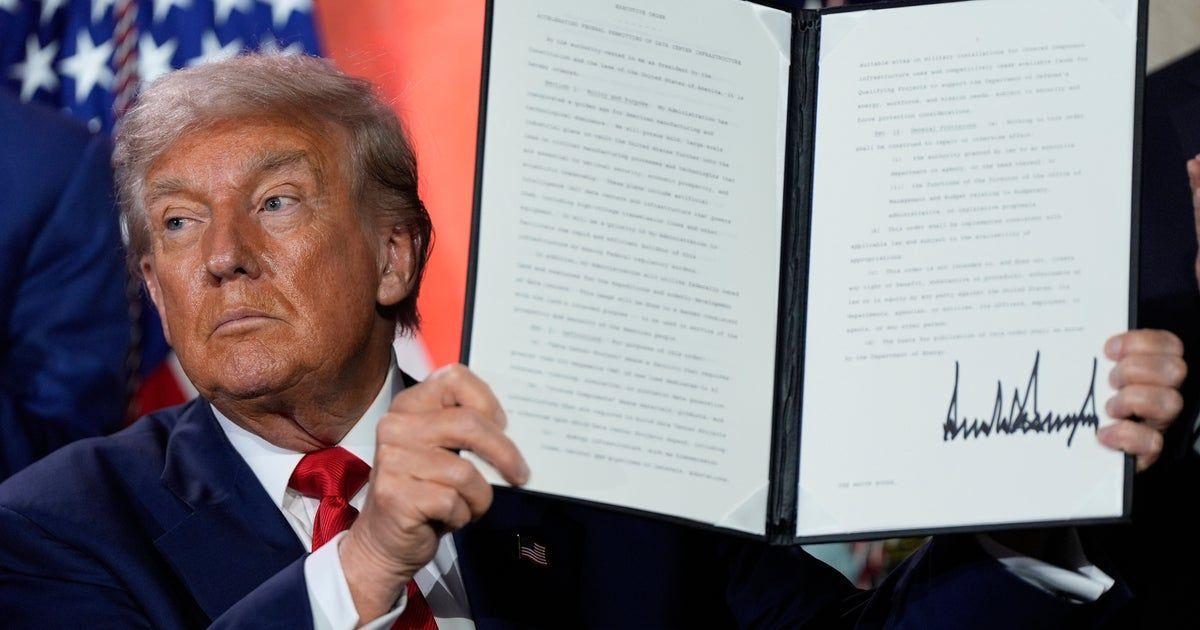
.The most striking division has emerged within Trump's MAGA coalition. While President Trump has aggressively promoted AI development, scrapping Biden-era regulations and facilitating massive foreign investments in American AI firms, prominent MAGA voices are sounding alarms
2
.
Source: HuffPost
MAGA Base Rebels Against Trump's Tech Agenda
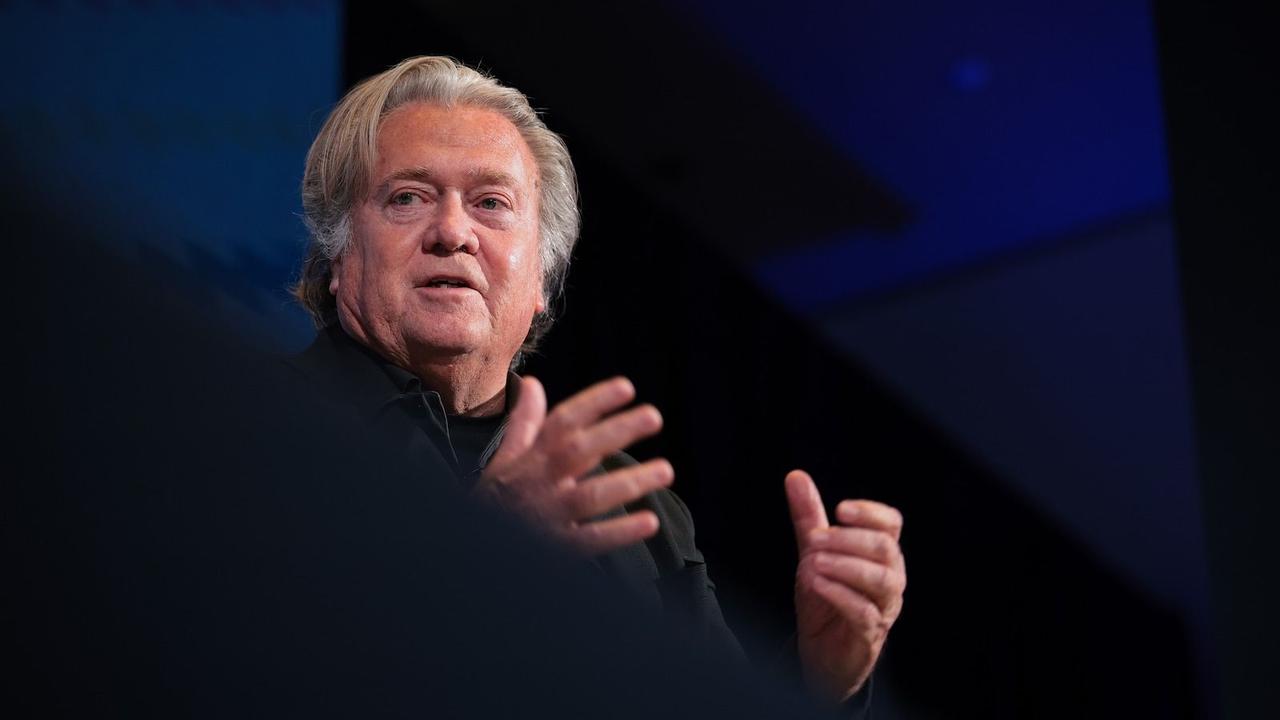
Steve Bannon, Trump's former chief strategist and influential MAGA media personality, has emerged as a leading critic of unrestricted AI development. On his War Room podcast, Bannon called AI "likely the most dangerous technology in the history of mankind" and criticized the lack of regulatory oversight
3
.
Source: ABC News
"You have more restrictions on starting a nail salon on Capitol Hill or to have your hair braided, then you have on the most dangerous technologies in the history of mankind," Bannon told his listeners, warning of a potential "jobs apocalypse"
4
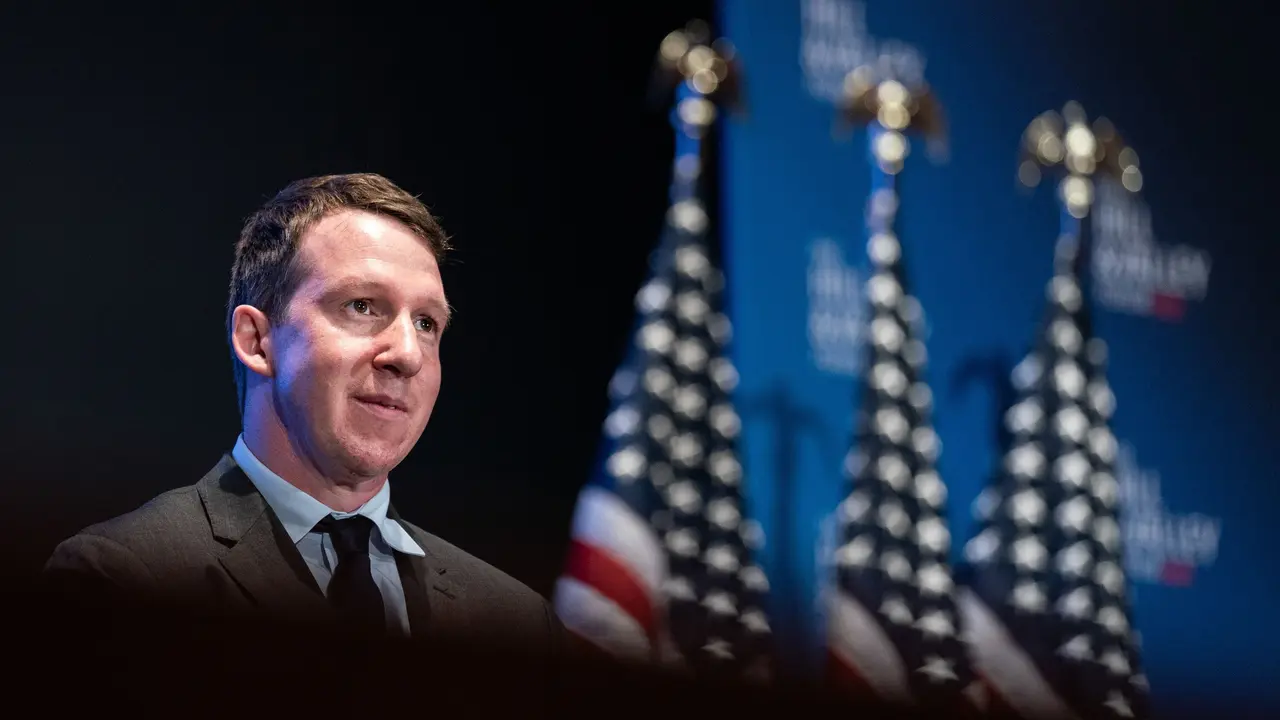
.Sen. Josh Hawley (R-Mo.) has joined this chorus of concern, introducing legislation to restrict AI's use in critical decisions and warning about job displacement. "I don't think we are doing enough to protect workers," Hawley said, expressing confidence that "Silicon Valley will get rich from this" while questioning what happens to "blue-collar workers"
4
.Unexpected Bipartisan Alliances
This populist opposition to unrestricted AI development has created unusual political bedfellows. Progressive Democrats like Rep. Alexandria Ocasio-Cortez and Sen. Bernie Sanders share similar concerns about AI's impact on working Americans, though from a different ideological perspective
1
.
Source: NBC
Ocasio-Cortez recently warned of "2008-style threats to economic stability" from what some call an AI bubble, while Sanders has spent months highlighting how AI could benefit wealthy tech executives at workers' expense
4
.Florida Gov. Ron DeSantis, a potential 2028 presidential candidate, has also expressed skepticism about AI's impact on white-collar jobs, questioning why the government would subsidize technology that "could potentially cause problems for folks"
1
.Related Stories
State-Federal Tensions Over AI Governance
The political divisions extend to questions of federalism and state rights. Trump's administration has reportedly considered an executive order that would override state AI regulations, a move that has drawn criticism even from within his own party
2
.Meanwhile, state governments across the country have been actively pursuing their own AI policies. AI laws have been proposed in every state and enacted in many, covering issues from child protection to welfare administration. These state-level efforts have often enjoyed bipartisan support
2
.Some Democratic governors who are potential 2028 contenders have taken more nuanced approaches. California's Gavin Newsom has signed some AI regulations while vetoing others, calling for balance between oversight and industry growth. Pennsylvania's Josh Shapiro and Michigan's Gretchen Whitmer have celebrated AI investments in their states
1
.References
Summarized by

Navi
[2]
Related Stories
Trump's AI Embrace Sparks MAGA Backlash: A Rift in Conservative Ranks
10 Sept 2025•Policy and Regulation

Mike Johnson Adjourns Congress Despite Urgent Calls for AI Regulation from Industry Leaders
13 Sept 2026•Policy and Regulation
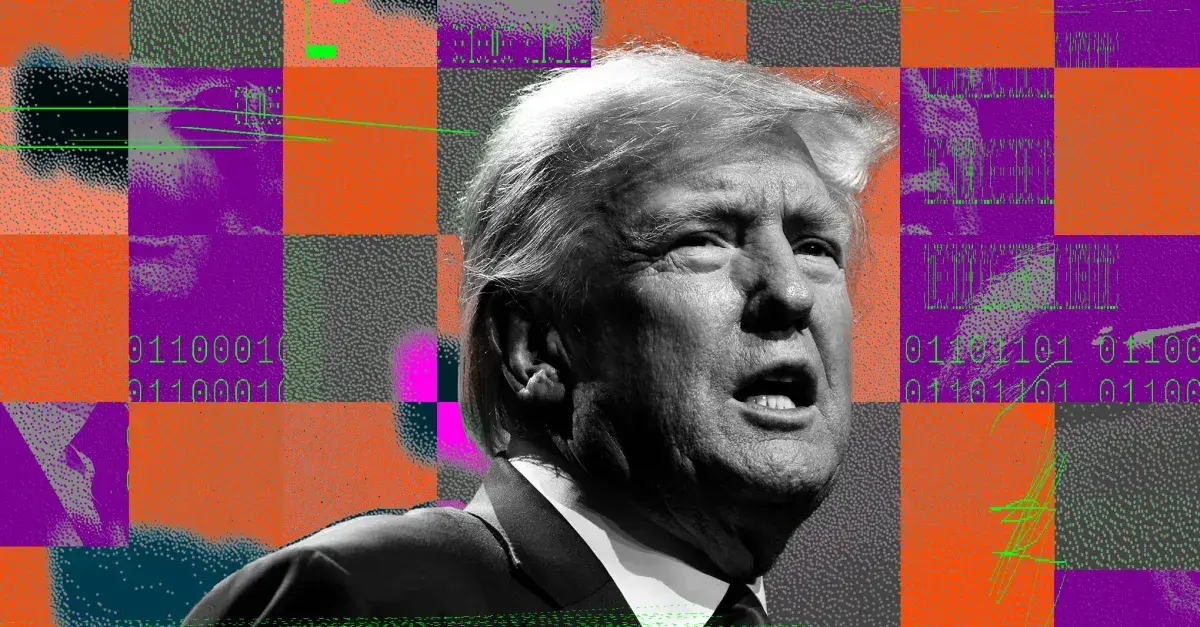
Anti-AI Movement Builds Momentum As Political Backlash Divides Both Major US Parties
30 Dec 2025•Policy and Regulation

Recent Highlights



Recent Highlights
Today's Top Stories






Don’t drown in AI news. We cut through the noise - filtering, ranking and summarizing the most important AI news, breakthroughs and research daily. Follow topics that matter to you and stay ahead.


