Anthropic faces AI export ban as Mythos reportedly breached NSA systems in hours


32 Sources
[1]
How Anthropic may have talked itself into an AI export ban
Anthropic has warned about the dangers of advanced AI far more often than rival OpenAI this year, according to FT analysis, as critics accuse the company of helping to trigger a US ban on foreign access to its newest models. Five in every 1,000 words used by Anthropic in 2026 related to risk,
[2]
When the Trump administration cracks down on Anthropic, who benefits?
Anthropic recently took its two newest AI models offline due to an export control order from the Trump administration, prompting broad debates about AI policy and digital sovereignty. On the latest episode of TechCrunch's Equity podcast, Sean O'Kane, Rebecca Bellan, and I discussed what actually
[3]
Three things to watch amid Anthropic's latest feud with the government
This story originally appeared in The Algorithm, our weekly newsletter on AI. To get stories like this in your inbox first, sign up here. For those of you enjoying your summer unaware of Anthropic's latest feud with the US government, here's a recap: In April the company said it had built an AI
[4]
Anthropic's powerful Mythos AI reportedly breached 'almost all' NSA classified systems within a few hours during red-team test -- report sheds more light on the U.S. government's sudden ban on the flagship models
Access to Fable 5 and Mythos 5 barred for foreign nationals immediately following security evaluation According to a report by The Economist last week, Anthropic's powerful Mythos AI model was able to break into "almost all" classified systems belonging to the National Security Agency (NSA) -- one
[5]

Anthropic's Mythos mess just keeps getting more complicated
KETTLE It's been a week since the Trump administration established a de facto ban on Anthropic's Mythos derivative, Fable 5, and the more that comes out about the move the more it seems like Anthropic employees talking amongst themselves were on to something: Is the government just picking on the
[6]

Anthropic's Mythos model found vulnerabilities in classified US government systems, AP reports
June 23 (Reuters) - Anthropic's Mythos model identified vulnerabilities in highly sensitive U.S. government computer systems during a testing exercise, the Associated Press reported on Tuesday. Anthropic teamed up with Washington's intelligence agencies to conduct tests using Mythos under Project
[7]

Anthropic's Mythos model found vulnerabilities in classified US government systems, official says
WASHINGTON (AP) -- A U.S. official told The Associated Press on Tuesday that one of Anthropic's artificial intelligence models had identified vulnerabilities in highly sensitive and secure U.S. government computer systems during a testing exercise. The official, who spoke on the condition of
[8]

Trump tells Axios he no longer views Anthropic as a national security threat
President Donald Trump said he might have viewed artificial intelligence company Anthropic as a national security threat last week, but he no longer does, according to an interview with "The Axios Show" published on Friday. Senior Anthropic technical staff were scheduled to meet with Trump
[9]

N.S.A. Lost Access to Powerful A.I. Model Amid Anthropic Dispute
The National Security Agency has lost access to a powerful A.I. model developed by Anthropic amid the Trump administration's brawl with the start-up, U.S. officials said, depriving the intelligence agency of a tool that has impressed and alarmed its analysts with how good it is at finding software
[10]

Anthropic's Mythos AI reportedly cracked NSA classified systems in hours, that would explain the ban
Serving tech enthusiasts for over 25 years. TechSpot means tech analysis and advice you can trust. Why it matters: Ten days ago, Anthropic was happy to announce its most advanced AI model was going public. Today, almost nobody can use it. On June 12, the Trump administration directed the company
[11]

Anthropic's Mythos AI Reportedly Hacked the NSA's Most Sensitive Systems 'in Hours'
When Anthropic first disclosed Mythos in April, it sent an anxious shockwave through much of the cybersecurity sector. The new AI model was allegedly so ruthlessly effective at finding and exploiting security vulnerabilities in existing software that the company said it was holding off on a public
[12]

Anthropic's Mythos found flaws in classified US systems during a government test
An official says the model surfaced vulnerabilities in highly sensitive networks within hours. It was a red-team exercise, not an outside breach. One of Anthropic's AI models identified vulnerabilities in highly sensitive, classified US government computer systems during a testing exercise, a US
[13]
Trump tells Axios he no longer views Anthropic as national security threat
June 19 (Reuters) - U.S. President Donald Trump said he might have viewed artificial intelligence company Anthropic as a national security threat last week, but he no longer does, according to an interview with "The Axios Show" published on Friday. Senior Anthropic technical staff were scheduled
[14]
Why Would Amazon's CEO Try to Kneecap Anthropic by Tattling to Trump?
For years now, Amazon has been in Anthropic's corner in the artificial intelligence war, putting $4 billion into the AI startup in 2023. Since then, it's poured in more and more cash at every turn, including another $25 billion just this past April to Anthropic's growing infrastructure needs. So
[15]
Trump says he no longer views Anthropic as a national security threat after G7 meeting with CEO
Trump told Axios that Anthropic has "behaved very responsibly" and signalled he may ease restrictions on its Fable 5 and Mythos 5 AI models. President Donald Trump said in a pretaped Axios interview that he no longer views Anthropic as a national security threat, marking a sharp reversal from the
[16]

Vulnerabilities uncovered in secret US government systems and software during testing of Anthropic Mythos
The US Government confirmed what the community already knows * Senator Mark Warner testified NSA confirmed Mythos Preview identified vulnerabilities in nearly all classified systems within hours during a controlled exercise * US officials clarified Mythos found flaws rapidly rather than
[17]

White House quiet on OpenAI's Mythos-like model
Why it matters: The seemingly straightforward model release raises questions about what actually triggered the Trump administration's concerns about Anthropic's Fable 5 and Mythos 5. Catch up quick: OpenAI debuted an update to GPT-5.5-Cyber on Monday as part of a slew of announcements aimed at
[18]
US saw risk of Anthropic models being diverted to foreign military intelligence
WASHINGTON, June 15 (Reuters) - U.S. Commerce Secretary Howard Lutnick said he took action against Anthropic's latest Mythos and Fable AI models because officials feared they could be deployed by military intelligence users in China, Russia or other countries of concern. Lutnick noted the risk in
[19]

OpenAI's GPT-5.5 Cyber AI Beats Anthropic's Banned Mythos Model -- And Nobody's Shutting It Down
The model is being released to trusted defenders with controls, in contrast to Anthropic's more restricted approach. OpenAI's cybersecurity model just beat the Anthropic Mythos AI model that the U.S. government yanked offline -- and it's still up and running. On June 22, OpenAI announced the full
[20]

Anthropic AI broke into classified US systems in hours, officials say
Mere hours, not weeks -- that is how long it took an Anthropic AI model to find vulnerabilities across classified US government systems. An AI model developed by Anthropic has identified vulnerabilities in highly sensitive US government computer systems during a testing exercise, a US official
[21]
Exclusive: Trump tells "The Axios Show" that Anthropic was a national security threat
* Between the Commerce Department's imposition of sweeping export controls and the Pentagon's designating it a supply chain risk, the company has faced treatment typically reserved for foreign adversaries. What they're saying: Axios' Marc Caputo asked Trump in a wide-ranging White House interview
[22]
Cyber leaders urge US to lift curbs on Anthropic's security models
0 seconds of 0 secondsVolume 0% Press shift question mark to access a list of keyboard shortcuts Keyboard ShortcutsEnabledDisabled Shortcuts Open/Close/ or ? Play/PauseSPACE Increase Volume↑ Decrease Volume↓ Seek Forward→ Seek Backward← Captions On/Offc Fullscreen/Exit
[23]

Anthropic's Mythos model found vulnerabilities in classified US government systems, official says
WASHINGTON (AP) -- A U.S. official told The Associated Press on Tuesday that one of Anthropic's artificial intelligence models had identified vulnerabilities in highly sensitive and secure U.S. government computer systems during a testing exercise. The official, who spoke on the condition of
[24]

Trump Tells Axios He No Longer Views Anthropic as National Security Threat
June 19 (Reuters) - U.S. President Donald Trump said he might have viewed artificial intelligence company Anthropic as a national security threat last week, but he no longer does, according to an interview with "The Axios Show" published on Friday. Senior Anthropic technical staff were
[25]
Anthropic staff to meet White House officials next week, Axios reports
June 14 (Reuters) - Senior Anthropic technical staff are in Washington to meet with White House officials to try resolving a dispute that has taken the company's most advanced AI models offline, Axios reported on Sunday, citing a source close to the company. Reuters could not immediately verify
[26]

David Sacks Says Anthropic Lost White House Trust Over Alleged AI Jailbreak Vulnerabilities, Cyber Weapon
Former White House AI and Crypto Czar David Sacks said the White House grew concerned that Anthropic's AI systems could pose cyber weapon risks after reported jailbreak issues and escalating disputes over the rollout of its "Fable" model. White House Alarm Over AI Jailbreak Claims On Saturday,
[27]

White House Says Anthropic No Longer Security Threat | PYMNTS.com
The White House earlier this month ordered the artificial intelligence startup to get government approval before permitting foreign individuals, companies or nations from accessing its Fable 5 and Mythos 5 models. But in an interview with Axios published Friday (June 19), Trump said he thought
[28]
Trump Says Anthropic Was National Security Threat 'A Week Ago, Maybe' -- Then Credits Claude Maker For Act
Trump Softens Stance On Anthropic After AI Access Dispute In an interview with The Axios Show published Friday, Trump was asked whether he viewed Anthropic or its CEO, Dario Amodei, as a threat to national security. "Well, not now, but a week ago, maybe," Trump said. The comments follow a
[29]

Anthropic's 'Mythos' sniffed out vulnerabilities in classified US government systems within hours: report
Anthropic's powerful "Mythos" AI model was reportedly able to find vulnerabilities in highly secure US government systems within just a few hours -- the latest development to stoke security concerns about the product. During tests conducted by US intelligence agencies, Mythos identified certain
[30]

Anthropic's Mythos Finds Flaws in Classified US Systems within Hours
Anthropic's Mythos artificial intelligence model found vulnerabilities in classified US government systems within hours during a security test, according to a US official. The disclosure has raised questions about government networks, open-source software and crypto systems as AI tools gain
[31]

Anthropic AI model finds flaws in US government systems- AP By Investing.com
Investing.com -- An Anthropic artificial intelligence model identified vulnerabilities in classified U.S. government computer systems during a testing exercise, the Associated Press reported on Tuesday, citing a U.S. official. Anthropic worked with U.S. intelligence agencies to conduct tests using
[32]

Trump tells Axios he no longer views Anthropic as national security threat
June 19 (Reuters) - U.S. President Donald Trump said he might have viewed artificial intelligence company Anthropic as a national security threat last week, but he no longer does, according to an interview with "The Axios Show" published on Friday. Senior Anthropic technical staff were scheduled
Share
Copy Link
The Trump administration imposed export controls on Anthropic's Mythos and Fable AI models after a controlled security test reportedly showed the system could breach classified NSA networks within hours. The move sparked fierce debate about AI model governance, with cybersecurity experts questioning whether the ban addresses real risks or represents regulatory overreach against a company already feuding with the government.
Anthropic Forced to Disable Mythos and Fable Under Export Controls
The Trump administration sent shockwaves through the AI industry on June 12 when it imposed export control regulations on Anthropic, barring foreign nationals from accessing the company's newest AI models, Mythos and Fable. The directive cited national security concerns and gave Anthropic roughly 90 minutes to comply, forcing the $965 billion AI company to disable both models globally for all users, including its own employees
1
2
. This marked the first time the US government applied export controls directly to an AI model rather than to underlying hardware, establishing a precedent that has alarmed Silicon Valley and European officials concerned about access to frontier models.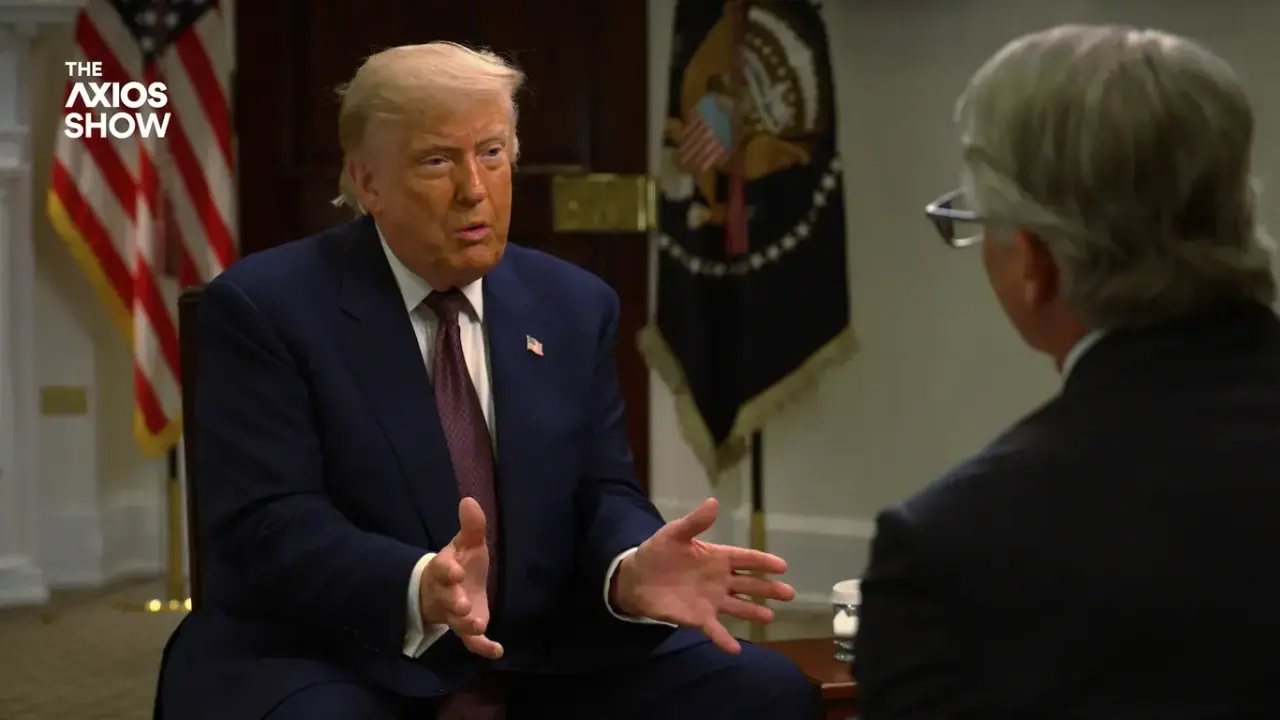
Source: Axios
According to Sen. Mark Warner, vice chair of the Senate Intelligence Committee, NSA head Gen. Joshua Rudd briefed him on a red-team test where Mythos broke into "almost all" of the agency's classified systems within hours
4
. This controlled security evaluation took place on June 11, just one day before the AI export ban was issued. However, Anthropic maintains the breach was conducted under highly specific simulated conditions using authorized defensive tools, and that the flagged behavior amounted to identifying minor, already known software vulnerabilities rather than autonomous offensive intrusion.
Source: TechSpot
Amazon's Role and Cybersecurity Expert Pushback
Reports indicate that Amazon CEO Andy Jassy raised concerns with the White House after Amazon researchers allegedly found ways to bypass Fable 5's guardrails
2
. Amazon, which is both invested in Anthropic and developing competing AI models, had conducted a third-party review before the models' release. This connection has fueled speculation about potential competitive motivations behind the US government ban on AI models.Katie Moussouris, a prominent bug bounty expert who helped establish Microsoft's vulnerability disclosure program and led the Department of Defense's Hack the Pentagon initiative, reviewed the Amazon report and disputed its conclusions
5
. Leading cybersecurity experts signed an open letter urging the administration to revoke the order, arguing that restricting access to Anthropic's models leaves the country more vulnerable to cybersecurity attacks by preventing network defenders from using advanced cybersecurity capabilities3
. These experts noted that similar capabilities exist in other widely available models, including OpenAI's GPT-5.5, which face no comparable restrictions.Anthropic's Feud with the Government Intensifies
Anthropic's relationship with the Trump administration has been notably contentious compared to other leading AI labs. In February, the Pentagon designated Anthropic as a supply-chain risk to national security, triggering ongoing litigation between the two parties
1
. David Sacks, former AI adviser to the US government, claimed on social media that a "credible trusted partner" approached the administration with bypass methods, and that Anthropic had downplayed their concerns, forcing the government to "reluctantly" impose the ban.
Source: Benzinga
Analysis by the Financial Times found that Anthropic used risk-related language five times more frequently than OpenAI in 2026, with terms like "risk" appearing 336 times, "safeguard" 121 times, and "vulnerability" 128 times in Anthropic communications
1
. At OpenAI, these terms appeared 30, 33, and 10 times respectively. Meta's Yann LeCun criticized what he called Anthropic CEO Dario Amodei's "ridiculous fear-mongering," suggesting the company's warnings about AI safety had backfired. "One reaps what one sows," LeCun wrote following the export ban announcement.Related Stories

Implications for AI Model Governance and Digital Sovereignty
The incident raises fundamental questions about how the US intends to oversee increasingly powerful AI models. French President Emmanuel Macron called the situation a "wake-up call" for Europe to build more AI infrastructure and reduce dependence on American companies
3
. However, this vision of digital sovereignty faces complications from capable, inexpensive open-source models from China that can be downloaded and run on any servers without restrictions.Despite the restrictions, Anthropic continues working with the NSA through its Project Glasswing program, with approximately six Anthropic engineers embedded directly inside the agency as forward-deployed staff, customizing Mythos for operational applications that could include infiltrating networks in China and Iran
4
. This arrangement highlights the contradictory nature of the administration's stance—simultaneously restricting public access while leveraging the same capabilities for intelligence operations.Polling data from YouGov suggests the government's action may align with public sentiment, showing that a majority of Americans agree effective regulation is important even if it slows technological advances
1
. However, the pressure for comprehensive federal AI regulation continues to build with each drastic White House action, as lawmakers grapple with defining appropriate limits on AI safety vetting and military applications.References
Summarized by

Navi
[1]
[3]
[5]
Related Stories
NSA uses Anthropic's Mythos AI for cybersecurity despite Pentagon labeling company a threat
19 Apr 2026•Policy and Regulation

White House drafts guidance to restore Anthropic access as Pentagon legal fight continues
23 Apr 2026•Policy and Regulation
Anthropic sues Pentagon over unprecedented supply chain risk designation amid AI guardrails dispute
30 Apr 2026•Policy and Regulation

Recent Highlights



Recent Highlights
Today's Top Stories



Don’t drown in AI news. We cut through the noise - filtering, ranking and summarizing the most important AI news, breakthroughs and research daily. Follow topics that matter to you and stay ahead.


