Trump won't create an AI regulator, departing adviser Sriram Krishnan says amid rising backlash


3 Sources
[1]
Trump will never back a US AI regulator, says outgoing tech adviser
Donald Trump will not establish a formal licensing regime for AI, the president's departing AI adviser has said, even as the White House wields emergency powers to stall the most advanced models. "There will not be an FDA for AI," Sriram Krishnan told the FT in his first in-depth interview since
[2]
Trump Won't Create AI Regulator, Says Former White House Adviser Sriram Krishnan Amid Data Center Backlas
Former Senior White House Policy Advisor on Artificial Intelligence Sriram Krishnan said the White House will not create a centralized AI licensing body akin to the Food and Drug Administration. Krishnan Rules Out AI Licensing "This administration... has been against burdensome, onerous,
[3]
White House Adviser Says Trump Won't Create 'FDA for AI' | PYMNTS.com
"There will not be an FDA for AI," Sriram Krishnan said in an interview with the Financial Times (FT) Friday (July 3), in reference to the Food and Drug Administration. "This administration, [the] president, from day one has been against burdensome, onerous, bureaucratic red tape. We are not in
Share
Copy Link
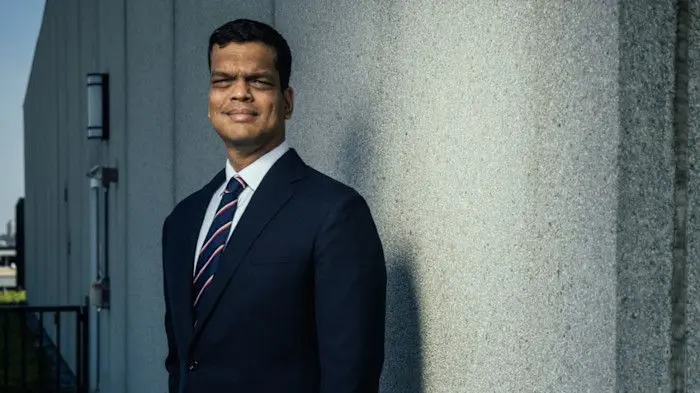
Sriram Krishnan, Trump's departing AI adviser, firmly rules out creating an FDA for AI, calling centralized licensing "sand in the gears" of innovation. His stance comes as public backlash against AI intensifies, with 75 data center projects worth $130 billion disrupted by local opposition in early 2026, even as the White House uses emergency powers to halt advanced models from Anthropic and OpenAI.
Sriram Krishnan Rules Out Formal AI Regulation
The Trump administration will not establish a centralized AI regulator, according to Sriram Krishnan, the president's departing AI adviser who spoke to the Financial Times in his first in-depth interview since leaving office last month
1
. "There will not be an FDA for AI," Krishnan stated emphatically, referring to the powerful Food and Drug Administration1
3
. The 42-year-old former venture capitalist and Andreessen Horowitz partner argued that establishing a centralized agency requiring "a team of lawyers before you can get a model out" would put "sand in the gears" of the AI revolution1
2
. "This administration, [the] president, from day one has been against burdensome, onerous, bureaucratic red tape," Krishnan explained, adding that officials are not "in the business of picking winners and losers"1
2
.
Source: FT
Light-Touch Oversight Despite National Security Interventions
Krishnan's prediction arrives weeks after the US government made an unprecedented intervention on national security grounds, forcing Anthropic to withdraw Anthropic's Mythos model and delaying the release of OpenAI's 5.6
1
3
. The Indian-born former venture capitalist, who worked with Elon Musk before entering government, has been among the key advocates for light-touch oversight in Trump's circle alongside AI tsar David Sacks1
. Over the past 18 months, Krishnan and Sacks pushed for a ban on "onerous" state-level AI safeguards and a laissez-faire approach to monitoring advanced models for national security and cyber security risks1
3
. The duo warned that excessive AI regulation would help Chinese companies eclipse America's leading models, a concern that has driven the administration's deregulatory priorities1
2
. Instead of formal regulation, Krishnan favors shifting oversight to an industry-run "clearinghouse" that works with intelligence and defense officials, essentially promoting industry self-policing[2](https://www.benzinga.com/markets/tech/26/07/60268084/trump-wont-create-ai-regulator-says-former-white-house-adviser-sriram-krishnan-amid-data-center-backlash-that-is-never-never-going-to-happ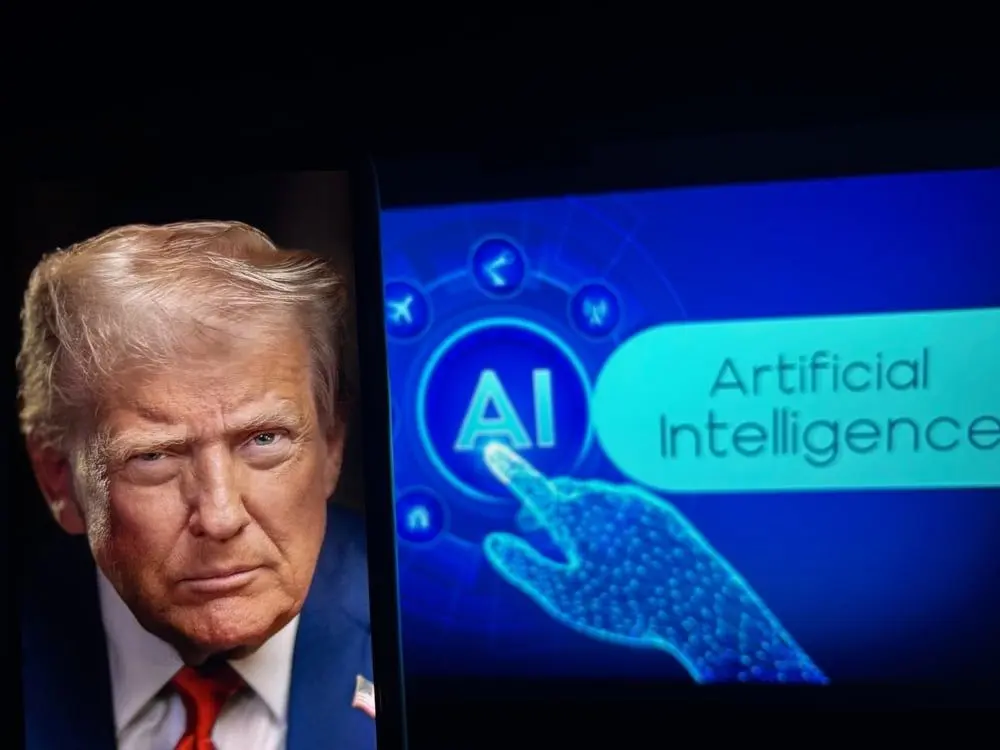
Source: Benzinga
en).
Public Backlash Against AI Intensifies
Some in Washington blame the Trump administration's deregulatory zeal for a growing public backlash against AI among American voters and within Trump's Maga coalition, reflecting concern about data centers and the societal impact of the technology
1
3
. A large majority of Americans support stringent regulations to rein in AI, while at least 75 data center projects worth approximately $130 billion were disrupted by data center opposition in the first three months of 2026, according to researcher Data Center Watch1
3
. Billionaire investor Mark Cuban made a similar observation in June, saying data center opposition is "a proxy for the hate towards AI and the concentration and accumulation of wealth it's creating"2
. However, Krishnan laid the blame for the backlash squarely on the industry's own "doomer" messaging, arguing that the AI sector "has done a terrible job" of explaining the benefits of the technology, such as advanced medical diagnoses1
.Related Stories
Industry Messaging and Equity Sharing Plans
Leaders of American AI labs "have focused so much on the dystopian narrative and scenarios, whether it is job loss, whether it is [existential] risk... that a lot of people are going: well, I don't know if I want this," Krishnan said
1
. Voters, he argued, wanted to feel "they have a seat at the table and this is not just two or three companies becoming incredibly powerful and wealthy"—a sentiment the president has seized on1
. Trump recently pushed to get companies to donate equity stakes to the American people and discussed the plans with OpenAI chief executive Sam Altman1
. Despite warnings from Silicon Valley about this amounting to backdoor nationalization, Krishnan supported the move, stating that Americans "need to feel that AI is something which is empowering them"1
. The tension between avoiding stifling innovation while addressing public concerns about concentrated wealth and power remains a defining challenge for the administration's approach to AI policy moving forward.
Source: PYMNTS
References
Summarized by

Navi
[2]
Related Stories
Trump administration enforces AI regulation through ad hoc interventions despite anti-regulatory stance
18 Jun 2026•Policy and Regulation

Trump cancels AI executive order signing after tech CEOs skip event and industry pushback
21 May 2026•Policy and Regulation
Trump Administration Unveils AI Task Force, Prioritizes Self-Policing Over Regulation
02 Oct 2026•Policy and Regulation
Recent Highlights



Recent Highlights
Today's Top Stories





Don’t drown in AI news. We cut through the noise - filtering, ranking and summarizing the most important AI news, breakthroughs and research daily. Follow topics that matter to you and stay ahead.


