TSMC Posts Record $46.71B Revenue as AI Chip Demand Drives 50% Growth


2 Sources
[1]
TSMC September sales hit another record as AI boom rolls on
* September net revenue came in at 511.86 billion New Taiwan dollars ($16.03 billion), up 54.6% from a year earlier * TSMC extended its streak of record monthly revenue in September, fueled by strong demand for AI chips. In this article * TSM Follow your favorite stocksCREATE FREE
[2]
Global Market: TSMC third-quarter revenue jumps 50% as AI chip demand surges
TSMC reports record third-quarter revenue, beating estimates as surging AI demand drives strong growth in advanced chips, while the chipmaker prepares to provide a detailed outlook on earnings, capital spending and AI demand. Taiwan Semiconductor Manufacturing Co (TSMC), the world's largest
Share
Copy Link
Taiwan Semiconductor Manufacturing Co reported record third-quarter revenue of $46.71 billion, up 50% year-over-year, surpassing analyst estimates. September sales alone hit $16.03 billion, marking another monthly record as the AI boom continues to fuel unprecedented demand for advanced chips from customers like Nvidia and Apple.
TSMC Delivers Record Third-Quarter Revenue Amid AI Boom
Taiwan Semiconductor Manufacturing Co (TSMC), the world's largest contract chipmaker, reported record revenue for the third quarter, underscoring how AI chip demand continues to reshape the semiconductor industry
1
2
. Third-quarter revenue jumped 50% year-over-year to T$1.49 trillion ($46.71 billion), beating the T$1.46 trillion forecast from 19 analysts polled by LSEG SmartEstimate2
. The result exceeded TSMC's own guidance range of $44.6 billion to $45.8 billion provided during its July earnings call2
.September Sales Extend Historic Monthly Record Streak
TSMC extended its historic run of monthly revenue records in September, posting net revenue of T$511.86 billion ($16.03 billion), up 54.6% from a year earlier but down 0.6% from August
1
2
. The September figures alone underscore the strength of demand for AI-related advanced chips used in artificial intelligence applications2
. TSMC shares closed 1.35% lower ahead of releasing monthly figures, though the stock has gained 64.52% so far this year2
.Strong Demand for AI Chips Fuels Growth Across Semiconductor Cycle
TSMC has emerged as a major beneficiary of the global AI infrastructure investment boom, counting tech giants Nvidia and Apple among its key customers
1
2
. The AI boom has driven unprecedented demand for high-performance computing products, with chipmakers across the region seeing accelerating orders for advanced chips2
. Samsung Electronics also highlighted the strength of the AI-driven semiconductor cycle, forecasting quarterly operating profit exceeding 100 trillion won for the first time, with third-quarter operating profit expected to rise nearly nine-fold year-over-year thanks to strong memory-chip demand2
.Related Stories

TSMC Commits to Next-Generation Chip Production Technology
In September, TSMC committed to using ASML's High NA extreme ultraviolet lithography machines, a critical technology for producing more advanced chips
1
. TSMC joins Samsung Electronics among customers adopting this cutting-edge technology, positioning itself to meet future demand for even more sophisticated semiconductors1
. This capital expenditure signals TSMC's confidence in sustained AI chip demand and its commitment to maintaining technological leadership in the contract chipmaker space.What This Means for the AI Chip Market
TSMC's financial performance matters because it serves as a bellwether for the entire AI ecosystem. As Asia's most valuable listed company with a market capitalization of about $2.1 trillion
2
, TSMC's record revenue validates the sustainability of AI infrastructure spending by major tech companies. TSMC is expected to report third-quarter net profit of T$740.8 billion, representing a 64% increase from a year earlier2
. Investors should watch TSMC's full third-quarter earnings report scheduled for next Thursday, when the company will provide detailed guidance on AI-related demand, capital expenditure plans, and outlook for the current quarter2
. The short-term implication is continued robust demand through year-end, while long-term prospects hinge on whether AI applications justify the massive infrastructure buildout driving current semiconductor orders.References
Summarized by

Navi
Related Stories
TSMC's Q3 Profit Surge Reflects Booming AI Chip Demand
09 Oct 2024•Business and Economy

TSMC's Q3 Revenue Soars Amid AI Boom, Fueling Record Growth and Market Rally
07 Oct 2025•Business and Economy
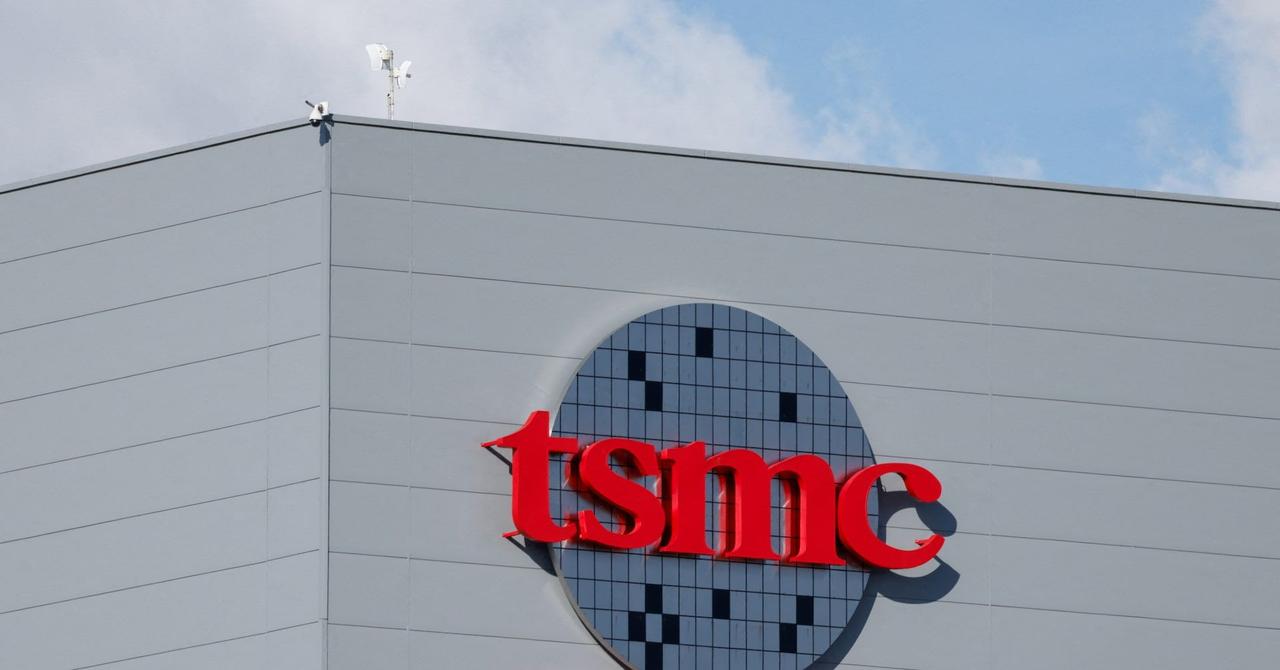
TSMC Revenue Soars 53% to $16.35 Billion in August as AI Chip Demand Reaches New Heights
10 Sept 2026•Business and Economy
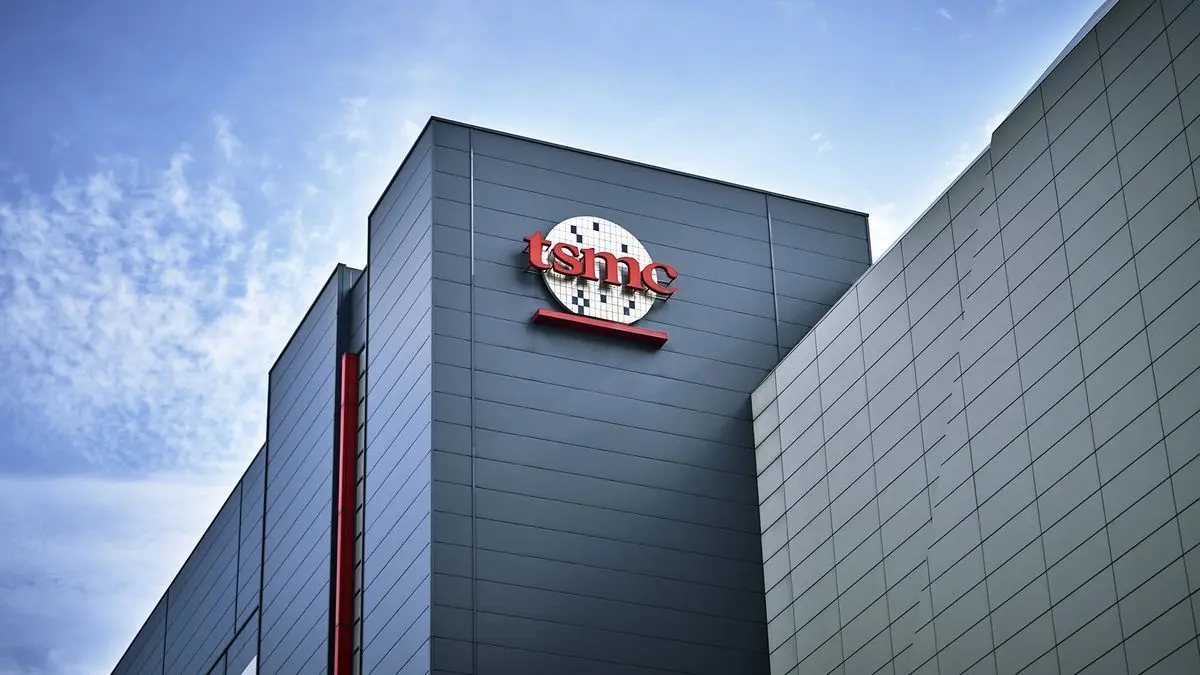
Recent Highlights
1
Microsoft and Nvidia Launch Surface Laptop Ultra: A $2,599 AI-Ready PC With RTX Spark Chip
Technology

2
OpenAI Releases 722 AI-Generated Math Papers on GitHub, Igniting Fury Among Mathematicians
Science and Research

3
Trump Consulted Grok AI Before Ordering Venezuela Invasion and Capture of Nicolás Maduro
Policy and Regulation

Recent Highlights
Today's Top Stories










Don’t drown in AI news. We cut through the noise - filtering, ranking and summarizing the most important AI news, breakthroughs and research daily. Follow topics that matter to you and stay ahead.


