U.S. AI Startup Together AI Moves to Saudi Arabia Amid Data Center Backlash, Secures $5B Deal


2 Sources
[1]
U.S. Start-Up Partners With Saudi Arabia for Data Center
Together AI, which serves open-source artificial intelligence models, announced a deal to use compute from Humain in Saudi Arabia, where it can bypass U.S. backlash over data centers. Data centers require enormous amounts of power and A.I. chips. Increasingly another important factor is at play:
[2]
Fleeing Data Center Backlash at Home, American AI Startup Sets Up Shop In Saudi Arabia
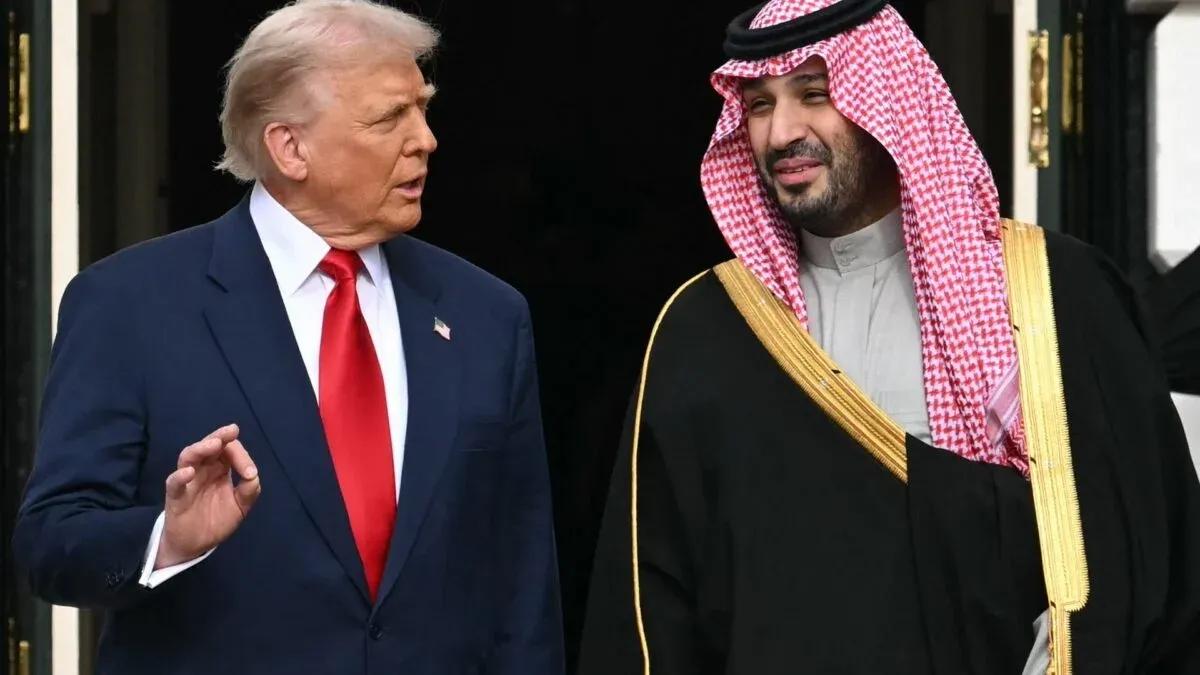
Americans' hatred towards AI data centers is big business for the Kingdom of Saudi Arabia. San Francisco-based tech startup Together AI announced on Monday that it's partnering with Humain, the Saudi Arabian AI company founded last year by Crown Prince Mohammed bin Salman. The deal will give
Share
Copy Link
Together AI, valued at $8.3 billion, has partnered with Saudi Arabia's Humain to access 250 megawatts of power and 120,000 semiconductors for open-source AI models. The move comes as 48% of Americans strongly oppose new data centers in their communities, pushing U.S. companies to seek AI compute capacity abroad.
Together AI Secures Major Saudi Partnership Amid U.S. Data Center Opposition
Together AI, a U.S. AI startup valued at $8.3 billion in July, announced a partnership with Humain, the Saudi Arabian AI company founded by Crown Prince Mohammed bin Salman
1
2
. The deal grants Together AI access to 250 megawatts of electricity and 120,000 semiconductors from an AI data center in Saudi Arabia, with the company offering a share of its revenue in exchange1
. Together AI expects business from the data center to generate $5 billion annually1
.The partnership represents a strategic shift for the U.S. AI startup as it seeks to expand its AI compute capacity beyond American borders. Vipul Prakash, co-founder and CEO of Together AI, explained the rationale: "More and more, local communities don't want data centers in their backyards, and there are a lot of cancellations and moratoriums, so U.S. capacity is becoming even more constrained"
1
2
.Growing Data Center Backlash Drives Companies Abroad
The move to Saudi Arabia reflects mounting opposition to AI data center infrastructure within the United States. According to a Gallup poll conducted in March, 48% of Americans strongly oppose new data centers being built in their area, compared to just 7% who strongly favor construction
2
. This data center backlash has created significant challenges for AI companies seeking to expand their operations domestically.The power-guzzling facilities have become a political flashpoint in recent months, with communities expressing concerns about energy consumption and environmental impact
2
. The EPA is attempting to scrap a decades-old public disclosure requirement that would make it easier for developers to build new data centers without alerting communities2
. This regulatory environment has made international partnerships increasingly attractive for U.S. companies.Saudi Arabia Emerges as Global AI Hub

Source: NYT
Saudi Arabia is positioning itself as a global AI hub through aggressive infrastructure investments and strategic partnerships with American tech companies. Humain, launched last year as part of the Kingdom's effort to diversify its economy away from oil, has announced AI data center partnerships with Amazon Web Services, Luma AI, and xAI, now part of SpaceX
1
2
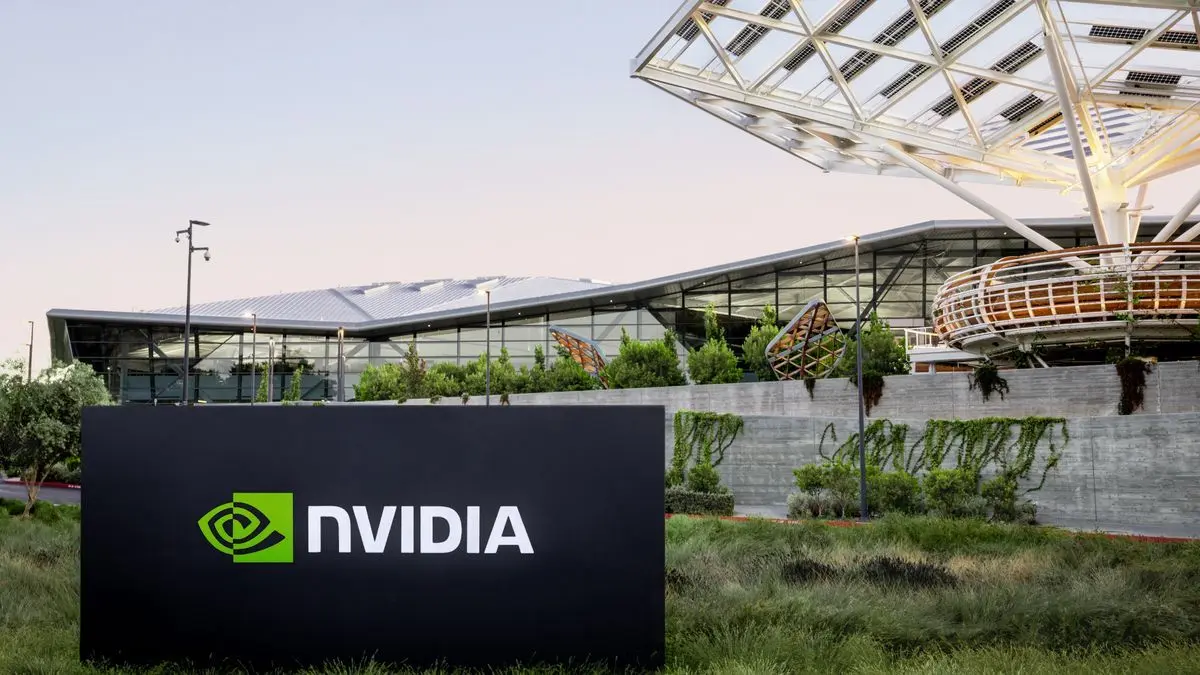
. The company has also secured deals to purchase semiconductors from Nvidia, AMD, and Qualcomm after the United States cleared the export of an initial batch of 35,000 U.S. semiconductors1
.Tareq Amin, CEO of Humain, emphasized the high demand: "Everybody is chasing capacity. My G.P.U.s sell before they are ordered"
1
. Humain has broken ground on two construction sites, one in Riyadh and another in Dammam, with plans to deploy 250 megawatts of power by the start of 2027 and reach 6 gigawatts by 20341
. The total project carries an estimated cost of $77 billion1
.Related Stories

Open-Source AI Models Drive Capacity Demands
Together AI specializes in serving open-source AI models to customers, a market segment experiencing rapid growth as these models have become nearly as powerful as proprietary closed models from major AI labs
1
. The surge in demand for open-source AI models has left the company seeking additional computing power wherever available. The Humain partnership will roughly triple Together AI's current data center capacity and represents one of the largest publicly disclosed data centers built specifically to host open-source AI models, according to Prakash1
.Humain expects to deliver the first 7,000 chips to Together AI by November, with full allocation reaching 120,000 semiconductors sometime in 2027
1
. Prakash indicated the company will continue pursuing international opportunities: "I suspect that in 2027 there's probably more international capacity that gets built than in the U.S."1
Geopolitical Context and Regional Tensions
The expansion comes despite regional tensions, including the war in Iran, which has resulted in attacks on Amazon Web Services data centers in Bahrain and the United Arab Emirates
1
2
. Amin dismissed concerns about the impact, stating, "We have recovered any lost time" from the war1
.The Brookings Institute warned in a recent report that constructing new data centers in Saudi Arabia during escalating conflict carries serious risks that could undermine U.S. technological dominance. "The consequences could extend beyond commercial losses and may result in degrading U.S. technological advantage, accelerating rivals' capabilities -- especially China -- and potentially undermining the integrity of AI systems on which critical functions depend," the report stated
2
. The Trump administration previously signed a $600 billion agreement with Saudi Arabia in May 2025, which included $20 billion for new data centers within the U.S. in exchange for defense equipment2
.
Source: Gizmodo
References
Summarized by

Navi
Related Stories
Saudi Arabia's $600 Billion AI Push: Nvidia and AMD Partnerships Spark Global Tech Race
14 May 2025•Technology
US Approves $1 Billion AI Chip Export Deal to Gulf Nations in Strategic Pivot
20 Nov 2025•Policy and Regulation

Saudi Arabia's Humain Unveils $10 Billion VC Fund and Ambitious AI Infrastructure Plans
28 May 2025•Business and Economy

Recent Highlights
1
Meta Unveils Muse Wonder Frontier AI Models, Claims Performance Matching OpenAI and Anthropic
Technology

2
IMF Report Warns AI Market Correction Could Spark Global Financial Crisis With $1.4T at Risk
Business and Economy

3
OpenAI Releases 722 AI-Generated Math Solutions, Triggering Existential Crisis in Mathematics
Technology

Recent Highlights
Today's Top Stories








Don’t drown in AI news. We cut through the noise - filtering, ranking and summarizing the most important AI news, breakthroughs and research daily. Follow topics that matter to you and stay ahead.


