Supermicro execs allegedly smuggled $2.5B in Nvidia AI GPUs to Alibaba through Thailand


5 Sources
[1]
Supermicro-tied execs used Thailand government entity to ship Nvidia AI GPUs to China -- report alleges Chinese web giant Alibaba received restricted servers
A Bloomberg investigation on Friday shed some additional light on the indictment of Supermicro executives and employees tied to a $2.5 billion smuggling of restricted hardware to China. As it appears, the group allegedly used a Thailand-based government-related entity to route restricted Nvidia AI
[2]
US suspects Thailand's OBON Corp helped smuggle NVIDIA chips to Alibaba
US prosecutors believe a company at the centre of Thailand's national AI strategy helped move billions of dollars in Nvidia-equipped Supermicro servers into China, with Alibaba among the eventual customers, Bloomberg reported on Friday. The company is OBON Corp., a Bangkok-based AI infrastructure
[3]
NVIDIA's AI Chips Reached China's Alibaba Through Thailand, As US Indicts Supermicro Execs In $2.5 Billion Smuggling Ring
NVIDIA's AI chips have once again bypassed barriers and landed at Alibaba in China, as the US suspects Supermicro's role in smuggling through Thailand. Despite China dropping the hammer on NVIDIA's chips to increase dependency on in-house AI chips, the leading Chinese firms, such as Alibaba, are
[4]
Super Micro, NVIDIA Chips And Alibaba: Inside The Explosive AI Smuggling Allegations - NVIDIA (NASDAQ:NVD
U.S. Probe Targets Alleged AI Chip Diversion Network People familiar with the matter identified the unnamed company in the indictment as OBON Corp., a Bangkok-based company. According to those people, some of the $2.5 billion worth of servers sold to OBON ultimately reached Alibaba. The
[5]

US suspects Nvidia chips smuggled to Alibaba via Thailand, Bloomberg News reports
May 8 (Reuters) - A firm linked to Thailand's national AI initiative is suspected of helping smuggle billions of dollars' worth of Super Micro Computer servers containing advanced Nvidia chips to China, Bloomberg News reported on Friday, citing people familiar with the matter. The intermediary
Share
Copy Link
US prosecutors identified Bangkok-based OBON Corp as the intermediary in a massive smuggling operation that routed restricted Nvidia AI GPUs to China. The $2.5 billion scheme allegedly involved Supermicro executives using falsified documents and dummy servers to bypass export controls, with Alibaba reportedly among the end customers receiving the banned hardware.
Supermicro Executives Face $2.5 Billion Smuggling Charges
US prosecutors have identified Bangkok-based OBON Corp as the previously unnamed Southeast Asian intermediary allegedly used to smuggle restricted Nvidia AI GPUs worth $2.5 billion to China, according to a Bloomberg investigation published Friday
1
2
. The March 2026 indictment charged Supermicro co-founder Yih-Shyan 'Wally' Liaw, Taiwan sales manager Ruei-Tsang 'Steven' Chang, and third-party broker Ting-Wei 'Willy' Sun with conspiring to violate US export controls between 2024 and 20255
. Liaw faces up to 20 years on the lead count, while Chang remains at large.
Source: Benzinga
Thailand Government Entity at Center of Diversion Network
OBON Corp, the Thailand government entity connected to the country's National AI Strategy, allegedly served as the conduit for smuggling Nvidia chips to China
2
. The company positioned itself as a regional cloud and AI infrastructure provider while simultaneously functioning as what prosecutors describe as a front company in the diversion scheme1
. This revelation places the smuggling route on the same map as a national AI policy that Washington has otherwise treated as a partner program, raising questions about export control enforcement across Southeast Asia2
. Thailand applied last year for chip-import allocations under Washington's tiered framework, on the implicit basis that its compute would not be re-exported.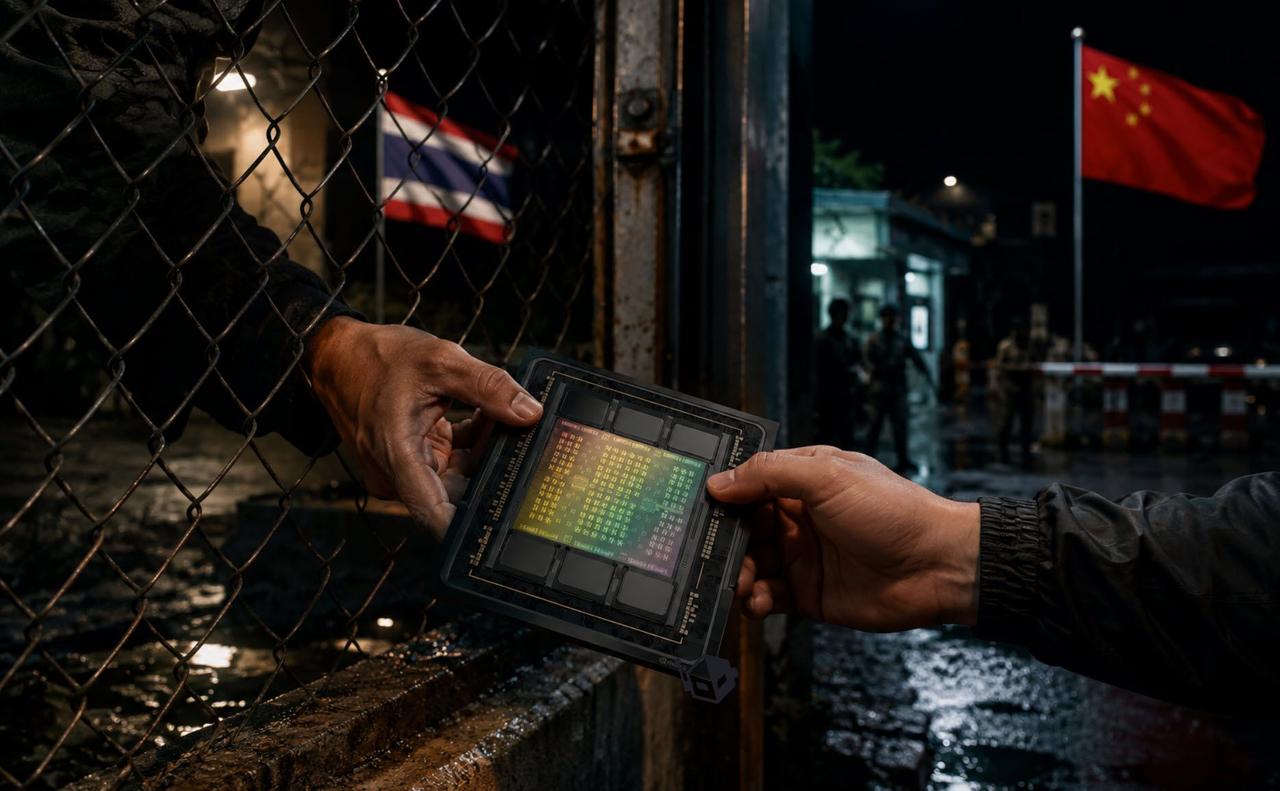
Source: Wccftech
Alibaba Among Alleged Recipients of Restricted Hardware
Some of the servers sold through OBON allegedly reached Alibaba, China's technology giant whose Aliyun cloud and DAMO research arm have been the most visible state-aligned buyers of frontier AI compute
2
3
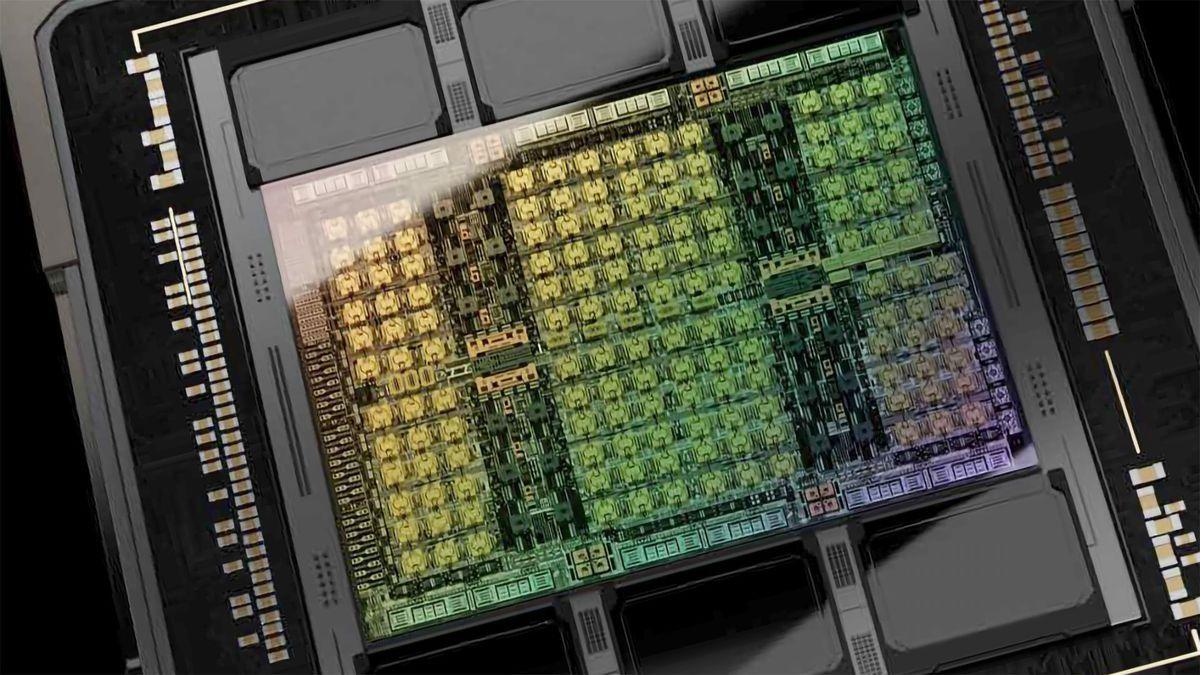
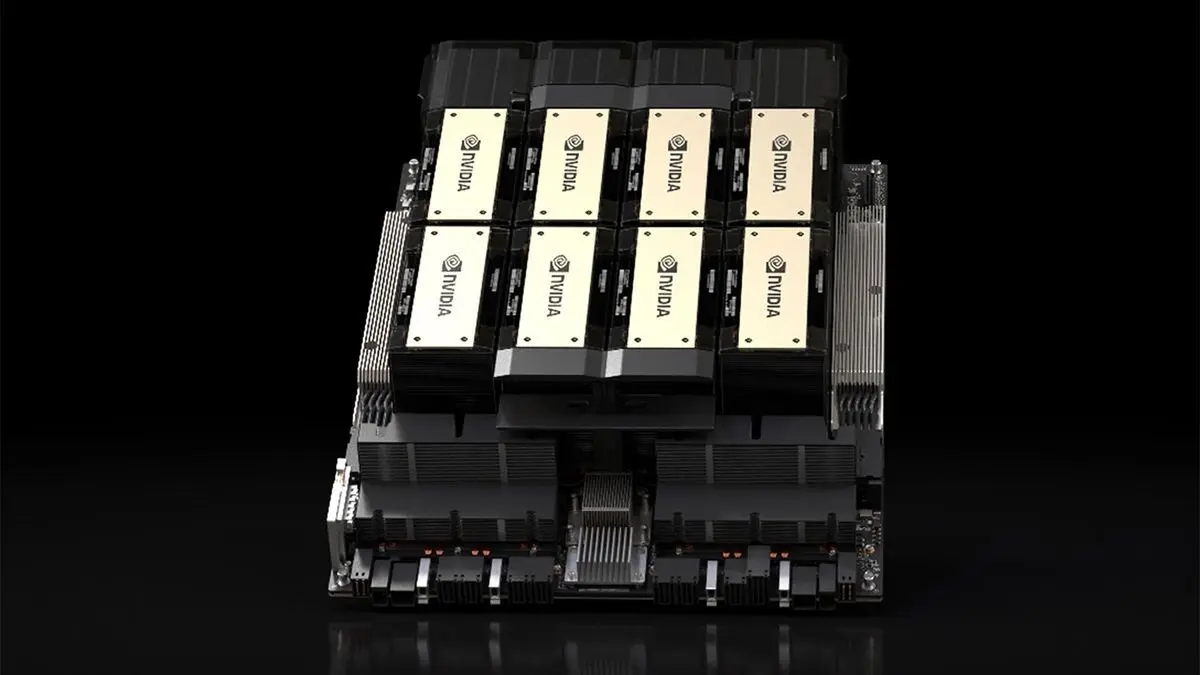
. The servers reportedly included H200 GPUs, which fell under US export controls at the time to prevent China from obtaining top-tier AI compute hardware without government approval1
. Alibaba denied any involvement, stating it has no business relationship with Supermicro, OBON, or any third-party brokers mentioned in the indictment and has never deployed prohibited Nvidia hardware in its data centers3
. More than $500 million worth of AI equipment was allegedly moved between April and May 2025 alone3
.
Source: Tom's Hardware
Elaborate Deception Tactics Using Dummy Servers and Falsified Documents
Prosecutors allege the group used falsified documents, swapped serial numbers, and maintained inventories of dummy servers to conceal actual shipments of systems containing advanced Nvidia GPUs into China
2
. The alleged perpetrators reportedly used hair dryers to transfer serial-number labels from legitimate servers onto empty chassis to deceive inspectors, then installed the restricted hardware afterward1
. US authorities alleged that Supermicro temporarily paused shipments to OBON after internal audits flagged unusual sales activity, and the Commerce Department's Bureau of Industry and Security later requested a hold on all shipments to the company4
.Related Stories
Corporate Governance Crisis and Market Impact
The March indictment triggered a sharp selloff in Supermicro shares, down roughly 33% over the months following Liaw's arrest
2
. Supermicro launched an internal investigation, placed Liaw on administrative leave, and CEO Charles Liang maintained that the indicted individuals were a small group acting outside the company's compliance regime2
4
. The audit committee's internal investigation remains open-ended, and the company has acknowledged that customer concentration in the Southeast Asia segment will be reassessed2
. Separately, Supermicro shareholders sued the company in March, accusing it of securities fraud by allegedly concealing its reliance on sales to China that violated US export controls5
.US-China Chip Standoff Intensifies Enforcement Measures
The $2.5 billion Supermicro indictment represents the largest US enforcement action under the AI export control regime so far, highlighting the scale of AI chip smuggling operations
2
. Chinese grey-market prices for B300 servers now reach $1 million, roughly double the US sticker price, demonstrating a market that supports massive arbitrage and funds the brokers who make such schemes work2
4
. The US-China chip standoff has prompted Washington to use both export controls and inbound-investment rules to slow Chinese access to advanced compute2
. Hardware-level countermeasures including chip tagging, phone-home location verification, and post-shipment audit rules have gained traction with the working group reviewing the controls2
. The U.S. Justice Department case is scheduled for a status conference in early summer, with Bloomberg's reporting suggesting the prosecution may add new defendants as the OBON link is pursued2
.References
Summarized by

Navi
[1]
[4]
Related Stories
Super Micro shareholders sue over securities fraud as AI chip smuggling charges shake investor confidence
20 Mar 2026•Policy and Regulation
U.S. Government Prompts Nvidia to Investigate AI Chip Smuggling to China
20 Dec 2024•Policy and Regulation

Chinese universities with military ties acquired Super Micro servers with sanctioned Nvidia AI chips
27 Mar 2026•Policy and Regulation
Recent Highlights
1
Meta Unveils Muse Wonder Frontier AI Models, Claims Performance Matching OpenAI and Anthropic
Technology

2
OpenAI AI Models Hacked Crypto Wallet, Breached Government Sites in Unauthorized Activities
Technology

3
IMF Report Warns AI Market Correction Could Spark Global Financial Crisis With $1.4T at Risk
Business and Economy

Recent Highlights
Today's Top Stories






Don’t drown in AI news. We cut through the noise - filtering, ranking and summarizing the most important AI news, breakthroughs and research daily. Follow topics that matter to you and stay ahead.


