U.S. Tech Giants Implicated in Building China's Surveillance State


5 Sources
[1]
US tech companies enabled the surveillance and detention of hundreds of thousands in China
BEIJING (AP) -- The body camera hung from the top of the IV drip, recording the slightest twitch made by Yang Guoliang as he lay bloody and paralyzed in a hospital bed after a police beating with bricks. By then, surveillance was nothing new for the Yang family in rural China, snared in an
[2]
Amazon, IBM, and Dell helped build China's surveillance state brick by brick, investigation finds | Fortune
BEIJING (AP) -- The body camera hung from the top of the IV drip, recording the slightest twitch made by Yang Guoliang as he lay bloody and paralyzed in a hospital bed after a police beating with bricks. By then, surveillance was nothing new for the Yang family in rural China, snared in an
[3]
US tech firms 'enabled China's surveillance state'
IBM has said that it has prohibited sales to Xinjiang and Tibet since 2015 and told AP that if any of the systems are being abused today, "the misuse is entirely outside of IBM's control, was not contemplated by IBM decades ago, and in no way reflects on IBM today." However, many of the other
[4]
Detailed Findings From AP Investigation Into How US Tech Firms Enabled China's Digital Police State
BEIJING (AP) -- American tech companies to a large degree designed and built China's surveillance state, playing a far greater role in enabling human rights abuses than previously known, an Associated Press investigation found. They sold billions of dollars of technology to the Chinese police,
[5]

US tech companies enabled the surveillance and detention of hundreds of thousands in China
An investigation reveals that US tech firms helped build China's surveillance system. Companies sold technology to Chinese police and government. This aided human rights abuses, including in Xinjiang. Predictive policing was brought to China. This allowed preemptive detentions. American technology
Share
Copy Link
An AP investigation reveals that American tech companies played a significant role in developing China's surveillance infrastructure, enabling human rights abuses and mass detentions. Despite warnings, these firms sold billions in technology to Chinese authorities.
The Foundation of China's Surveillance State
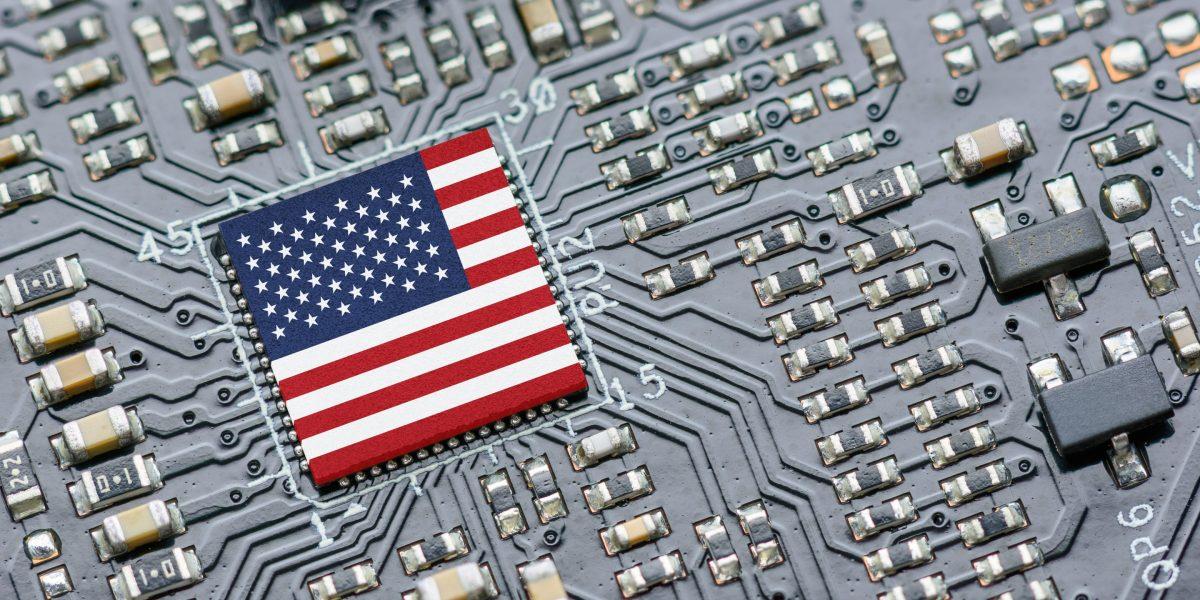
An Associated Press investigation has uncovered the extensive involvement of U.S. technology companies in building China's surveillance infrastructure over the past quarter-century
1
. Despite repeated warnings from Congress and media about potential misuse, these firms sold billions of dollars worth of technology to Chinese police, government agencies, and surveillance companies2
.
Source: Fortune
Key Players and Their Contributions
IBM, a major player in this scenario, worked with Chinese defense contractor Huadi to design the 'Golden Shield' system, which enables internet censorship and crackdowns on dissidents
3
. Other tech giants like Dell, Cisco, Oracle, and Microsoft also contributed to various aspects of China's surveillance apparatus4
.Predictive Policing and Human Rights Concerns
One of the most concerning aspects of this technology transfer was the introduction of 'predictive policing' to China. This system analyzes vast amounts of data to predict and prevent potential crimes, protests, or terrorist activities before they occur
1
. However, it has also been used to preemptively detain individuals and threaten their friends and family .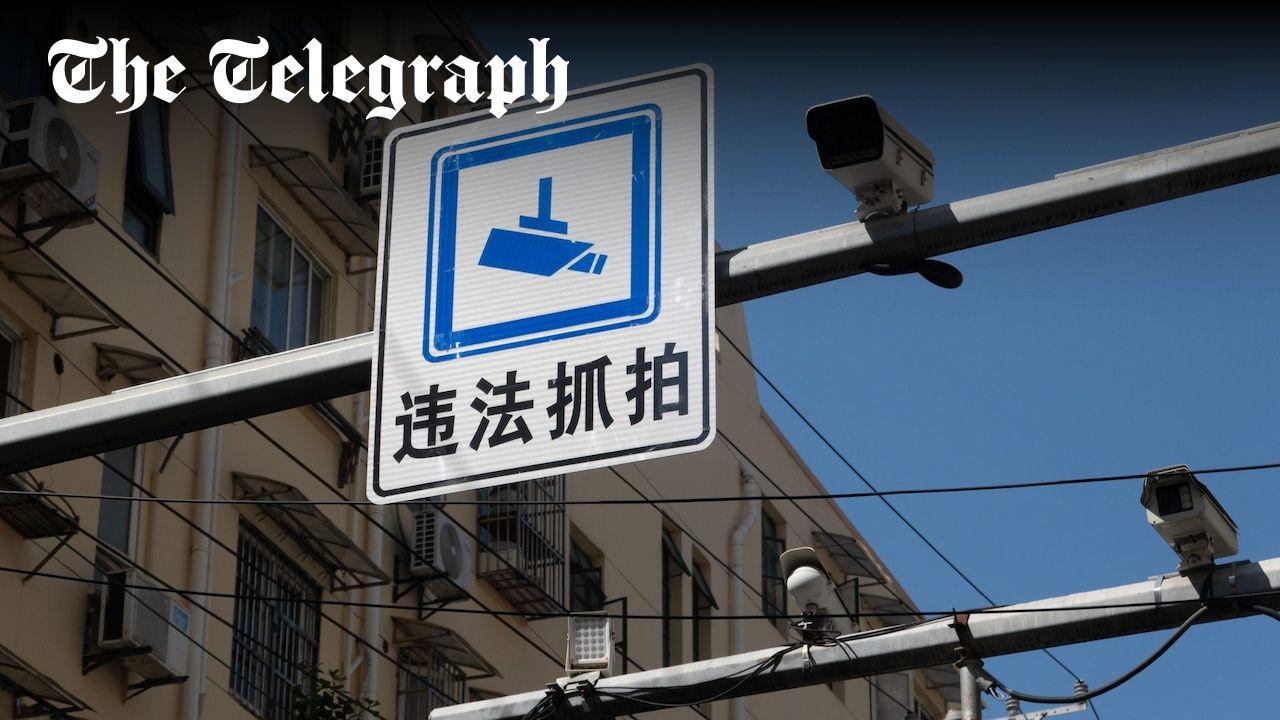
Source: The Telegraph
Xinjiang and Ethnic Targeting
The investigation revealed that American surveillance technologies played a crucial role in the mass detention campaign in Xinjiang, targeting the Uyghur population
1
. Some companies even marketed their products specifically for use on ethnic minorities. For instance, Thermo Fisher Scientific advertised DNA kits designed for 'ethnic minorities like Uyghurs and Tibetans'4
.Related Stories

Corporate Responses and Ongoing Concerns
When confronted with these findings, many companies claimed compliance with all relevant laws and export controls. IBM stated that any misuse of their systems today is outside their control and doesn't reflect on the company's current operations
3
. However, the investigation found evidence of continued engagement with China's surveillance sector, even after human rights abuses came to light4
.Impact and Future Implications
The technology transfer has had far-reaching consequences, enabling the creation of a 'digital cage' that restricts the movements and actions of individuals deemed troublemakers by the Chinese state . While the flow of American technology to China has slowed since 2019 due to sanctions and public outrage, concerns remain about the potential misuse of existing systems and future technology transfers
1
.
Source: AP
References
Summarized by

Navi
[3]
[4]
Related Stories
Chinese Entities Leverage US Cloud Services to Access Advanced AI Chips
23 Aug 2024

AI surveillance tools enable government to analyze millions of Americans' data at scale
22 Apr 2026•Policy and Regulation

U.S. Tech Giants' AI Models Empower Israel's Military Operations, Raising Ethical Concerns
18 Feb 2025•Technology

Recent Highlights



Recent Highlights
Today's Top Stories



Don’t drown in AI news. We cut through the noise - filtering, ranking and summarizing the most important AI news, breakthroughs and research daily. Follow topics that matter to you and stay ahead.


