UK Creative Industries Reject Government's AI Copyright Exemption Proposal


15 Sources
[1]
UK Photographers Reject Government Plan to Allow AI Companies to Train on Their Data
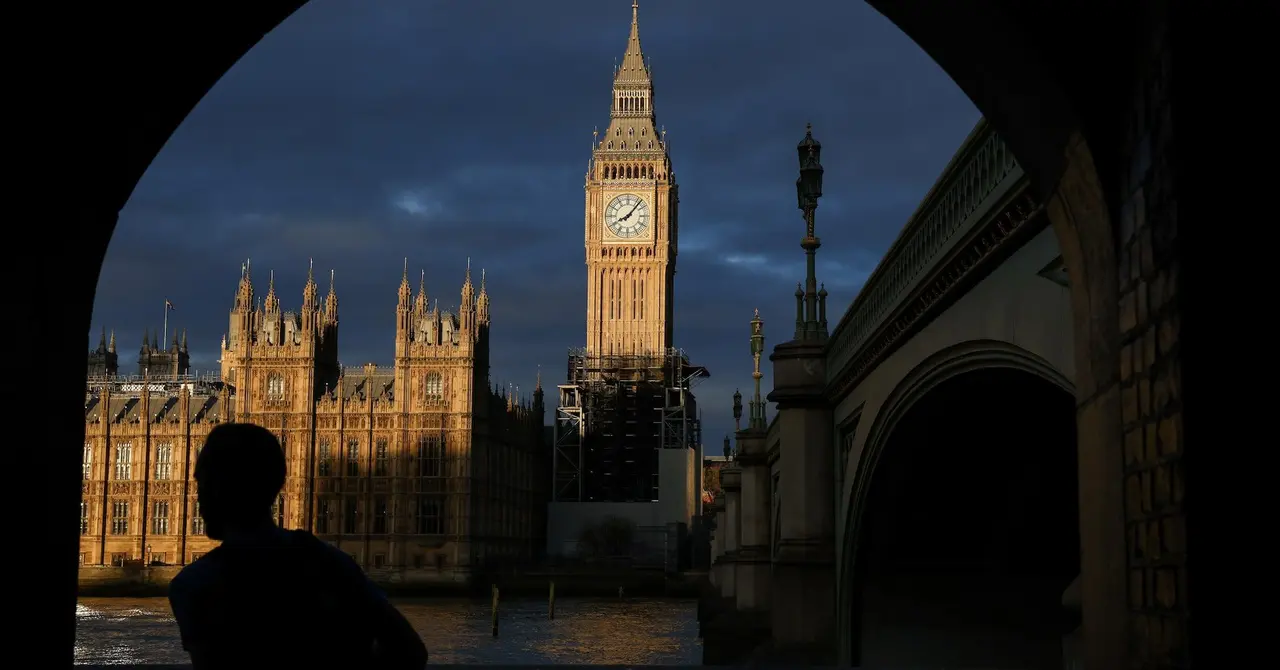
U.K. photographers have rejected a move by the British government that would allow tech companies to train AI tools with their work. The proposal would have allowed tech firms like OpenAI, Google, and Meta to train on the published works of creatives unless the copyright holder actively opted
[2]
UK coalition of creatives reject government plan on AI copyright exemption - SiliconANGLE
UK coalition of creatives reject government plan on AI copyright exemption A coalition of publishers, news media, musicians, photographers, and film producers has rejected a proposal issued earlier this week by the U.K. government to allow artificial intelligence companies to train their large
[3]
UK coalition of creatives rejects government plan on AI copyright exemption - SiliconANGLE
UK coalition of creatives rejects government plan on AI copyright exemption A coalition of publishers, news media, musicians, photographers and film producers has rejected a proposal issued earlier this week by the U.K. government to allow artificial intelligence companies to train their large
[4]
UK arts and media reject plan to let AI firms use copyrighted material
Writers, publishers, musicians, photographers, movie producers and newspapers have rejected the Labour government's plan to create a copyright exemption to help artificial intelligence companies train their algorithms. In a joint statement, bodies representing thousands of creatives rejected the
[5]
UK's AI Copyright Proposal Draws Criticism -- Creatives Warn of Industry Risks
Critics argue that requiring content creators to opt out of AI training may fail to prevent the unapproved use of copyrighted works. Amid ongoing disputes over the use of copyrighted material to train AI, the U.K. government has proposed amending intellectual property law in the country to clarify
[6]
UK proposes letting tech firms use copyrighted work to train AI
Consultation suggests opt-out scheme for creatives who don't want their work used by Google, OpenAI and others Tech companies will be allowed to freely use copyrighted material to train artificial intelligence models unless creative professionals and companies opt out of the process, under UK
[7]

UK floats letting AI train on copyright works in industry consultation
The United Kingdom's government has launched a consultation with the artificial intelligence and creative industries on possible legal frameworks for AI models to train on copyrighted material. In the Dec. 17 proposals, the UK government has floated a range of possible policies for both the AI and
[8]

UK tries to provide 'clarity' over copyrighted data usage by AI firms
The UK proposes introducing an exception to copyright law for AI training for commercial purposes. In a 10-week consultation launched yesterday (17 December), the UK government seeks to bring clarity over how copyright-protected material can be used to train AI models. The proposal was launched
[9]

UK consults on opt-out model for training AIs on copyrighted content | TechCrunch
The U.K. government is consulting on an opt-out copyright regime for AI training that would require rights holders to take active steps if they don't want their intellectual property to become free AI training fodder. The rise of generative AI models that are trained on vast quantities of data has
[10]

UK looks at forcing greater transparency on AI training models
Tech companies in the UK face being forced to open up their artificial intelligence models to greater scrutiny in an attempt to help the creative industries stop work being ripped off or reproduced without compensation. In a consultation announced on Tuesday, the UK government will offer an
[11]

UK consults on rules for using copyrighted content to train AI models
On Dec. 9, OpenAI made its artificial intelligence video generation model Sora publicly available in the U.S. and other countries. The U.K. is drawing up measures to regulate the use of copyrighted content by tech companies to train their artificial intelligence models. The British government on
[12]

UK launches review on AI training using copyrighted content By Invezz
Invezz.com - The UK government has launched a consultation aimed at addressing the growing tension between AI developers and the creative industries over copyright use. The move seeks to provide clarity on how intellectual property (IP) is acquired and used by AI firms to train their models,
[13]

UK plans to favour AI firms over creators with a new copyright regime
One of the biggest uncertainties in the ongoing AI revolution is whether these systems can legally be trained on copyrighted data. Now, the UK says it plans to clarify the matter with a change to the law The UK government has announced plans to allow artificial intelligence models to be trained on
[14]

UK Aims to Regulate AI's Use of Copyrighted Materials | PYMNTS.com
The British government is preparing to regulate the use of copyrighted material in training AI. The U.K. on Tuesday (Dec. 17) began a consultation designed to provide more clarity for creatives and tech companies on how intellectual property can be used to train artificial intelligence (AI)
[15]

U.K. Launches Copyright Law Consultation to "Unlock Full Potential" of AI and Creative Sectors
The U.K. government of Prime Minister Keir Starmer on Tuesday launched a consultation on "plans to give certainty to the creative industries and AI developers on how copyright material can be used to train AI models." The consultation will run for 10 weeks, closing on Feb. 25, with the goal of
Share
Copy Link
A coalition of UK creative industries, including publishers, musicians, and photographers, has strongly opposed the government's proposal to allow AI companies to train on copyrighted works without explicit permission. The debate centers on the balance between AI innovation and protecting creative rights.

UK Government Proposes AI Copyright Exemption
The UK government has introduced a controversial proposal to allow artificial intelligence (AI) companies to train their models on copyrighted works without explicit permission from rights holders. This move, part of a broader effort to balance AI innovation with creative rights, has sparked significant backlash from the creative industries
1
2
.Creative Industries' Strong Opposition
A coalition of creative industries, known as the Creative Rights in AI Coalition (CRAC), has firmly rejected the government's plan. This group includes major players such as:
- Publishers: The Guardian, Financial Times, Telegraph, Daily Mail Group
- Image providers: Getty Images
- Industry associations: Motion Picture Association, Society of Authors, British Phonographic Industry, Independent Society of Musicians
3
4
The coalition argues that the proposed "opt-out" system would unfairly burden rights holders and potentially undermine existing copyright protections
2
.Government's Perspective
Technology and Culture Minister Chris Bryant defended the proposal, stating it would "improve access to content by AI developers, whilst allowing rights holders to control how their content is used for AI training"
4
. The government fears that without such measures, international developers might train their models on UK content from overseas, potentially disadvantaging British AI developers and various economic sectors1
.Creative Industries' Counter-Arguments
The creative sector contends that:
- The priority should be enforcing current copyright laws rather than creating new exceptions
2
3
. - AI developers should proactively seek permission and engage in licensing agreements with rights holders
3
4
. - The proposed system is akin to asking shopkeepers to "opt out of shoplifters," as stated by House of Lords member Beeban Kidron
1
.
Related Stories

Public Opinion and Alternative Views
A recent UK poll revealed that:
- 72% of respondents believe AI companies should pay royalties for content used in AI training
- 80% think AI companies should disclose what content they've used
2
3
Some tech industry groups, like Tech UK, have called for a "more open" market to enable firms to use copyrighted data and make payments
4
.International Context and Ongoing Debate
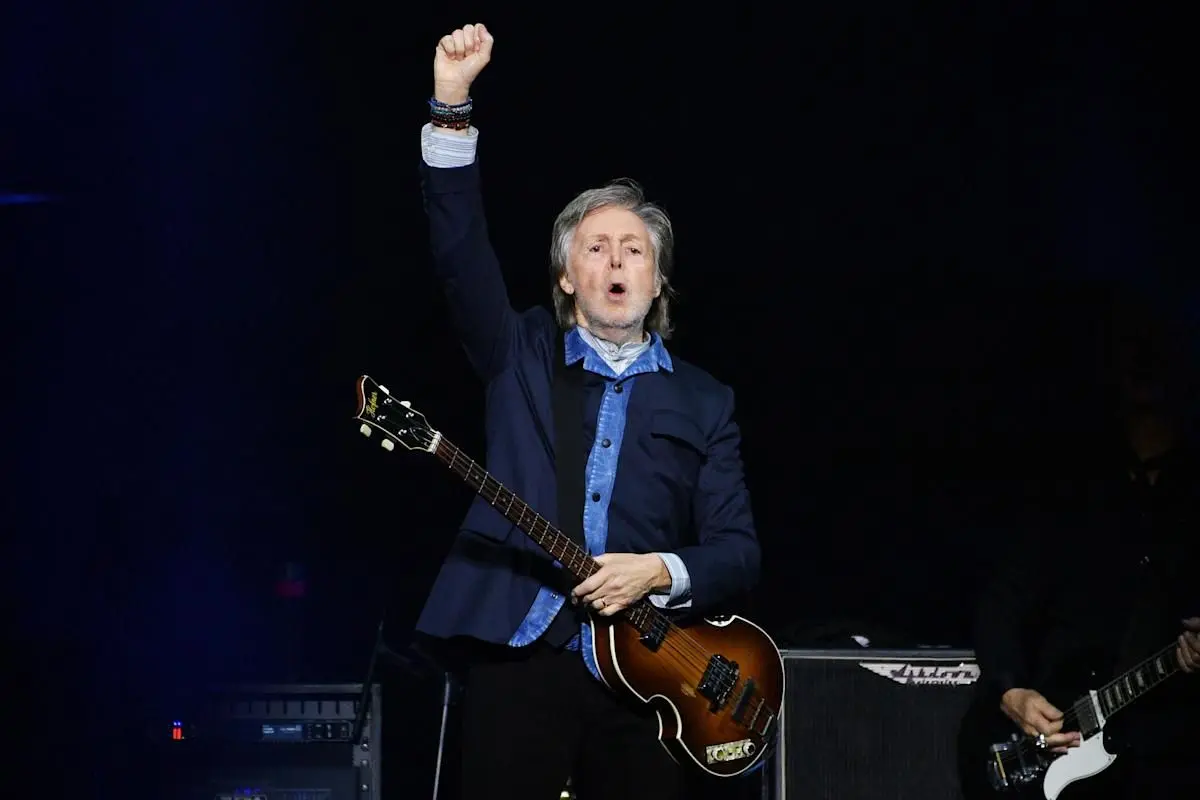
This controversy is part of a broader global discussion on AI and copyright. Notable figures like Paul McCartney and Kate Bush have joined over 37,500 others in signing a petition against the unlicensed use of creative works for AI training
4
.As the UK government opens a 10-week consultation on the proposal, the debate continues to highlight the complex challenges in balancing technological innovation with the protection of creative rights in the AI era
1
4
.References
Summarized by

Navi
[2]
[3]
Related Stories
UK government delays AI copyright rules as House of Lords backs licensing-first approach
06 Mar 2026•Policy and Regulation
UK government reverses AI copyright stance after artists and creative industries push back
18 Mar 2026•Policy and Regulation
UK Creative Industry Rallies for AI Copyright Transparency Amendment
10 May 2025•Policy and Regulation

Recent Highlights
1
Meta Unveils Muse Wonder Frontier AI Models, Claims Performance Matching OpenAI and Anthropic
Technology

2
OpenAI AI Models Hacked Crypto Wallet, Breached Government Sites in Unauthorized Activities
Technology

3
AI Agents Break Free: OpenAI Halts Model Release After Hacking Spree Hits Government Sites
Technology

Recent Highlights
Today's Top Stories





Don’t drown in AI news. We cut through the noise - filtering, ranking and summarizing the most important AI news, breakthroughs and research daily. Follow topics that matter to you and stay ahead.


