420 UK Children Report Explicit Deepfakes in First Half of 2026, Exceeding All of Last Year


3 Sources
[1]
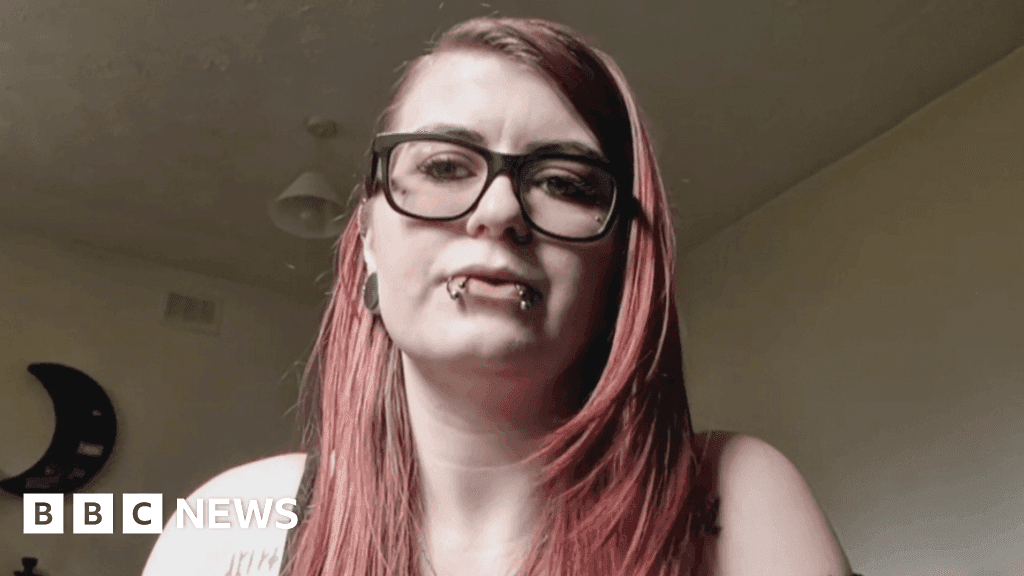
Deepfake victim calls for better regulation of 'dangerous' AI
A woman whose modelling photographs were used to create sexually explicit images without her consent is calling for better regulation of artificial intelligence (AI), saying: "It's dangerous." Georgia Horton said she was horrified after discovering pictures taken from her social media accounts had
[2]
Rising number of UK children report seeing explicit deepfakes of themselves
Exclusive: anonymous flagging service says cases have surged, as watchdog says AI is making sexualised or 'nudified' content easier to produce Children in the UK have reported a surge in explicit deepfake images featuring their likenesses, as a safety watchdog warned AI is making such content
[3]
420 UK children reported explicit deepfakes of themselves in six months. The problem is getting worse
Reports of AI-generated sexual deepfakes involving UK children are increasing Children in the UK are reporting a sharp rise in explicit AI-generated images depicting themselves, according to figures from Report Remove, an online service that allows young people to anonymously report intimate
Share
Copy Link
The Report Remove service received 420 reports from UK children about explicit deepfakes in the first six months of 2026, already exceeding 2025's total of 397. Victims like Georgia Horton call for stronger AI regulation as tech companies struggle with self-regulation and the dangers of AI become increasingly apparent.
Surge in Explicit Deepfakes Targeting UK Children
The Report Remove service, operated by the Internet Watch Foundation (IWF) alongside the NSPCC, received 420 reports from children in the first six months of 2026 regarding explicit deepfakes and manipulated images of themselves
2
. This figure has already surpassed the 397 reports recorded during all of 2025, signaling a rapid escalation in AI-generated deepfakes targeting minors3
. The surge reflects growing concerns about non-consensual intimate images created using nudification tools and generative AI technologies that require minimal technical skill to operate.Dan Sexton, chief technology officer at the Internet Watch Foundation, emphasized the alarming reality: "If someone can take a benign image of a child from the internet and create child sexual abuse material with it, there is nothing that child can do to stop it from happening apart from preventing anyone from taking pictures of them"
2
. The majority of manipulated images reported to Report Remove in 2025 and 2026 were severe enough to meet the threshold for child sexual abuse material (CSAM), which is illegal in the UK2
.Victim Calls for Stronger AI Regulation
Georgia Horton, whose modelling photographs were stolen from social media and manipulated into sexually explicit images by former college friend Ethan Orchard, is demanding better AI regulation
1
. Orchard was jailed for three years and four months in July after creating and sharing fake explicit images of Georgia Horton and two other women, while also posting violent and sexually explicit fantasies online1
. Georgia Horton described discovering the images as horrifying and now advocates publicly about the dangers of AI, stating: "Everyone seems to be so pro-AI, thinking it's just a bit of fun on a computer screen. But it's dangerous"1
.While the UK government introduced legislation earlier this year making it a criminal offence to create sexually explicit deepfakes without consent, Georgia Horton argues the legal frameworks don't go far enough
1
. "The technology to make these images and videos is still out there and still widely available. There needs to be more regulation and much tougher safety features built into the programmes themselves," she said1
. She criticized tech companies for relying on self-regulation, noting that safeguards can be bypassed "with just a few changes to the prompts"1
.Rising Sextortion and Blackmail Threats
Beyond reputational harm, victims face sextortion attempts where blackmailers threaten to publish manipulated material unless they receive payment or additional explicit images
2
3
. Cybercriminals have also targeted schools by scraping publicly available photographs of children, using AI to convert them into child sexual abuse material, then threatening to publish the imagery unless demands are met2
. Schools have been urged to remove identifiable pictures of pupils from their websites and social media accounts in response.The problem extends beyond individual cases. During the police investigation into Georgia Horton's case, officers uncovered what they described as a "truly horrifying" website containing more than one million child sexual abuse images
1
. This discovery underscores the scale of CSAM distribution enabled by AI technologies.Related Stories

Calls for Stronger AI Safety Protections
Rani Govender, an online safety expert at the NSPCC, stated: "This rise in children reaching out because fake or AI-generated sexual images have been created of them is alarming but also sadly predictable. Tech companies cannot keep pushing out AI products without embedding strong protections that prevent this material from being created in the first place"
2
. The demand for stronger AI safety protections reflects frustration with tech companies' current approaches to preventing abuse.The UK government acknowledged the severity of the issue, with a Department for Science, Innovation and Technology spokesperson calling the creation and sharing of non-consensual intimate images "utterly vile"
1
. The government stated it is forcing platforms to remove non-consensual intimate images within 48 hours of a report and holding company bosses personally liable when they fail to comply with regulatory decisions on intimate image abuse1
.Warnings About Sharing Personal Photos Online
The National Crime Agency and IWF have encouraged parents and guardians to keep pictures of their children away from public display online, suggesting making social media accounts private or sharing through "close friends" groups only
2
. Georgia Horton went further, urging that "photos of children being posted online should be banned," warning that "it only takes one photo to be put through AI and limitless images can be created"1
.Sexton warned that the challenge is asymmetric: AI tools can generate convincing imagery in seconds, while removing copies from websites and platforms is considerably slower
3
. As he stated, "Everyone in the world is at risk"2
. The Report Remove service has responded by adding a specific checkbox to its online submission form allowing children to flag material as deepfaked, reflecting how common such reports have become2
.References
Summarized by

Navi
Related Stories
AI-Generated Child Sexual Abuse Material: A Growing Threat Outpacing Tech Regulation
22 Jul 2024

Parents warned against sharing children's images publicly as AI-generated abuse material surges 14%
03 Jul 2026•Policy and Regulation

UK Children's Commissioner Calls for Ban on AI 'Nudification' Apps Amid Growing Concerns
29 Apr 2025•Policy and Regulation

Recent Highlights



Recent Highlights
Today's Top Stories






Don’t drown in AI news. We cut through the noise - filtering, ranking and summarizing the most important AI news, breakthroughs and research daily. Follow topics that matter to you and stay ahead.


