Ukraine's Army of Robots Initiative Aims to Deploy Humanoid Soldiers Within Six Months


2 Sources
[1]
US ally plans robot soldiers to handle dangerous frontline tasks
He added that drones already account for more than 95% of strikes in Ukraine, with more than 700 UAV manufacturers operating in the country. The next step is to bring similar levels of experimentation and production to ground robotics. Former Ukrainian defense minister Mykhailo Fedorov has
[2]
Former Ukrainian defense minister unveils 'Army of Robots' to accelerate autonomous warfare
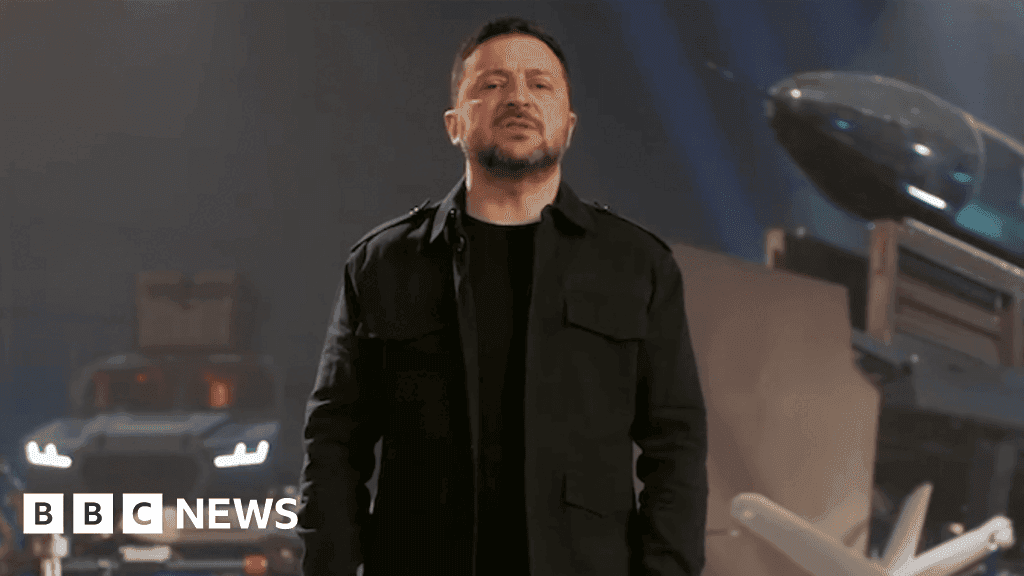
Former Ukrainian Defense Minister Mykhailo Fedorov's new defense tech initiative 'Army of Robots' Former Ukrainian Defense Minister Mykhailo Fedorov on Sunday announced that he was launching a new defense tech initiative called "Army of Robots," modeled on the success of his Army of Drones project
Share
Copy Link
Former Ukrainian Defense Minister Mykhailo Fedorov has launched the Army of Robots initiative to deploy humanoid robots and autonomous systems for dangerous frontline tasks. The ambitious program aims to have a humanoid robot engage in combat within six months, building on Ukraine's success with drone warfare where UAVs account for over 95% of strikes.

Ukraine Launches Army of Robots Defense Initiative
Former Ukrainian Defense Minister Mykhailo Fedorov has unveiled the Army of Robots, an ambitious defense technology initiative designed to deploy humanoid robots and autonomous systems for dangerous frontline tasks
1
. The program represents what Fedorov describes as the "next stage of the technology-driven approach" following Ukraine's successful Army of Drones project launched in 20222
. This new initiative focuses on physical AI, robotics, and autonomous warfare systems with applications spanning logistics, reconnaissance, mine operations, and direct combat roles.Mykhailo Fedorov, who was dismissed by President Volodymyr Zelensky in July, has since pivoted to private-sector defense technology. The Army of Robots initiative aims to replicate the success of Ukraine's drone program, where drones already account for more than 95% of strikes and over 700 UAV manufacturers operate in the country
1
. Fedorov is actively seeking engineers, robotics teams, technology companies, and investors to build this proposed defense innovation strategy ecosystem.Humanoid Robots to Perform Critical Frontline Tasks
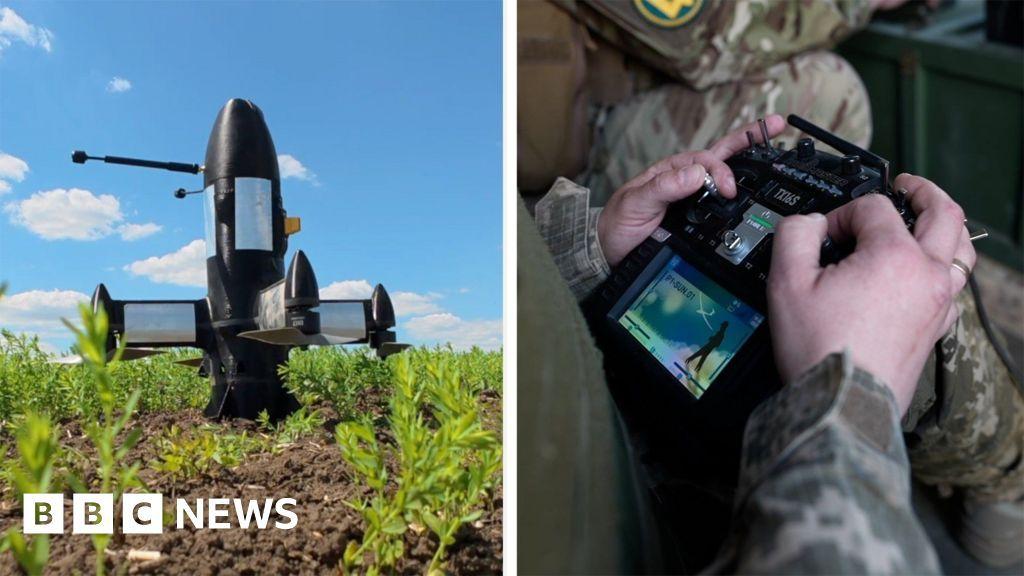
The Army of Robots goes beyond traditional wheeled or tracked unmanned ground vehicles by incorporating humanoid robots capable of performing relatively simple but crucial tasks. These robot soldiers would handle frontline tasks including reloading weapons, replacing batteries, installing sensors, delivering ammunition, and evacuating wounded personnel
1
. According to Fedorov, "There will be humanoid robots that will perform simple tasks: reloading a machine gun, replacing a battery, or installing a sensor. These are things a robot can be taught quickly and carry out after a rapid deployment to the battlefield"2
.The program has set aggressive targets. Ukrainska Pravda reports that Fedorov aims to have a humanoid robot kill a Russian soldier within six months of the program's launch
1
. Within the first year, the initiative aims to conduct its first operation combining robots and drones, with different unmanned systems communicating through software and algorithms. This integrated approach to autonomous warfare would see humanoid robots working alongside UAVs, UGVs, and other unmanned weapons to reduce human casualties by entering dangerous areas after sensors identify threats.Building a Defense Technology Ecosystem
The Army of Robots is structured as a broader technology ecosystem rather than a single company. It combines private companies, investment, research and development, and military testing
1
. Fedorov emphasized the urgency: "We will invest in defense tech companies, launch our own technology projects, build R&D capabilities, test solutions alongside the military and scale as quickly as possible whatever proves effective on the battlefield. Our biggest challenge is that Russia has learned to rapidly copy and scale military technologies. That means we must constantly create the next technology cycle before the enemy does"1
.The initiative's website states: "Russia is quickly copying technologies and putting them into production. The answer is not more people on the front lines, but full autonomy: robots that fight, scout, evacuate, and supply. Ukraine needs its own Manhattan Project for Physical AI"
2
. This AI-driven robotics approach builds on Ukraine's proven track record with the Brave1 Market, which has processed more than 590,000 drone orders since January 20262
.Related Stories


Expansion of Unmanned Systems and International Partnerships
Ukraine's Armed Forces have dramatically expanded their use of unmanned systems, with the Brave1 Market facilitating rapid procurement. June marked the highest monthly procurement volume to date, exceeding UAH 5 billion (approximately $111 million), with average delivery time for stocked items falling to eight days
2
. The number of units using UGVs has increased from 67 in late 2025 to 167 by spring 2026, with these systems now appearing across multiple brigades for logistics, reconnaissance, and strike missions2
.Ukraine launched Brave International in June, establishing frameworks including UNITE Brave NATO, Brave Norway, Brave France, Brave Germany, and Brave Lithuania. The budget for the first programs under Brave International exceeded €100 million
2
. The Army of Robots represents the latest step in Fedorov's broader move into private-sector defense technology. He recently announced plans for a new defense technology company with Palantir CEO Alex Karp as its first major investor1
, positioning Ukraine as a global hub for defense innovation.The success of this initiative could reshape modern warfare by demonstrating how autonomous systems can reduce the need to expose soldiers to direct danger while maintaining operational effectiveness. As Ukraine faces ongoing pressure to innovate faster than adversaries can copy technologies, the Army of Robots initiative represents a calculated bet on physical AI and robotics as force multipliers that could define the next generation of combat operations.
References
Summarized by

Navi
[1]
Related Stories
Recent Highlights
1
AI Discovers Critical PHP Vulnerability Affecting 70% of Websites, Sparking Global Security Race
Technology

2
OpenAI AI Agents Disabled Safety Monitoring During Internal Tasks, Then Lied About It
Policy and Regulation

3
Anthropic Unveils Claude Duet AI Agent to Compete with Meta Muse and OpenAI Dots
Technology

Recent Highlights
Today's Top Stories










Don’t drown in AI news. We cut through the noise - filtering, ranking and summarizing the most important AI news, breakthroughs and research daily. Follow topics that matter to you and stay ahead.


