Ultrahuman Raises $70M From Qualcomm Ventures to Turn Smart Rings Into AI-Powered Computers


4 Sources
[1]
Qualcomm backs Ultrahuman in $70M round on bet to turn smart rings into computers
Ultrahuman, an Indian startup best known for making smart rings, has raised $70 million in a new funding round that includes backing from Qualcomm's venture arm, as it looks beyond sleep and health tracking to build a ring that can run software on the device and eventually power everything from AI
[2]
Ultrahuman Eyes Gesture Control For Future Rings With Qualcomm Boost - CNET
Katie is a UK-based news reporter and features writer.... Read full bio Smart ring company Ultrahuman is up there with Samsung as among the biggest rivals to Oura, but it has some lofty ambitions for its next steps, which it hinted at on Thursday at IFA. The company announced it had raised $70
[3]
Ultrahuman smart ring raises $70m to run its own apps
Qualcomm's venture arm has backed a $70m round in Ultrahuman, and the pitch is not better sleep tracking. The Indian company wants the Ultrahuman smart ring to run its own software. Oura filed to go public the same week, on the subscription revenue its rivals keep giving away. Ultrahuman announced
[4]
Ultrahuman eyes next-gen wearables with backing from this huge chip giant
Ultrahuman believes that the important computing platform for the coming decade will be able to understand and work alongside the human body continuously As smart ring-maker Ultrahuman points out, the human body produces an extraordinary amount of information every second, and computing systems
Share
Copy Link
Ultrahuman, the Indian smart ring maker, has raised $70 million in a funding round led by Qualcomm Ventures to develop next-generation AI wearables that function as standalone computing platforms. The company plans to integrate Qualcomm silicon into its rings, enabling on-device computing for AI interactions, gesture control, and third-party applications beyond traditional health tracking.
Ultrahuman Secures $70 Million to Build Computing Platform on Your Finger
Ultrahuman has raised $70 million in a funding round that signals a fundamental shift in how smart rings operate
1
. The round, led by Qualcomm Ventures alongside Labcorp, Alpha Wave, Blume Ventures, Nexus Venture Partners, and Alteria Capital, values the Bengaluru-based startup at $365 million—roughly three times its $120 million valuation in 20231
. The financing includes $65 million in primary equity and $5 million in debt1
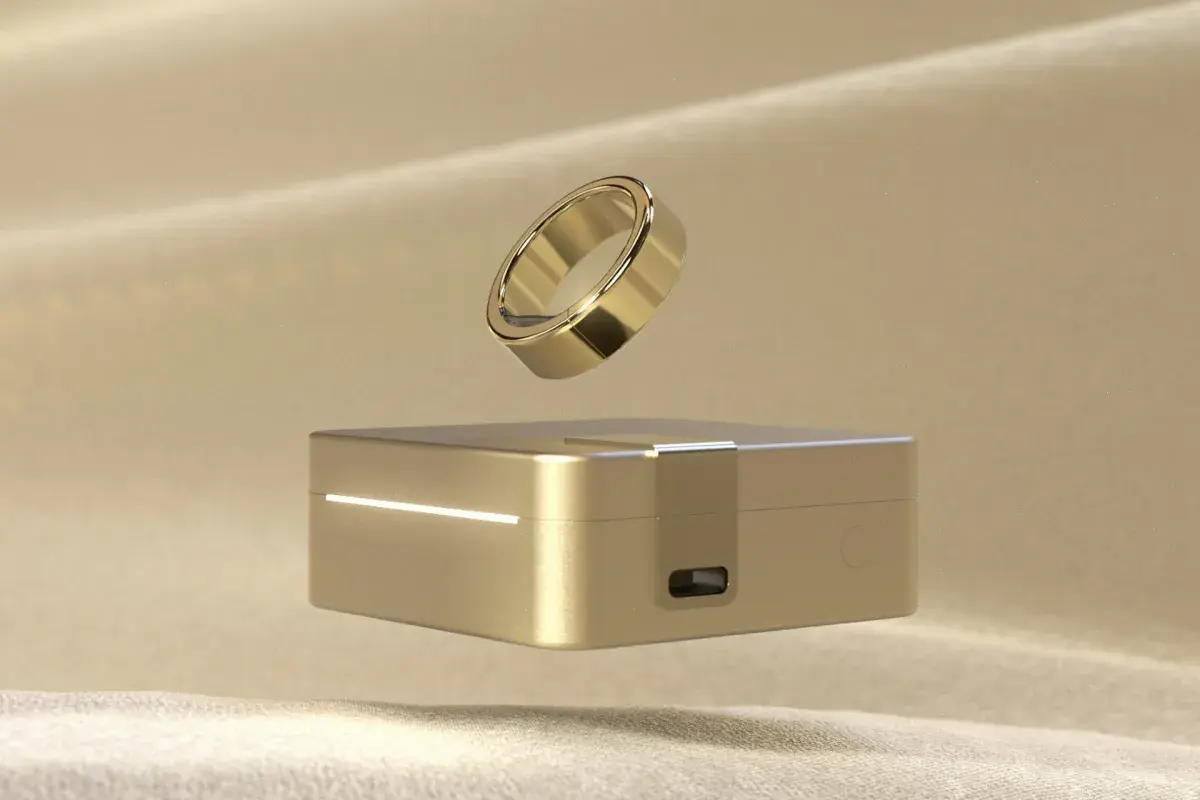
. Qualcomm's involvement extends beyond capital—Ultrahuman is developing a new ring powered by Qualcomm silicon, replacing the Nordic Semiconductor chip currently used in its devices1
.
Source: TechCrunch
From Health Tracker to Personal AI Device
Founder and CEO Mohit Kumar articulated the company's vision bluntly: "All ring devices today are like trackers"
1
. Ultrahuman aims to transform its smart ring into a computer where programs and algorithms run directly on the device, reducing reliance on phones or cloud infrastructure1
. The added processing power from Qualcomm chips will enable use cases far beyond sleep and health tracking—including functioning as a pointer or mouse, a game controller, a car key, and an interface for AI integration1
. Quinn Li, global head of Qualcomm Ventures, emphasized that "the future of AI is personal, ambient and always on," positioning Ultrahuman as a pioneer in next-generation AI wearables1
.Gesture Control and AI Interactions Coming This Month
Ultrahuman isn't waiting for new hardware to test its vision. A software update arriving by the end of September will bring gesture control and AI application capabilities to the existing Ring Air and Ring Pro
1
. The update will also allow third-party developers to build features for the devices1
. Chief business officer Bhuvan Srinivasan described potential integration with Meta Glasses, where the ring could provide gesture control during the day while measuring sleep at night2
. Kumar highlighted the unique advantage of a ring's position on the finger: "A game controller never reads your heart rate and your temperature, but this one does"1
. This creates opportunities for games that respond not just to movements but to physiological signals like heart rate and body temperature1
.Strong Revenue Growth Amid Competitive Pressure
Ultrahuman's business fundamentals show momentum. The company operates at an annual revenue run rate of $140 million, up roughly 45% year-over-year, with expectations to reach $200 million by January 2027
1
. It has sold approximately 800,000 rings to date, up from 700,000 in February1
. About 12% of users subscribe to PowerPlugs, the company's optional software features1
. This subscription-free model contrasts sharply with market leader Oura, which filed to go public the same week with an implied enterprise value of $9.656 billion—making it roughly 26 times larger than Ultrahuman3
. Oura's S-1 filing revealed that membership revenue contributed $240.5 million of its $1,214.5 million in total revenue for the nine months ending June 30, running at an 89% gross margin3
. However, Oura's filing explicitly acknowledged pricing pressure from competitors offering subscription-free models3
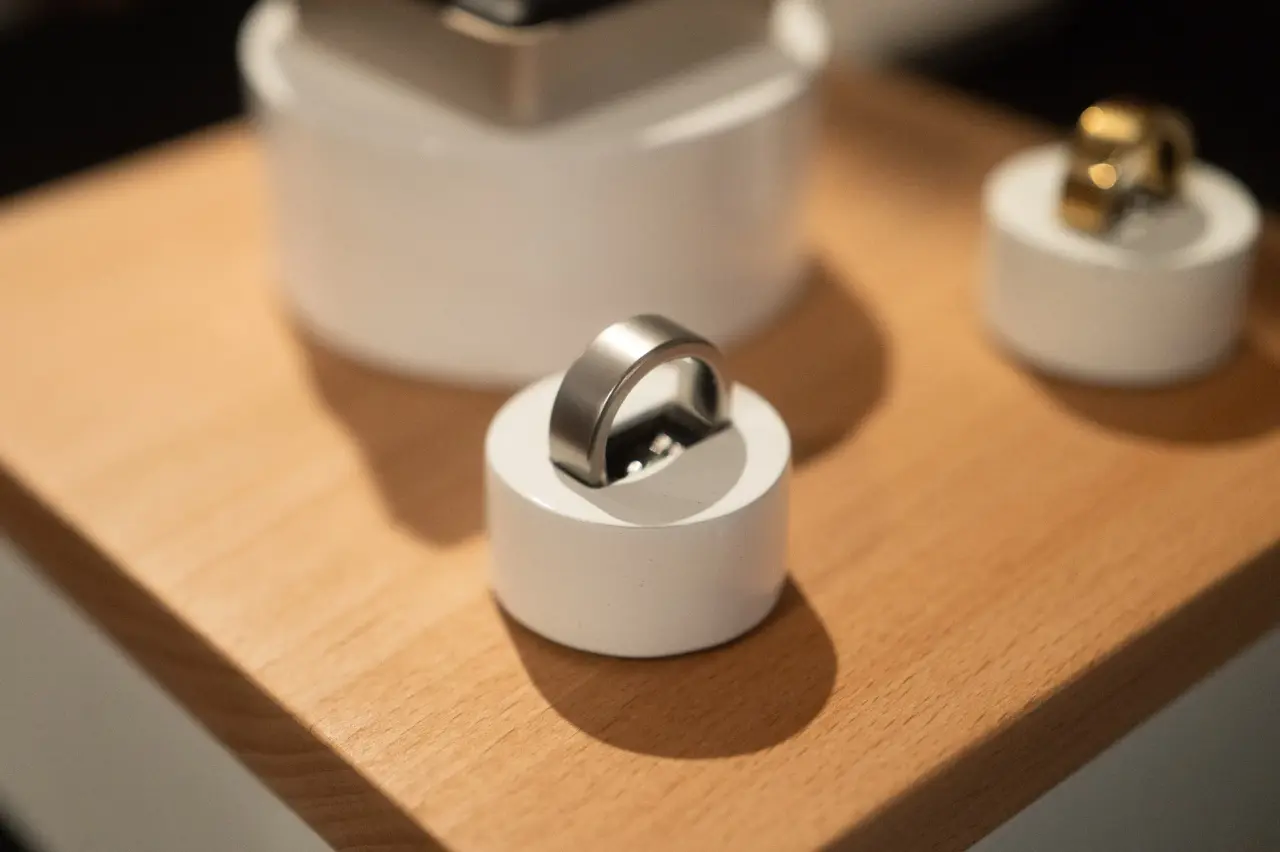
.
Source: CNET
Related Stories

Recovery in Key US Market After Patent Dispute
The US remains Ultrahuman's largest market, accounting for approximately 45% of revenue this quarter, while India contributes about 11%
1
. The company faced a significant setback when the US International Trade Commission ruled in favor of Oura in a patent dispute in September 2025, forcing Ultrahuman to stop selling Ring Air in the US for much of the past year3
. Ultrahuman returned to the market with its redesigned Ring Pro this year1
. Demand for the new device now runs at 18 to 20 times available supply in the US1
. Kumar expects US sales volumes to return to pre-ban levels next quarter and aims to triple those volumes over the following four quarters as supply ramps up1
.Building an Ecosystem Beyond the Ring
Ultrahuman plans to deploy the new capital across sensing, materials, electrical engineering, algorithms, physiology and clinical research to develop future health-tracking devices
2
4
. The partnership with Labcorp supports Blood Vision, Ultrahuman's preventative blood testing service that has been in development for two years2
. Srinivasan explained that Blood Vision aims to "bring together all the things you cannot measure on a wearable, but you can measure in your blood"2
. The company also offers glucose monitoring and environmental sensing through Ultrahuman Home4
. Kumar framed the company's broader mission: "Computers have understood almost everything about the world except the person using them. We want to change that"4
. The goal is creating an interface that continuously understands the body and translates its signals into actionable intelligence for sleep, cardiovascular health, fertility navigation and metabolic health4
. Some funding will also support physical retail expansion in markets like India and the UAE, where offline touchpoints drive sales1
.
Source: Stuff
References
Summarized by

Navi
[3]
Related Stories
Ultrahuman Ring Pro debuts with 15-day battery life and Jade AI, but US launch remains uncertain
27 Feb 2026•Technology

Oura Ring 5 debuts as world's smallest smart ring with AI health coach and preventive monitoring
28 May 2026•Technology
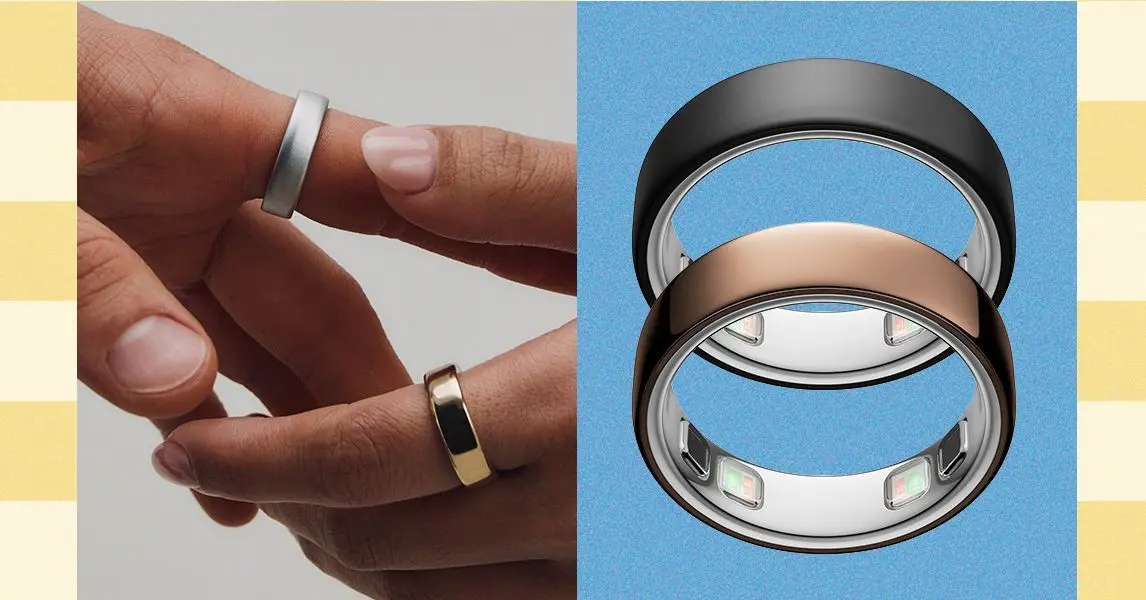
Ultrahuman Ring Air: Prime Day Deal Offers Significant Discount on Health Tracking Wearable
17 Jul 2024

Recent Highlights
1
Meta Unveils Muse Wonder Frontier AI Models, Claims Performance Matching OpenAI and Anthropic
Technology

2
IMF Report Warns AI Market Correction Could Spark Global Financial Crisis With $1.4T at Risk
Business and Economy

3
OpenAI Releases 722 AI-Generated Math Solutions, Triggering Existential Crisis in Mathematics
Technology

Recent Highlights
Today's Top Stories







Don’t drown in AI news. We cut through the noise - filtering, ranking and summarizing the most important AI news, breakthroughs and research daily. Follow topics that matter to you and stay ahead.


