Unitree's R1: The $5,900 Humanoid Robot Pushing Boundaries in Affordability and Capability


9 Sources
[1]
China's Unitree Offers a Humanoid Robot for Under $6,000
Unitree Robotics is marketing one of the world's first humanoid robots for under $6,000, drastically reducing the entry price for what's expected to grow into a whole wave of versatile AI machines for the workplace and home. The startup, among the frontrunners in Chinese robotics, on Friday
[2]
Unitree's $5,900 humanoid robot flips, fights, and holds conversations
Serving tech enthusiasts for over 25 years. TechSpot means tech analysis and advice you can trust. What just happened? Elon Musk has long said he envisions a world where every household has a humanoid robot, but one of several factors preventing this scenario from becoming a reality is the
[3]
You Can Buy This Cartwheeling Humanoid Robot for Less Than Two Apple Vision Pros
The Unitree R1 costs as much as a high-end e-bike, and you can make it fight for you. “Dance for me, robot," you scream at your mechanical servant from your gilded throne. "Now flip for me, robot. Fight for me, robot.†That's the future that China-based robotics maker Unitree is offering with
[4]
What is Unitree's new $6,000 humanoid robot good for?
The R1 is 4 ft tall and weighs just 55 lb, so it can't do a whole lot - but it's great for robotics research and automation training projects Chinese robotics firm Unitree has launched the R1, its most affordable humanoid robot, at a shockingly low asking price of US$5,900. It's hard to fathom
[5]

This kickboxing robot is just $6,000 and could be the humanoid breakthrough we've been waiting for
The race to put a humanoid robot in every home is accelerating, and the $5,900 Unitree R1 robot might just sprint to the front of the pack. Unitree unveiled the pint-sized but "powerful" android on Friday with a new YouTube video and then followed with more details on an official product page on
[6]

For Just $5,900, You Can Own a Chinese-Made Unitree R1 Humanoid Robot That Dances Like Nobody's Watching & It's Surprisingly Good at It
Well, humanoid robots are far from becoming mainstream right now, but the Chinese firm Unitree plans to make robots available to people around the world, which are amazing at dancing. Unitree's Latest "Budget-Friendly" Robot Offers Awesome Movements & Immersive AI-Infused Experience AI-infused
[7]

This humanoid robot can run, cartwheel and fist-fight - and it...
The latest humanoid robot on the market can purportedly run across a grassy lawn, do cartwheels and even fist-fight - and it costs less than $6,000. In a promotional video from China's Unitree Robotics on Friday -- which provoked skepticism from some on social media whether it was legit or instead
[8]

China's Unitree debuts $5,900 humanoid robot that flips, fights, and runs - VnExpress International
Marketed as "born for sport," the 121-centimeter-tall robot weighs 25 kilograms and is equipped with 26 joints, according to the South China Morning Post. A promotional video released on July 25 shows the R1 performing handstands, spin-kicks, and mock combat moves, sparking both interest and
[9]

Unitree R1: The $5,900 humanoid robot that may change everything
It may start cultural shift toward everyday human-robot existence There's a high probability that when we look back at July 2025 in the future, it might well be remembered as the tipping point when we stopped wondering when robots will enter our homes, and started asking where we plug them in and
Share
Copy Link
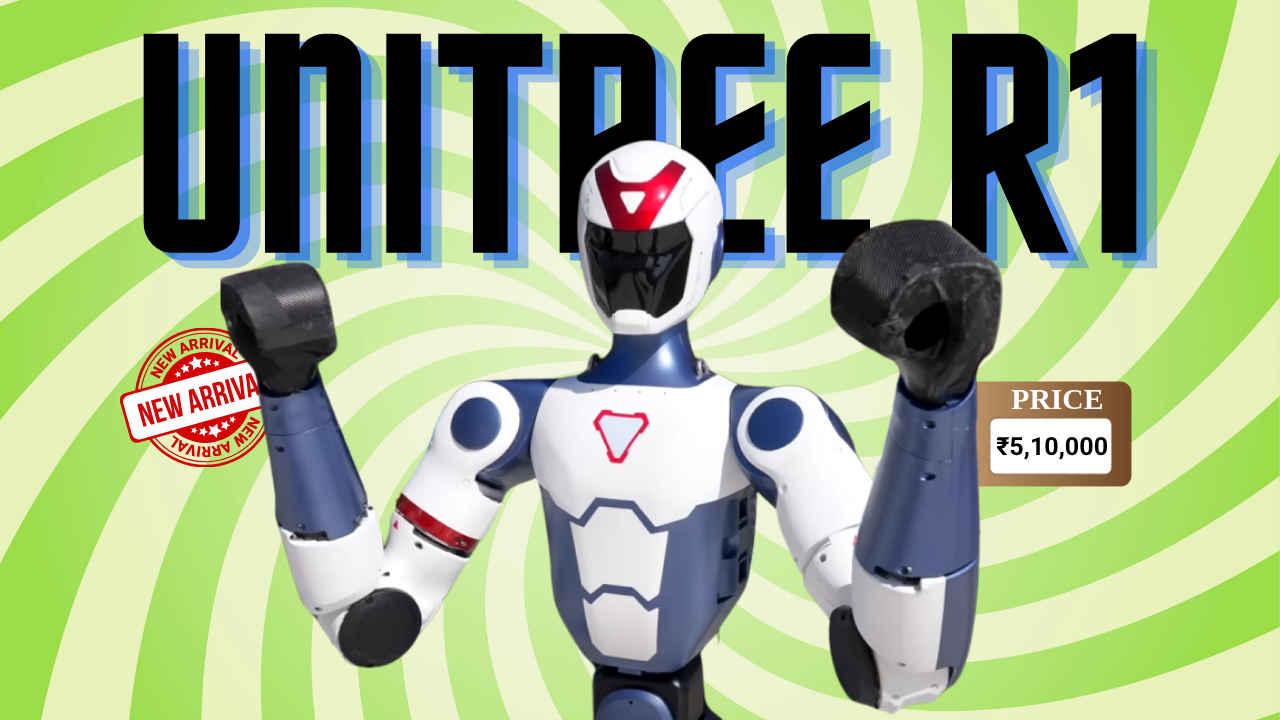
Chinese robotics firm Unitree has unveiled the R1, a humanoid robot priced at just $5,900, marking a significant milestone in making advanced robotics more accessible to consumers and researchers.
Unitree Introduces Affordable Humanoid Robot
Chinese robotics firm Unitree has unveiled the R1, a humanoid robot priced at a groundbreaking $5,900, significantly undercutting competitors in the market
1
. This move marks a substantial reduction in the entry price for versatile AI machines intended for both workplace and home use.Technical Specifications and Capabilities
Source: Digit
The R1 stands at approximately 4 feet tall, weighs 55 pounds (25kg), and features 26 joints
2
. It comes equipped with binocular vision and LLM-powered voice and image identification capabilities, as well as integrated Wi-Fi 6 and Bluetooth 5.2 connectivity2
.The robot demonstrates impressive agility, capable of performing cartwheels, handstands, and basic martial arts moves
3
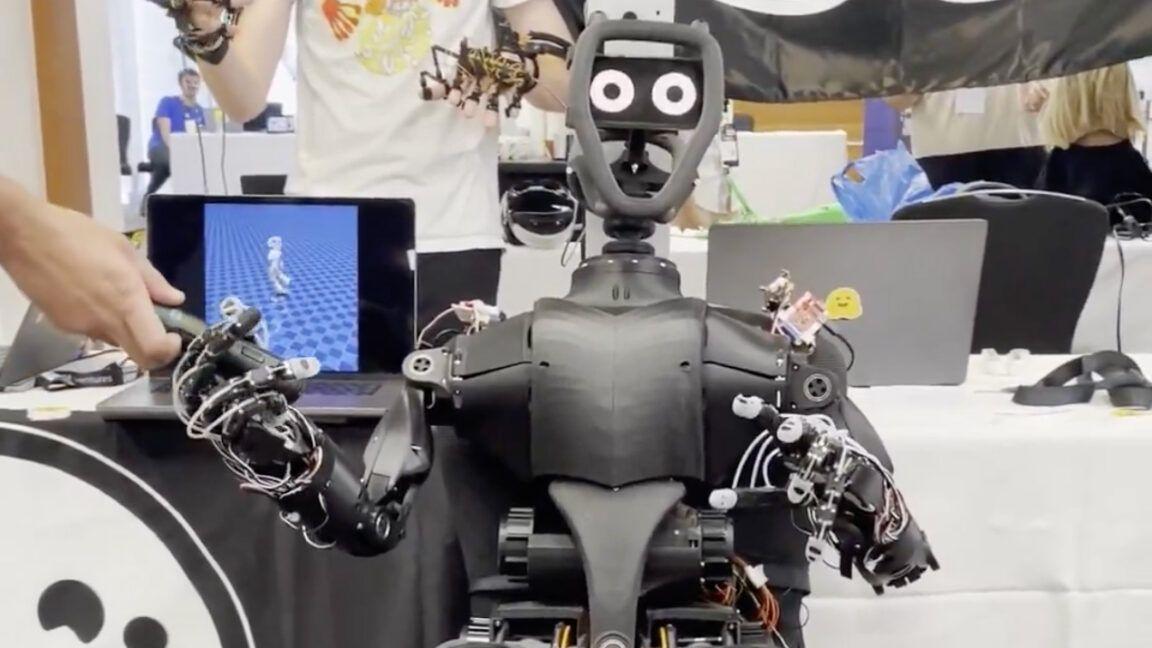
. It can also respond to voice commands and engage in basic conversations. However, it's worth noting that the R1 lacks dexterous hands, limiting its ability to manipulate objects4
.Market Positioning and Potential Applications
While the R1's capabilities are impressive, Unitree emphasizes a "movement-first design" approach
3
. The company suggests that a diversity of movement forms the foundation for completing tasks, indicating that the R1 is not yet ready for complex household chores.Currently, the R1 is primarily positioned for research, education, and industrial testing
4
. Scientists can use it to test AI algorithms and explore potential applications in industrial settings. For instance, automaker Geely is already trialing a Unitree robot on its assembly line4
.Comparison with Competitors
The R1's $5,900 price tag significantly undercuts other humanoid robots in the market. Unitree's own higher-end models, the G1 and H1, are priced at $16,000 and $90,000 respectively
5
. Tesla's anticipated Optimus robot is expected to cost between $20,000 and $30,000 .Related Stories


Limitations and Cautionary Notes

Source: Bloomberg
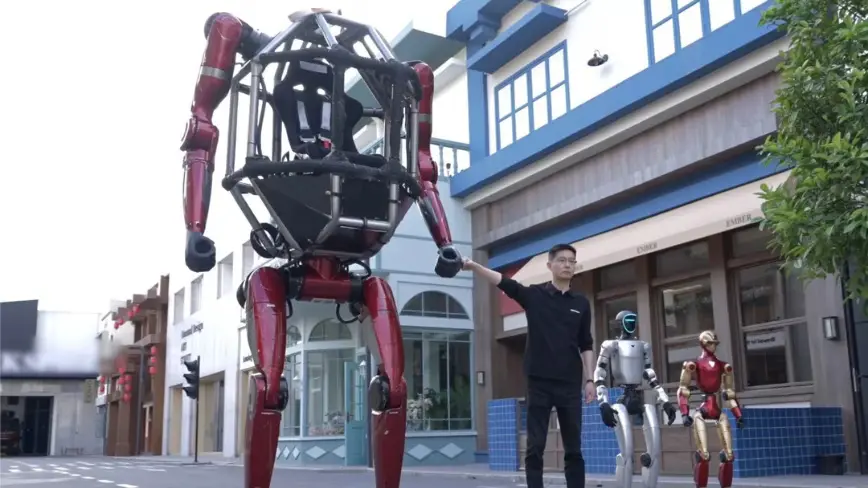
Despite its impressive features, Unitree has issued several cautionary notes about the R1. The company warns that the global humanoid robot industry is still in its early stages and advises potential buyers to thoroughly understand the limitations of these robots
5
. They also emphasize the need for users to maintain a safe distance from the robot due to its "complex structure and extremely powerful power"5
.Future Implications

Source: Wccftech
The introduction of the R1 at this price point could accelerate the development and adoption of humanoid robots. It sets a new benchmark for affordability in the industry, potentially leading to more widespread use in research, education, and industrial applications . However, the robot's current limitations suggest that the vision of a humanoid robot in every home remains a future prospect rather than an immediate reality.
References
Summarized by

Navi
Related Stories
Recent Highlights
1
Microsoft and Nvidia Launch Surface Laptop Ultra: A $2,599 AI-Ready PC With RTX Spark Chip
Technology

2
Google Unveils Gemini 4 Argon AI Model, Restricts Access to Trusted Cyber Defenders
Technology

3
Trump Consulted Grok AI Before Ordering Venezuela Invasion and Capture of Nicolás Maduro
Policy and Regulation

Recent Highlights
Today's Top Stories






Don’t drown in AI news. We cut through the noise - filtering, ranking and summarizing the most important AI news, breakthroughs and research daily. Follow topics that matter to you and stay ahead.


