Universities and China test nuclear reactors to power AI data centers amid soaring energy demands


2 Sources
[1]
Ambitious Experiment Aims to Test Tiny Nuclear Reactors for AI Data Centers
As if the U.S. grids weren’t stressed enough, AI data centers threaten to overwhelm them further with their massive energy demands. To address these challenges, researchers in Utah are entertaining the viability of microreactorsâ€"smaller, often portable fission reactorsâ€"for powering AI data
[2]
'A power bank for the AI era': China begins testing miniature, truck-mounted 10MW nuclear reactor designed to sustain massive data centers for decades without refueling while promising to make traditional dirty coal and diesel generators entirely obsolete
The reactor can be transported to areas where power is unavailable or unreliable * China testing mobile nuclear reactor capable of powering AI data centers * Prototype truck-mounted reactor built for decades of operation without refueling * Portable 10MW nuclear unit targets remote power supply
Share
Copy Link
As AI computing pushes electricity requirements beyond grid capacity, researchers are testing compact nuclear solutions. The University of Utah will use its TRIGA reactor to power a mini AI data center this summer, while China tests a truck-mounted 10MW nuclear reactor designed to sustain massive data centers for decades without refueling.
University of Utah Tests Nuclear Reactors for AI Data Centers
The University of Utah is preparing to demonstrate whether nuclear reactors can address the mounting energy demands of AI data centers. This summer, in collaboration with Elemental Nuclear, researchers will repurpose the university's TRIGA reactor to power a mini AI data center in what they describe as a proof-of-concept experiment
1
. A novel power generator will capture thermal energy from the reactor to generate around 2 to 3 kilowatts of electricity—enough to power a live AI workload on a high-performance GPU node managed by the university's computational experts.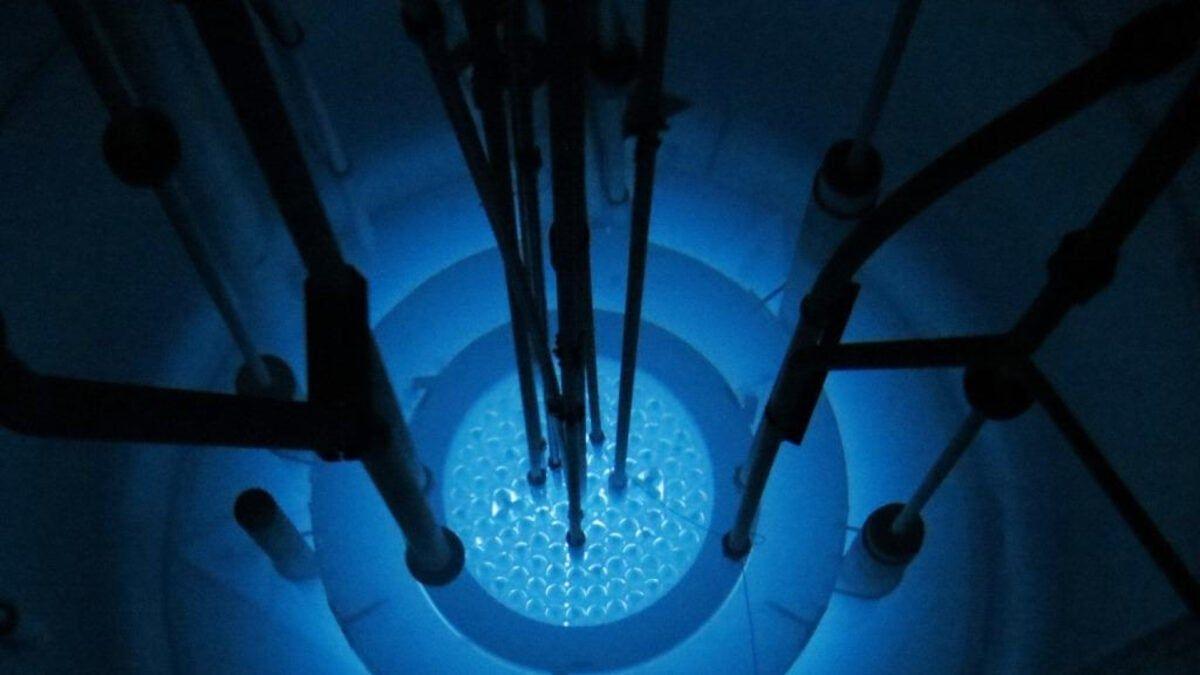
Source: Gizmodo
"This will be, to our knowledge, the first time any university reactor has produced electricity, not just our own," reactor manager Ted Gooding said. "It's a milestone for our students, but it also shows that small, safe reactors could live at data centers, rather than in labs"
1
. While the output is far less than the hundreds of megawatts full-scale facilities require, the experiment aims to illuminate whether microreactors for data centers could simplify nuclear energy generation for AI operations.China Develops Truck-Mounted Miniature Nuclear Reactor
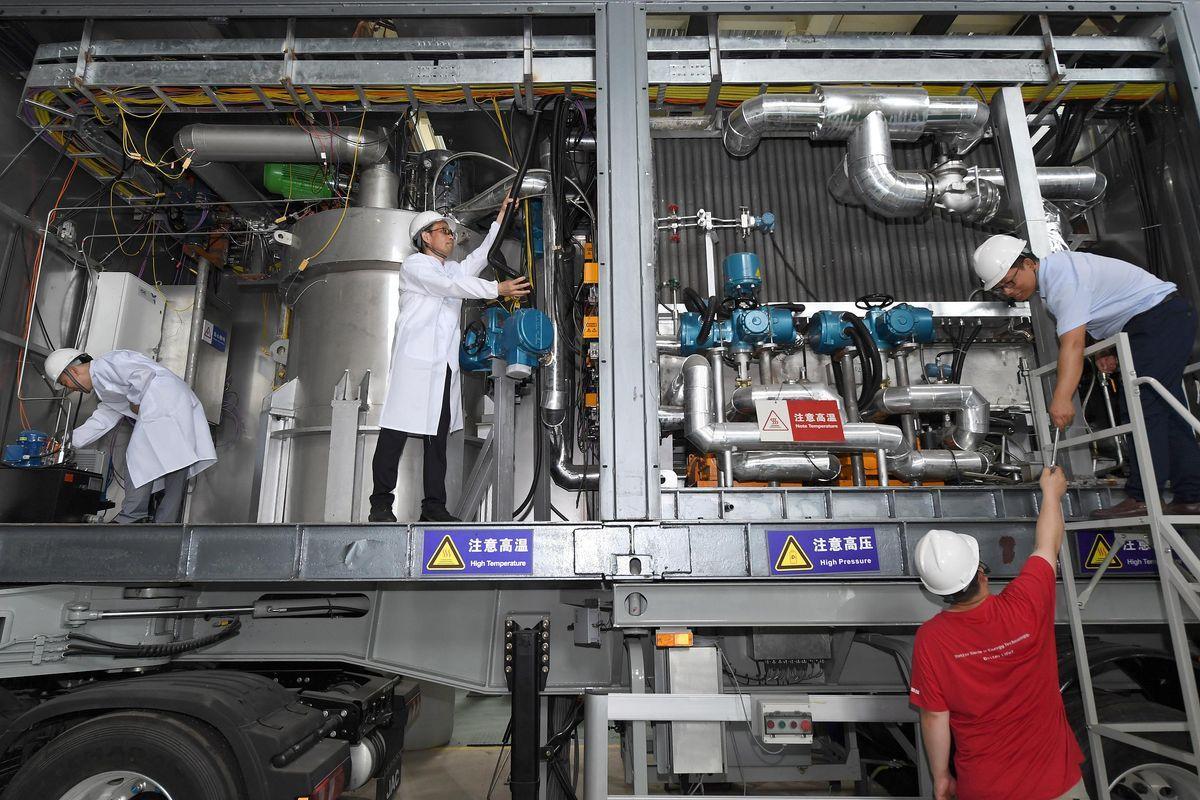
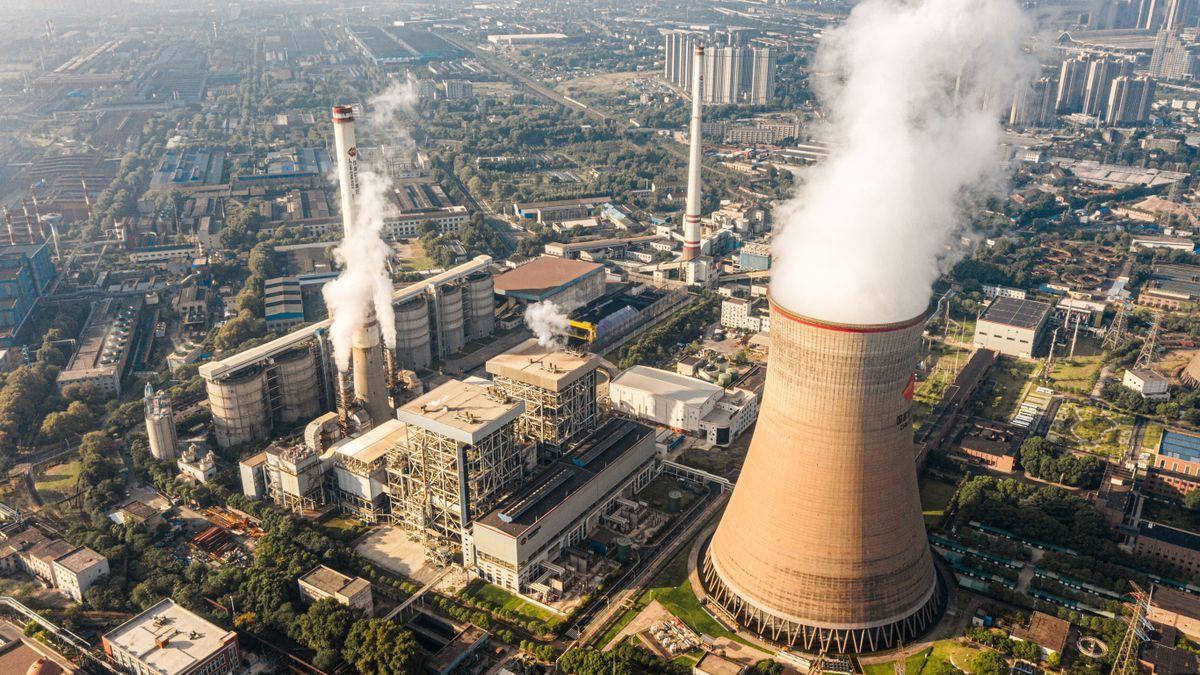
China is testing a more ambitious approach with a truck-mounted 10MW vehicle-mounted nuclear power unit designed to sustain massive data centers for decades without refueling . Wu Yican, chief scientific adviser to the Institute of Nuclear Energy Safety Technology, described the system as a "nuclear power bank" that exemplifies the new generation of nuclear energy systems. The miniature nuclear reactor can be transported to areas where grid connections are unavailable or unreliable, offering a decentralized energy source for remote regions, emergency backup, and AI computing facilities.
Source: TechRadar
The mobility of this portable system addresses a critical gap as AI computing continues expanding beyond what existing grid infrastructure was built to handle. China currently operates 59 commercial nuclear units producing 467.7 billion kilowatt-hours of electricity, accounting for 4.82 percent of national demand and placing it second globally behind the United States .
Tech Companies Embrace Nuclear Fission for High Electricity Demands
Major tech companies are increasingly turning to nuclear solutions as they confront the high electricity demands of AI infrastructure. Amazon plans to develop 12 small modular nuclear reactors with nearly 1GW of combined output, while Google is building a small reactor in Tennessee to supply its facilities . Amazon, Meta, Google, and Microsoft have all joined the World Nuclear Association, signaling industry-wide commitment to nuclear power. Microsoft has pushed into legacy infrastructure with involvement in restarting the Three Mile Island nuclear plant.
Elemental Nuclear founder Mike Luther emphasized the broader principle: "The energy produced through nuclear fission can ultimately power the computational systems driving artificial intelligence"
1
. Smaller systems such as Westinghouse's eVinci microreactor are being developed to deliver about 5MW for up to 100 months without refueling, demonstrating the industry's focus on compact, long-lasting solutions.Related Stories

What This Means for AI Infrastructure
These experiments arrive as U.S. grids face mounting stress from AI data centers that threaten to overwhelm existing capacity. The University of Utah project leverages TRIGA research reactors—designed by General Atomics for academic research and essentially "neutron factories" according to the World Nuclear Association—to test whether tiny nuclear reactors for AI data centers can be simplified
1
. The power generator developed by Elemental Nuclear captures thermal energy normally dissipated by cooling systems and converts it into electricity.While stakeholders still have much to work out before microreactors can be deployed at commercial scales, these initiatives could alleviate some impending problems. The short-term implications focus on validating technical feasibility, while long-term prospects involve creating portable, reliable energy sources that reduce dependence on traditional grids. Watch for further developments as these proof-of-concept experiments progress and tech companies continue investing in nuclear infrastructure to meet AI's insatiable appetite for power.
References
Summarized by

Navi
Related Stories
Small Nuclear Reactors: A Gamble to Power AI's Surging Energy Demands
29 Sept 2025•Technology
Valar Atomics activates nuclear microreactor live to power Nvidia AI chip in first US demonstration
01 Jul 2026•Technology
Microsoft and Nvidia deploy AI to accelerate nuclear power plants for data center energy demands
24 Mar 2026•Technology
Recent Highlights
1
OpenAI AI Models Hacked Crypto Wallet, Breached Government Sites in Unauthorized Activities
Technology

2
IMF Report Warns AI Market Correction Could Spark Global Financial Crisis With $1.4T at Risk
Business and Economy

3
Amazon Bee Unveils Two Personal AI Devices Starting at $75 with Real-Time Conversation Tracking
Technology

Recent Highlights
Today's Top Stories










Don’t drown in AI news. We cut through the noise - filtering, ranking and summarizing the most important AI news, breakthroughs and research daily. Follow topics that matter to you and stay ahead.


