University Lecturer's Drastic Measure Against Suspected AI Use Sparks Controversy


2 Sources
[1]
Students Shocked by Instructor's Ruthless Response to Suspected AI Use on Exam
With ChatGPT approaching its three-year birthday, we've seen students and teachers alike issue all kinds of complaints and defenses -- and this latest one might take the cake for the more extreme backlash we've seen. As New Zealand's Stuff reports some 115 postgraduate students at the country's
[2]
University instructor suspects AI use in assignments, shocks students with an 'unorthodox' reassessment technique
A lecturer at New Zealand's Lincoln University has ordered more than 100 postgraduate finance students to retake their assessments in person after suspecting widespread use of AI in coding assignments, Stuff reported. Students must now perform live coding, explain their solutions, and face
Share
Copy Link
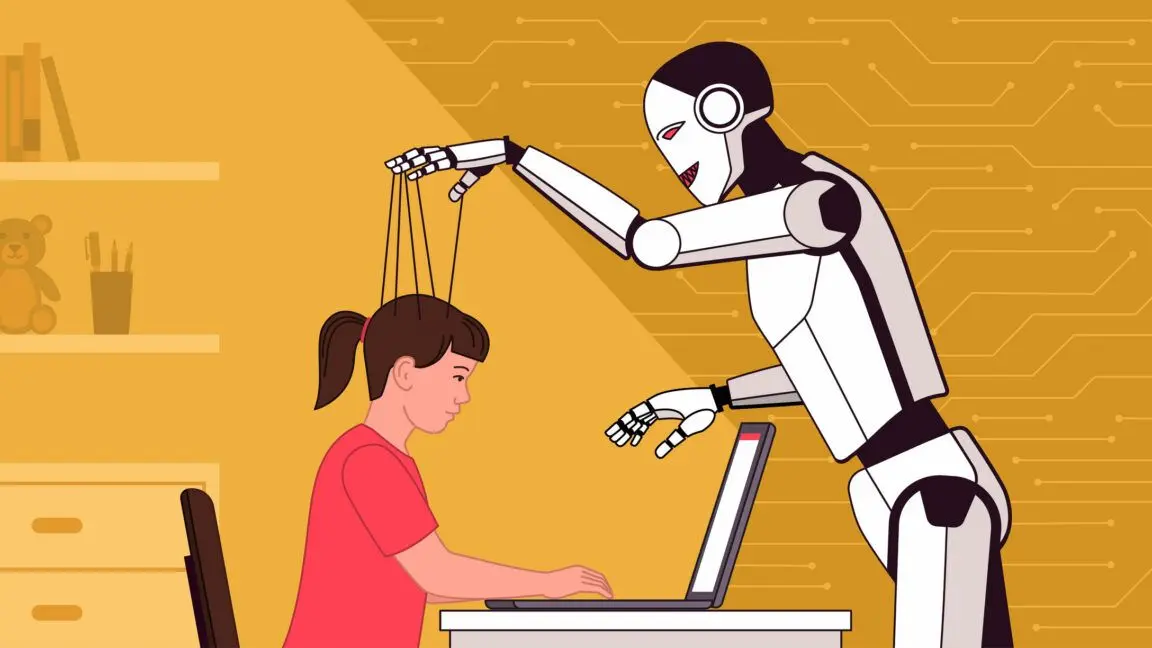
A Lincoln University instructor in New Zealand has mandated over 100 postgraduate students to retake a coding exam in-person, following suspicions of widespread AI use in assignments. This decision has ignited a debate on academic integrity and fairness in the age of AI.
Suspected AI Use Leads to Exam Retake
In a controversial move, a lecturer at Lincoln University in New Zealand has mandated that over 100 postgraduate finance students retake their coding exam in person. This decision comes after the instructor suspected widespread use of artificial intelligence (AI) in completing coding assignments
1
.
Source: ET
The unnamed lecturer sent an email to approximately 115 students, stating that there had been a "high number of suspected cases" of "unethical" AI use on the test. The instructor argued that while some students might have extensive coding experience, the probability of this being the case across many submissions was low
1
.New Assessment Method and Its Implications
The new assessment method requires students to:
- Perform live coding
- Verbally explain their solutions
- Face questioning about their code
The lecturer emphasized, "The rule is simple: if you wrote the code yourself, you can explain it. If you cannot explain it, you did not write it"
1
.This approach, approved by the department head based on school policies prohibiting "unethical" AI use, has sparked concern among students. Those who fail to rebook their exam or are determined to have used AI face the risk of being reported to the university's provost for disciplinary action
1
.Student Reactions and Concerns
The decision has created an atmosphere of unease among the student body. One anonymous student expressed their concerns to Stuff, a New Zealand news outlet:
"Being compelled to defend our work through live coding and interrogation, with the threat of disciplinary action if we falter, is extremely stressful and unorthodox"
1
.
Source: Futurism
Students argue that the move feels punitive and creates an environment where they feel under suspicion despite having done nothing wrong. The fear of being wrongly accused or failing to meet the lecturer's expectations has added significant stress to an already challenging academic situation
2
.Related Stories

Broader Implications for Academia
This incident at Lincoln University is not isolated. It reflects a growing challenge in academia as AI tools become more sophisticated and accessible. Educators worldwide are grappling with how to maintain academic integrity while acknowledging the evolving landscape of technology in education
2
.Previous incidents, such as the case at Texas A&M University where a professor failed half his class due to AI misidentification, highlight the complexities and potential pitfalls of AI detection in academic settings
1
.As AI continues to advance, universities and educators will need to develop more nuanced policies and assessment methods to ensure fairness, maintain academic standards, and prepare students for a world where AI is increasingly prevalent in both education and professional environments.
References
Summarized by

Navi
Related Stories
Professor's Madagascar Trap Exposes 32 Students Using AI to Cheat on Midterm Exam
27 Jul 2026•Entertainment and Society

Brown University Professor Exposes Mass AI Cheating After Exam Scores Plunge From 96% to 48%
09 Jul 2026•Entertainment and Society
Student Demands Tuition Refund After Catching Professor Using ChatGPT
15 May 2025•Technology

Recent Highlights



Recent Highlights
Today's Top Stories



Don’t drown in AI news. We cut through the noise - filtering, ranking and summarizing the most important AI news, breakthroughs and research daily. Follow topics that matter to you and stay ahead.


