US Energy Department Warns of Increased Blackout Risk by 2030, Citing AI and Reindustrialization


6 Sources
[1]
Lack of new US power capacity could double blackouts by 2030, says Energy Department
July 7 (Reuters) - U.S. power outages could double in five years if suppliers fail to add capacity during peak demand, the Department of Energy said on Monday. "Blackouts could increase by 100% in 2030 if the U.S. continues to shutter reliable power sources," DOE noted in a report on grid
[2]
Blackout risks rising as AI, reindustrialization push strain grid
The Trump administration warned Monday that the risk of blackouts could be 100 times greater by the end of the decade, as the race to develop artificial intelligence (AI) and the push to reshore manufacturing strain the electrical grid. In a new report, the Department of Energy noted that 104
[3]
Lack of New US Power Capacity Could Double Blackouts by 2030, Says Energy Department
(Reuters) -U.S. power outages could double in five years if suppliers fail to add capacity during peak demand, the Department of Energy said on Monday. "Blackouts could increase by 100% in 2030 if the U.S. continues to shutter reliable power sources," DOE noted in a report on grid reliability and
[4]
Get Ready For 800 Hours Of Blackouts, Trump's DOE Warns - Oklo (NYSE:OKLO)
The Department of Energy (DOE) under President Donald Trump released a report warning that the planned shutdown of existing power plants, combined with delays in bringing new energy sources online, could result in a significant increase in blackouts by the end of the decade. Key Findings from the
[5]

Trump's Energy Department warns US may face 800 hours of blackouts by 2030
DOE's report found that with about 104 gigawatts of energy-generating capacity scheduled to be retired by 2030, power outages could see a significant rise if that capacity isn't replaced in a timely manner. It is estimated that annual outage hours could rise from single digits today to over 800
[6]

Lack of new US power capacity could double blackouts by 2030, says Energy Department
(Reuters) -U.S. power outages could double in five years if suppliers fail to add capacity during peak demand, the Department of Energy said on Monday. "Blackouts could increase by 100% in 2030 if the U.S. continues to shutter reliable power sources," DOE noted in a report on grid reliability and
Share
Copy Link
The US Department of Energy reports that power outages could double by 2030 due to insufficient new power capacity, with AI and reindustrialization straining the electrical grid.
US Energy Department Warns of Looming Power Crisis
The U.S. Department of Energy (DOE) has issued a stark warning about the potential for widespread power outages by 2030. According to a recent report on grid reliability and security, blackouts could increase by 100% if the United States continues to close reliable power sources without adequate replacements
1
2
.
Source: Benzinga
Retiring Power Plants and Insufficient Replacements
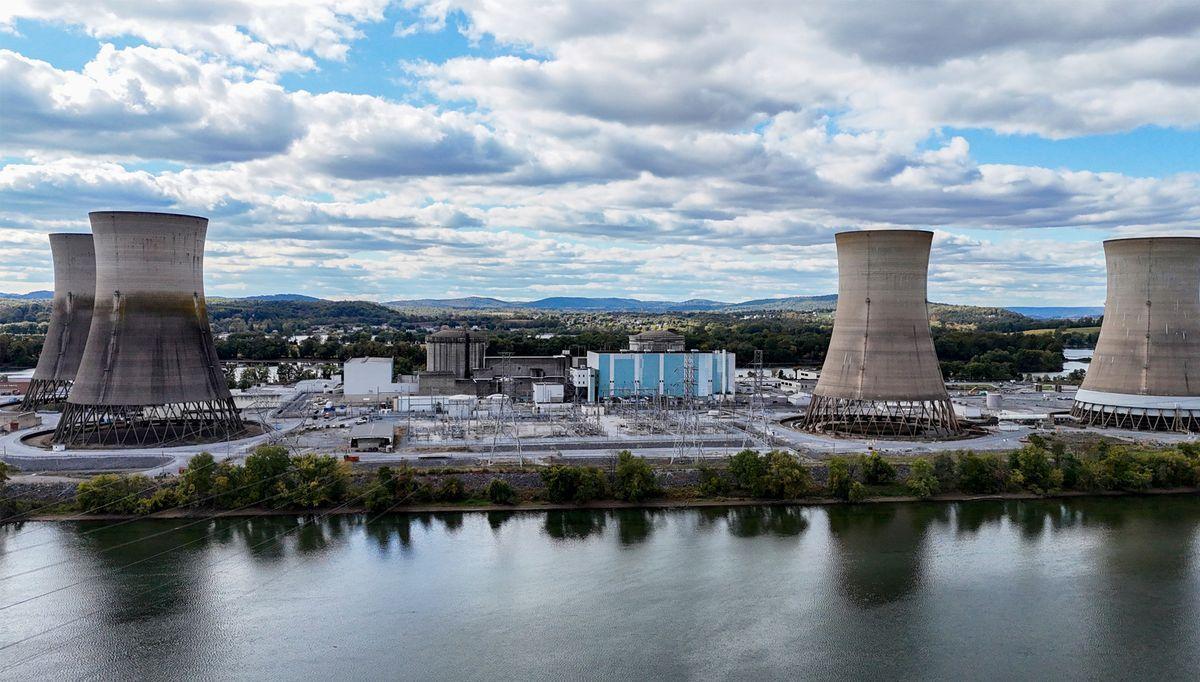
The DOE report highlights that approximately 104 gigawatts (GW) of current power generation capacity are set to be retired by 2030. While 209 GW of new electricity generation is expected to be added during this period, only 22 GW will come from power sources that provide stable and continuous power supply
1
3
. This discrepancy raises significant concerns about the grid's ability to meet future demand.AI and Reindustrialization Driving Demand
The gap between electricity demand and supply is widening, particularly as artificial intelligence (AI) drives the need for more power-hungry data centers. The DOE estimates that data centers supporting AI training and usage could add between 35 GW to 108 GW in load growth to the grid by the end of the decade
2
4
.Potential Impact on Consumers
If current trends continue, the average annual outage time could increase dramatically from about 8 hours per year to more than 800 hours per year by 2030
2
. This potential crisis has sparked debate about the best approach to ensure grid reliability and security.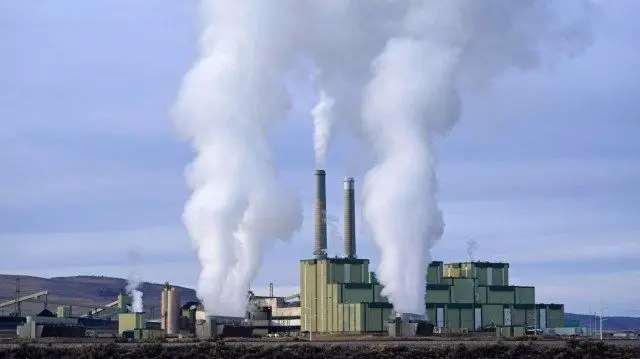
Source: The Hill
Related Stories
Political Debate and Policy Implications
The report has fueled political discussions, with the Trump administration citing it as evidence for the need to maintain current power sources such as coal and natural gas. Energy Secretary Chris Wright emphasized the importance of a strategy of "energy addition" to support all forms of affordable, reliable, and secure energy
2
5
.However, some industry groups have questioned the report's findings. Advanced Energy United, a trade group representing the advanced energy industry, suggested that the report may overstate the risks of blackouts and undervalue resources like wind, solar, and battery storage
2
.Call for Comprehensive Grid Evaluation
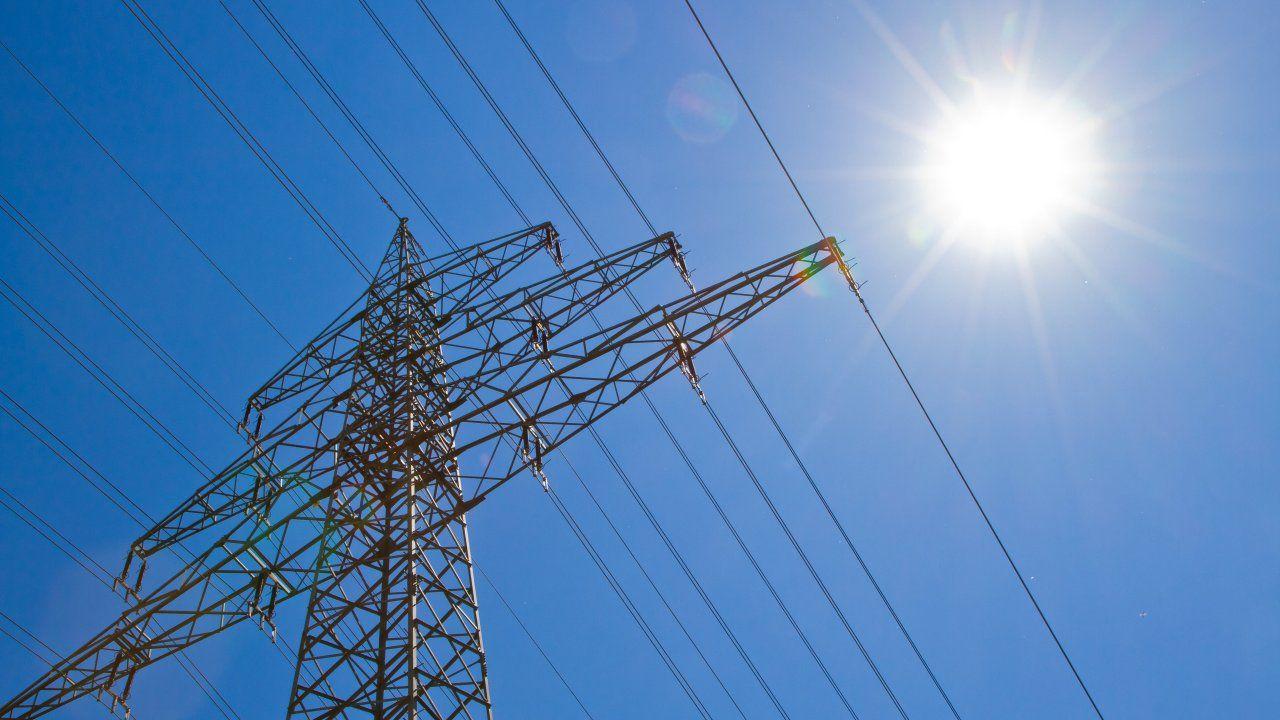
The DOE report also highlighted the need for more sophisticated methods of evaluating resource adequacy. It recommended incorporating frequency, magnitude, and duration of power outages into assessments, moving beyond exclusively analyzing peak load time periods, and developing integrated models to properly analyze increasing reliance on neighboring grids
5
.
Source: Sky News
As the United States grapples with these challenges, the debate over energy policy and grid reliability is likely to intensify, with significant implications for consumers, businesses, and the country's technological competitiveness in the years to come.
References
Summarized by

Navi
Related Stories
US Power Consumption Set for Record Highs in 2026-2027 as AI Data Centers Drive Demand Surge
07 Oct 2026•Business and Economy

AI Data Centers Strain US Power Grid, Raising Concerns for Future Reliability
14 Mar 2025•Technology
AI and Crypto Mining Surge Threatens North American Power Grid Stability
18 Dec 2024•Technology

Recent Highlights



Recent Highlights
Today's Top Stories



Don’t drown in AI news. We cut through the noise - filtering, ranking and summarizing the most important AI news, breakthroughs and research daily. Follow topics that matter to you and stay ahead.


