Trump's 'Big Beautiful Bill' Proposes 10-Year Moratorium on State AI Regulation


3 Sources
[1]
There's a Lot of AI in Trump's 'Big Beautiful Bill': Here's What It Does and Why Elon Is Not a Fan
President Trump's controversial "Big Beautiful Bill" proposes a widespread AI-ification of the federal government, with billions in fresh funding for it. H.R. 1, which is actually called the One Big Beautiful Bill Act, contains about a dozen AI initiatives, some of which have specific budgets,
[2]
"One Big Beautiful Bill": House backs Trump plan to freeze state AI laws for a decade
The big picture: The US House of Representatives narrowly approved President Donald Trump's "One Big Beautiful Bill," clearing the path for sweeping changes to the country's tax code and immigration policy. The bill also contains a contentious clause that blocks states from regulating artificial
[3]
'Beautiful Bill' moots decade-long pause on AI-related state laws
US president Donald Trump's "One Big Beautiful Bill", passed by the House of Representatives on Thursday, brought in a whole host of changes, from tax breaks and immigration crackdowns to tweaking welfare programmes. But it also had a significant AI-related provision snuck in - a 10-year moratorium
Share
Copy Link
The US House of Representatives narrowly passed President Trump's "One Big Beautiful Bill," which includes a controversial 10-year ban on state-level AI regulation, sparking debate over innovation, states' rights, and potential risks.
Trump's 'Big Beautiful Bill' Passes House with Controversial AI Provisions
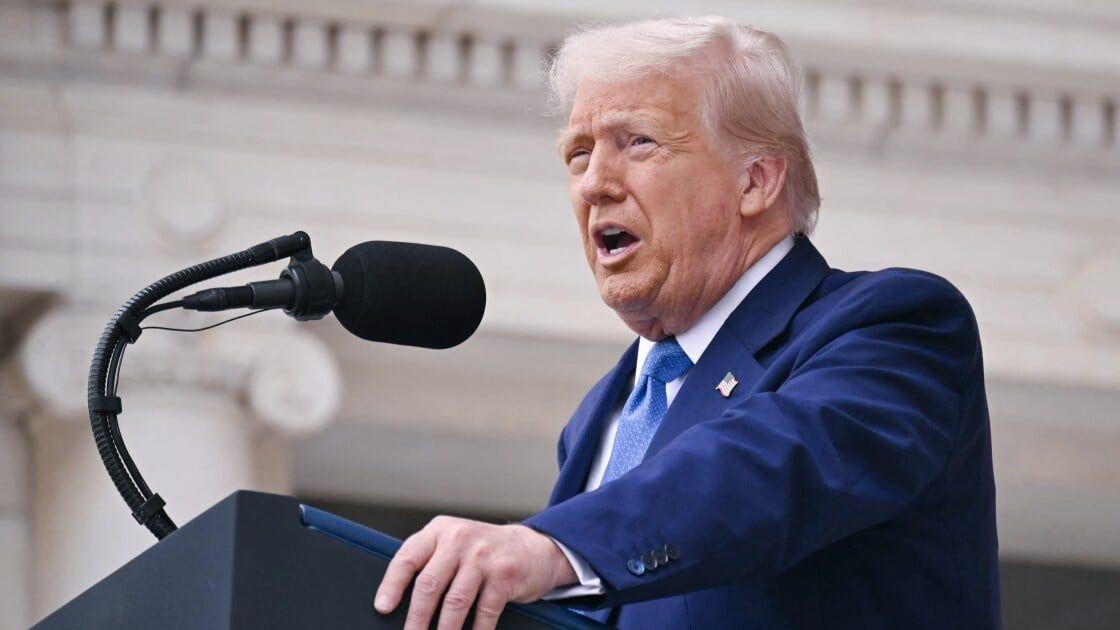
The US House of Representatives has narrowly approved President Donald Trump's "One Big Beautiful Bill Act" (H.R. 1) by a vote of 215-214
1
. This comprehensive legislation, which aims to overhaul various aspects of federal policy, includes significant provisions related to artificial intelligence (AI) that have sparked intense debate among lawmakers, tech industry leaders, and advocacy groups.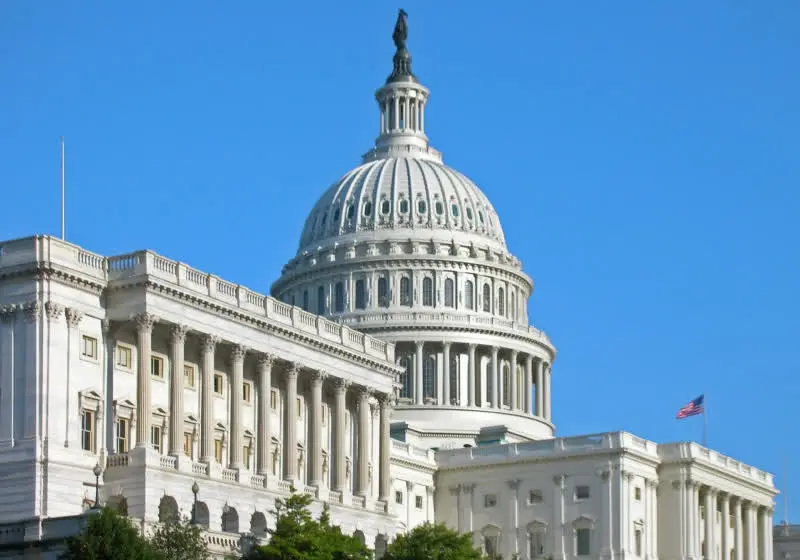
Source: TechSpot
Key AI Initiatives and Funding
The bill proposes several AI-related initiatives with substantial funding allocations:
- $250 million for AI ecosystem advancement at the Department of Defense
- AI implementation to reduce improper Medicare payments
- $500 million through 2035 for federal IT system modernization using AI
- AI deployment for combating narcotics entry across borders
1
These initiatives reflect a push towards widespread AI adoption in federal operations, with the potential to significantly impact various sectors of government.
Controversial 10-Year Moratorium on State AI Regulation
At the heart of the controversy is a provision that would impose a 10-year moratorium on state-level AI regulation
1
2
. This clause prohibits states and political subdivisions from enforcing any laws regulating AI models, systems, or automated decision systems during this period3
.Supporters argue that this moratorium is necessary to:
- Prevent a patchwork of conflicting state regulations
- Foster innovation and maintain US competitiveness in AI
- Streamline AI deployment across various sectors
1
3
Critics, however, raise several concerns:
- Potential risks to public safety and well-being
- Undermining of states' rights to self-governance
- Possible national security threats from unregulated AI development
2
Industry Reactions and Implications
The tech industry has largely supported the bill's approach to AI regulation. Jason Oxman, president and CEO of the ITI Council, expressed appreciation for the government's recognition that a patchwork of state laws could jeopardize national AI priorities
3
. Companies like Google and OpenAI have advocated for a unified, risk-based standard for AI development and deployment3
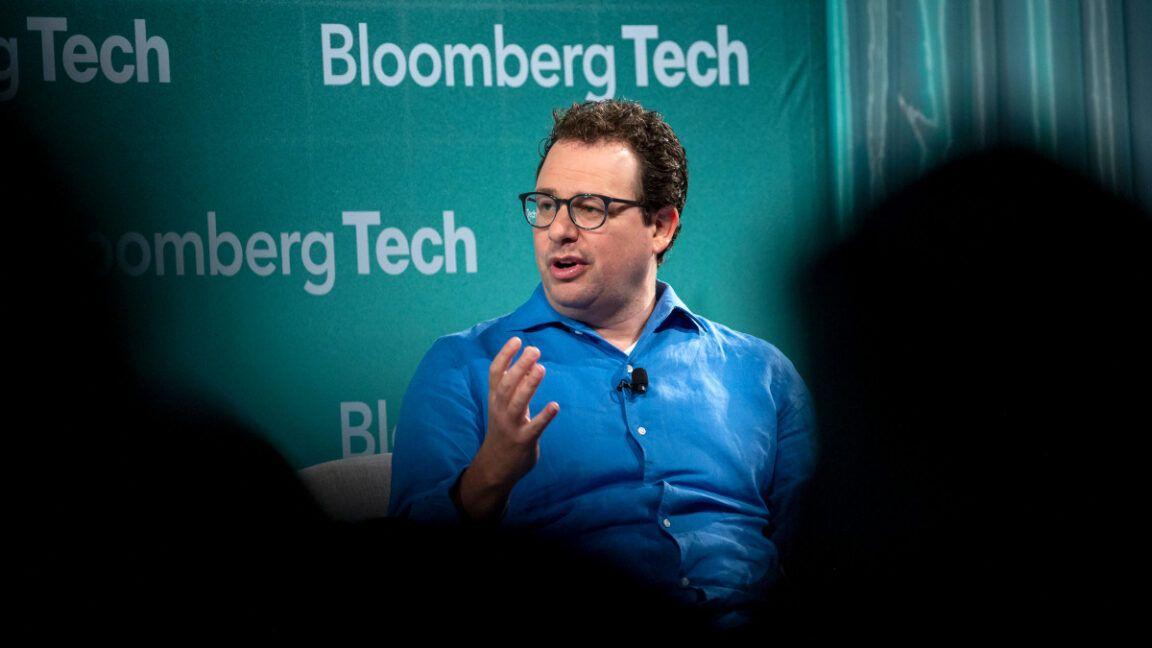
.However, some notable figures in the tech world have expressed reservations. Elon Musk, for instance, criticized the bill for increasing the federal deficit and potentially undermining the work of the Department of Government Efficiency (DOGE)
1
.Related Stories
Opposition and Legal Challenges
A group of 40 state attorneys general has voiced strong opposition to the moratorium, arguing that it would be "wholly destructive of reasonable state efforts to prevent known harms associated with AI"
3
. Legal experts have also raised concerns about the broad and vague nature of the moratorium, suggesting it could have far-reaching and unintended consequences1
.The Road Ahead
While the bill has passed the House, it faces significant challenges in the Senate. Moderate Republicans have expressed concerns about Medicaid cuts, and procedural issues may arise due to the Byrd Rule, which limits the scope of budget reconciliation bills
1
.
Source: PC Magazine
As the debate continues, the outcome of this legislation could have profound implications for the future of AI regulation in the United States, potentially reshaping the balance of power between federal and state governments in technology policy
2
.References
Summarized by

Navi
[1]
Related Stories
GOP Proposes 10-Year Ban on State AI Regulation in Budget Bill
13 May 2025•Policy and Regulation

Proposed Moratorium on State AI Regulations Sparks Debate in US Congress
22 May 2025•Policy and Regulation

Republican Push for Federal AI Regulation Moratorium Faces Opposition and Controversy
18 Jun 2025•Policy and Regulation

Recent Highlights



Recent Highlights
Today's Top Stories



Don’t drown in AI news. We cut through the noise - filtering, ranking and summarizing the most important AI news, breakthroughs and research daily. Follow topics that matter to you and stay ahead.


