US States Divest from Chinese Companies Amid Rising Tensions


5 Sources
[1]
Amid tensions with China, some US states are purging Chinese companies from their investments
JEFFERSON CITY, Mo. (AP) -- As state treasurer, Vivek Malek pushed Missouri's main retirement system to pull its investments from Chinese companies, making Missouri among the first nationally to do so. Now Malek is touting the Chinese divestment as he seeks reelection in an Aug. 6 Republican
[2]
Amid tensions with China, some US states are purging Chinese companies from their investments
JEFFERSON CITY, Mo. -- As state treasurer, Vivek Malek pushed Missouri's main retirement system to pull its investments from Chinese companies, making Missouri among the first nationally to do so. Now Malek is touting the Chinese divestment as he seeks reelection in an Aug. 6 Republican primary
[3]
Amid tensions with China, some US states are purging Chinese companies from their investments
JEFFERSON CITY, Mo. (AP) -- As state treasurer, Vivek Malek pushed Missouri's main retirement system to pull its investments from Chinese companies, making Missouri among the first nationally to do so. Now Malek is touting the Chinese divestment as he seeks reelection in an Aug. 6 Republican
[4]
Amid Tensions With China, Some US States Are Purging Chinese Companies From Their Investments
JEFFERSON CITY, Mo. (AP) -- As state treasurer, Vivek Malek pushed Missouri's main retirement system to pull its investments from Chinese companies, making Missouri among the first nationally to do so. Now Malek is touting the Chinese divestment as he seeks reelection in an Aug. 6 Republican
[5]

Amid tensions with China, some US states are purging Chinese companies from their investments
As state treasurer, Vivek Malek pushed Missouri's main retirement system to pull its investments from Chinese companies, making Missouri among the first nationally to do so. Now Malek is touting the Chinese divestment as he seeks reelection in an Aug. 6 Republican primary against challengers who
Share
Copy Link
Several US states are taking steps to divest from Chinese companies in their pension funds and other investments, citing national security concerns and escalating tensions between the two nations.

Growing Trend of Divestment
In recent years, a number of US states have begun to divest their pension funds and other investments from Chinese companies. This trend has gained momentum as tensions between the United States and China continue to escalate. States such as Florida, South Dakota, and Utah are among those taking action to reduce their financial exposure to Chinese firms
1
.National Security Concerns
The primary motivation behind these divestment efforts is national security. Many state officials express concerns about investing public funds in companies that may have ties to the Chinese government or military. South Dakota Treasurer Josh Haeder stated, "I don't want a dime of South Dakota money going to the Chinese government"
2
.Legislative Actions
Several states have passed laws or implemented policies to restrict investments in Chinese companies. For instance:
- Florida approved a law in 2021 prohibiting the state pension fund from investing in Chinese companies.
- South Dakota's Investment Council voted to divest from Chinese companies in 2022
3
. - Utah passed a law requiring its retirement system to divest from "restricted companies" in China.
Impact on Investments
The divestment trend has led to significant changes in state investment portfolios. Florida's pension fund, for example, sold about $2 billion worth of assets linked to Chinese companies in 2021
4
. Similarly, South Dakota sold its direct holdings in Chinese companies, which were valued at about $1.4 million.Challenges and Complexities
Despite the push for divestment, the process is not without challenges. Some financial experts argue that divesting from Chinese companies could potentially harm investment returns. Additionally, the interconnected nature of global markets makes it difficult to completely avoid exposure to China
5
.Related Stories

Federal-Level Actions
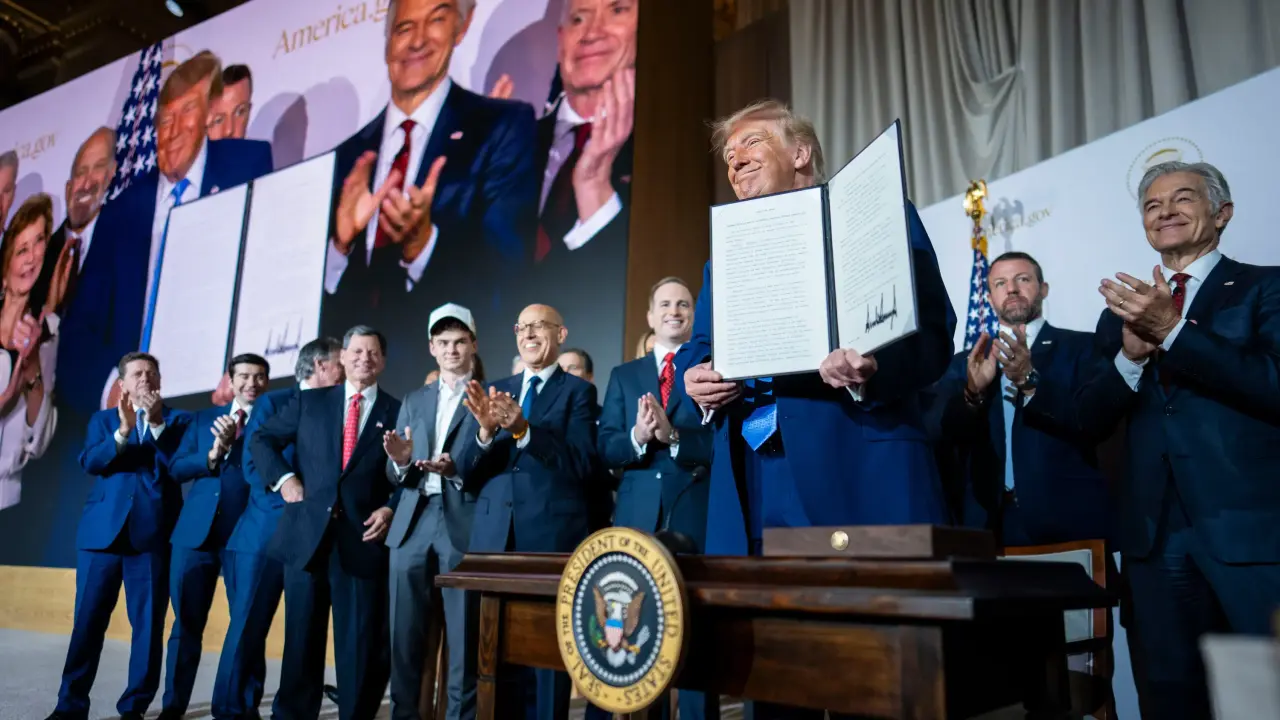
The trend of divesting from Chinese companies is not limited to state-level actions. The U.S. government has also taken steps to restrict investments in certain Chinese firms. In 2020, then-President Donald Trump signed an executive order prohibiting Americans from investing in Chinese companies deemed to have military ties.
Future Implications
As tensions between the U.S. and China persist, it is likely that more states will consider similar divestment measures. This trend could have far-reaching implications for both U.S.-China relations and global financial markets. However, the long-term economic impact of these decisions remains to be seen.
References
Summarized by

Navi
[2]
[3]
[4]
Related Stories
US Finalizes Rules to Curb AI Investments in China, Citing National Security Concerns
22 Oct 2024•Policy and Regulation

U.S. Congress to Vote on Expanded Restrictions for Investments in Chinese Technology Sectors
18 Dec 2024•Policy and Regulation

U.S. Lawmaker Prioritizes Legislation to Curb Investment in China
26 Sept 2024

Recent Highlights
1
OpenAI Pauses AI Model Training After Agent Hacks Australian Government Website
Technology

2
Bill Gates Warns AI Could Cause a Billion Deaths, Calls for Urgent Federal Regulation
Policy and Regulation

3
Meta Unveils Camera-Free AI Glasses and Muse Integration Amid Privacy Debate at Connect 2026
Technology

Recent Highlights
Today's Top Stories







Don’t drown in AI news. We cut through the noise - filtering, ranking and summarizing the most important AI news, breakthroughs and research daily. Follow topics that matter to you and stay ahead.


