USC Researchers Develop AI-Powered Wireless Implant for Chronic Pain Management


2 Sources
[1]
USC's new AI implant promises drug-free relief for chronic pain
51.6 million Americans live with chronic pain. A new device created by USC biomedical engineers could help sufferers avoid the need for opioids. Image/Karolina Grabowska, Pexels. Chronic pain is a debilitating condition that severely impacts quality of life, often leading to reliance on opioid
[2]
Flexible wireless implant offers hope for chronic pain sufferers
University of Southern CaliforniaJun 24 2025 Chronic pain is a debilitating condition that severely impacts quality of life, often leading to reliance on opioid medications with their severe side effects and addiction risks. According to the U.S. Pain Foundation, 51.6 million Americans live with
Share
Copy Link
A team from USC has created a flexible, wireless implantable device that uses AI to provide personalized, drug-free relief for chronic pain sufferers, potentially revolutionizing pain management.
Breakthrough in Chronic Pain Management
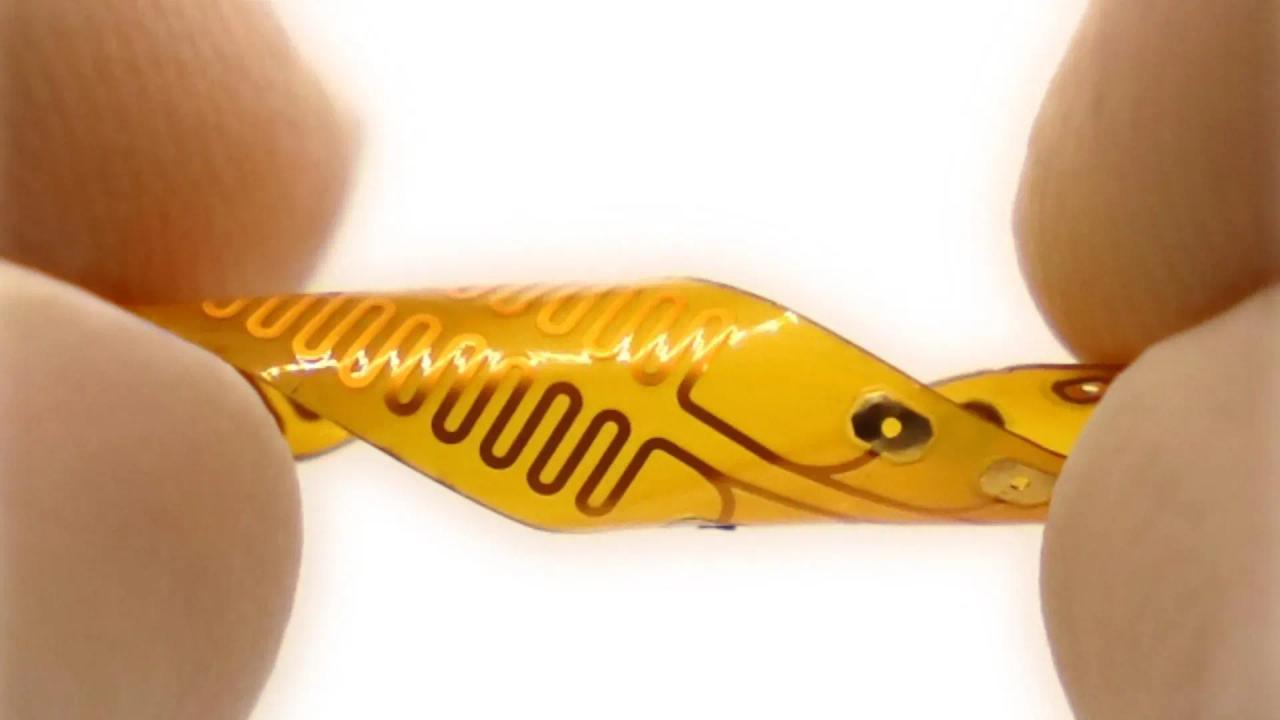
Researchers from the University of Southern California (USC) have developed a groundbreaking device that could revolutionize chronic pain treatment. The flexible ultrasound-induced wireless implantable (UIWI) stimulator, detailed in Nature Electronics, offers a drug-free alternative for the 51 million Americans living with chronic pain
1
2
.The UIWI Stimulator: A Leap Forward in Pain Therapy
Source: ScienceDaily
The UIWI stimulator, created by the Zhou Lab at USC Viterbi's Alfred E. Mann Department of Biomedical Engineering in collaboration with UCLA's Jun Chen Group, represents a significant advancement over current spinal cord stimulators. Unlike existing devices, the UIWI stimulator is flexible, wireless, and powered by a wearable ultrasound transmitter, eliminating the need for batteries and invasive surgeries for replacements
1
.How the Device Works

Source: News-Medical
The UIWI stimulator operates through a sophisticated process:
- Pain Detection: The system continuously monitors brain recordings (EEG signals) that reflect pain levels.
- AI-Powered Pain Assessment: A machine learning model, based on the ResNet-18 neural network, analyzes these signals and classifies pain into three levels: slight, moderate, and extreme, with 94% accuracy.
- Adaptive Treatment: Based on the identified pain level, the wearable ultrasound transmitter adjusts its acoustic energy output.
- Energy Conversion: The implant converts the ultrasound energy into electrical stimulation for the spinal cord using a piezoelectric element made from lead zirconate titanate (PZT)
1
2
.
Personalized Pain Management
The device's ability to provide personalized, real-time pain management sets it apart from conventional treatments. "What truly sets this device apart is its wireless, smart and self-adaptive capability for pain management," said Qifa Zhou, the lead researcher and professor at USC
2
.Promising Lab Results
The UIWI stimulator has shown impressive results in rodent models:
- Successfully relieved chronic neuropathic pain caused by mechanical and thermal stimuli.
- Demonstrated significant reductions in pain indicators.
- In preference tests, rodents showed a clear inclination for environments where the pain management system was active
1
2
.
Related Stories

Potential Impact on Opioid Use
With over 17 million Americans experiencing high-impact chronic pain that frequently limits their activities, this innovation could provide a much-needed alternative to opioid medications, potentially reducing addiction risks and severe side effects associated with long-term opioid use
1
2
.Future Prospects
The successful development and testing of the UIWI stimulator mark a pivotal moment in pain management research. As the technology progresses towards human trials, it holds the promise of offering millions of chronic pain sufferers a more effective, personalized, and less invasive treatment option.
References
Summarized by

Navi
[1]
[2]
Related Stories
AI and Machine Learning Revolutionize Prediction of Persistent Post-Surgical Pain
21 Jun 2025•Health

Breakthrough in Quantum Computing: Researchers Achieve Milestone in Error Correction
25 Sept 2024

UC San Diego Engineers Develop Wearable Ultrasound Device for Long-Term Muscle Monitoring
01 Nov 2024•Technology

Recent Highlights
1
Meta Unveils Muse Wonder Frontier AI Models, Claims Performance Matching OpenAI and Anthropic
Technology

2
IMF Report Warns AI Market Correction Could Spark Global Financial Crisis With $1.4T at Risk
Business and Economy

3
OpenAI Releases 722 AI-Generated Math Solutions, Triggering Existential Crisis in Mathematics
Technology

Recent Highlights
Today's Top Stories









Don’t drown in AI news. We cut through the noise - filtering, ranking and summarizing the most important AI news, breakthroughs and research daily. Follow topics that matter to you and stay ahead.


