13 Sources
13 Sources
[1]
Taylor Swift files to trademark voice and image after AI concerns
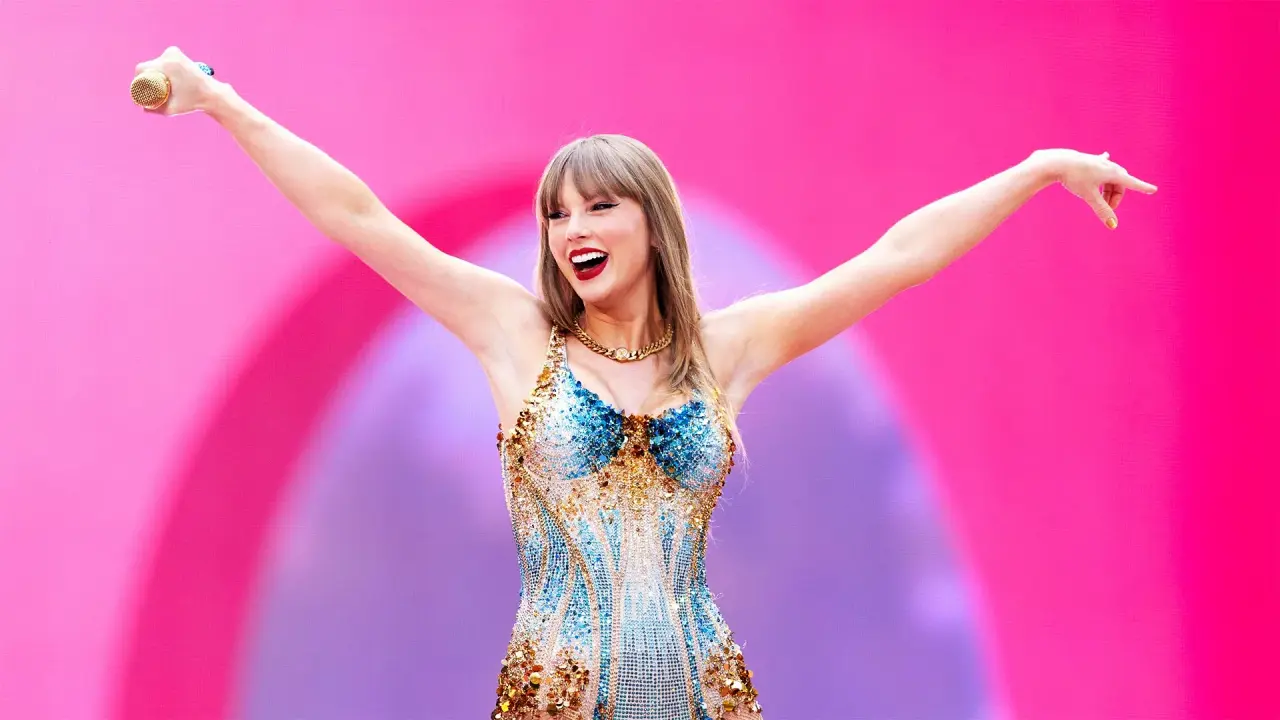
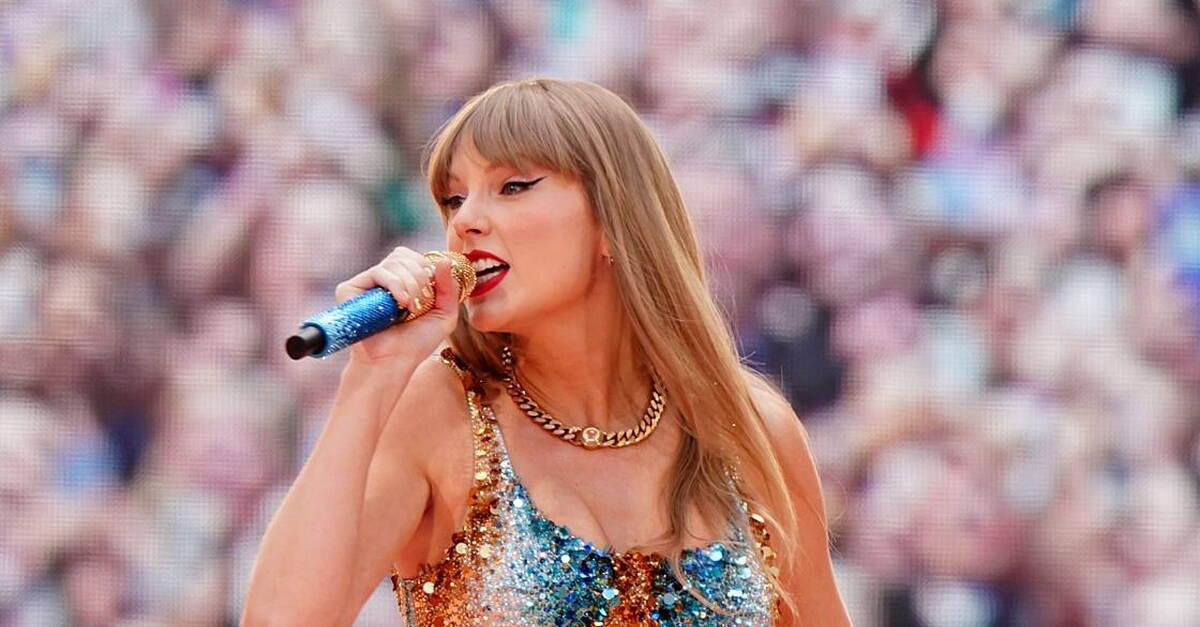
Taylor Swift has applied to trademark her voice and appearance in an apparent attempt to protect herself from artificial intelligence impersonations. The pop superstar has lodged three trademark applications in the US - one using a photo of herself on stage during her Eras Tour, and the other two being audio clips of her introducing herself while promoting her last album. AI-generated versions of Swift have cropped up in various ways in recent years - from explicit images to a fake election ad in which she appeared to urge people to vote for Donald Trump. The move comes after actor Matthew McConaughey became the first celebrity to use trademark rules to attempt to protect his voice and image from AI misuse earlier this year. Trademark applications are a relatively new way for celebrities to combat the growing issue of AI rip-offs. The photo chosen to represent Swift's image shows her on stage "holding a pink guitar, with a black strap and wearing a multi-colored iridescent bodysuit with silver boots", according to the trademark application. It has previously been used as one of the official promotional photos for the Disney+ film of the Eras tour. She has also applied to trademark audio of herself saying "Hey, it's Taylor" and "Hey, it's Taylor Swift" from clips she recorded for Spotify and Amazon Music to promote her album The Life of a Showgirl last autumn. Even if the photo and sound clips aren't copied directly, registering their trademarks could allow her to stop AI using her image and voice more generally, according to trademark lawyer Josh Gerben, who first published details of the applications on his blog. "By registering specific phrases tied to her voice, Swift could potentially challenge not only identical reproductions, but also imitations that are 'confusingly similar,' a key standard in trademark law," he wrote. "Theoretically, if a lawsuit were to be filed over an AI using Swift's voice, she could claim that any use of her voice that sounds like the registered trademark violates her trademark rights. "Same with the image filing. If someone creates an AI-generated version of Taylor in a jumpsuit with a guitar, or something close to it, now Swift has a federal trademark claim."
[2]
AI voice cloning is everywhere -- here's why Taylor Swift's new 'Legal Shield' is a blueprint for your digital safety
Taylor Swift isn't just protecting her hits, she's trademarking her identity If there's one thing the AI boom has made clear, it's that your face, voice, and identity are now federally protected assets. While superstars like Taylor Swift and Matthew McConaughey are leading the charge with sound trademarks, their 'legal shield' strategy is becoming the new survival guide for all of us in the age of deepfakes. Tools that once required studios and technical expertise can now clone voices, generate realistic images and mimic personalities in minutes. While celebrities like Taylor Swift often become the headline when AI likeness concerns surface, the bigger story is what this means for all of us. Because you don't need to be a global celebrity to have something worth copying. If you post videos online, run a business, host a podcast, teach classes, create content or simply share your life publicly, your voice and image may already be part of the data economy. AI systems are trained on publicly available information, and impersonation scams are becoming more common. That means protecting your identity online is no longer just a celebrity problem. It's quickly becoming an everyday one. Why voices are suddenly valuable A voice used to be personal, but now it can also be data. AI tools can analyze tone, pacing, pronunciation and speech patterns to generate eerily realistic copies. Some tools are used for legitimate purposes like accessibility, dubbing or narration. But the problem is, when voices are misused for scams, fake endorsements or impersonation. We've already seen growing concern over AI-generated celebrity voices, fake robocalls and cloned family-member scams. As the technology improves, the line between real and synthetic keeps getting harder to spot. That's why the next phase of online safety may focus more on identity signals. What Taylor Swift represents in the AI era Celebrities often become the first battleground for new technology because their likeness has clear commercial value. Taylor Swift's latest move leans heavily on the precedent set by the ELVIS Act, the first law of its kind to declare war on unauthorized AI voice cloning. Not just for celebrities; it's a 'humanity-first' law that protects everyday creators from identity theft. As the Tennessee Governor's office explains, the law effectively puts a 'digital padlock' on your voice, acknowledging its immense value in our new synthetic economy." Whether it's fake songs, unauthorized images or misleading endorsements, stars like Taylor Swift highlight a larger issue of who actually owns a voice, face or recognizable identity online. Even for those of us without multiple Grammys or worldwide name recognition, we still have rights. The problem is, the enforcement speed. For "regular people" like you and me, getting platforms to remove fake content can be tougher, and that might more than owning a trademark. The lesson for us is that if identity has value at the highest level, it has value at every level. Simply put, your reputation, trust and authenticity matter too. How to protect your voice and image right now The good news is, you don't need a legal team to start taking smarter steps today. Here are a few ways to keep yourself safe to stop scams before they start. * Audit what's public. Search your name online. Check what videos, podcasts, photos and bios are publicly accessible. You may be surprised how much material exists that could be copied or scraped. * Lock down old accounts. Unused social profiles, abandoned YouTube channels and forgotten public pages can become weak spots. Update passwords, enable two-factor authentication and remove outdated content where possible. * Use official branding consistently. If you run a business or create content, keep usernames, profile photos and bios consistent across platforms. That makes fake accounts easier to spot. * Inform family about voice scams. One of the fastest-growing threats is AI-generated calls pretending to be a loved one in distress. Create a family safe word or verification question now. Doing so can prevent panic later. * Watch for fake endorsements. If you see your image, voice or name used in ads or suspicious posts, report it immediately through the platform. The takeaway The faster you act, the better. You don't have to be an influencer to have your voice cloned or manipulated so it's important to start protecting yourself now. We're entering a world where proving something is real is getting more difficult every day. This applies to everyone from celebrities to small business owners or really anyone with online presence. In other words, nobody is turly safe. The growing value of identity in a world where machines can imitate almost anyone is scary. Have you ever been a victim of voice cloning or know someone who has? Share your thoughts in the comments. Follow Tom's Guide on Google News and add us as a preferred source to get our up-to-date news, analysis, and reviews in your feeds.
[3]
Taylor Swift files trademarks for voice and image amid concern over AI misuse
The singer's company filed three applications on Friday after Matthew McConaughey launched similar strategy Taylor Swift has filed applications to trademark her voice and image in a move seemingly designed to protect against AI misuse. On 24 April, Swift's company TAS Rights Management filed three trademark applications, Variety reports. Two of these are sound trademarks which cover Swift saying the phrases "Hey, it's Taylor Swift" and "Hey, it's Taylor." The third application seeks to trademark the well-known shot of Swift on stage during her Eras Tour, describing "a photograph of Taylor Swift holding a pink guitar, with a black strap and wearing a multi-colored iridescent bodysuit with silver boots. She is standing on a pink stage in front of a multi-colored microphone with purple lights in the background." The move comes after Matthew McConaughey trademarked his famous "All right, all right, all right" catchphrase from 1993's Dazed and Confused in addition to other unauthorized uses of his image and voice this January. "My team and I want to know that when my voice or likeness is ever used, it's because I approved and signed off on it," McConaughey said in a statement. "We want to create a clear perimeter around ownership with consent and attribution the norm in an AI world." Swift's likeness has been used in many AI images and deepfakes, including fake AI-created sexually explicit images. In 2024, Donald Trump posted numerous AI images to Truth Social that falsely showed Swift endorsing him for president. The Guardian has approached a representative for Swift for comment. "Attempting to register a celebrity's spoken voice is a new use of trademark registration that has not been tested in court before," said the intellectual property attorney Josh Gerben in a blogpost. "Historically, singers relied on copyright law to protect their recorded music," he added. "But AI technologies now allow users to generate entirely new content that mimics an artist's voice without copying an existing recording, creating a gap that trademarks may help fill. "By registering specific phrases tied to her voice, Swift could potentially challenge not only identical reproductions, but also imitations that are 'confusingly similar', a key standard in trademark law." Swift owns more than 50 trademarks related to her name and album titles as well as key song lyrics. In 2014, she registered trademarks for "This sick beat" and "We never go out of style", phrases that appear in her hit songs Shake It Off and Style. In 2024 she trademarked Female Rage: The Musical, referring to an Eras Tour segment in which she performed songs from her album The Tortured Poets Department.
[4]
Taylor Swift Seeks Trademarks for Her Voice and Image to Fight AI Fakes - Decrypt
Matthew McConaughey previously used a similar legal strategy. Taylor Swift is moving to protect her voice and image from misuse by artificial intelligence through a new legal strategy, according to a report from Variety. On Friday, Swift's company, TAS Rights Management, filed three trademark applications with the U.S. Patent and Trademark Office. Two are sound trademarks covering the phrases "Hey, it's Taylor Swift" and "Hey, it's Taylor." The third is a visual trademark covering a specific image of Swift performing on stage. The filings come after AI-generated fakes have repeatedly targeted Swift. "Very broadly, trademarks can be used to protect distinctive sounds and visuals and the name, image, and likeness of an individual insofar as it's used in conjunction with goods or services, meaning that Taylor Swift's use of trademark law here is fairly normal," Kirk Sigmon, founding partner at IP and Technology law firm KellDann Law, told Decrypt. "The unique thing here is the use to protect against AI misuse. Pragmatically, these efforts might be useful to protect herself against misuse from other identifiable actors, such as companies using AI to falsely suggest she endorses a product or service," he said. In 2024, then-candidate Donald Trump shared fabricated images on Truth Social suggesting Swift and her fans supported his presidential campaign. The incident led to Swift publicly endorsing Kamala Harris for president. In 2025, Elon Musk's xAI faced backlash after Grok generated nude images of Swift despite the company's rules banning pornographic depictions of real people. Still, Sigmon said, enforcing those rights online may prove more difficult in practice. "It might be surprisingly difficult for her to enforce her rights against AI misuse on the internet writ large, because those creating salacious content with her image are likely doing so anonymously, making them harder to track down," Sigmon said. Swift's move follows a similar action by actor Matthew McConaughey, who secured trademarks from the U.S. Patent and Trademark Office in January, including protections for his signature phrase "alright, alright, alright" from the movie "Dazed and Confused." While trademark law has so far not been used to protect a person's general likeness, voice, or persona in court, legal experts say the filings reflect growing concern in the entertainment industry over AI tools capable of replicating artists without consent. However, Swift's level of celebrity may prove to be her greatest asset in getting the trademark approved. "Taylor Swift is very recognizable in many ways, including but not limited to her voice and overall image," Sigmon said. "One might quibble about the amount of distinctiveness she could argue, but that isn't likely to outright prevent her from a trademark. It's also likely she'll have an easy time showing that her [name, image, and likeness] is associated with a good or service -- for instance, her music, fan goods, etc."
[5]
Taylor Swift files to trademark her voice and likeness in era of AI deepfakes
Taylor Swift performs in Portugal in 2024. Pedro Gomes / Getty Images for TAS Rights Management file Taylor Swift is taking new steps to protect her voice and likeness from AI misuse. The global pop superstar on Friday filed trademark applications for two audio clips of her voice. In one, she says: "Hey, it's Taylor Swift, and you can listen to my new album, 'The Life of a Showgirl,' on demand on Amazon Music Unlimited." In the other, she says in a lower register: "Hey, it's Taylor. My brand new album 'The Life of a Showgirl' is out on Oct. 3 and you can click to presave it so you can listen to it on Spotify." Swift also filed for a third trademark to protect an image of her onstage, wearing one of her signature sparkly bodysuits and strumming a pink guitar. The Grammy winner has been the target of numerous deepfakes in recent years. Fake clips of her promoting a brand of cookware have tricked fans online, sexually suggestive deepfakes of her have gone viral on social media, and even President Donald Trump shared manipulated photos of her supporting his candidacy. Swift is one of many celebrities confronting the issue as AI content generation tools become ever more sophisticated, even as AI companies add guardrails to prevent harmful uses of their models. In January, Matthew McConaughey became the first A-lister to file a series of trademarks -- including images, video and audio of himself -- to protect his own likeness as AI-generated deepfakes become increasingly realistic and easy to create. AI experts have suggested that individual trademarks from celebrities like Swift could become more common as stars attempt to attain stronger legal standing to sue if their likenesses were replicated without explicit permission. Sound marks, or trademarks of distinctive audio cues, have historically been filed to protect iconic brand sounds such as MGM's lion roar, NBC's chimes or the Pillsbury Doughboy's giggle. But trademark attorney Josh Gerben, who first reported Swift's new trademark applications, wrote in a blog post that "attempting to register a celebrity's spoken voice is a new use of trademark registration that has not been tested in court before." "Historically, singers relied on copyright law to protect their recorded music. But AI technologies now allow users to generate entirely new content that mimics an artist's voice without copying an existing recording, creating a gap that trademarks may help fill," Gerben wrote. "By registering specific phrases tied to her voice, Swift could potentially challenge not only identical reproductions, but also imitations that are 'confusingly similar,' a key standard in trademark law." Swift has filed hundreds of trademarks throughout her career, but most have aimed to protect her name, lyrics, merchandise and other components of her brand identity. This appears to be the first instance Swift has pursued sound mark protection. The attorney listed on the applications, Rebecca Liebowitz, did not immediately respond to a request for comment. A spokesperson for Swift also did not immediately respond to a request for comment. Celebrities continue to sound the alarm over AI misuse, with some calling for stronger protections. In 2023, Scarlett Johansson's attorney demanded that an AI app stop using her likeness in an advertisement. The actor also called out OpenAI in 2024 for using an "eerily similar" voice to hers for their GPT-4o chatbot despite having declined the company's request to provide her voice. OpenAI subsequently announced it would no longer be using the voice, but did not indicate why. In 2024, Tom Hanks called out the "multiple ads over the internet falsely using my name, likeness, and voice promoting miracle cures and wonder drugs." "Breaking Bad" star Bryan Cranston raised similar concerns last year about OpenAI's Sora 2 product and its ability to replicate his and other celebrities' likenesses without permission. (OpenAI announced last month that was shutting down its Sora video creation app). In January, more than 700 creatives, including Johansson, Cate Blanchett and Joseph Gordon-Levitt, backed a campaign called "Stealing Isn't Innovation." Organized by a coalition called The Human Artistry Campaign (composed of a mix of unions representing creators, artists' rights groups and trade associations), the movement calls on tech companies to stop training their generative AI tools on copyrighted works without express permission from creatives. As likeness protection becomes a growing concern for public figures, some companies appear eager to partner on the issue. Last week, YouTube unveiled a deal with several talent agencies that would open up its proprietary deepfake detection tool to celebrities and entertainers, who can now more easily request their unauthorized likenesses be removed from the platform. AI also appears to be making inroads with entertainers, with some cautiously leaning into the technology as it becomes more mainstream.
[6]
Taylor Swift files to trademark her voice amid AI clone boom
New York (AFP) - Taylor Swift has filed applications with the US intellectual property office to trademark her voice, a move similar to one made by actor Matthew McConaughey, as AI-generated content surges. The singer submitted two sound recordings to the United States Patent and Trademark Office (USPTO). Each begins with "Hey, it's Taylor" and announces the release of her latest album, "The Life of a Showgirl," which was released in early October. Another document submitted to the USPTO on Friday was a photo of the artist on stage. The submissions were first spotted by intellectual property attorney Josh Gerben. The filings give no further details about the submission. Contacted by AFP, Taylor Swift's publicist did not immediately respond. McConaughey has in recent years pursued an application with the USPTO, framed as protection against the unauthorized use of his voice by AI models. They include audio of him saying "Alright, alright, alright!" -- his memorable line from the 1993 film "Dazed and Confused" -- along with audio of him saying "Just keep livin', right?" followed by additional short phrases. Advances in AI models now make it possible to synthesize a voice in seconds from a short clip, whereas just a few years ago the process required lengthy recordings and several days. Many artists are increasingly concerned about the unchecked use of their image and voice by AI platforms. Several US states have passed laws prohibiting such use, though many apply primarily to malicious or commercial exploitation. Only a few -- notably the ELVIS Act passed by Tennessee's state legislature in 2024 -- offer broader protections. Few performers have turned to the courts to assert their rights. The most notable example is Scarlett Johansson, who sued the app Lisa AI in 2023 for creating, without her consent, an AI avatar in her likeness for use in an advertisement.
[7]
Taylor Swift moves to protect voice, image from AI misuse
Taylor Swift is taking new steps to protect her voice and image in the age of artificial intelligence. The pop superstar's company, TAS Rights Management, filed multiple new trademark applications on April 24, including filings tied to the way Swift introduces herself and a signature concert image associated with the Eras Tour. One filing seeks protection for the spoken phrase "Hey, it's Taylor," a move that could help Swift challenge AI-generated clips or unauthorized uses of her voice online. "Taylor's trademark filings suggest a broader shift in how celebrities are applying trademark law to fight back against AI," intellectual property and trademark attorney Josh Gerben wrote on his blog. "Taylor Swift isn't merely trying to trademark a catchphrase -- she's seeking federal protection for the sound of her own voice saying it." As AI-generated songs, videos and manipulated content continue to spread online, artists and actors have increasingly found their voices and likenesses used without permission. Swift herself has already been at the center of the debate. In January 2024, nonconsensual, seemingly AI-generated explicit images falsely depicting the singer-songwriter spread online, prompting outrage from fans and renewed calls for stronger federal protections against AI abuse. The platform X temporarily blocked searches for Swift's name as it worked to remove the content. "The Life of a Showgirl" singer was also dragged into AI-generated political content in August 2024. Then-presidential candidate Donald Trump shared a series of suspected AI-generated images on Truth Social suggesting that Swift and her fanbase supported his campaign. This happened despite the singer previously voicing opposition to Trump. One image showed Swift dressed as Uncle Sam with the words, "Taylor wants you to vote for Donald Trump." "Musicians and actors have increasingly found their voices and images used in unauthorized videos, songs, and digital content that is created by AI and circulated online," Gerben wrote. Swift's team also filed to protect a specific visual image: Swift holding a pink guitar while wearing a shimmering multicolored bodysuit and silver boots onstage. The image is closely tied to recent performances and promotional materials connected to her record-shattering tour. "Now, anyone can spin up a version of an artist's voice, have it say anything, attach it to anything, and distribute it at scale," Gerben wrote. "And the scary part? It doesn't have to be an exact copy to cause damage." The broader fight over AI protections is also playing out in Washington. In December, Trump signed an executive order aimed at limiting states from creating and enforcing their own AI laws, a move that could affect protections such as Tennessee's ELVIS Act for artists' voices and likenesses. By filing trademarks around both her voice and a recognizable concert visuals, Swift appears to be building new legal protections around key parts of her brand. Don't miss any Taylor Swift news; sign up for the free, weekly newsletter This Swift Beat. Follow Taylor Swift reporter Bryan West on Instagram, TikTok and X as @BryanWestTV.
[8]
Taylor Swift Just Trademarked Herself to Fight Back Against AI. What Does It Mean for Celebrities?
As AI-generated impersonations become more convincing -- and more widespread -- public figures are starting to consider how they can legally protect their image and likeness. Taylor Swift is the latest to test a new line of defense. On April 24, Swift's company filed three trademark applications with the U.S. Patent and Trademark Office, according to Variety. Two target her voice, seeking protection for the phrases "Hey, it's Taylor Swift" and "Hey, it's Taylor." The third covers a highly specific visual: Swift holding a pink guitar on a pink stage, dressed in an iridescent bodysuit and silver boots. Traditional trademark protections were never meant to cover a person's general likeness or voice, and while right-of-publicity laws in states like New York and California restrict unauthorized commercial use, they remain fragmented and harder to enforce at scale. AI has exposed those limitations, making it easier than ever to replicate a person's voice or image without permission, and to distribute it instantly.
[9]
Taylor Swift Files to Trademark Her Voice and Likeness in Era of AI Deepfakes
Taylor Swift performs on May 24, 2024, in Lisbon, Portugal.Pedro Gomes / Getty Images for TAS Rights Management file Taylor Swift is taking new steps to protect her voice and likeness from AI misuse. The global pop superstar on Friday filed trademark applications for two audio clips of her voice. In one, she says: "Hey, it's Taylor Swift, and you can listen to my new album, 'The Life of a Showgirl,' on demand on Amazon Music Unlimited." In the other, she says in a lower register: "Hey, it's Taylor. My brand new album 'The Life of a Showgirl' is out on Oct. 3 and you can click to presave it so you can listen to it on Spotify." Swift also filed for a third trademark to protect an image of her onstage, wearing one of her signature sparkly bodysuits and strumming a pink guitar. The Grammy winner has been the target of numerous deepfakes in recent years. Fake clips of her promoting a brand of cookware have tricked fans online, sexually suggestive deepfakes of her have gone viral on social media, and even President Donald Trump shared manipulated photos of her supporting his candidacy. Swift is one of many celebrities confronting the issue as AI content generation tools become ever more sophisticated, even as AI companies add guardrails to prevent harmful uses of their models. In January, Matthew McConaughey became the first A-lister to file a series of trademarks -- including images, video and audio of himself -- to protect his own likeness as AI-generated deepfakes become increasingly realistic and easy to create. AI experts have suggested that individual trademarks from celebrities like Swift could become more common as stars attempt to attain stronger legal standing to sue if their likenesses were replicated without explicit permission. Sound marks, or trademarks of distinctive audio cues, have historically been filed to protect iconic brand sounds such as MGM's lion roar, NBC's chimes or the Pillsbury Doughboy's giggle. But trademark attorney Josh Gerben, who first reported Swift's new trademark applications, wrote in a blog post that "attempting to register a celebrity's spoken voice is a new use of trademark registration that has not been tested in court before." "Historically, singers relied on copyright law to protect their recorded music. But AI technologies now allow users to generate entirely new content that mimics an artist's voice without copying an existing recording, creating a gap that trademarks may help fill," Gerben wrote. "By registering specific phrases tied to her voice, Swift could potentially challenge not only identical reproductions, but also imitations that are 'confusingly similar,' a key standard in trademark law." Swift has filed hundreds of trademarks throughout her career, but most have aimed to protect her name, lyrics, merchandise and other components of her brand identity. This appears to be the first instance Swift has pursued sound mark protection. The attorney listed on the applications, Rebecca Liebowitz, did not immediately respond to a request for comment. A spokesperson for Swift also did not immediately respond to a request for comment. Celebrities continue to sound the alarm over AI misuse, with some calling for stronger protections. In 2023, Scarlett Johansson's attorney demanded that an AI app stop using her likeness in an advertisement. The actor also called out OpenAI in 2024 for using an "eerily similar" voice to hers for their GPT-4o chatbot despite having declined the company's request to provide her voice. OpenAI subsequently announced it would no longer be using the voice, but did not indicate why. In 2024, Tom Hanks called out the "multiple ads over the internet falsely using my name, likeness, and voice promoting miracle cures and wonder drugs." "Breaking Bad" star Bryan Cranston raised similar concerns last year about OpenAI's Sora 2 product and its ability to replicate his and other celebrities' likenesses without permission. (OpenAI announced last month that was shutting down its Sora video creation app). In January, more than 700 creatives, including Johansson, Cate Blanchett and Joseph Gordon-Levitt, backed a campaign called "Stealing Isn't Innovation." Organized by a coalition called The Human Artistry Campaign (composed of a mix of unions representing creators, artists' rights groups and trade associations), the movement calls on tech companies to stop training their generative AI tools on copyrighted works without express permission from creatives. As likeness protection becomes a growing concern for public figures, some companies appear eager to partner on the issue. Last week, YouTube unveiled a deal with several talent agencies that would open up its proprietary deepfake detection tool to celebrities and entertainers, who can now more easily request their unauthorized likenesses be removed from the platform. AI also appears to be making inroads with entertainers, with some cautiously leaning into the technology as it becomes more mainstream.
[10]
Taylor Swift Files Sound and Image Trademarks as AI Deepfake Concerns Grow
Bravo Is Investigating How Heated Audio of 'Summer House' Reunion Leaked Taylor Swift has filed trademark applications pertaining to her voice and image amid continued concerns in the entertainment world over the rise of artificial intelligence and potential misuses of the evolving technology. The singer's company, TAS Rights Management, filed three applications on Friday (April 24) with the U.S. Patent & Trademark Office. One is an image of Swift performing during The Eras Tour, and the other two are sound trademarks, covering the phrases "Hey, it's Taylor Swift" and "Hey, it's Taylor." (The applications were first noted by intellectual property attorney Josh Gerben.) A rep for Swift did not immediately return a request for comment. Swift is following in the footsteps of actor Matthew McConaughey, who filed eight similar trademarks over the past several months to protect his famous Texan drawl and image. McConaughey's attorneys submitted applications of the Oscar winner saying his iconic line "alright, alright, alright!" from the 1993 comedy Dazed and Confused, and staring into the camera. In many states, celebrities receive protections under "Right of Publicity" laws, which prevent unauthorized uses their name or likeness. As Gerben noted in his blog post about Swift's applications, filing for trademarks can "provide an additional layer of protection," especially when there still isn't a strong legal framework for dealing with misuses of AI. (The NO FAKES Act, designed to protect people's voices and visual likeness from being exploited with AI, was introduced in Congress a couple years ago, but remains under committee consideration.) As one of music's biggest stars with an international fanbase, Swift has already contended with more sinister uses of AI. In early 2024, the social media platform X temporarily blocked users from searching her name on the site after AI-generated explicit images depicting Swift began circulating. That same year, Donald Trump shared AI-generated images that suggested Swift backed his campaign in the lead-up to the 2024 presidential election, prompting her to address the use of her image without her consent. "It really conjured up my fears around AI, and the dangers of spreading misinformation," Swift wrote on Instagram as she endorsed Kamala Harris for president. "It brought me to the conclusion that I need to be very transparent about my actual plans for this election as a voter. The simplest way to combat misinformation is with the truth."
[11]
Taylor Swift's identity under siege? Pop icon takes legal action as AI deepfakes spiral out of control -- Is this a preemptive strike against AI misuse?
Singer Taylor Swift has filed new trademarks for her voice and image. This move comes as concerns about AI deepfakes and misuse of celebrity likenesses rise. Swift's company filed applications for her performing image and specific spoken phrases. This action offers an extra layer of protection against unauthorized AI exploitation. As artificial intelligence continues to blur the line between real and fake, Taylor Swift is taking steps to safeguard her identity. The global pop star has quietly filed new trademark applications, signaling growing concern over how AI could misuse celebrity voices and likenesses. The move comes at a time when deepfakes and synthetic media are becoming harder to detect. ALSO READ: Quote of the Day by Confucius: 'The man who asks a question is a fool for...' -- Inspiring quotes by the ancient Chinese philosopher renowned for aphorisms Taylor Swift has filed new trademarks to protect her voice and image from AI misuse. The move follows a rise in deepfakes targeting celebrities, including fake ads and manipulated content. Experts say such filings could offer stronger legal protection as artificial intelligence blurs the line between real and synthetic media. According to reports from NBC News, Swift filed applications covering two distinct audio clips of her voice. In one, she says: "Hey, it's Taylor Swift, and you can listen to my new album, 'The Life of a Showgirl,' on demand on Amazon Music Unlimited." The second recording features a slightly different tone: "Hey, it's Taylor. My brand new album 'The Life of a Showgirl' is out on Oct. 3 and you can click to presave it so you can listen to it on Spotify." Alongside the audio filings, she also submitted a trademark for an image of herself performing on stage, dressed in a glittering bodysuit and playing a pink guitar, as quoted in a report by NBC News. Swift's company, TAS Rights Management, submitted three applications to the U.S. Patent & Trademark Office on April 24. One filing focuses on an image of the singer performing during The Eras Tour. These filings were first highlighted by intellectual property attorney Josh Gerben, as per a report by Rolling Stone. ALSO READ: Roman proverb of the Day: 'When you arise in the morning, think of what a precious privilege it is to be...' -- The powerful morning reflection that reminds you life itself is a gift Swift isn't alone in this approach. Matthew McConaughey has also filed multiple trademarks in recent months to protect both his voice and image. His filings include his well-known line from the film Dazed and Confused -- "alright, alright, alright!" -- as well as visual likeness rights. While many states already have "Right of Publicity" laws, these mainly guard against unauthorized commercial use of a person's name or image. As Gerben noted, trademarks can add another layer of protection, especially as legal systems struggle to keep pace with AI-driven misuse, as per a report by Rolling Stone. Proposed legislation like the NO FAKES Act aims to address these concerns but remains under review in Congress. Swift has already faced the darker side of AI. In early 2024, the platform X temporarily blocked searches for her name after explicit AI-generated images began circulating online. The same year, Donald Trump shared AI-generated visuals suggesting Swift supported his campaign during the 2024 presidential race. The incident prompted Swift to speak out publicly, as per a report by Rolling Stone. "It really conjured up my fears around AI, and the dangers of spreading misinformation," she wrote on Instagram while endorsing Kamala Harris for president. "It brought me to the conclusion that I need to be very transparent about my actual plans for this election as a voter. The simplest way to combat misinformation is with the truth." ALSO READ: Greenlandic proverb of the Day: 'When you've come so far that you can't take another step...' -- The Greenlandic Proverb that redefines human endurance Experts suggest this approach could open a new legal pathway. Trademark attorney Josh Gerben noted that registering a voice as a trademark is largely untested in court. "Historically, singers relied on copyright law to protect their recorded music. But AI technologies now allow users to generate entirely new content that mimics an artist's voice without copying an existing recording, creating a gap that trademarks may help fill," Gerben wrote, as quoted in a report by NBC News. He added, "By registering specific phrases tied to her voice, Swift could potentially challenge not only identical reproductions, but also imitations that are 'confusingly similar,' a key standard in trademark law." The growing concern has also sparked wider action. More than 700 creatives have backed campaigns calling for stronger protections, while platforms like YouTube are introducing tools to help detect and remove deepfake content. Swift's latest filings underline a broader shift across the entertainment industry, where protecting a voice or face is no longer just about branding, but about staying ahead of technology that can replicate both in seconds. What trademarks has Taylor Swift filed? She filed for her voice phrases and an image from her Eras Tour performance. Why is she doing this now? Concerns over AI misuse and deepfake content have been increasing.
[12]
Taylor Swift Is Filing for Trademarks to Combat AI Misuse. Will It Work?
Netflix In Final Talks to Buy Radford Studio Lot at Around $330 Million Price Tag Taylor Swift is looking to add to her portfolio of trademarks, a legal move that appears to be aimed at pushing back against unauthorized artificial intelligence productions. Two of the trademark applications, filed on Friday, seek protection of her voice. They feature clips of her saying "Hey, it's Taylor Swift" and "Hey, it's Taylor." A third, meant to combat AI images created on the internet using AI, features a photograph of the singer holding a pink guitar, with a black strap and wearing a multi-colored bodysuit with silver boots. The trademarks represent a new avenue celebrities are pursuing to challenge AI companies and users simulating their likenesses and voices without permission. Earlier this year, Matthew McConaughey had several trademark applications approved, including audio of him saying "Alright, alright, alright," his iconic line from the movie Dazed and Confused and another that shows him standing on a porch. A patchwork of right of publicity laws are meant to protect celebrities from having their brands stolen to advertise products. Several states, however, don't maintain such laws, making enforcement difficult. With the trademarks, Swift and McConaughey likely hope that the specter of federal lawsuits will deter misuse. For Swift, she can hypothetically argue that AI creations using her voice and image violate her intellectual property rights. Still, the theory remains untested. Although trademarks protect against similar reproductions that can confuse consumers, they're not meant to be utilized as a catch-all protecting every feature of a performer's brand. "I don't believe it will be very effective, except for in rare circumstances," says Matthew Asbell, an intellectual property lawyer at Lippes Mathias. "The voice trademarks are particularly limited to what Taylor is actually staying: 'Hey, it's Taylor' or 'Hey, it's Taylor Swift.'" The upshot: the phrase featured in Swift's trademark bid is more important than the singer's voice. "So, unless another party uses [her] voice to say the same thing or something very similar, it should be difficult to use these trademarks to enforce against them," Asbell adds. The same problem applies to Swift's application covering her photograph. Any infringing reproduction would have to utilize a similar image for the trademark, if it's granted, to have much use. There's also the issue of whether the phrase, "Hey, it's Taylor," is well-known enough to rise to the level of protection. The singer is megafamous, but the line doesn't appear to be. Last year, an AI-generated version of Swift's "The Fate of Ophelia," entered Spotify's Top 50 chart in Brazil before being removed. The track used AI to blend Swift's voice with synthetic audio modeled after top Brazilian singers. Even if Swift is granted her most recent trademarks, there are few avenues for creators to challenge AI reproductions across borders.
[13]
Taylor Swift applies to trademark her voice and image amid AI concerns | BreakingNews
By Lauren Del Fabbro, Press Association Entertainment Reporter US pop star Taylor Swift has applied to trademark an image of herself as well as her voice, amid growing concerns of content generated by artificial intelligence (AI). The 36-year-old, known for the hit songs Love Story and Shake It Off, submitted three applications in the US on Friday to trademark her voice and likeness. The applications included an image of herself from the Eras tour, along with two audio clips where she introduced herself while promoting her most recent studio album, The Life Of A Showgirl. The image submitted was used to promote Swift's Disney+ docuseries The End Of An Era, and was described in the court filing as: "Taylor Swift holding a pink guitar, with a black strap and wearing a multi-colored iridescent bodysuit with silver boots. She is standing on a pink stage in front of a multi-coloured microphone with purple lights in the background." One of the audio clips featured the star saying: "Hey, it's Taylor Swift" while in the second she says: "Hey, it's Taylor. My brand new album The Life Of A Showgirl is out on October 3 and you can click to pre-save it so you can listen to it on Spotify." Interstellar actor Matthew McConaughey recently told the Wall Street Journal he had trademarked his voice and image to protect himself from any unauthorised use by AI apps. Although protecting sound is not a new concept, according to trademark attorney Josh Gerben - who first highlighted the details of the applications on his site GerbenLaw - involving spoken voice through audio clips has not been tested in US courts before. Gerben added that the applications could provide Swift with an "additional layer of protection". He said: "By registering specific phrases tied to her voice, Swift could potentially challenge not only identical reproductions, but also imitations that are "confusingly similar," a key standard in trademark law. "The image-based filing serves a similar purpose: by protecting a distinctive visual, down to Swift's commonly worn jumpsuit and pose, Swift's team may gain additional grounds to pursue claims against manipulated or AI-generated images that evoke her likeness." He said that historically in the US, artists would either use copyright law to protect their music or right of publicity laws to protect their likeness or image, however trademarking Swift's sound and image could increase her protection. He continued: "AI has broken that model. Now, anyone can spin up a version of an artist's voice, have it say anything, attach it to anything and distribute it at scale. "That's where trademarks come in. Trademark law doesn't just stop identical uses (like copyright law): it stops anything that is confusingly similar to the registered trademark. That's a much broader right and more powerful tool in an AI world."
Share
Share
Copy Link
Taylor Swift has filed three trademark applications with the U.S. Patent and Trademark Office to protect her voice and image from AI misuse. The filings include two audio clips of her introducing herself and a photo from her Eras Tour. This legal shield strategy follows Matthew McConaughey's similar approach and comes after Swift faced multiple AI-generated deepfakes, including fake endorsements and explicit images.
Taylor Swift is taking decisive action against AI misuse by filing three trademark applications with the U.S. Patent and Trademark Office. On April 24, Swift's company TAS Rights Management submitted applications designed to protect voice and image from unauthorized AI replication
1
3
. Two of these trademark applications are sound trademarks covering Swift saying "Hey, it's Taylor Swift" and "Hey, it's Taylor" from promotional clips recorded for Spotify and Amazon Music4
5
. The third application seeks to trademark a photograph from her Eras Tour showing her holding a pink guitar while wearing a multi-colored iridescent bodysuit with silver boots1
.
Source: BBC
The pop superstar has been repeatedly targeted by AI deepfakes in recent years. Explicit AI-generated images of Swift went viral on social media, while Donald Trump shared fabricated images on Truth Social falsely suggesting she endorsed his presidential campaign, which ultimately led Swift to publicly endorse Kamala Harris
4
5
. Fake endorsements featuring her likeness have also tricked fans into believing she was promoting products like cookware5
. These incidents highlight how AI voice cloning and image manipulation have created new vulnerabilities for public figures and everyday people alike.
Source: Inc.
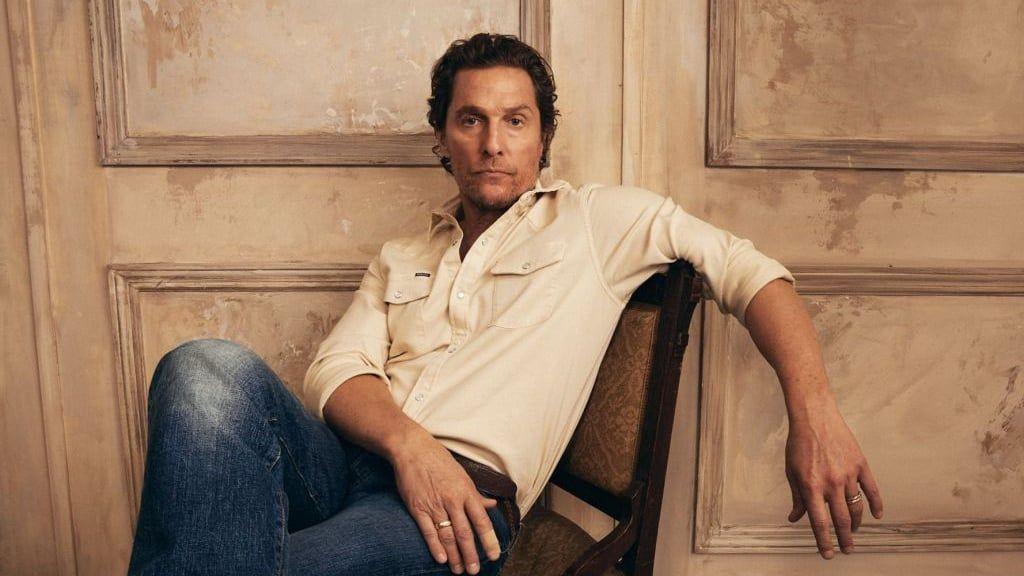
Taylor Swift follows in the footsteps of Matthew McConaughey, who became the first celebrity to use trademark rules to attempt to protect his voice and image from AI misuse earlier this year
1
4
. McConaughey secured trademarks in January, including protections for his signature phrase "alright, alright, alright" from the movie Dazed and Confused3
. "My team and I want to know that when my voice or likeness is ever used, it's because I approved and signed off on it," McConaughey stated, emphasizing the need to create clear boundaries around ownership with consent and attribution as the norm in an AI world3
.Trademark attorney Josh Gerben, who first reported Swift's applications, noted that attempting to register a celebrity's spoken voice represents a new use of trademark registration that has not been tested in court before
3
5
. Historically, singers relied on copyright law to protect their recorded music, but AI technologies now allow users to generate entirely new content that mimics an artist's voice without copying an existing recording, creating a gap that trademarks may help fill1
3
. By registering specific phrases tied to her voice, Swift could potentially challenge not only identical reproductions but also imitations that are "confusingly similar," a key standard in trademark law1
.While celebrities like Taylor Swift often become the headline when AI concerns surface, the broader implications extend to everyone with an online presence
2
. Voice cloning and identity theft through AI affect small business owners, content creators, podcasters, and anyone who shares their life publicly2
. The ELVIS Act, the first law of its kind to declare war on unauthorized AI voice cloning, represents a "humanity-first" law that protects everyday creators from identity theft by effectively putting a "digital padlock" on voices2
.Related Stories
Kirk Sigmon, founding partner at IP and technology law firm KellDann Law, explained that while Taylor Swift's use of trademark law is fairly normal for protecting distinctive sounds and visuals, the unique application here is protection against AI misuse
4
. However, he cautioned that enforcing these rights online may prove difficult in practice because those creating unauthorized content with her image are likely doing so anonymously, making them harder to track down4
. Despite these challenges, Swift's level of celebrity may prove to be her greatest asset in getting the trademark approved, as she is very recognizable in many ways, including her voice and overall image4
.
Source: France 24
Swift owns more than 50 trademarks related to her name and album titles as well as key song lyrics, having previously registered trademarks for phrases like "This sick beat" in 2014 and "Female Rage: The Musical" in 2024
3
. AI experts suggest that individual trademarks from celebrities could become more common as stars attempt to attain stronger legal standing to sue if their likeness were replicated without explicit permission5
. More than 700 creatives backed a campaign called "Stealing Isn't Innovation" in January, calling on tech companies to stop training their generative AI tools on copyrighted works without express permission from creators5
. YouTube recently unveiled a deal with several talent agencies that would open up its proprietary deepfake detection tool to celebrities and entertainers, who can now more easily request their unauthorized likeness be removed from the platform5
.Summarized by
Navi
[2]
14 Jan 2026•Entertainment and Society

06 Oct 2025•Entertainment and Society

13 Sept 2024

1
Technology

2
Science and Research

3
Technology