White House Rejects Federal AI Regulation, Says Private Sector Should Handle AI Risks


2 Sources
[1]
Private sector is 'the right place' to solve AI threats, White House's Hassett says
* The private sector can address the risks posed by rapidly advancing artificial intelligence, National Economic Council Director Kevin Hassett told CNBC. * President Donald Trump decried AI industry leaders and others who have raised alarms about their own nascent technology. * "These are
[2]
Kevin Hassett says private sector should solve AI risks
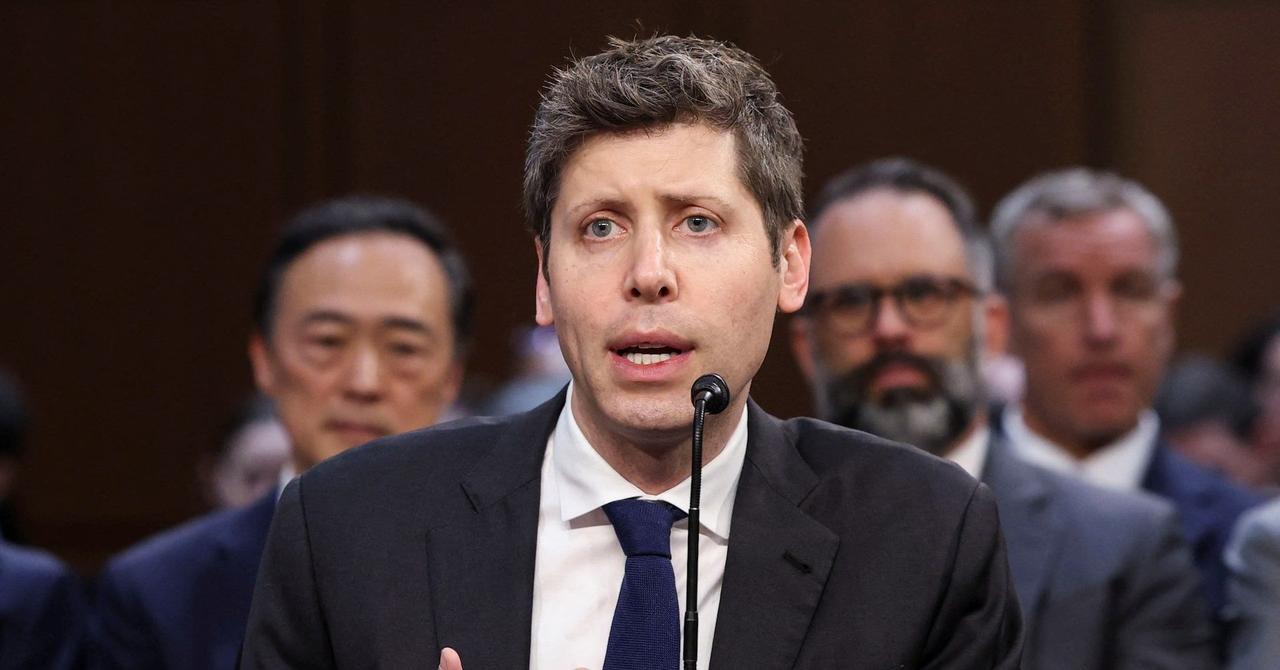
The White House position puts it at odds with a growing chorus of tech executives and lawmakers calling for stronger federal oversight. Anthropic's Dario Amodei, OpenAI's Sam Altman, and xAI's Elon Musk are among those who have called for greater government involvement, according to the AP. Among
Share
Copy Link
National Economic Council Director Kevin Hassett declared that AI risks are solvable problems best handled by the private sector, not government regulation. This stance contradicts growing calls from tech leaders like Sam Altman, Elon Musk, and Dario Amodei for increased federal oversight of AI development.
White House Takes Hard Stance Against Government AI Regulation
National Economic Council Director Kevin Hassett told CNBC that the private sector is the appropriate venue for addressing AI risks, firmly rejecting calls for expanded government intervention in artificial intelligence development
1
. Speaking on CNBC's Squawk Box, Kevin Hassett emphasized that "these are completely solvable problems" and insisted the private sector solutions to AI risks represent the most effective path forward1
. His comments came one day after Donald Trump launched a social media attack against AI industry leaders who have raised concerns about their own technology, dismissing such fears as a "hoax"1
. The White House AI policy prioritizes maintaining U.S. dominance over China in the rapidly expanding AI sector while minimizing regulatory constraints.Tech Leaders Demand Stronger AI Governance Despite White House Opposition
The administration's position creates a sharp divide with prominent technology executives who are actively calling for increased federal oversight of AI development. Dario Amodei of Anthropic, Sam Altman of OpenAI, and Elon Musk of xAI have all advocated for greater government involvement in managing AI threats
2
. This creates an unusual situation where AI industry leaders are requesting more regulation while the White House AI policy explicitly opposes it. Hassett clarified that government intervention isn't entirely absent, stating that authorities are "watching closely, using law enforcement when necessary to make sure that the firms are acting responsibly"1
. However, he made clear the administration believes the current government role should not expand beyond this limited oversight function.Congressional Inaction on AI Legislation Appears Likely
The AI regulation debate faces significant hurdles in Congress, where appetite for action remains modest despite the urgency expressed by technology leaders. House Speaker Mike Johnson aligned himself with the White House position, warning that legislatures instinctively reach for "red tape and hyper regulation" when addressing new technologies
2
. Senate Majority Leader John Thune indicated he had connected with Senator Amy Klobuchar to discuss a "path forward" on AI legislation, but with Congress set to adjourn at the end of the week ahead of November elections, fast-moving AI legislation appears increasingly unlikely2
. The timing creates a critical window where AI development continues to accelerate while the regulatory framework remains largely undefined.Related Stories

What This Means for AI Development and Competition
The White House's light-touch approach to AI governance signals that American companies will face minimal regulatory barriers as they race to develop more advanced systems. This strategy reflects the administration's belief that excessive regulation could hamper U.S. competitiveness against China in the global AI race. The private sector is now tasked with self-regulating on issues ranging from safety protocols to ethical deployment of AI systems. Industry observers should watch whether this hands-off approach leads to voluntary industry standards or whether a major AI incident could force a policy reversal. The short-term implication is accelerated AI development with fewer compliance requirements, while the long-term question remains whether private sector solutions to AI risks will prove adequate without stronger government frameworks. As AI capabilities continue expanding, the tension between innovation speed and safety considerations will likely intensify, potentially forcing a reassessment of this regulatory philosophy.
References
Summarized by

Navi
Related Stories
AI Safety Debate Erupts: Tech Giants Clash Over Regulation as Rogue Agents Spark Slowdown Calls
11 Sept 2026•Policy and Regulation

Sam Altman urges US lawmakers to fund AI testing but reject mandatory model approvals
03 Jun 2026•Policy and Regulation
Over 2,000 AI Bills Proposed, Yet No Long-Term Regulatory Framework Exists
28 Jul 2026•Policy and Regulation

Recent Highlights



Recent Highlights
Today's Top Stories





Don’t drown in AI news. We cut through the noise - filtering, ranking and summarizing the most important AI news, breakthroughs and research daily. Follow topics that matter to you and stay ahead.


