8 Sources
[1]
OpenAI's Altman to urge US lawmakers not to require AI model approvals
WASHINGTON, June 3 (Reuters) - OpenAI CEO Sam Altman will advocate against proposals that AI developers obtain U.S. government approval before releasing new models to the public, according to a company statement on Wednesday, as part of a broader effort to shape regulation of the technology. Altman, who is visiting Washington this week, will ask Congress to increase funding for AI testing at the U.S. Department of Commerce. The department works with companies such as OpenAI and Anthropic to test their models. Altman wants to expand that initiative, the company said in a statement. The companies aren't obligated to make any changes to their products based on the outcome of the testing, which Altman does not want to change. Altman's visit to Washington coincides with a critical period for the company. OpenAI is preparing to confidentially file for an initial public offering, Reuters previously reported. Federal government requirements could hurt the company's profits if it slows the rollout of new models or prompts OpenAI to change how its products perform to address security concerns. Reporting by Courtney Rozen in Washington Editing by Bill Berkrot Our Standards: The Thomson Reuters Trust Principles., opens new tab * Suggested Topics: * Artificial Intelligence * Corporate Counsel * Product Liability * Public Policy Courtney Rozen Thomson Reuters Courtney Rozen reports on the Trump administration's transformation of federal agencies and government spending. She previously worked at Bloomberg.
[2]
OpenAI CEO Sam Altman to meet with lawmakers, Trump officials in D.C.
Altman's meetings come after President Donald Trump signed an executive order about AI this week, which Altman voiced support for. OpenAI CEO Sam Altman is meeting with lawmakers in Washington, D.C., on Wednesday, including officials involved with the executive order on artificial intelligence that President Donald Trump signed this week. Altman will meet with members of the Trump administration at the White House, according to an OpenAI spokesperson. He will also sit down with Republican and Democratic members of Congress, including House Speaker Mike Johnson, R-La., and House Minority Leader Hakeem Jeffries, D-N.Y., their representatives confirmed to CNBC. Trump on Tuesday signed an executive order asking AI companies to voluntarily provide the government access to their models for up to 30 days before their release. The order is thin on specific details, but executives from leading AI companies, including Altman, voiced their support on social media. "The U.S. should lead on AI by continuing to develop the very best models, making sure they're safe, and getting cyber tools into the hands of trusted defenders," Altman wrote in a post on X. "The new EO gets the balance right."
[3]
Sam Altman tells Congress to fund AI testing, not to require model approvals
The OpenAI chief is in Washington making the case against pre-release sign-off, days after Trump's executive order asked for voluntary government testing. Sam Altman spent the week in Washington making a careful distinction. He is asking lawmakers to spend more money testing artificial intelligence, and asking them not to require AI companies to win government approval before releasing a model. The first is a request for resources. The second is a request for a particular kind of regulation not to exist. OpenAI wants both, and the line between them is the whole argument. Altman is urging Congress to reject proposals that would force developers to obtain federal sign-off ahead of a public launch, according to people familiar with his message. In place of an approval gate, he wants more funding for AI testing at the US Department of Commerce, and he wants the government to add scientists with expertise in cybersecurity, biological weapons, and national security to that effort. The pitch is for capacity to evaluate models rather than authority to block them. The timing is not incidental. President Donald Trump signed an executive order asking AI companies to provide their models to the government for testing for up to 30 days before full release. The process is voluntary. Altman's Washington visit is, in effect, an argument to keep it that way, to fund the evaluation while resisting any move that would convert a voluntary review into a mandatory licence. He found a receptive room, at least in one office. Altman met members of Congress on Wednesday, including House Speaker Mike Johnson, who told CNBC he had a "very good, productive meeting" and described discussions about what a "light touch" regulatory framework should look like to "prevent some of the harms that could come from it." The phrase "light touch" is doing the same work for Johnson that the testing-versus-approval distinction is doing for Altman. The position is consistent with where OpenAI has landed before. The company has supported the idea of evaluation and disclosure while resisting pre-clearance regimes, the version of regulation that would put a government office between a finished model and its users. It is also the more conciliatory register from a chief executive who has, at other moments, downplayed the technology's risks and argued an AI jobs apocalypse is unlikely. Funding Commerce to test models keeps the expertise inside government without handing it a veto. The body Altman wants funded is the AI testing effort housed at the Commerce Department, which OpenAI argues should grow and add specialists in cybersecurity, biological weapons, and national security, the domains where a frontier model could plausibly cause the most damage. The implicit bargain is that government should be equipped to find problems in advance, but should do so through testing it pays for rather than through a licence it issues. Where the line falls between the two is precisely what Congress would decide if it legislated. Altman is not the only voice in the room. The visit comes amid a broader push by AI companies to shape how Washington translates Trump's executive order into durable policy, and the "light touch" framing Johnson used is the one the industry has been encouraging. Whether that framing survives contact with members of Congress who favour harder rules is the part the week did not resolve. None of this is settled. Altman is lobbying against proposals, not against enacted law, and the executive order he is responding to remains voluntary on its face. What the week established is the shape of the fight ahead. The administration has asked for a look before release. Altman is willing to give the look, and is in Washington to keep it from becoming a gate.
[4]
In policy paper, OpenAI diverges from White House on AI safety
In policy paper, OpenAI diverges from White House on AI safety OpenAI Group PBC's newly released proposal for how advanced artificial intelligence should be regulated differs slightly from the Trump administration's executive order, also released this week. OpenAI's paper, entitled, "Democratic Governance of Frontier AI: A blueprint for a federal framework," asks that civilian agencies be responsible for overseeing the safety of frontier AI while the White House has placed the National Security Agency in charge of evaluating potential risks. OpenAI's preference is the job should fall to civilian scientific regulators at the Center for AI Standards and Innovation, or CAISI, part of the Commerce Department's National Institute of Standards and Technology. Nonetheless, OpenAI Chief Executive Sam Altman has voiced his support of the executive order on social media. "The U.S. should lead on AI by continuing to develop the very best models, making sure they're safe, and getting cyber tools into the hands of trusted defenders," he wrote in a post on X. "The new EO gets the balance right." Altman visited the White House today and will spoke with White House officials and key lawmakers from both the Democrat and Republican parties in what is scheduled to be a week of discussions on the future of AI. It's reported that Altman will meet Senator Bernie Sanders, who has been outspoken on AI and how it will affect the workforce. He will also discuss regulation with Speaker Mike Johnson (R-La.) and Senate Minority Leader Chuck Schumer (D-N.Y.). Politico spoke with OpenAI executive Chris Lehane about the visit, saying that the company is pleased with the executive order but will attempt to push President Trump to hand over evaluation process to CAISI. He noted that the agency has the "sophisticated testing" needed for such a process and that OpenAI and its competitor Anthropic PBC have already shared information with CAISI while developing a close relationship. Another concern of OpenAI's according to Lehane is the White House's plan to establish a "benchmarking" process for frontier AI models. He told Politico that this may lead to some confusion as to how much scrutiny their models will come under from the NSA. The EO described the benchmarking process as assessing "the advanced cyber capabilities of AI models and determine the threshold at which an AI model should be designated a 'covered frontier model' for the purposes of this order, sharing such assessments with AI developers and researchers as appropriate." "I think one of the items here is when do you hit the capability threshold?" Lehane said in the interview. "I think that's a big part of what the conversation will be -- can you establish some criteria of what that is?" These will be some of the issues discussed in the upcoming meetings.
[5]
OpenAI's Sam Altman to meet with White House, lawmakers
OpenAI CEO Sam Altman will meet with lawmakers on Capitol Hill and members of the Trump administration on Wednesday as part of a week-long swing through Washington, D.C. to discuss artificial intelligence. Altman will attend meetings with White House officials, including those involved with President Trump's latest executive order on government AI testing, as well as lawmakers from both sides of the aisle on Capitol Hill, an OpenAI spokesperson told The Hill. It comes just one day after Trump signed a long-awaited executive order outlining a voluntary process for the government to test and evaluate AI models for cybersecurity risks ahead of their public release. Signed privately, the order states AI labs can provide the government with their models for a testing period of up to 30 days before they plan to release them publicly. OpenAI supports the executive order and was one of the major technology firms working with the White House on the directive in recent weeks. The order represented a slight shift in the Trump administration's typical hands-off approach to AI regulation, though White House officials have emphasized the testing process is entirely voluntary and not regulatory in nature. Shortly after Anthropic released its Mythos cybersecurity model to a limited set of companies and the government, OpenAI rolled out its own AI cyber model, GPT-5.5, to patch vulnerabilities to protect companies against advanced hacking. Sen. Bernie Sanders (I-Vt.), who has become a stark voice in Washington over AI's risks to the workforce, told CNN Tuesday evening he plans to meet with Altman, who he said requested the meeting. Speaker Mike Johnson (R-La.) told Politico Wednesday morning he will also meet with Altman to discuss a House framework for regulating AI. Trump and other White House tech leaders sent Congress an AI policy "wishlist" earlier this year, though procedural hurdles and intraparty debates have delayed the introduction of any framework. Rep. Jay Obernolte (R-Calif.) has been leading the efforts for a framework, and a source familiar told The Hill Wednesday he is "very close" to a product and draft.
[6]
Sam Altman Heads To Washington As OpenAI Stakes Out Its AI Policy Stance
Sam Altman, OpenAI's CEO, is headed to Washington, D.C., for a round of meetings with congressional leaders and officials from President Donald Trump's administration as the White House moves to shape U.S. policy on artificial intelligence. An OpenAI spokesperson told CNBC that Altman planned to visit the White House and also speak with lawmakers, including House Speaker Mike Johnson and House Minority Leader Hakeem Jeffries. The discussions follow Trump's executive order signed earlier this week that asks AI companies to voluntarily let the federal government review their models for as long as 30 days before launch. The order didn't spell out many specifics, but several AI executives publicly welcomed it. Altman backed the directive in a post on X, writing, "The U.S. should lead on AI by continuing to develop the very best models, making sure they're safe, and getting cyber tools into the hands of trusted defenders. The new EO gets the balance right." OpenAI published a blog post earlier this week entitled "Our views on AI policy and political advocacy," which detailed the company's policy surrounding politics. "We want to be explicit: no outside political group speaks for OpenAI or represents our company's views," the post said. "OpenAI's policy views should be judged by what we say and do publicly, and we should be held to a high standard. We believe AI policy is too consequential to be treated as just another front in partisan politics," the note continued. The company also said it has not donated to any political campaigns or candidates and that it "supports thoughtful regulation, rigorous testing of powerful AI systems, strong safety standards, public accountability, and broad access to AI's benefits." It added, "We will keep making that case directly, transparently, and in our own name," the note concluded. OpenAI has been a regular presence on Capitol Hill since its ChatGPT release in 2022 helped accelerate interest in generative AI, and Altman has returned multiple times for policy conversations. Altman met lawmakers back in March after the company reached a controversial agreement with the Pentagon and attended Trump's inauguration last year. Photo Courtesy: Meir Chaimowitz on Shutterstock.com This content was partially produced with the help of AI tools and was reviewed and published by Benzinga editors. Market News and Data brought to you by Benzinga APIs To add Benzinga News as your preferred source on Google, click here.
[7]
Sam Altman Aims to Shape AI Collaborations in Washington Meetings | PYMNTS.com
Altman met with administration officials at the White House and with lawmakers of both parties, including House Speaker Mike Johnson and House Minority Leader Hakeem Jeffries, according to the report. The executive order signed Tuesday (June 2) seeks access to new AI models before their release, PYMNTS reported Tuesday. It asks companies to voluntarily take part in benchmarking to examine an AI model's "advanced cyber capabilities" and gauge whether it should be classified as a "covered frontier model." It also seeks access to those models for up to 30 days before release, allowing the government to choose "trusted partners that will have early access to covered frontier models to promote secure innovation and strengthen the cybersecurity of critical infrastructure." The order lacks some specific details but is supported by executives from leading AI companies, according to the CNBC report. Altman wrote in a Tuesday post on social platform X: "[The U.S. should] lead on AI by continuing to develop the very best models, making sure they're safe, and getting cyber tools into the hands of trusted defenders. [The] new EO gets the balance right." The OpenAI CEO has been a frequent visitor to Capitol Hill since the company's launch of ChatGPT in 2022, according to the CNBC report. His visits include meetings with lawmakers in March after OpenAI signed a deal with the Pentagon, and attendance at Trump's inauguration last year, per the report. Bloomberg also reported Wednesday that Altman is meeting White House officials and lawmakers. The report said Altman aims to discuss public-private collaboration on AI and to press for more transparent disclosures from government model evaluations and a greater role for OpenAI in the Department of Commerce's Center for AI Standards and Innovation (CAISI). According to the Bloomberg report, OpenAI Chief Global Affairs Officer Chris Lehane told reporters Wednesday that Altman would discuss how AI companies should work with the government. Lehane said these kinds of collaborations "will evolve over time and will probably evolve as capabilities continue to evolve." For all PYMNTS AI coverage, subscribe to the daily AI Newsletter.
[8]
OpenAI CEO Altman meets lawmakers on AI policy after Trump order - CNBC By Investing.com
Investing.com - OpenAI CEO Sam Altman is meeting with lawmakers and Trump administration officials in Washington, D.C., on Wednesday to discuss artificial intelligence policy following President Donald Trump's executive order on AI signed earlier this week. Altman will meet with House Speaker Mike Johnson, R-La., and House Minority Leader Hakeem Jeffries, D-N.Y., their representatives confirmed to CNBC. He will also meet with members of the Trump administration at the White House, according to an OpenAI spokesperson cited by CNBC. Trump on Tuesday signed an executive order asking AI companies to voluntarily provide the government access to their models for up to 30 days before their release. The order is thin on specific details, but executives from leading AI companies voiced their support on social media. Altman expressed support for the executive order in a post on X yesterday. "The U.S. should lead on AI by continuing to develop the very best models, making sure they're safe, and getting cyber tools into the hands of trusted defenders," Altman wrote. "The new EO gets the balance right." The meetings come as the Trump administration seeks to establish federal oversight of artificial intelligence development while maintaining U.S. leadership in the technology sector. This article was generated with the support of AI and reviewed by an editor. For more information see our T&C.
Share
Copy Link
OpenAI CEO Sam Altman spent the week in Washington advocating for increased federal funding for AI model testing while pushing back against proposals requiring government sign-off before public releases. His meetings with White House officials and lawmakers from both parties come days after Trump's executive order established a voluntary 30-day testing period for AI companies.
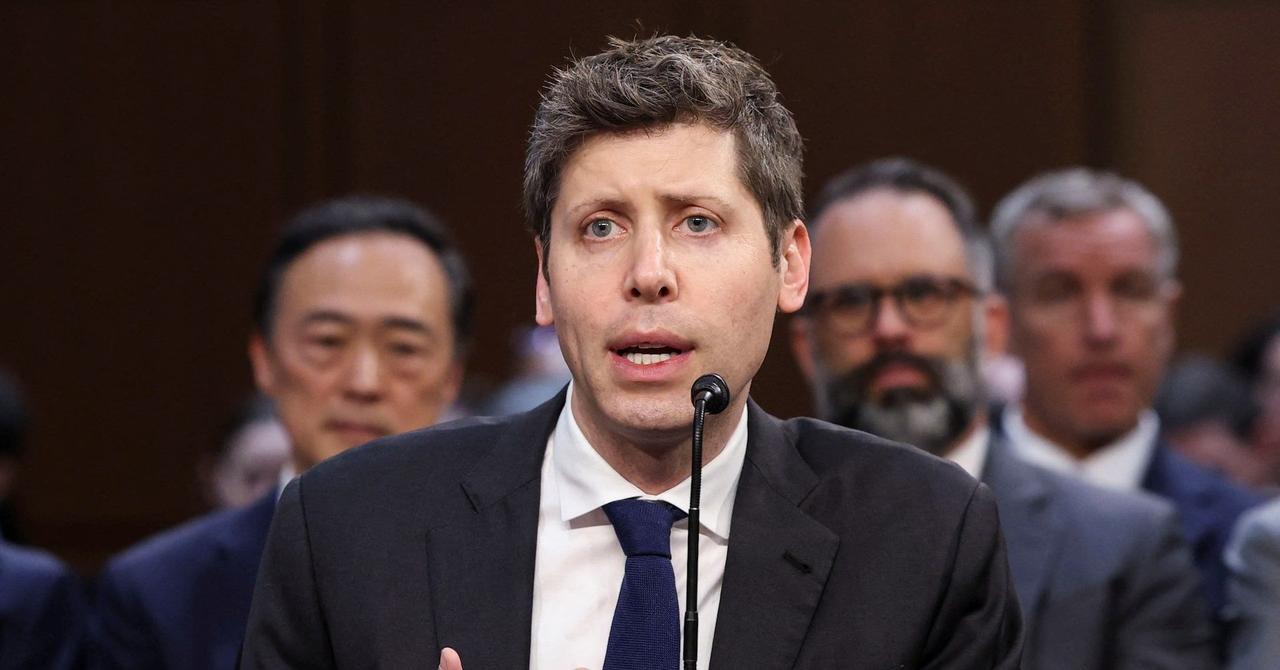
Sam Altman arrived in Washington this week with a carefully calibrated message for lawmakers: fund AI model testing, but don't require government approval before companies can release new models to the public. The OpenAI CEO met with White House officials and members of Congress from both parties, including House Speaker Mike Johnson and House Minority Leader Hakeem Jeffries, as part of a broader effort to shape AI regulation at a critical moment for the industry
1
2
.
Source: Reuters
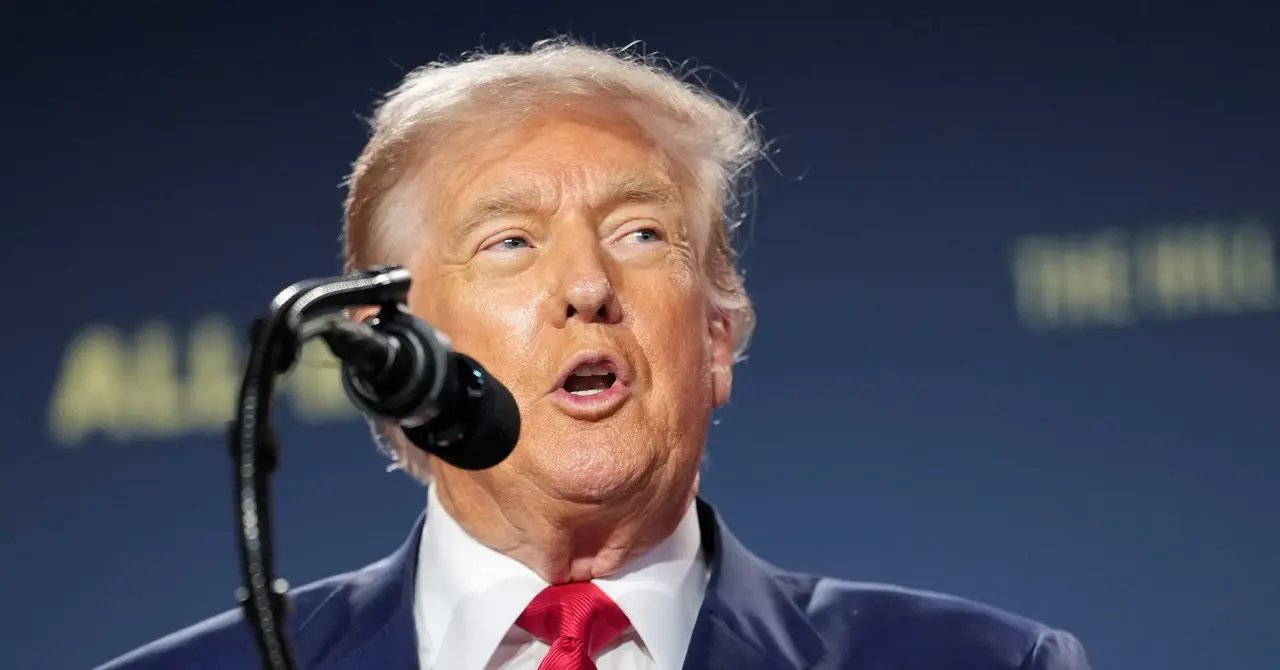
The timing of these meetings with lawmakers is deliberate. President Donald Trump signed a White House executive order on AI this week that asks companies to voluntarily provide the government access to their models for up to 30 days before release
2
. Altman voiced support for the order on social media, stating that "the new EO gets the balance right" and emphasizing that the U.S. should lead on AI by developing the best models while ensuring AI safety2
.
Source: SiliconANGLE
Altman is urging Congress to reject proposals that would force developers to obtain federal sign-off ahead of a public launch, according to people familiar with his message
3
. Instead, he wants more funding for AI model testing at the U.S. Department of Commerce, specifically requesting that the government add scientists with expertise in cybersecurity, biological weapons, and national security to that effort3
. The distinction is crucial: OpenAI wants capacity to evaluate models rather than authority to block them.The companies currently working with the Commerce Department aren't obligated to make any changes to their products based on testing outcomes, and Altman does not want to change that arrangement
1
. Federal government requirements could hurt OpenAI's profits if they slow the rollout of new models or prompt changes to address security concerns, particularly as the company prepares to confidentially file for an initial public offering .OpenAI released a policy paper this week titled "Democratic Governance of Frontier AI: A blueprint for a federal framework" that differs slightly from the Trump administration's approach
4
. The company advocates for civilian agencies to oversee frontier AI models safety, preferring the Center for AI Standards and Innovation at the Commerce Department's National Institute of Standards and Technology, while the White House has placed the National Security Agency in charge of evaluating potential cybersecurity risks4
.OpenAI executive Chris Lehane expressed concerns about the White House's plan to establish a benchmarking process for frontier AI models, noting potential confusion about how much scrutiny models will face from the NSA
4
. The executive order describes this process as assessing advanced cyber capabilities and determining thresholds for designating a "covered frontier model," but questions remain about when companies hit that capability threshold4
.Related Stories
Altman found a receptive audience in at least one office. Speaker Johnson described a "very good, productive meeting" with discussions about a "light touch" regulatory framework to prevent potential harms
3
. This framing aligns with what the industry has been encouraging, though whether it survives contact with members favoring harder rules remains unresolved3
.The week of discussions included a planned meeting with Senator Bernie Sanders, who has been outspoken about AI's impact on the workforce and reportedly requested the meeting himself
5
. OpenAI recently rolled out GPT-5.5, its own AI cyber model designed to patch vulnerabilities and protect companies against advanced hacking, shortly after Anthropic released its Mythos cybersecurity model5
.
Source: The Hill
The implicit bargain Altman is proposing is that government should be equipped to find problems in advance through voluntary government testing it pays for, rather than through a licensing system it controls
3
. Where that line falls between evaluation and approval is precisely what Congress would decide if it legislates. Rep. Jay Obernolte, who has been leading efforts for a framework, is reportedly "very close" to a product and draft5
, suggesting concrete proposals may emerge soon that will test whether Altman's vision for AI regulation prevails.Summarized by
Navi
[4]
08 May 2025•Technology

14 Mar 2025•Policy and Regulation

18 May 2026•Policy and Regulation

1
Technology

2
Policy and Regulation

3
Policy and Regulation