2 Sources
[1]
People Living Near xAI's Dirty Data Centers Are Pissed About the SpaceX IPO
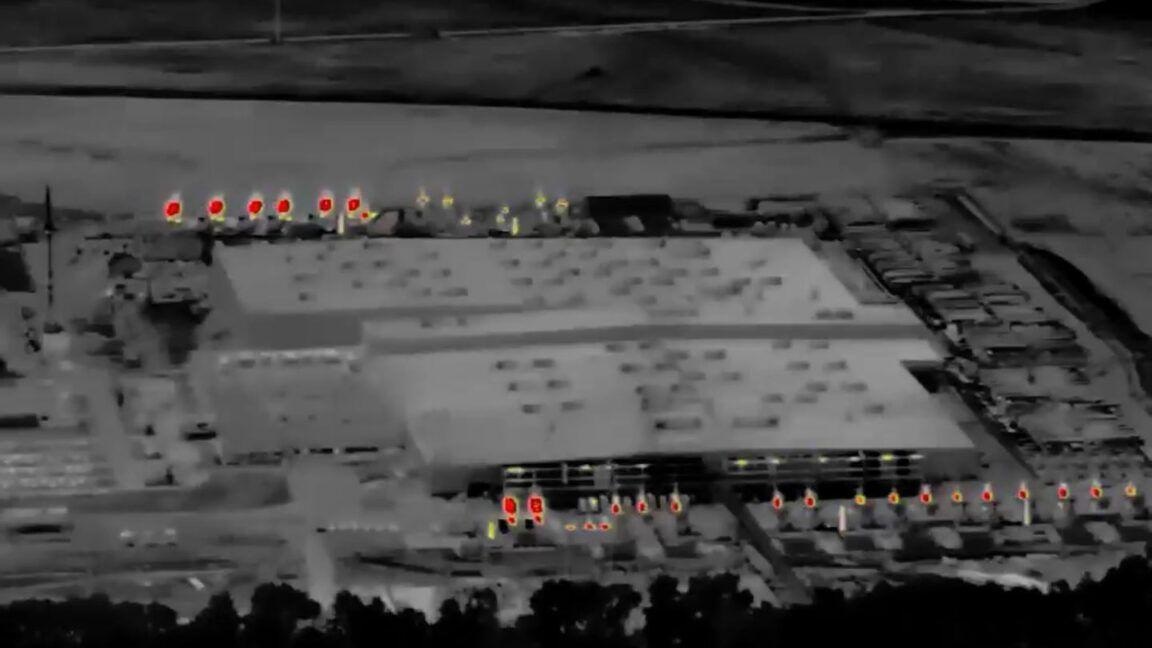
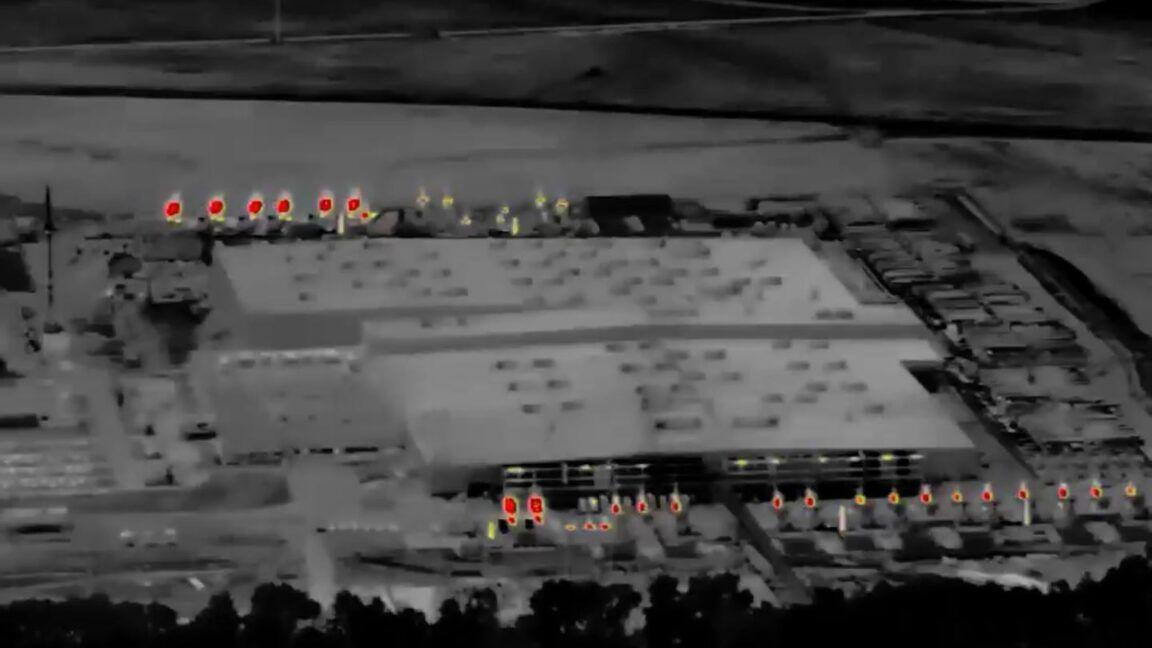
SpaceX, Elon Musk's behemoth company that launches rockets and runs data centers, is set to go public Friday with a target valuation above $1.75 trillion. The move will make Musk, already the richest man in the world, vastly wealthier. A public offering will allow SpaceX to raise even more money to fund its AI ambitions, including building more data centers, faster. But even as Musk and other SpaceX investors see a huge windfall, the community hosting xAI data centers already in operation are demanding accountability from the company's use of polluting gas turbines and a water treatment facility put on pause earlier this year. "We're the extracted and exploited colony of what is going to be one of the most highly valued entities in the world," says Justin Pearson, who represents portions of Memphis in the Tennessee House of Representatives. "People are going to die because of this pollution." xAI is selling $15 billion per year in compute at its Memphis campuses to Anthropic, another company planning a blockbuster IPO in the coming months. "People don't matter to SpaceX, or Anthropic, or whoever is building these data centers," Pearson says. President Donald Trump has suggested the US government could take a financial stake in frontier AI companies in order to begin "giving back" to the American public. But it's unclear what form that would take -- or if such a move would even happen. SpaceX didn't respond to a request for comment and Anthropic declined to comment, though its head of public policy and Memphis' mayor have touted the company's engagement with the city. xAI's Colossus 1 campus in Memphis shot to national notoriety in 2024 when community members began sounding the alarm that the company was running natural gas turbines without permits. Regulators said that a loophole in the Clean Air Act allowed xAI to run what appeared to be as many as 35 turbines without a permit for a year. (Last year, local regulators granted xAI a permit to run 15 turbines on the site until 2027.) Natural gas turbines emit microscopic particles of fine particulate matter, dubbed PM2.5, which is linked to a variety of health issues, including heart attacks, high blood pressure, and premature deaths in people with preexisting conditions. Experts warn that PM2.5 pollution can be harmful even below levels set by regulators. xAI's first data center was built in Boxtown, a historically Black neighborhood in Memphis that already has some of the highest asthma rates in the country from legacy industrial pollution. "All of us who have family in South Memphis, we know somebody who has died as a result of a bronchial ailment, or a random cancer that has no place in our family tree," says Richard Massey, a community organizer in Memphis. The Environmental Protection Agency issued guidance in January that seemed to close the Clean Air Act loophole xAI was using to run its turbines without permits. However, the company had already begun setting up unpermitted turbines in Southaven, Mississippi, to power Colossus 2. As of mid-May, the company had brought in at least 46 unpermitted gas turbines to run on site, according to emails xAI sent to regulators. Got a Tip?Are you a current or former xAI employee who wants to talk about what's happening? We'd like to hear from you. Using a nonwork phone or computer, contact the reporter securely on Signal at mollytaft.76. A group of environmental justice groups, led by the NAACP, filed a lawsuit earlier this year against xAI, alleging that the company installed gas turbines "without an air permit or regard for the health and safety of people living nearby." Earlier this week, residents of Southaven filed a separate class-action lawsuit against xAI and SpaceX, claiming that construction on the data center was disturbing the community. xAI has brought significant tax revenue to the region. Officials have estimated that Shelby County could net up to $28 million in property taxes from xAI's Tennessee campus this year alone -- a big injection to the county budget, which collected just over $800 million in property taxes in 2024. Last year, the city council mandated that 25 percent of xAI's tax revenue be used to fund projects that enhance the neighborhoods where its data centers are located, including Boxtown. Residents have been debating a list of projects, including funding for home repair and an environmental dashboard, to use the $3 million collected in 2025. That's about .001 percent of the $250 billion that xAI was valued at when it was purchased by SpaceX in February in advance of the IPO. But the revenue from taxes, some residents say, pales in comparison to what's needed to offset the health impacts of the gas turbines in both Boxtown and Southaven. An initial survey released by two nonprofits earlier this week of air pollution collected from community-run air monitors at three sites throughout southwest Memphis shows that PM2.5 levels were consistently above EPA limits between November 2025 and March of this year. A separate analysis prepared as part of the NAACP lawsuit found that if the 41 turbines listed on xAI's permit application to power just the Colossus 2 campus ran continuously, they could possibly cause up to $44 million in health-related damage each year. (While xAI's Memphis campus does draw some power from the local power grid, it's not clear how often the company plans to run the gas turbines at either of its sites.) Community members are also concerned about xAI's water use. The Colossus 1 facility alone could require more than 5 million gallons a day to cool the computers at peak times. When xAI first came to Memphis, the company said that it would be building a water reuse facility to avoid impacting the aquifer. xAI broke ground on the site in October. But it abruptly stopped construction in mid-April, just a few months ahead of the IPO, leaving advocates in the dark about the future of the project. "We need to focus on finishing Colossus 2 and ensuring it is extremely stable, then will build the water recycling plant," Musk said in a tweet in early April. Earlier this week, Memphis city attorney Tannera Gibson told the city council in a hearing that conversations with SpaceX about the site were "pretty positive and pretty strong based on recent conversations." Lawmakers, including some who stated that they have had similar behind-the-scenes conversations with the company, pressed for more information to be made public. "We've all gotten reassurances, but I want to hear those in public for everybody else," Memphis city council member Jerri Green said at the hearing. Despite the outcry from the public and the multiple lawsuits it faces, SpaceX has continued adding unpermitted turbines to its data center sites. The company's IPO revealed that it has committed more than $2.8 billion to buy gas turbines in recent months; while it called water availability a risk factor in its IPO filing documents, it made no mention of the construction of the water treatment site. The Justice Department, meanwhile, indicated last month that it may intervene on behalf of xAI in the NAACP lawsuit. Massey says that Musk's track record of environmental conflicts at other sites he owns, from California to Texas to Germany, means the Memphis community is skeptical of SpaceX, despite the economic benefits the tax revenue and potential water treatment plant could bring. "Everywhere [Musk] has gone, it's been the same result," he says. "People suffer, especially in marginalized, low-income communities."
[2]
Musk's xAI and SpaceX hit with data-centre noise lawsuit
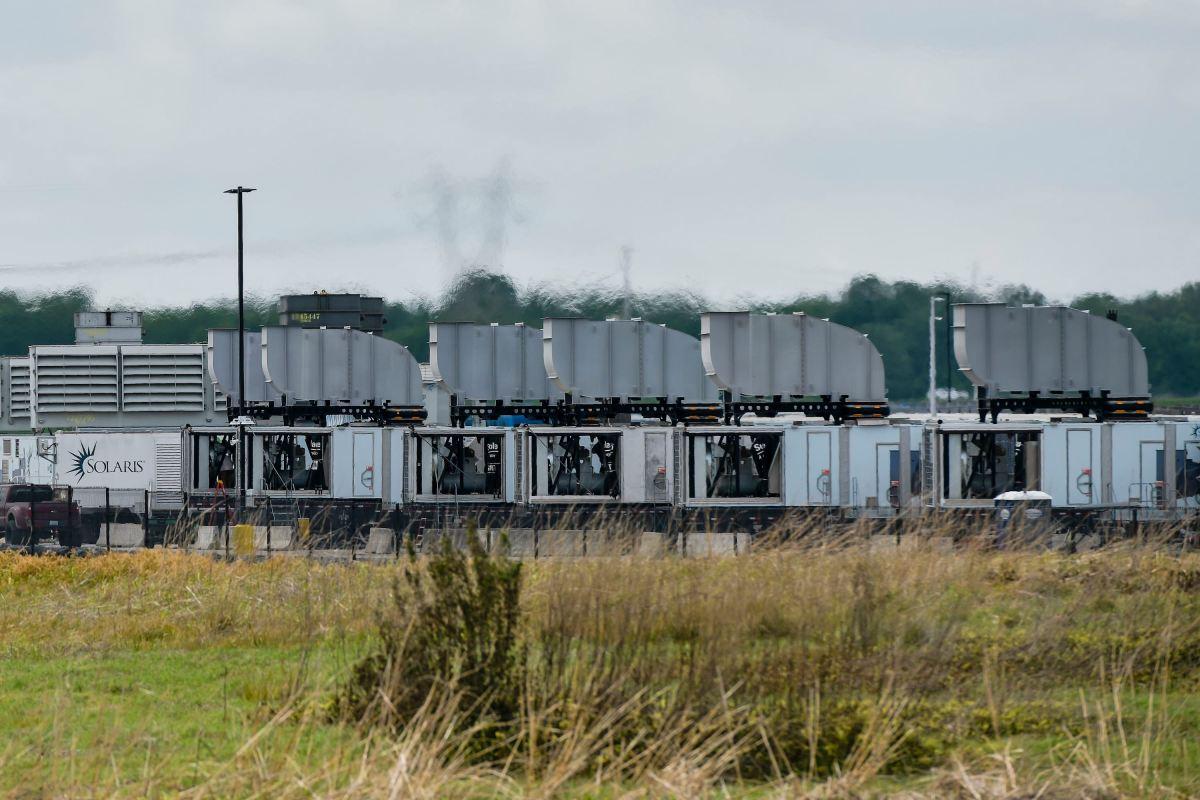
The suit says the gas plant powering xAI's compute blasts 'omnipresent and inescapable' noise around the clock. It's the AI data-centre backlash escalating from petitions to federal court. The backlash against AI data centres has reached a new stage: a class-action lawsuit. Residents of Mississippi have sued Elon Musk's xAI and SpaceX, claiming a gas-fired power plant that feeds nearby data centres blasts "omnipresent and inescapable" noise that has eroded their health and home values. The case, made public in federal court in Oxford, Mississippi on Tuesday, was brought by three residents on behalf of a class they estimate at more than 10,000 people. It accuses the companies of negligence and of creating a public nuisance through round-the-clock noise and vibrations. "The AI boom is wreaking havoc on communities across the United States," the complaint says. The plaintiffs are seeking damages for emotional distress and lost property value, plus a share of the profits the plant has helped generate. A $20bn plant, and a state line xAI poured more than $20bn into building the plant in Southaven, with the backing of Mississippi's governor, Tate Reeves. Its gas turbines power data centres in and around the town, just across the state line from Memphis, where xAI's Colossus supercomputer already runs a fleet of methane turbines that has drawn its own pollution complaints. xAI and SpaceX did not respond to requests for comment, and Musk is not named as a defendant. "Our homes are supposed to be a sanctuary for us against the world," said Robert Wiygul, a lawyer for the residents. "When they are invaded by noise 24 hours a day, it takes that fundamental peace of a good and decent life away from us." The suit is the sharpest version yet of a fight spreading across the country. More than 70 cities and counties have passed bans or moratoriums on new data centres, Seattle's council voted unanimously this week to pause them, and Nashville's zoo is fighting a facility next door. Behind the noise and the petitions sits a hard resource problem: US utilities plan to spend $1.4tn powering the AI boom, and the strain increasingly lands on the communities nearest the build. It is also becoming a federal matter. The NAACP sued xAI in April over the same Memphis-area operations, alleging breaches of US environmental rules, and the Justice Department signalled last month that it may intervene, saying the dispute raises questions about the government's role in AI infrastructure. For Musk's companies, the cost of building compute fast is starting to show up not just on the grid, but in court.
Share
Copy Link
Mississippi residents filed a class-action lawsuit against xAI and SpaceX, claiming gas-fired power plants for data centers create 'omnipresent and inescapable' noise around the clock. The suit estimates over 10,000 affected residents and seeks damages for health impacts and lost property values. It's the latest escalation in mounting community backlash against AI infrastructure expansion across the United States.
Residents of Mississippi have filed a class-action lawsuit against xAI and SpaceX, escalating the community backlash against AI infrastructure to federal court
2
. The suit, made public in Oxford, Mississippi on Tuesday, accuses Elon Musk's companies of creating a public nuisance through round-the-clock noise and vibrations from gas-fired power plants that feed nearby data centers2
. Three residents brought the case on behalf of a class they estimate at more than 10,000 people, seeking damages for emotional distress, lost property values, and a share of the profits the plant has generated2
.The data center noise lawsuit centers on xAI's $20 billion gas plant in Southaven, built with backing from Mississippi Governor Tate Reeves
2
. Natural gas turbines at the facility emit microscopic particles of fine particulate matter, known as PM2.5 pollution, which experts link to heart attacks, high blood pressure, and premature deaths in people with preexisting conditions1
. The complaint describes the noise as "omnipresent and inescapable," claiming it has eroded residents' health and home values2
. Robert Wiygul, a lawyer for the residents, stated: "Our homes are supposed to be a sanctuary for us against the world. When they are invaded by noise 24 hours a day, it takes that fundamental peace of a good and decent life away from us"2
.
Source: Wired
The lawsuit follows mounting concerns about xAI data centers in nearby Memphis, Tennessee, where the Colossus supercomputer runs a fleet of methane turbines
2
. xAI's Colossus 1 campus shot to national attention in 2024 when community members discovered the company was running natural gas turbines without permits1
. Regulators acknowledged that a loophole in the Clean Air Act allowed xAI to operate what appeared to be as many as 35 turbines without a permit for a year, though local regulators later granted xAI a permit to run 15 turbines on the site until 20271
. By mid-May, the company had brought in at least 46 unpermitted gas turbines to run at the Southaven, Mississippi site1
.Related Stories
The case represents the sharpest version yet of a fight spreading across the country as AI infrastructure growth accelerates
2
. More than 70 cities and counties have passed bans or moratoriums on new data centers, Seattle's council voted unanimously this week to pause them, and Nashville's zoo is fighting a facility next door2
. US utilities plan to spend $1.4 trillion powering the AI boom, and the strain increasingly lands on communities nearest the build2
. The NAACP filed a separate lawsuit earlier this year against xAI, alleging the company installed gas turbines "without an air permit or regard for the health and safety of people living nearby"1
.xAI's first data center was built in Boxtown, a historically Black neighborhood in Memphis that already has some of the highest asthma rates in the country from legacy industrial pollution
1
. While xAI has brought significant tax revenue to the region—officials estimate Shelby County could net up to $28 million in property taxes from xAI's Tennessee campus this year alone—residents say this pales in comparison to what's needed to offset health impacts1
. Justin Pearson, who represents portions of Memphis in the Tennessee House of Representatives, stated: "We're the extracted and exploited colony of what is going to be one of the most highly valued entities in the world. People are going to die because of this pollution"1
. The Justice Department signalled last month that it may intervene in the NAACP case, saying the dispute raises questions about the government's role in AI infrastructure2
.Summarized by
Navi
[2]
18 Jun 2025•Technology

15 May 2026•Business and Economy

26 Apr 2025•Technology

1
Technology

2
Business and Economy

3
Health