Elon Musk's xAI commits $2.8B for gas turbines despite lawsuit over illegal power plant


6 Sources
[1]
Musk's xAI is being sued over its data center generators. Now, it's buying $2.8B more. | TechCrunch
Elon Musk's xAI has gotten itself in hot water over its use of polluting generators at its data center near Memphis, Tennessee. Now, it wants to buy even more of them. In SpaceX's IPO filing, released Wednesday, the company said its xAI division will buy another $2.8 billion worth of turbines for
[2]
SpaceX Is Spending $2.8 Billion to Buy Gas Turbines for Its AI Data Centers
Elon Musk's SpaceX committed to spending over $2.8 billion in recent months to buy gas turbines to power data centers for its artificial intelligence unit, the company revealed in a regulatory filing on Wednesday. The relatively large investment shows that Musk is continuing to double down on gas
[3]
Is Musk Running an Illegal Power Plant? The D.O.J. Says It Might Weigh In.
In a court filing, the administration signaled support for Elon Musk's artificial intelligence company in a lawsuit challenging xAI's generators at a huge Mississippi data center. The United States government is preparing for a possible intervention to help defend Elon Musk's artificial
[4]
SpaceX IPO Filing Reveals Nearly $3 Billion Investment in Gas Turbines for AI Data Centers
SpaceX officially filed for its initial public offering on Wednesday, and its lengthy prospectus revealed a significant investment in gas turbines to power the company's AI data centers. This disclosure comes amid ongoing litigation over its use of the air-polluting generators. Elon Musk's xAI,
[5]
xAI Got Sued Over Its Gas Turbines, so It Naturally Added More of Them
In April, the NAACP sued Elon Musk's xAI, alleging the company illegally operated 27 natural gas turbines without an air permit at its data center power plant in Southaven, Mississippi. Despite ongoing litigation, xAI has apparently added another 19 turbines to its fleet. According to the
[6]

Elon Musk's xAI Doubles Down On Unpermitted Turbines During Pollution Fight
Elon Musk's xAI has added 19 portable natural gas turbines at its Colossus 2 data center in Southaven, Mississippi, between late March and early May during an ongoing lawsuit tied to the violation of the Clean Air Act. Benzinga reached out to xAI and the NAACP for comment. Eight of the 19 new
Share
Copy Link
Elon Musk's xAI is doubling down on gas turbines with a $2.8 billion investment revealed in SpaceX's IPO filing, even as the NAACP sues the company for operating an illegal power plant in Mississippi. The company now runs 46 turbines at its data center, far exceeding the 15 it has permits for, while claiming a temporary-mobile exemption allows it to bypass Clean Air Act requirements.
xAI Commits $2.8 Billion to Gas Turbines Despite Legal Challenges
Elon Musk's xAI is accelerating its investment in gas turbines despite facing a NAACP lawsuit over environmental violations at its Mississippi data center. SpaceX's IPO filing released Wednesday revealed that the company committed to spending $2.8 billion on turbines for its AI infrastructure over the next three years
1
2
. One deal worth $2 billion specifically covers mobile gas turbines, the same type currently at the center of legal controversy1
. An additional $805 million agreement was signed in March for turbines to be delivered through 20292
.
Source: TechCrunch
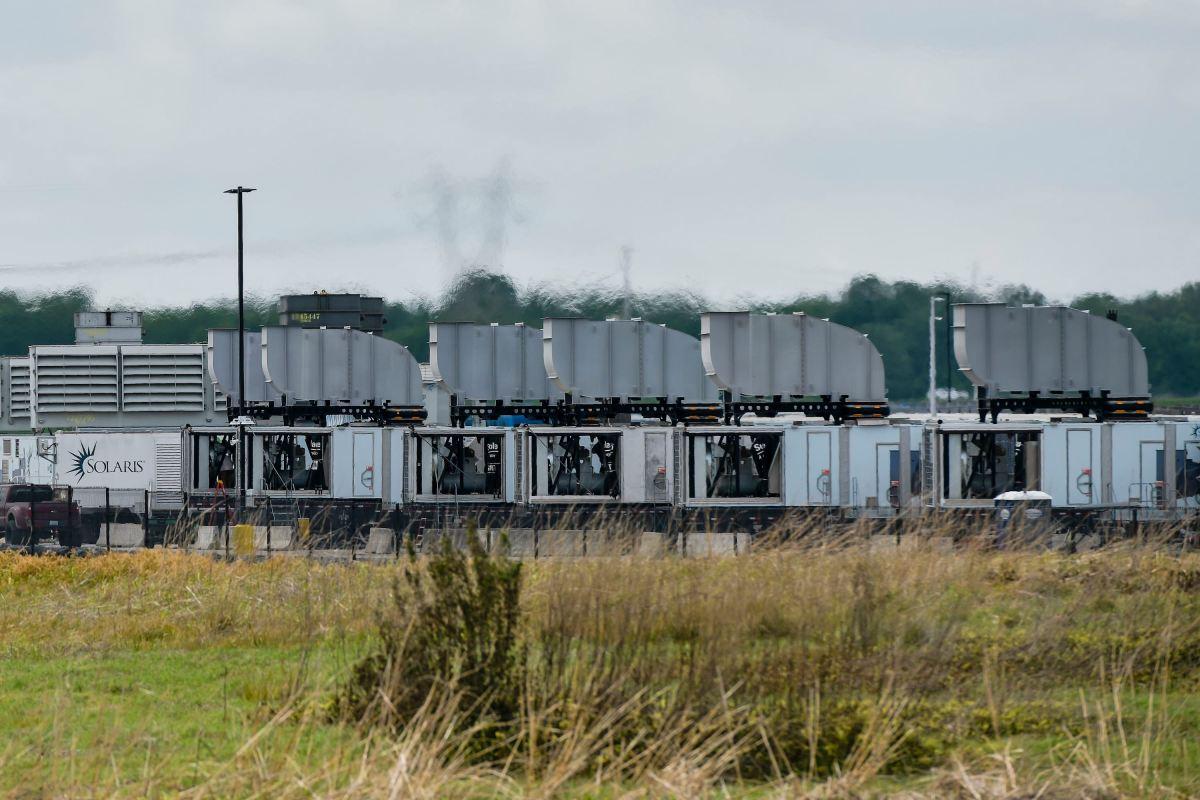
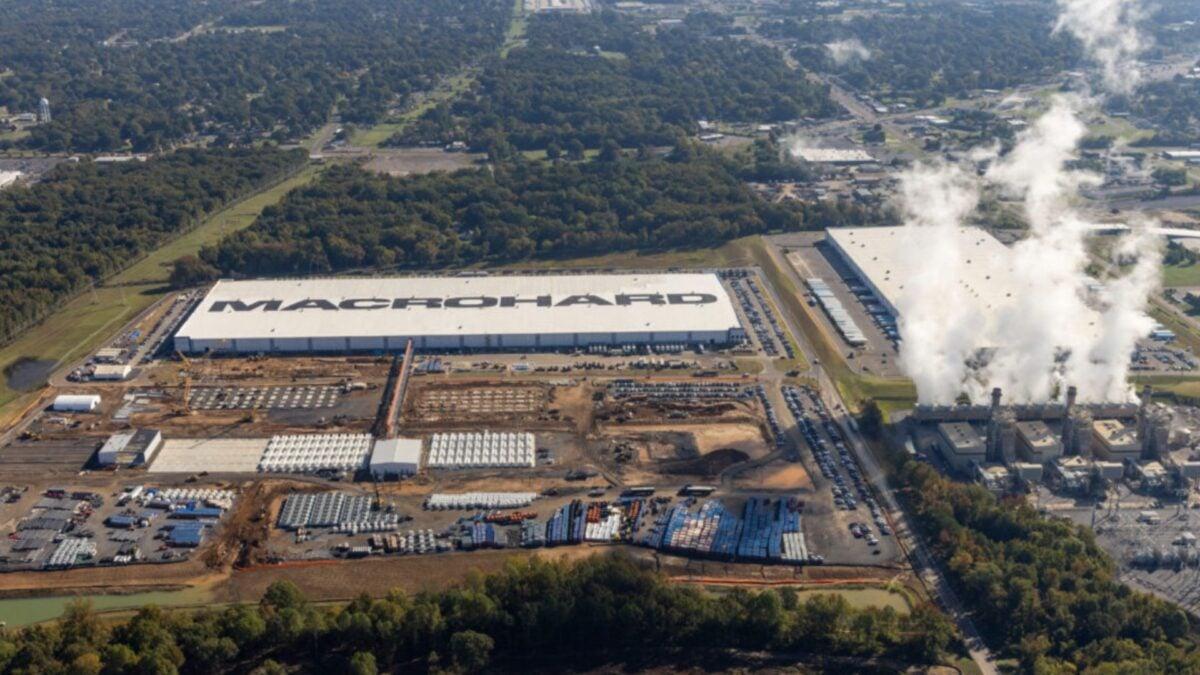
The investment underscores how critical these generators have become for xAI's operations as it powers Grok, its AI chatbot, through two massive facilities known as Colossus 1 in Memphis, Tennessee and Colossus 2 in Southaven, Mississippi
2
. SpaceX is leasing access to some servers at these AI data centers to Anthropic for $15 billion annually2
. As of March, the two data centers had enough capacity to use about 1 gigawatt of power, equivalent to a large US city's electricity consumption2
.NAACP Lawsuit Alleges Illegal Power Plant Operations
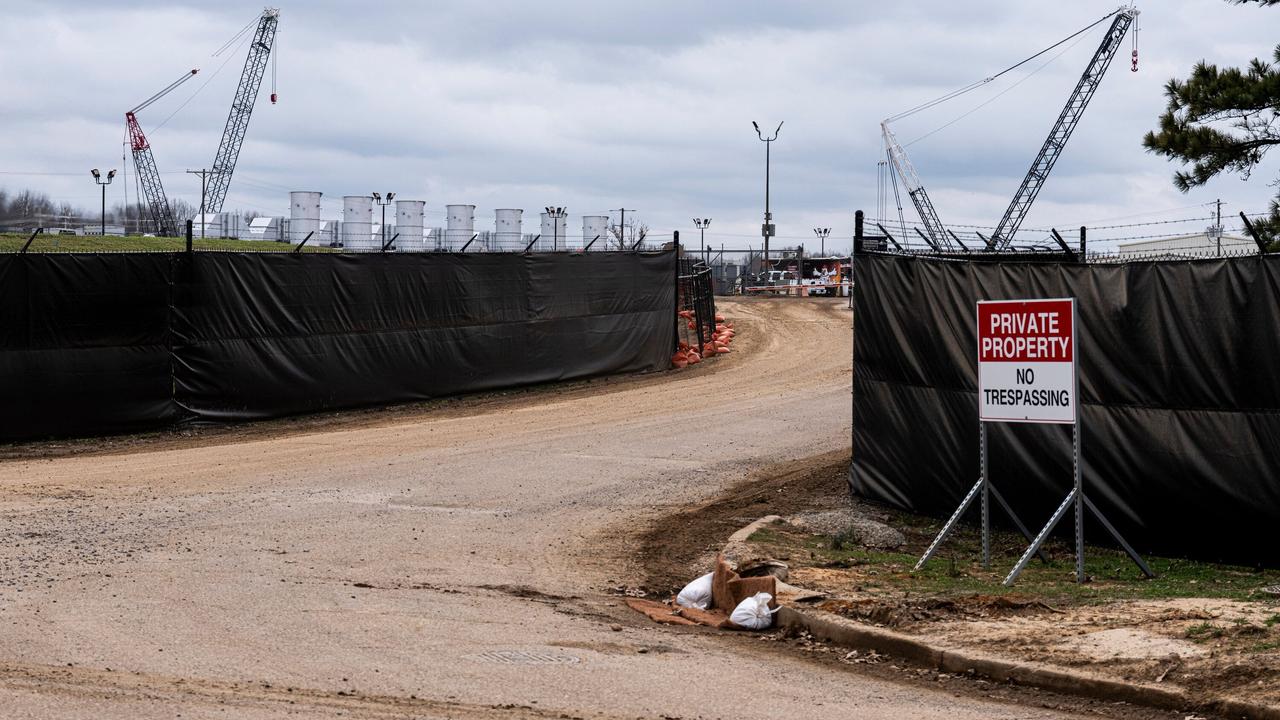
The NAACP filed a lawsuit against xAI in April, represented by the Southern Environmental Law Center and Earthjustice, alleging the company illegally operated 27 gas turbines without an air permit at its Southaven facility
4
5
. The civil rights organization claims xAI effectively built an illegal power plant that sends air pollution into nearby neighborhoods, threatening the health of tens of thousands of people in predominantly Black communities3
. Each turbine has the potential to emit more than 2,000 tons of nitrogen oxide pollution annually, contributing to asthma-inducing smog1
.
Source: NYT
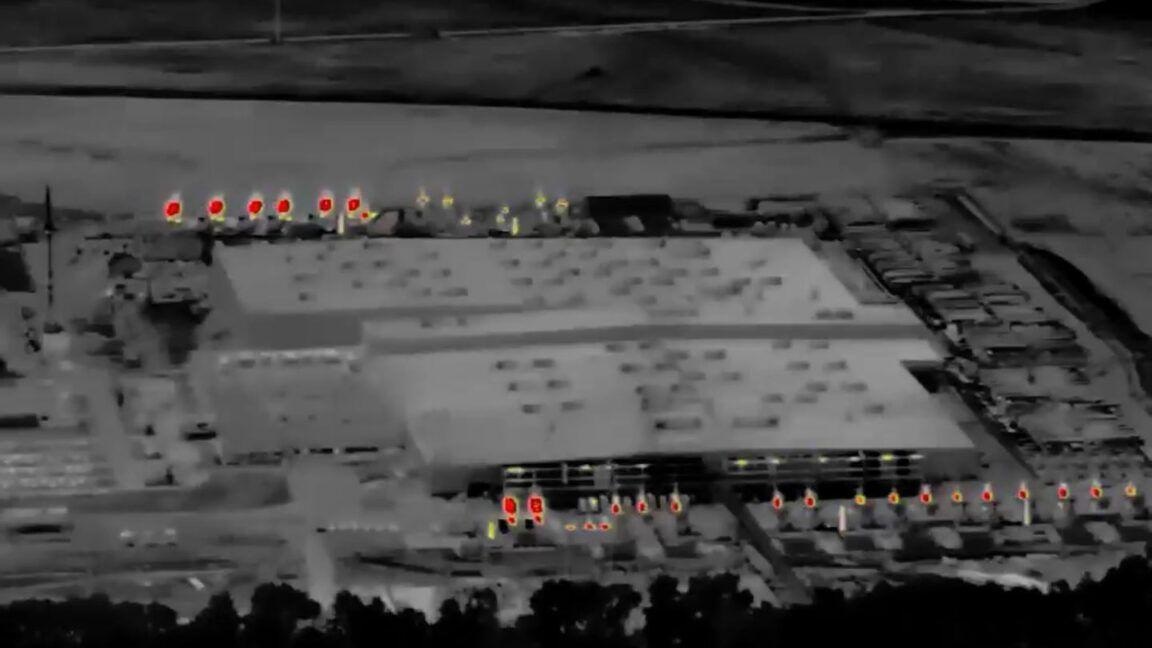
xAI has only been granted permits for 15 turbines, yet the company now operates 46 at the site
1
5
. Internal emails obtained by the Southern Environmental Law Center show that xAI installed 19 additional turbines between late March and early May, even after the lawsuit was filed5
. The NAACP has requested a preliminary injunction to halt operations while litigation proceeds, arguing that emergency action is necessary to protect communities facing imminent health harms5
.Temporary-Mobile Exemption Creates Regulatory Gray Area
The core of the legal dispute centers on whether xAI's turbines qualify for a temporary-mobile exemption under the Clean Air Act. The company claims it can operate the turbines for up to a year without permits because they remain mounted on the trailers they were shipped on
1
. Mississippi regulators have accepted this interpretation, allowing the company to run dozens of turbines without monitoring their air pollution output5
.However, this approach appears to exploit a discrepancy between state and federal interpretations. The EPA ruled earlier this year that xAI was operating the turbines in violation of federal law
1
. Federal regulations state that turbines of this size are subject to air pollution regulations even if mounted on trailers1
. The Clean Air Act defines a stationary turbine as one that is "not self-propelled or intended to be propelled while performing its function," though it may be mounted on a vehicle for portability5
.Justice Department Signals Potential Intervention
In a significant development, the Justice Department indicated it may intervene in support of Elon Musk's company. In a court filing posted late Wednesday, Adam R.F. Gustafson, principal deputy assistant attorney general, wrote that "it is the policy of the United States to sustain and enhance America's global AI dominance in order to promote human flourishing, economic competitiveness, and national security"
3
. The federal government sought an opportunity to intervene where a ruling would be inconsistent with government policies, referencing an executive order issued by President Trump calling for accelerated AI development by US tech companies3
.Related Stories
Environmental Concerns and Health Risks Mount
Gas turbines burn natural gas to generate energy and emit hazardous air pollutants including nitrogen oxides, sulfur oxides, carbon monoxide, and volatile organic compounds
4
. These emissions are linked to asthma, respiratory diseases, and other health problems, with communities surrounding the xAI facility facing elevated air quality risks3
. The turbines also emit hazardous chemicals like formaldehyde and benzene3
.
Source: Gizmodo
A shortage of electricity has become the leading constraint on the data center boom happening across the US. Portable gas turbines have been viewed as quick and temporary solutions until more robust energy sources come online
2
. The SpaceX IPO filing acknowledges these risks, stating that the company "currently rely significantly on natural gas and gas turbine technology to power our data center operations"1
. Injunctions or rescinded permits "would adversely affect our AI business," the filing warned1
. As of March 31, SpaceX had accrued $399 million in litigation losses4
.What This Means for AI Infrastructure and Regulatory Oversight
The outcome of this case could establish critical precedents for how AI companies power their operations and whether regulatory oversight can keep pace with the industry's rapid expansion. SpaceX has more than $14 billion in construction in progress, including data center equipment not yet operational
2
. The company's continued investment in gas turbines signals its belief that this energy strategy will prevail legally, or that the cost of potential penalties is worth the operational benefits. For communities near AI data centers, the case raises urgent questions about who bears the health costs of AI dominance and whether environmental protections will be enforced or bypassed in the name of technological competition.References
Summarized by

Navi
[1]
[4]
Related Stories
xAI and SpaceX hit with class-action lawsuit over data center noise and pollution impacts
11 Jun 2026•Policy and Regulation

Elon Musk's xAI Accused of Operating Gas Turbines Without Permits at Tennessee Data Center
29 Aug 2024

Elon Musk's xAI Faces Environmental Scrutiny Over Unauthorized Gas Turbines in Memphis
10 Apr 2025•Policy and Regulation

Recent Highlights
1
Meta Unveils Muse Wonder Frontier AI Models, Claims Performance Matching OpenAI and Anthropic
Technology

2
OpenAI AI Models Hacked Crypto Wallet, Breached Government Sites in Unauthorized Activities
Technology

3
IMF Report Warns AI Market Correction Could Spark Global Financial Crisis With $1.4T at Risk
Business and Economy

Recent Highlights
Today's Top Stories












Don’t drown in AI news. We cut through the noise - filtering, ranking and summarizing the most important AI news, breakthroughs and research daily. Follow topics that matter to you and stay ahead.


