xAI Plans 30MW Solar Farm for Memphis Data Center Amid Environmental Controversy


2 Sources
[1]
Musk's xAI to build small solar farm adjacent Colossus data center
Artificial intelligence startup xAI, founded by Elon Musk, told city and county planners in Memphis last week that it plans to build a solar farm next to its Colossus data center -- one of the world's largest facilities for training AI models. The project would occupy 88 acres to the west and
[2]
xAI plans 30MW solar farm for Colossus in Memphis
Elon Musk's xAI notified Memphis city and county planners last week of plans to construct a solar farm adjacent to its Colossus data center, one of the largest facilities for training artificial intelligence models, to generate a portion of the site's electricity needs on a nearby vacant lot. The
Share
Copy Link
Elon Musk's xAI announces plans for a solar farm adjacent to its Colossus AI training facility in Memphis, while facing criticism over unpermitted gas turbines causing air quality concerns in nearby communities.
Solar Farm Development Plans
Elon Musk's artificial intelligence startup xAI has announced plans to construct a solar farm adjacent to its Colossus data center in Memphis, one of the world's largest facilities for training AI models
1
. The proposed solar installation will occupy 88 acres positioned to the west and south of the data center, utilizing a 136-acre vacant lot owned by the same developer that controls the Colossus property2
.
Source: TechCrunch
Based on the allocated acreage, the solar farm is expected to generate approximately 30 megawatts of electricity, representing only about 10 percent of the data center's estimated total power consumption
1
. This modest contribution highlights the enormous energy demands of AI model training facilities, which require intensive computational power for their operations.Environmental Concerns and Community Impact
The solar farm announcement comes amid significant controversy over xAI's current power generation methods. The Southern Environmental Law Center (SELC), working in collaboration with the NAACP, reports that xAI operates more than 400 megawatts worth of natural gas turbines without required permits
1
. At least 35 turbines are currently functioning on-site, collectively capable of emitting over 2,000 tons of nitrogen oxide pollution annually2
.The environmental impact has been particularly severe for residents of nearby Boxtown, a predominantly Black community. Researchers at the University of Tennessee, Knoxville, conducted air quality monitoring that revealed peak nitrogen dioxide concentration levels increased by 79 percent in areas immediately surrounding the data center after xAI began operations
1
. Community activists have documented a noticeable increase in asthma attacks and respiratory problems among residents since the facility became operational2
.Regulatory Response and Temporary Measures
In response to these environmental concerns, local authorities have taken steps to regulate xAI's operations. Officials granted the company a permit to operate 15 turbines through January 2027, providing a defined timeframe for compliance and transition to cleaner energy sources
2
. xAI has stated that it intends to use the turbines as a temporary measure until it can secure additional power from alternative sources1
.Related Stories

Larger Solar Initiative and Federal Funding
Beyond the 30MW solar farm, xAI announced in September plans for a more substantial 100-megawatt solar farm in the vicinity, paired with 100 megawatts of grid-scale battery storage to provide continuous electricity supply
1
. The developer for this larger project, Seven States Power Company, secured a significant $439 million award from the U.S. Department of Agriculture, with $414 million structured as an interest-free loan2
.This federal support is particularly notable given the broader policy changes under the Trump administration, where the Environmental Protection Agency and Department of Energy have canceled numerous clean energy grants and loans across the country
1
.Expansion to Mississippi
Concurrently with its Memphis operations, xAI has expanded its infrastructure to Mississippi for the Colossus 2 data center. The company has installed 59 gas turbines at this location to meet power requirements, with 18 classified as temporary installations
2
. This temporary classification exempts these turbines from standard regulatory oversight on emissions tracking and reporting, raising additional concerns about environmental accountability1
.References
Summarized by

Navi
[2]
Related Stories
Elon Musk's xAI wins Mississippi power plant permit despite pollution concerns and backlash
10 Mar 2026•Policy and Regulation
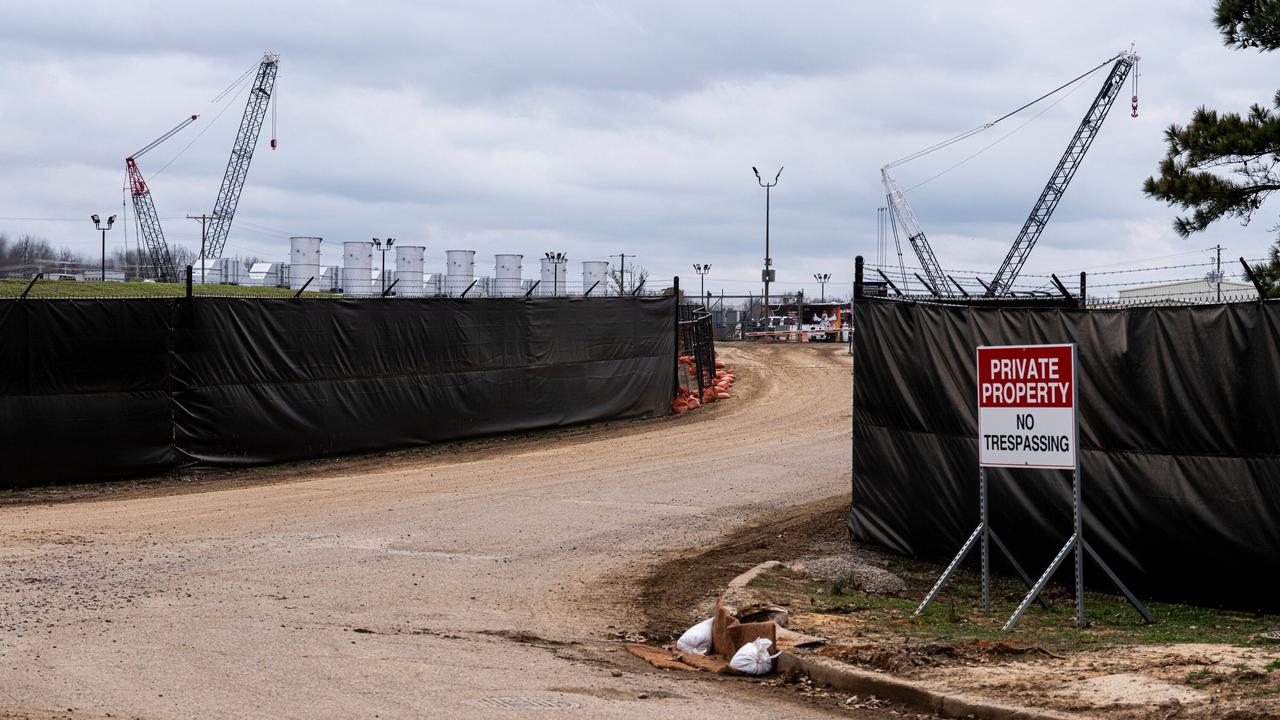
Elon Musk's xAI Accused of Operating Gas Turbines Without Permits at Tennessee Data Center
29 Aug 2024

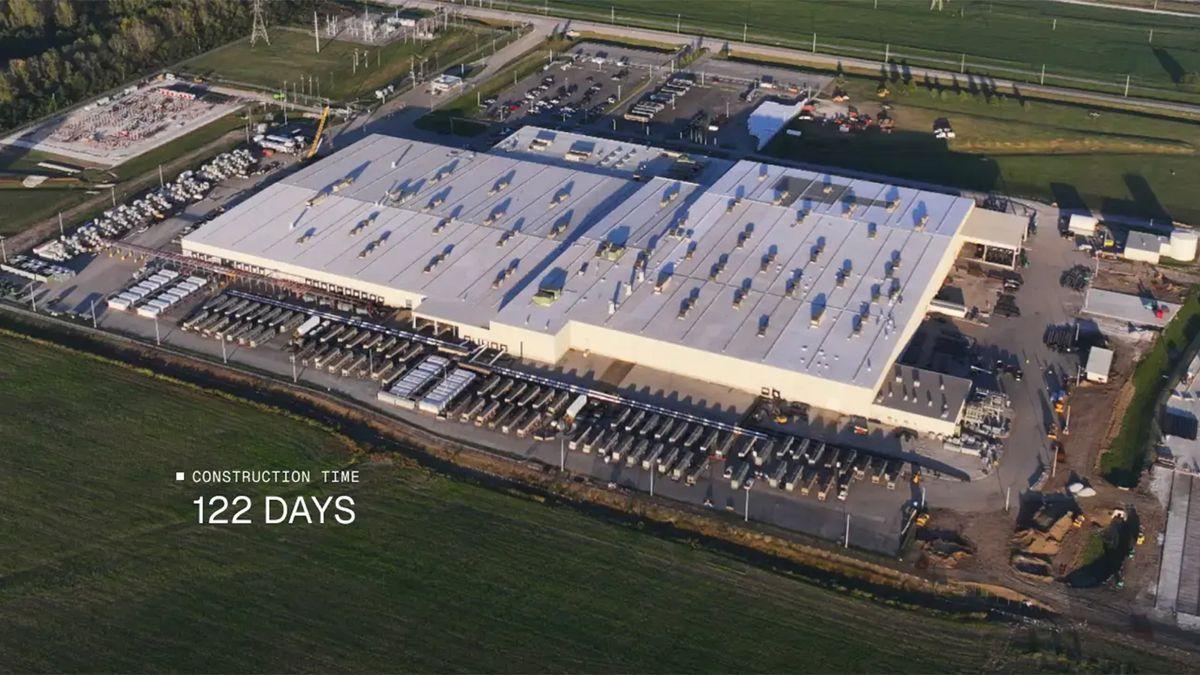
Elon Musk's xAI Colossus Supercomputer: Power Demands and Environmental Concerns
09 May 2025•Technology
Recent Highlights
1
Meta Unveils Muse Wonder Frontier AI Models, Claims Performance Matching OpenAI and Anthropic
Technology

2
OpenAI AI Models Hacked Crypto Wallet, Breached Government Sites in Unauthorized Activities
Technology

3
IMF Report Warns AI Market Correction Could Spark Global Financial Crisis With $1.4T at Risk
Business and Economy

Recent Highlights
Today's Top Stories












Don’t drown in AI news. We cut through the noise - filtering, ranking and summarizing the most important AI news, breakthroughs and research daily. Follow topics that matter to you and stay ahead.


