5 Sources
[1]
X busts 200,000-strong Chinese bot farm, including accounts making claims about AI data centers and electricity -- suspect accounts posted claims about pricing and grid strain to 'manipulate' debate
X's Global Government Affairs team posted on its account that it identified a 200,000-strong bot farm operating on the platform, with 200 of them posting information designed to influence public perception. According to the team, the accounts are suspected to have been created by Chinese operators, and that they're using the accounts to amplify the negative impacts of AI data centers, especially on electricity prices. "We identified a bot farm of approximately 200,000 accounts. Within this farm, we found 200 accounts posting in a manner that could manipulate a legitimate debate about American AI and energy policy," the team said in its post on the platform. "These posts contained claims that AI data centers are driving up household electricity prices and straining the grid. Others included AI-generated cartoons that depicted data-center operators enriching themselves at the public's expense." Some of the accounts shared by the team show names like Thomas Jackson, Patricia Robinson, Sandra Thompson, and Kenneth Flores, making it seem like they're owned by Americans, and they're sharing news stories from legitimate sources like The Southern Maryland Chronicle. For example, some of their posts share the story of how PJM Interconnection hiked its prices by 76% due to AI data center demand. However, they add commentary, and sometimes even include AI-generated images designed to inflame the emotions of someone just scrolling through their feed. One narrative they're pushing is that the costs of putting up data centers are being borne by ordinary people as big tech companies enrich themselves. It's unclear who sponsored or sanctioned the China-linked accounts on X, but there have been reports of China-linked operations designed to divide U.S. opinion on AI. However, the resistance against data centers isn't all driven by Chinese propaganda, as billionaire investor Kevin O'Leary once claimed. In fact, a recent poll suggested that the biggest driver of data center protests is based on "object-level" local environmental and economic harms, especially as many other projects have shown the negative impacts they had on the community. The concerns that many residents have about data center developments in their area are indeed valid and true, but so is the threat of foreign intervention in domestic American politics. This is no surprise, though, as nation-states have always used propaganda and information to advance their own interests. The internet, social media, and artificial intelligence have made this easier in recent years, though, so both platforms and people need to be more vigilant than ever. Follow Tom's Hardware on Google News, or add us as a preferred source, to get our latest news, analysis, & reviews in your feeds.
[2]
X claims it found a Chinese bot farm posting anti-AI data center sentiments - Engadget
The bots likely used ChatGPT to generate images for their campaign. X has discovered a bot farm network with 200,000 accounts on its platform as part of its Safety team's investigation into suspected inauthentic Chinese accounts. The company announced its findings on its Global Government Affairs page. It said that 200 accounts out of the 200,000 were posting comic strips, images and text about AI data centers in a manner that "could manipulate a legitimate debate about American AI and energy policy." Specifically, their posts talked about how AI data centers can drive up the prices of household electricity and strain the grids of towns nearby. They also posted AI-generated cartoons depicting data center operators as unscrupulous businessmen raking in profits from the facilities while average families shoulder the bill. X didn't list the accounts involved in the troll farm, but it did post some examples on the platform. "We remain committed to maintaining an open and authentic platform where people debate topics of public interest," it wrote. "We take seriously any attempts to undermine the integrity of the global town square and suspend accounts that violate our Authenticity policy." Based on the sample posts X shared, the inauthentic accounts used OpenAI to generate illustrations and talking points for their campaign. The same illustrations were in the report OpenAI published back in June about how accounts likely based in China used ChatGPT to generate anti-data center content. OpenAI noted back then that while the ChatGPT users likely used fake accounts to post on social media, they also posted "legitimate news stories about the power grid operator's capacity auctions and data center power demand." There are legitimate concerns about rising power costs in cities and towns near hyperscale data centers. According to Goldman Sachs, electricity prices have already increased by 6.9 percent year-over-year as of February 2026, and it believes prices will continue to rise as AI facilities demand growth. X didn't say what the rest of the accounts in the massive troll farm were posting about if only 200 were involved in spreading anti-AI data center sentiments. The report OpenAI published back in June also revealed, however, that the China-linked ChatGPT users also asked the chatbot to write insults against Chinese dissidents and political commentators, as well as criticisms of US tariffs and tech policies.
[3]
X says China used hundreds of bot accounts to amplify fears about AI data centers that many Americans already share
Serving tech enthusiasts for over 25 years. TechSpot means tech analysis and advice you can trust. A hot potato: X says that it has just identified a bot farm of approximately 200,000 accounts created by Chinese operators. What's getting a lot of attention is that 200 of these accounts were apparently dedicated to posting anti-AI data center content designed to influence public perception. The country has tried this before with little success - most people already hate the facilities, anyway. X's Global Government Affairs writes that the 200 accounts were posting "in a manner that could manipulate a legitimate debate about American AI and energy policy." The posts contained "claims" that AI data centers are driving up household electricity prices and straining the grid. Other posts featured AI-generated cartoons that depicted data-center operators enriching themselves at the public's expense. At least two of the example images appeared in a similar OpenAI report from June. It claimed that China-based ChatGPT users asked the chatbot for ways to influence Americans' opinions of data centers in the US. The resulting posts also claimed that AI data center buildouts for AI were increasing electricity prices for average families. When discussing rising electricity prices, the OpenAI report said the accounts "claimed" this was the case. But it really is happening, as noted by Bloomberg, which found that prices have risen by up to 267% in areas near data centers. Goldman Sachs came to a similar conclusion. It wrote that electricity prices have already increased by 6.9% year-over-year as of February 2026, and they'll continue to increase as more AI data centers are built. X didn't say what the remaining 198,800 accounts were posting. OpenAI's June report said the other main content criticized US tariffs and technology policies, so one could assume the same thing was happening here. The pushback against data centers in the US has been growing in both size and intensity. It's led to claims that the opposition hurts the economy and national security. Fox News compared it to protesting against tank and plane factories during World War II. Even President Donald Trump said those opposing the construction of new data centers are "making a mistake." Ultimately, it feels like China is wasting its time trying to convince people of something they already believe. The facilities consume enormous amounts of electricity and can strain power grids that were never designed for such concentrated demand. One planned Michigan campus is expected to draw 1.4 gigawatts - roughly the output of a nuclear power plant - while residents have also raised concerns about traffic and the loss of agricultural land. Water use is another major concern. Virginia data centers consumed at least 1.85 billion gallons in 2023, up from 1.13 billion gallons in 2019. In Georgia, one development used 29 million gallons of water before receiving a bill while nearby residents complained about low water pressure. The expansion can also bring constant noise and more pollution, especially as operators turn to diesel generators and gas turbines when the grid cannot keep up. China may be exploiting the controversy, but it certainly didn't invent it.
[4]
China is secretly fueling America's data center rage
Driving the news: The X Safety team probed suspected Chinese accounts involved in influence operations and identified 200,000 accounts, including 200 accounts "posting in a manner that could manipulate a legitimate debate about American AI and energy policy," the team said in a tweet. * The posts included content on how AI strains the electricity grid and increases utility prices and "cartoons that depicted data-center operators enriching themselves at the public's expense." * It's unclear what, if any, action X will take to suspend or delete accounts from the bot farm. * X, owned by Elon Musk, whose billions rely on data centers to boost his AI enterprises, did not respond to Axios' request for comment. State of play: Congressional Republicans have been digging into influence campaigns from foreign adversaries designed to stall American AI development. * The House Energy and Commerce Committee sent a letter in June asking the FBI and White House advisers to brief lawmakers on alleged propaganda campaigns by foreign adversaries, specifically China, Russia and Iran, aimed at hindering U.S. AI development and data center expansion. * The letter cited several reports, including one estimating that opposition campaigns have delayed or obstructed roughly $45.8 billion in data center projects in Virginia alone. * Nonetheless, Democrat and Republican officials alike have increasingly backed data center moratoriums and embraced a not-in-my-backyard stance toward the massive infrastructure projects. Thought bubble from Axios' Madison Mills: Data center pushback has become a financial liability for the AI buildout. * Several Wall Street banks have recently cited political opposition as a risk to the entire AI sector. * The AI boom relies on expanding data centers because they provide the computing that massive AI companies need to keep growing. By the numbers: Whatever role foreign influence campaigns may play, organic opposition to data centers is very real. * Sixty-one percent of Americans oppose building new data centers in their area, according to an early August University of Pennsylvania survey. That's up 12 percentage points from a previous UPenn survey conducted in February and March. * That squares with a YouGov survey released Tuesday that found only 24% of Americans say building new data centers is very or somewhat good for the country. 47% say it's bad. * About 60% of Democrats, 48% of independents and 33% of Republicans say new data centers are bad for the country. MAGA Republicans are more likely to say data centers are good than bad, at 45%. Flashback: OpenAI disrupted two Chinese-linked covert networks using ChatGPT to create fake content to influence U.S. debates on AI energy consumption and tech tariffs, the company said in a June report. * The campaigns failed to catch on, but they signaled an active push by foreign adversaries to exploit American economic anxieties. Yes, but: It doesn't take much social media scrolling to see real videos of real people showing up in droves to local council meetings to fight back against data centers. Go deeper: Big Tech faces Big Resistance
[5]
X says it found and took down a Chinese bot farm posting anti-AI data center content to thousands of followers
* An X investigation just found 200k Chinese bot accounts, including 200 posting anti-AI content * The posts were targeting and amplifying legitimate US citizen concerns about data centers * Is this part of a Chinese effort to slow down American innovation, to race ahead? X's Global Government Affairs account has revealed it "identified a bot farm of approximately 200,000 accounts," 200 of which "posting in a manner that could manipulate a legitimate debate about American AI and energy policy." Some of the narratives that these 200 accounts were promoting included that: AI data centers are pushing up household electricity prices, rapid data centre construction is placing excessive strain on the US grid, and ordinary households are subsidising wealthy AI and data center companies. Among the post types were visual, cartoon-like illustrations depicting data center operators getting rich, while consumers picked up the cost. X Chinese bot accounts X described the activity as an attempt to interfere with what it explicitly acknowledged as "legitimate debate" about American AI and energy - many of the underlying concerns about electricity demand and consumer bills are indeed supported by genuine data, but the platform worries these accounts could skew public discourse. The company now says it's suspended the accounts that violate its authentication policy, stressing that while it wants X to remain an "open and authentic platform," fake accounts and bots are not welcome. The post describes the offenders as "suspected Chinese inauthentic accounts," but no further detail was shared about the operators, the ties to China, engagement and reach figures, and what the other 199,000+ accounts were doing. Is China targeting US AI? In a similar vein, OpenAI also recently uncovered a similar operation, implying this X case isn't alone. The ChatGPT maker called that earlier operation a 'Data Center Bandwagon', when it banned a cluster of likely Chinese accounts using ChatGPT to produce propaganda-like material and other similar social media content criticizing US AI data centers. According to the company, the accounts responsible prompted in Simplified Chinese, often requested English outputs and used VPNs to avoid the restrictions placed on mainland China. More broadly, Axios previously reported pro-AI organizations were worried that China-linked bot campaigns were promoting opposition to US data centers, possibly in a bid to slow America's ability to build out its AI infrastructure while buying China time to get ahead. "Industry, governments, civil society and the public should remain alert for similar attempts to scale these messages and foreign interference activities," OpenAI warned in its June 2026 report. Together, these two cases imply that China-linked operators are deliberately experimenting with ways to boost American opposition to AI infrastructure using existing concerns, but what sort of an impact these accounts are actually having on public perception is not yet so clear. "We take seriously any attempts to undermine the integrity of the global town square and suspend accounts that violate our Authenticity policy," X wrote. Follow TechRadar on Google News and add us as a preferred source to get our expert news, reviews, and opinion in your feeds.
Share
Copy Link
X discovered a massive Chinese bot farm with 200,000 accounts, including 200 posting anti-AI data center content using ChatGPT-generated images. The disinformation campaign targeted legitimate American concerns about rising electricity costs and grid strain to manipulate energy policy debates.
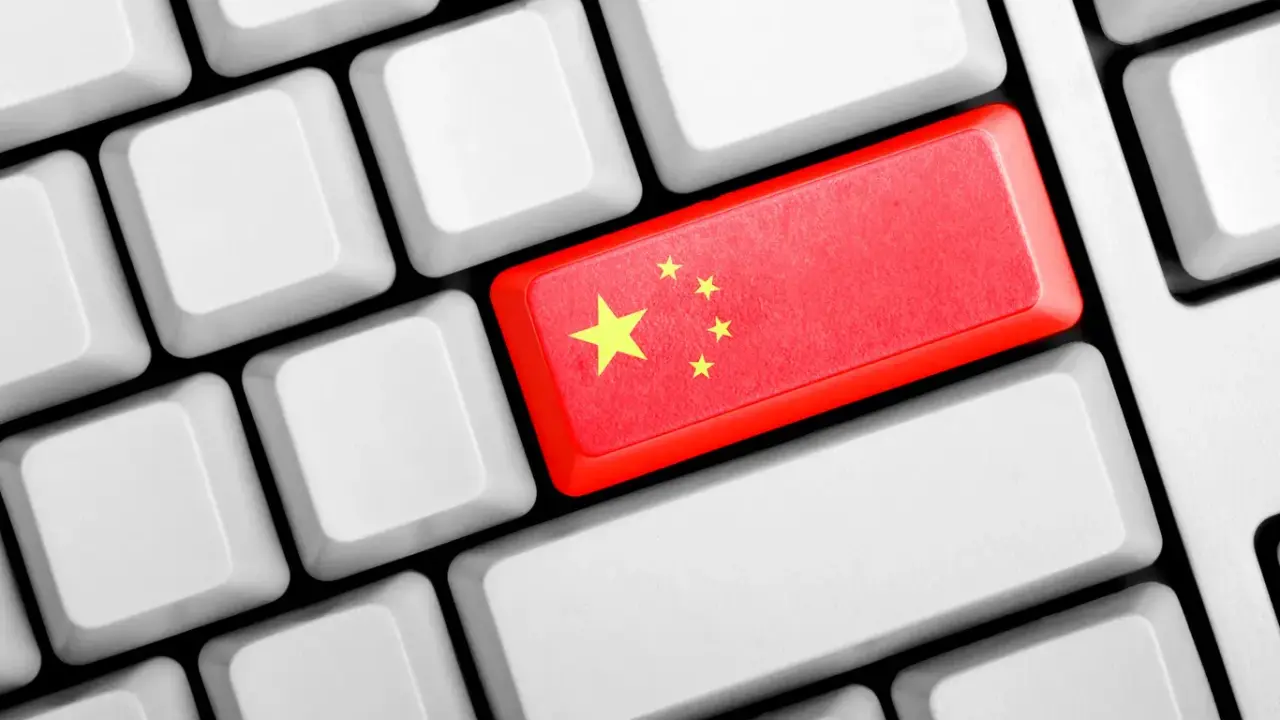
X's Global Government Affairs team revealed it identified a Chinese bot farm comprising approximately 200,000 accounts operating on its platform
1
. Within this network, 200 accounts were posting content designed to manipulate public debate about American AI and energy policy2
. The suspected Chinese inauthentic accounts used fake American names like Thomas Jackson and Patricia Robinson to appear legitimate while spreading anti-AI data center sentiments1
.
Source: Axios
The bot accounts leveraged ChatGPT to generate illustrations and talking points for their campaign
2
. Posts featured AI-generated cartoons depicting data center operators as unscrupulous businessmen enriching themselves while average families shouldered the bill1
. The accounts shared legitimate news stories from sources like The Southern Maryland Chronicle but added inflammatory commentary designed to amplify concerns about AI data centers driving up household electricity prices and creating strain on electricity grids1
. Some posts referenced real events, including PJM Interconnection's 76% price hike attributed to AI data center demand1
.Source: TechSpot
This discovery aligns with OpenAI's June report that disrupted two Chinese-linked covert networks using ChatGPT to create fake content influencing U.S. debates on AI energy consumption
4
. The House Energy and Commerce Committee sent a letter in June requesting FBI briefings on alleged propaganda campaigns by foreign adversaries aimed at hindering U.S. AI development4
. The letter cited estimates that opposition campaigns have delayed or obstructed roughly $45.8 billion in data center projects in Virginia alone4
. Congressional Republicans view these foreign influence operations as threats to national security and American innovation4
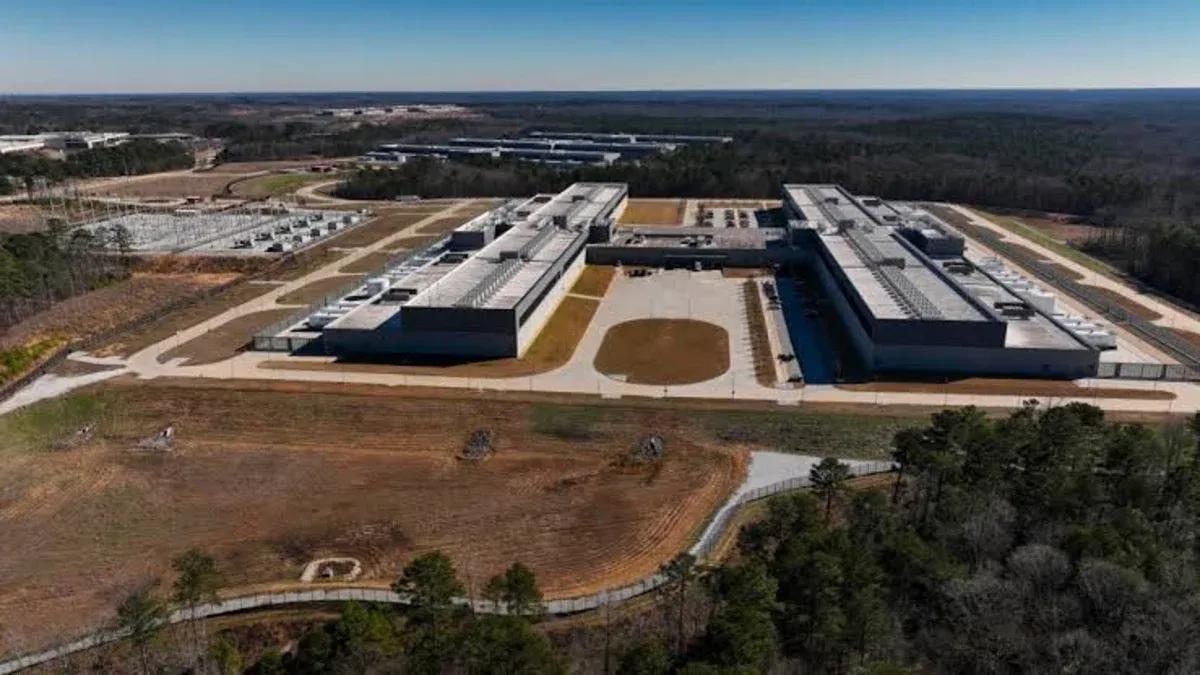
.While the bot farm represents a clear disinformation campaign, the underlying concerns about AI data centers are legitimate. Goldman Sachs reported that rising electricity costs increased by 6.9% year-over-year as of February 2026, with expectations for continued increases as AI facilities demand growth
2
. Bloomberg found that electricity prices have risen by up to 267% in areas near data centers3
. Virginia data centers consumed at least 1.85 billion gallons of water in 2023, up from 1.13 billion gallons in 20193
. One planned Michigan campus is expected to draw 1.4 gigawatts—roughly the output of a nuclear power plant3
.Related Stories
A University of Pennsylvania survey from early August found that 61% of Americans oppose building new AI data centers in their area, up 12 percentage points from February and March
4
. A separate YouGov survey revealed only 24% of Americans say building new data centers is good for the country, while 47% say it's bad4
. About 60% of Democrats, 48% of independents, and 33% of Republicans consider new data centers harmful4
. Wall Street banks have cited political opposition as a risk to the entire AI sector, making data center pushback a financial liability for AI buildout4
.X suspended accounts violating its Authenticity policy, stating it remains "committed to maintaining an open and authentic platform where people debate topics of public interest"
2
. The platform takes seriously any attempts to undermine the integrity of what it calls the "global town square"5
. OpenAI warned that "industry, governments, civil society and the public should remain alert for similar attempts to scale these messages and foreign interference activities"5
. The discovery raises questions about how China-linked operators are experimenting with ways to boost American opposition to AI infrastructure using existing concerns, though the actual impact on public perception remains unclear5
.
Source: Engadget
Summarized by
Navi
10 Jun 2026•Policy and Regulation

30 May 2026•Policy and Regulation

28 Jan 2026•Policy and Regulation

1
Technology

2
Policy and Regulation

3
Policy and Regulation