YouTube's AI Lip-Sync Technology: Revolutionizing Auto-Dubbing for Global Content


4 Sources
[1]
YouTube Tests AI Lip-Syncing Tech to Better Match Its Auto-Dubbing Feature
With over a decade of experience reporting on consumer technology, James covers mobile phones, apps, operating systems, wearables, AI, and more. Don't miss out on our latest stories. Add PCMag as a preferred source on Google. Your next favorite YouTuber may not even speak the same language as
[2]
After auto-dubbing, YouTube is toying with automatic lip-syncs
Whether you like it or not, Google isn't backing down on its attempts to increase engagement by automatically translating audio into your native tongue. Now, following continuous and unwavering stabs at simply translating audio with autodubbing, YouTube may take it a notch higher with
[3]
Exclusive: YouTube reveals how it can make you speak languages you don't know
YouTube wants your lips to play nice with AI-translated audio. It's more technical to pull off than it looks. Tech for Change This story is part of Tech for Change: an ongoing series in which we shine a spotlight on positive uses of technology, and showcase how they're helping to make the world a
[4]
Auto-dubbing gets weirdly real with YouTube's new lip-sync AI
The feature uses 3D modeling to map lip, teeth, and facial geometry for realistic speech animation. YouTube is developing an artificial intelligence feature to generate lip-syncing for its auto-dubbed videos. The technology aims to enhance realism by modifying a speaker's mouth movements to align
Share
Copy Link
YouTube is testing an AI-powered lip-syncing feature to enhance its auto-dubbing capabilities, aiming to make translated videos appear more natural and engaging. This technology could potentially break language barriers in video content consumption.
YouTube's Innovative AI Lip-Sync Technology
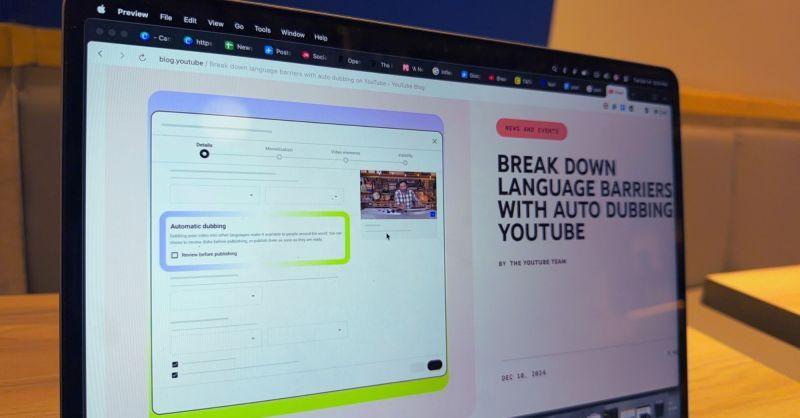
YouTube is pushing the boundaries of content accessibility with its latest AI-powered feature: lip-syncing technology for auto-dubbed videos. This groundbreaking development aims to enhance the viewing experience by making translated content appear more natural and engaging
1
.
Source: Digital Trends
The Technology Behind the Scenes
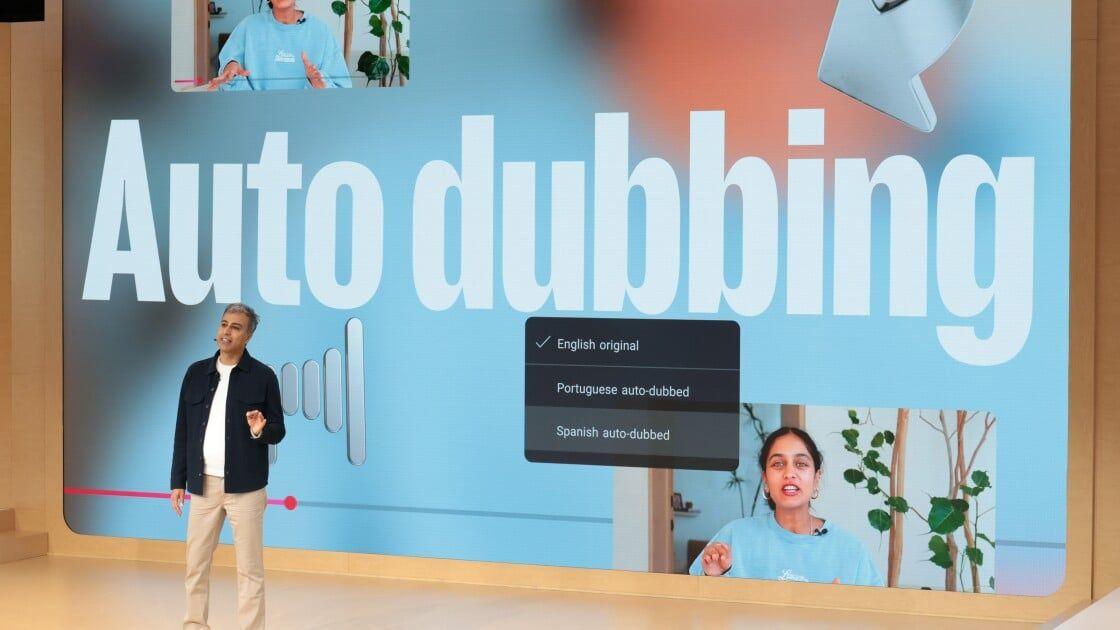
Buddhika Kottahachchi, YouTube's Product Lead for Autodubbing, explains that the system employs sophisticated AI to modify on-screen pixels, ensuring that lip movements match the translated speech
2
. The technology utilizes a custom-built AI model that incorporates:- 3D perception of facial structures
- Analysis of lip shapes and teeth geometry
- Interpretation of various facial expressions
This intricate approach allows for a more accurate simulation of speech movements in different languages
3
.
Source: PC Magazine
Current Capabilities and Future Expansion
In its testing phase, the lip-sync feature works best with Full HD (1080p) videos and currently supports five languages: English, French, German, Spanish, and Portuguese
1
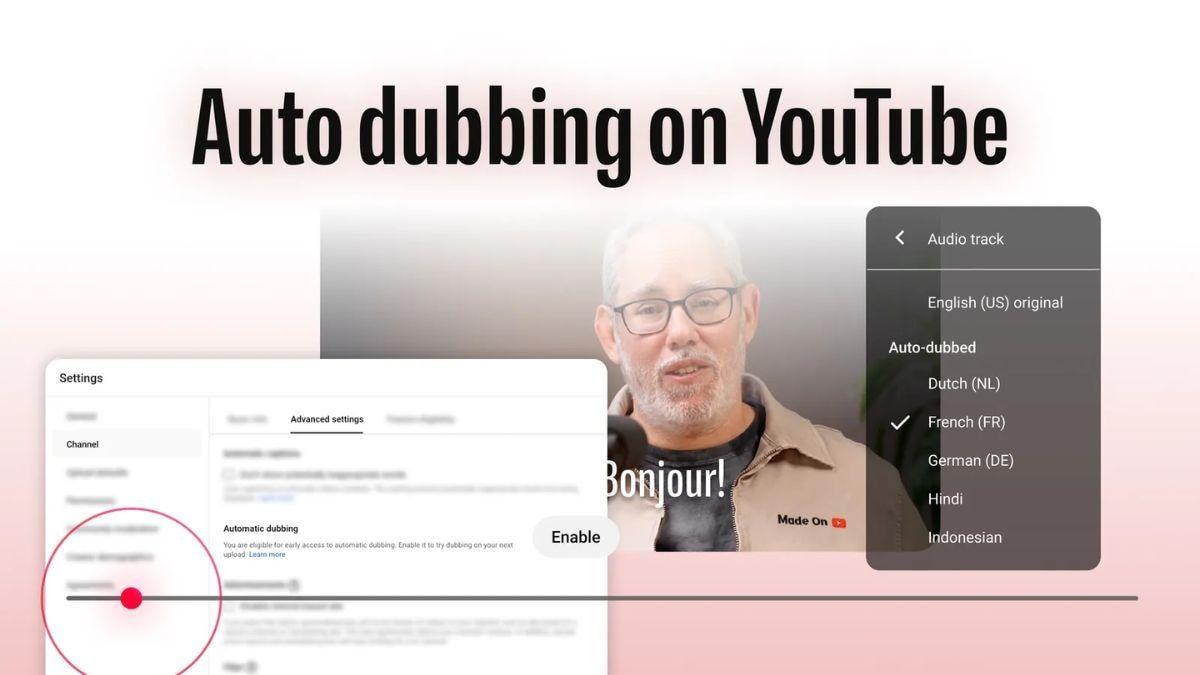
. YouTube plans to expand this to cover all 20+ languages supported by its auto-dubbing feature, which has already been used on over 60 million videos since its launch in December 20243
.Implications and Potential Impact
This technology has the potential to revolutionize global content consumption by breaking down language barriers. It could enable creators to reach wider audiences and viewers to enjoy content in their native languages without the jarring disconnect between audio and visual cues
4
.Ethical Considerations and Transparency
YouTube is addressing potential ethical concerns by implementing safeguards:
- Descriptive disclosures informing viewers of AI alterations
- An invisible, persistent digital watermark for tracking and authentication
These measures aim to maintain transparency and prevent misuse of the technology
4
.Related Stories

Launch Timeline and Availability
While no formal launch date has been announced, YouTube is currently testing the feature with a select group of creators. The company is assessing compute constraints and quality before making decisions about broader availability
3
.Cost Considerations
The potential costs associated with this feature remain undetermined. YouTube is evaluating the compute expenses involved in this complex AI implementation, which may influence whether it becomes a paid feature for creators or viewers
3
.As AI continues to reshape the digital landscape, YouTube's lip-sync technology represents a significant step towards more immersive and globally accessible video content. Its success could pave the way for similar innovations across other platforms and industries.
References
Summarized by

Navi
[2]
Related Stories
YouTube Expands AI-Powered Auto-Dubbing Feature for Global Content Accessibility
22 Nov 2024•Technology

YouTube expands auto-dubbing feature to all creators with AI-powered voice and lip sync upgrades
05 Feb 2026•Technology
YouTube Expands AI-Powered Auto-Dubbing Feature to Knowledge and Information Channels
11 Dec 2024•Technology

Recent Highlights



Recent Highlights
Today's Top Stories




Don’t drown in AI news. We cut through the noise - filtering, ranking and summarizing the most important AI news, breakthroughs and research daily. Follow topics that matter to you and stay ahead.


