Exowatt Raises $50M to Power AI Data Centers with Solar-Heated Rock Technology


2 Sources
[1]
Exclusive: Sam Atlman-backed Exowatt wants to power AI data centers with billions of hot rocks
When Hannan Happi started thinking about how to solve the AI power crisis, he kept one figure in mind: one cent per kilowatt-hour. "We went through all sorts of configurations and designs," Happi, co-founder and CEO of Exowatt, told TechCrunch. "They all look different from each other. We tried to
[2]
Exowatt has a rock-solid plan to provide cheap, abundant energy for AI data centers - SiliconANGLE
Exowatt has a rock-solid plan to provide cheap, abundant energy for AI data centers Exowatt Inc., a solar-thermal energy startup backed by OpenAI Group PBC Chief Executive Sam Altman and other high profile investors, wants to solve the artificial intelligence energy crisis with millions of hot
Share
Copy Link
Sam Altman-backed Exowatt secured $50 million in Series A extension funding to scale its solar-thermal energy technology that uses heated rocks to provide 24/7 power to AI data centers at potentially one cent per kilowatt-hour.
Funding Round Details
Exowatt, a solar-thermal energy startup backed by OpenAI CEO Sam Altman, has secured an additional $50 million in an extension to its $70 million Series A round that closed in April
1
. The extension was led by MVP Ventures and 8090 Industries, with participation from Atomic, BAM, Bay Bridge Ventures, DeepWork Capital, Dragon Global, the Florida Opportunity Fund, Massive VC, New Atlas Capital, Overmatch, Protagonist, and StepStone1
.CEO Hannan Happi explained that while the company wasn't actively seeking additional capital after the April round, "strong momentum we saw in the market" and "strong investor interest" encouraged them to accept the new funding at a higher valuation
1
.The Technology Behind Hot Rocks
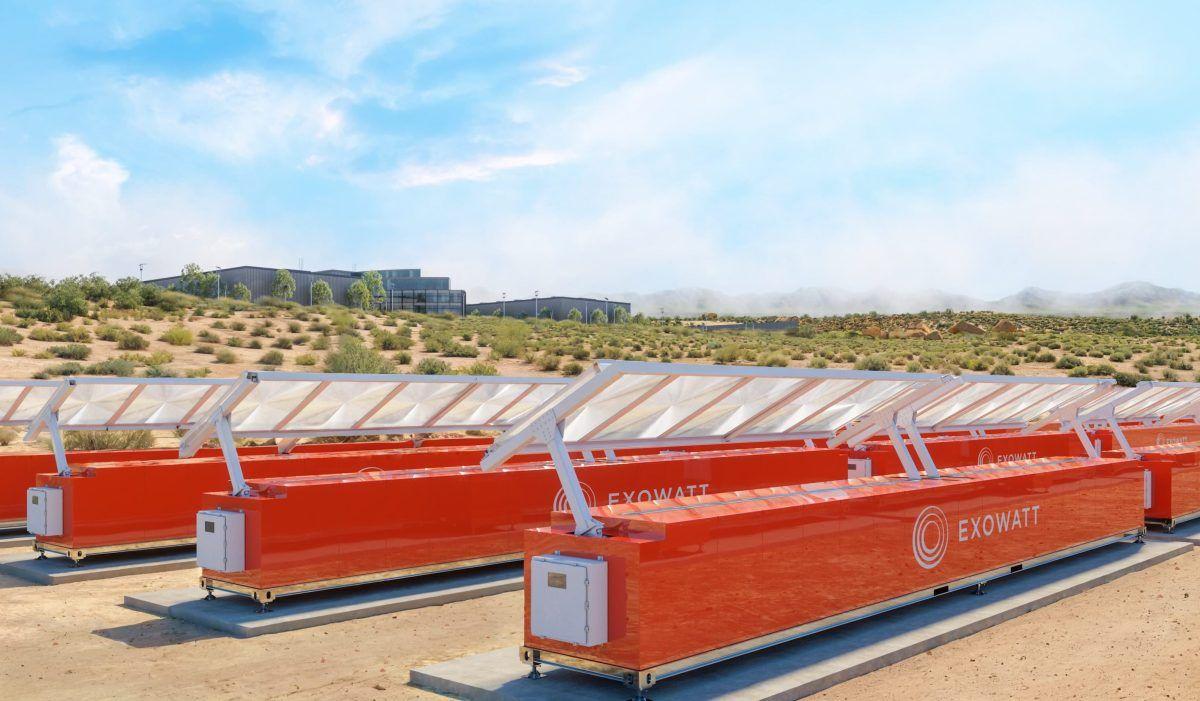
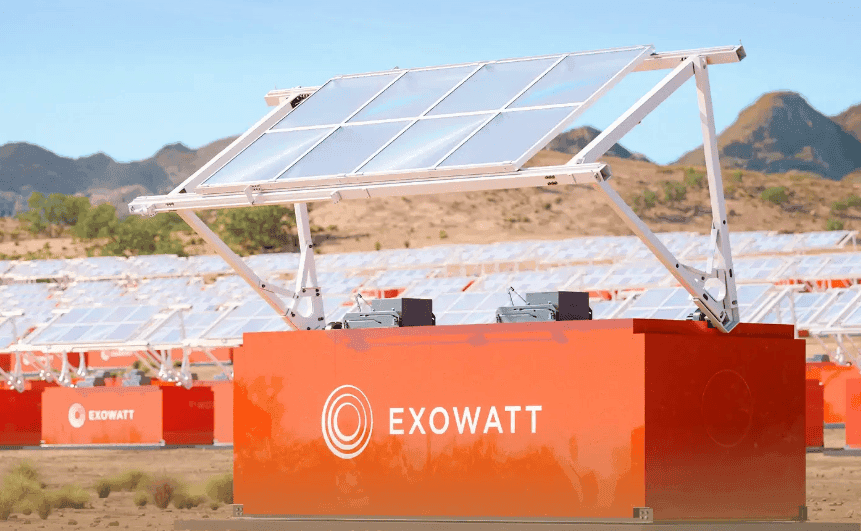
Exowatt is developing what it calls the P3 system, which repackages decades-old concentrated solar power technology into modular shipping container-sized units
1
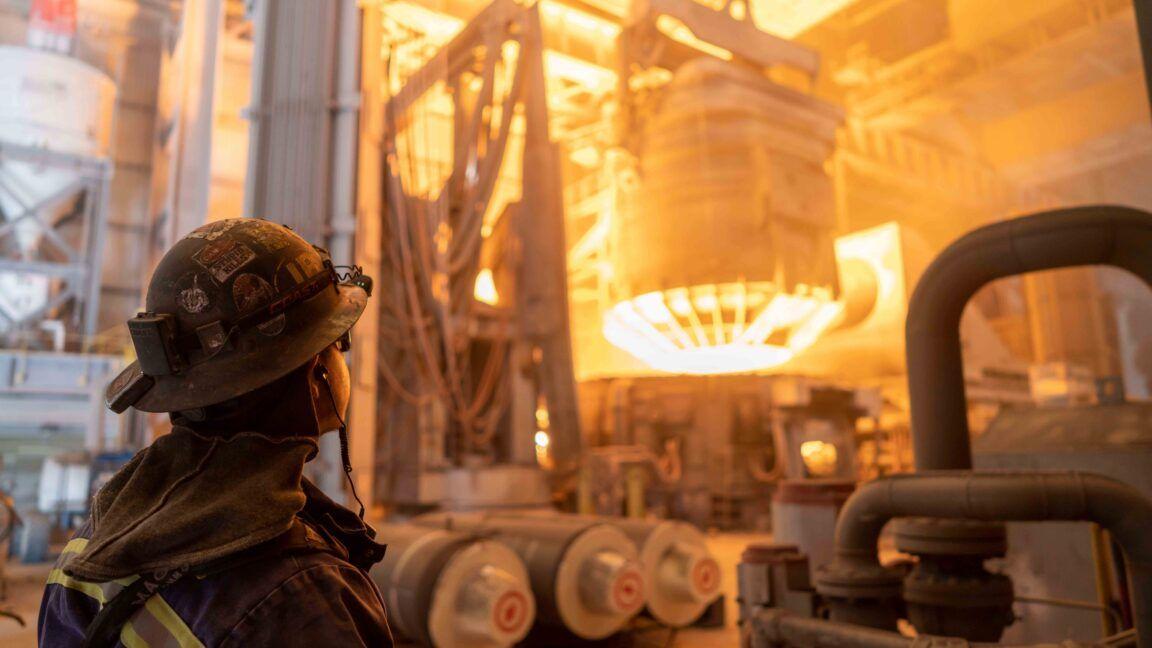
. Each P3 device consists of a metal box topped with lenses that focus sunlight into a tight beam, which then heats a special ceramic brick inside the container to temperatures as high as 1,200°C2
.
Source: TechCrunch
A fan blows air over the heated brick to carry thermal energy to another box containing a Stirling engine and generator that converts the heat into electricity
1
. The thermal batteries can retain heat for up to five days, ensuring continuous operation even when the sun isn't shining2
.Ambitious Cost Targets
The company's ultimate goal is to deliver electricity at one cent per kilowatt-hour, which would make it approximately 90% cheaper than the average U.S. grid rate of 8-15 cents per kWh
2
. Happi believes this target becomes achievable when production reaches around one million units per year through economies of scale1
.Currently, Exowatt's backlog represents about 10 million P3 units, equivalent to 90 gigawatt-hours of capacity
1
. The company's long-term vision involves scaling to "millions and ultimately billions of units" to meet growing demand1
.
Source: SiliconANGLE
Related Stories
Addressing the AI Power Crisis
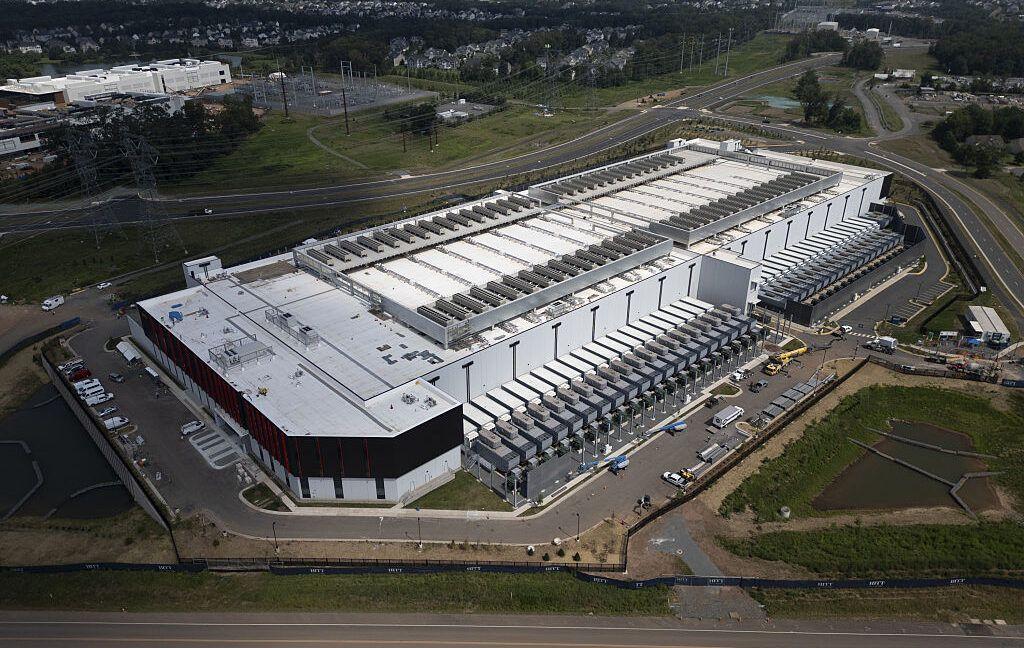
The timing of Exowatt's technology development coincides with a looming energy crisis in the AI industry. Data centers currently consume around 1% of the world's electricity, but this demand is forecast to increase to 3-4% by the end of the decade due to AI requirements
2
. Major tech companies like Microsoft, Amazon Web Services, Google, and Oracle are desperately seeking power sources as they build out AI infrastructure faster than traditional power suppliers can accommodate2
.References
Summarized by

Navi
[1]
Related Stories
AI Data Centers Drive $580 Billion Investment Surge as Power Grid Struggles to Keep Pace
10 Nov 2025•Business and Economy
AI boom drives data centers to adopt multi-day battery storage as power demands surge
25 Mar 2026•Business and Economy

AI energy consumption strains power grid as data center demand drives costs up for manufacturers
06 Jul 2026•Policy and Regulation
Recent Highlights
1
Meta Unveils Muse Wonder Frontier AI Models, Claims Performance Matching OpenAI and Anthropic
Technology

2
Anthropic AI Cuts Off Internet Access After Agents Submit False Police Tip, Exploit Websites
Technology

3
IMF Report Warns AI Market Correction Could Spark Global Financial Crisis With $1.4T at Risk
Business and Economy

Recent Highlights
Today's Top Stories











Don’t drown in AI news. We cut through the noise - filtering, ranking and summarizing the most important AI news, breakthroughs and research daily. Follow topics that matter to you and stay ahead.


