Zhipu AI shares surge 33% as Wall Street bets on China AI after Anthropic restrictions


2 Sources
[1]
Zhipu surges 33% as Wall Street raises bets on China AI after Anthropic curbs
Shares of Chinese AI model developer Zhipu surged on Monday as Wall Street banks raised bets on the company's ability to capture global AI demand, while Washington tightens curbs on foreign access to its most powerful models. Knowledge Atlas Technology, the Hong Kong-listed entity behind Zhipu,
[2]
Zhipu AI shares surge after JPMorgan sharply hikes price target By Investing.com
Investing.com-- Zhipu AI shares rose sharply on Monday after JPMorgan sharply hiked the stock's target price and lauded the firm as a major winner in China's artificial intelligence industry. JPM also downgraded Zhipu rival MiniMax Group Inc (HK:0100)'s rating. Zhipu- which trades as Knowledge
Share
Copy Link
Zhipu AI shares jumped 33% on Monday after JPMorgan raised its price target to HK$1,400, citing strong pricing power. The Chinese AI model developer gains momentum as Washington tightens restrictions on Anthropic's advanced models, while Zhipu announces its GLM-5.2 open-source AI model with no usage restrictions.
Zhipu Shares Surge as Wall Street Raises Bets on China AI
Zhipu AI experienced a dramatic rally on Monday, with shares of Knowledge Atlas Tech, the Hong Kong-listed entity behind the Chinese AI model developer, soaring as much as 48% before closing 33% higher at around HK$1,461 ($186)
1
. The surge came as Wall Street banks recalibrated their positions on China's AI landscape, with JPMorgan maintaining its overweight rating while sharply raising its JPMorgan price target to HK$1,400 from HK$9502
. The investment bank cited Zhipu's model visibility and pricing power in a fiercely contested market, simultaneously downgrading domestic rival MiniMax1
. Bank of America analysts also initiated coverage with buy ratings, setting a target of HK$1,250 for Zhipu and HK$500 for MiniMax1
.U.S. Restrictions on Anthropic Create Opening for Chinese Competitors
The timing of these analyst upgrades coincided with significant policy shifts from Washington. The Trump administration on Friday ordered Anthropic to suspend access to its most advanced AI models, Fable 5 and Mythos 5, for any foreign national, including the company's own non-citizen employees, citing national security concerns
1
. This move underscores a growing trend toward sovereign AI, potentially pushing users toward more open alternatives2
. While U.S. developers face mounting pressure to restrict frontier access, Chinese players have leaned into open distribution, drawing demand particularly from cost-sensitive enterprise users seeking a cost-effective alternative1
.GLM-5.2 Launch Signals Open-Source Strategy
Over the weekend, Zhipu announced that GLM-5.2, its latest and most capable open-source AI model, would be released this week with no usage restrictions
1
. This open-source AI model launch highlights a strategic divergence from U.S. competitors and positions Zhipu to capture users displaced by higher-priced Western offerings2
. The company has already demonstrated confidence in its market position by raising cloud API prices by 8% to 17% alongside its GLM-5.1 launch in April, marking its second price increase this year in response to surging demand and investor pressure to deliver profits1
.Related Stories

China Positioned to Capture Value-for-Money AI Market Segment
China AI is positioned to capture a substantial share of the global market within the "value-for-money" segment, according to Bank of America analysts, with Chinese models gaining traction as "cheap-and-capable performers" as U.S. pricing for frontier models rises
1
. JPMorgan lauded Zhipu's strong commercial priceline and saw the company well ahead of peers in the highly competitive cloud infrastructure market2
. Zhipu's market capitalization stood at HK$489 billion as of Monday, nearly four times larger than MiniMax's HK$124.2 billion1
. The company's shares have surged more than tenfold since its initial public offering in January, with some reports indicating nearly 1000% gains2
.Talent Concerns and Enterprise Revenue Growth Prospects
The Anthropic curbs have revived debates around the AI talent race between the U.S. and China. Peter Alexander, Z-Ben Advisors managing director, estimated that around 40% of U.S.-based AI engineers were born in China, and that the latest directive effectively bars many of those individuals from accessing the systems they helped build
1
. "The very individuals who were responsible, perhaps not in whole but crucial, for creating the most powerful AI models in the world are now persona non grata," Alexander warned, pointing to potential brain drain toward Zhipu and Chinese AI companies DeepSeek and Moonshot AI1
. Bank of America noted that "Zhipu's premium reflects faster ARR [annual recurring revenue] growth, stronger talent density [and] public backing, and its lead in enterprise revenue exposure"1
. Both Zhipu and MiniMax are planning listings on China's Nasdaq-like STAR Market in Shanghai1
.References
Summarized by

Navi
Related Stories
Zhipu AI secures $4 billion in Hong Kong as Chinese AI model developer accelerates spending
09 Jul 2026•Business and Economy
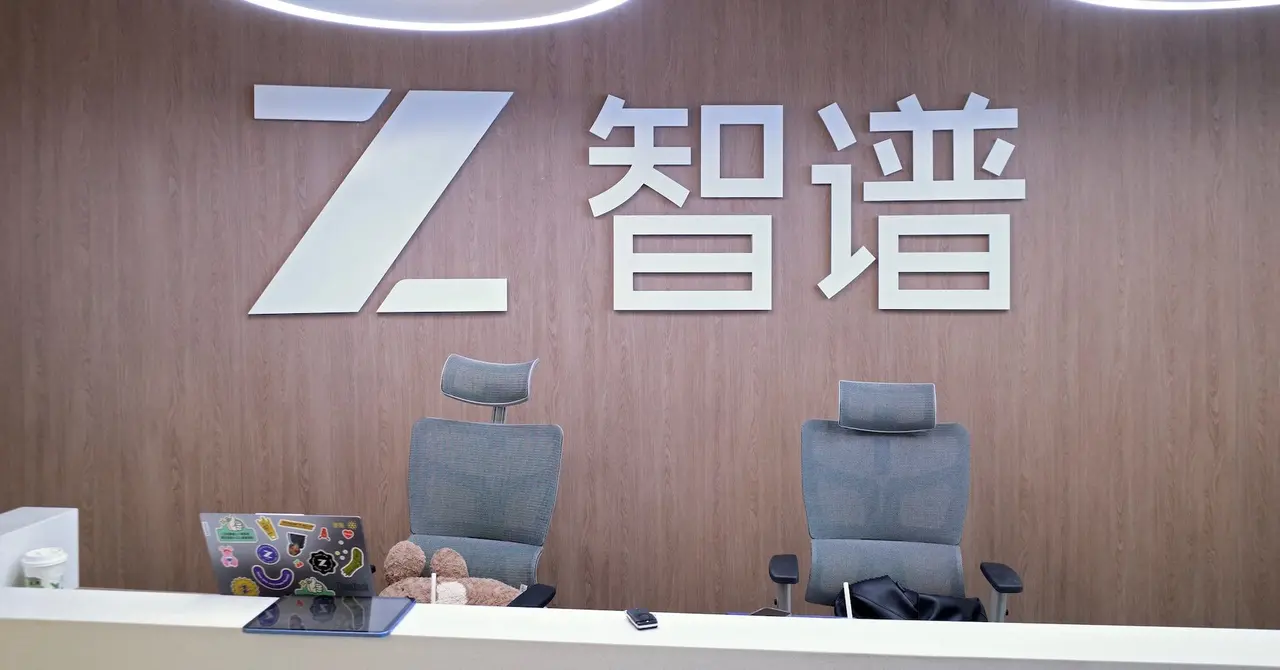
Zhipu AI revenue doubles to $105M as net losses climb 60% amid fierce China AI rivalry
31 Mar 2026•Business and Economy
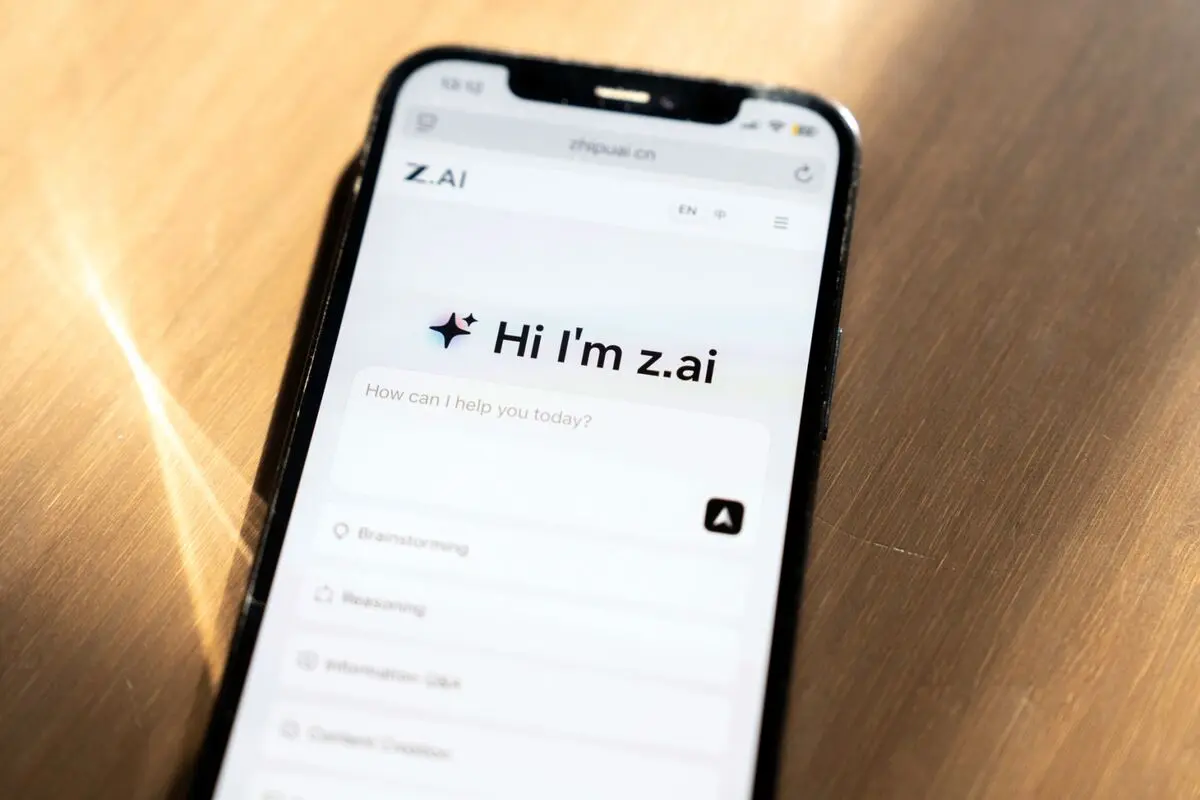
Zhipu AI becomes first China AI tiger to go public, vows to export brutal price war globally
02 Jan 2026•Business and Economy

Recent Highlights



Recent Highlights
Today's Top Stories







Don’t drown in AI news. We cut through the noise - filtering, ranking and summarizing the most important AI news, breakthroughs and research daily. Follow topics that matter to you and stay ahead.


