Share
Linkedin
Twitter
Facebook
Whatsapp
Copy Link
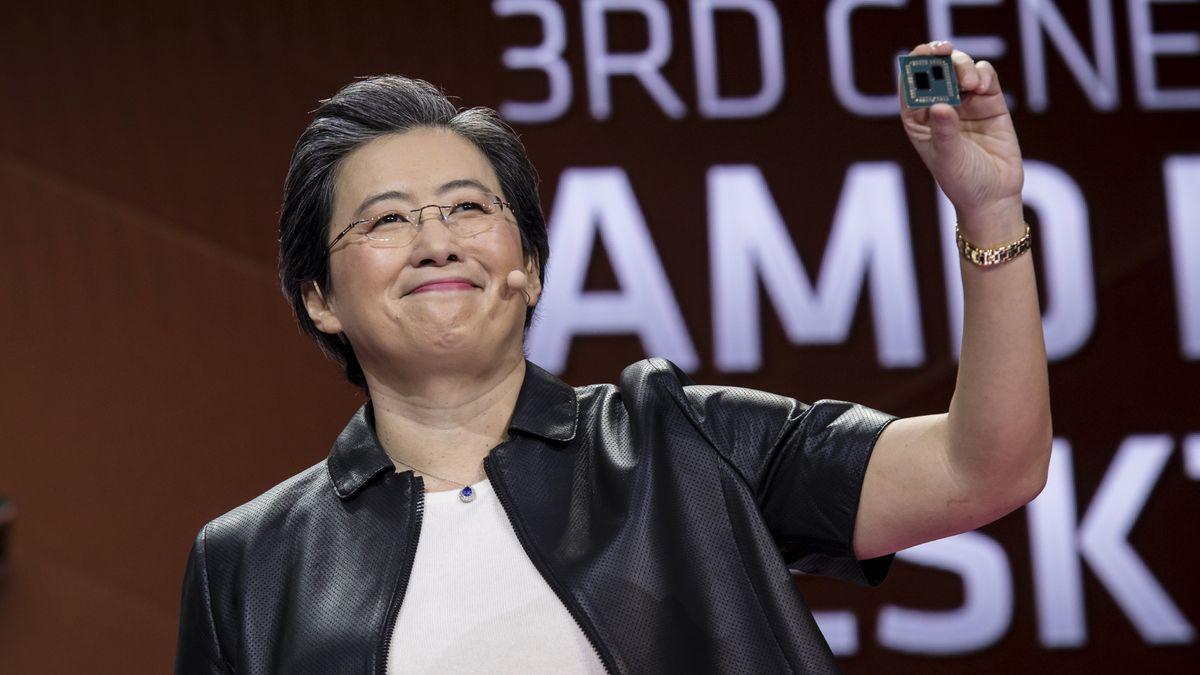
AMD announces its upcoming Instinct MI450 AI accelerators will use TSMC's 2nm process, potentially outpacing Nvidia's next-gen 3nm GPUs. This technological advancement, coupled with a major partnership with OpenAI, signals AMD's strong push into the AI hardware market.
Intel announces XeSS 3 with Multi-Frame Generation (MFG) technology, challenging Nvidia's dominance in AI-enhanced gaming performance. The new feature promises significant frame rate boosts and will be available on a wide range of Intel GPUs.
Intel unveils its next-generation Panther Lake processors, promising improved performance, efficiency, and gaming capabilities. The new chips, set to debut in laptops by early 2026, mark Intel's shift to 2nm technology and introduce several innovative features.
Nvidia's significant investment in Intel marks a turning point in the AI chip industry. This collaboration aims to transform data centers and accelerate AI computing capabilities, potentially altering the competitive landscape in the semiconductor sector.
NVIDIA CEO Jensen Huang expresses surprise at AMD's decision to offer OpenAI a 10% stake in exchange for a major GPU purchase commitment. The deal intensifies competition in the AI chip market, with both companies vying for dominance.
Cisco Systems launches a new networking chip and routing system designed to connect AI data centers over long distances, challenging Broadcom in the market for high-performance networking solutions.
Nvidia CEO Jensen Huang announces a substantial increase in AI computing demand over the past six months, driven by advancements in AI models. The surge is fueling massive infrastructure investments and partnerships in the AI industry.
Leading financial institutions, including the Bank of England and IMF, warn of an inflating AI bubble reminiscent of the 2000 dotcom peak. The surge in AI investments and stock valuations raises concerns about a potential market correction.
Elon Musk's AI startup xAI is raising $20 billion through a unique financing structure involving Nvidia and other investors. The deal includes both equity and debt, with a special focus on acquiring Nvidia GPUs for xAI's ambitious AI projects.
Camera Intelligence introduces Caira, an AI-native Micro Four Thirds camera that integrates Google's Nano Banana AI for real-time generative image editing. This innovative device attaches to iPhones via MagSafe, promising to transform content creation for photographers and creators.
The World Trade Organization (WTO) reports a significant increase in global trade, largely driven by AI-related goods. Despite this growth, the organization forecasts a slowdown in 2026 due to economic cooling and new tariffs.
Qualcomm's acquisition of Arduino aims to expand its presence in edge computing and AI development. The deal promises to maintain Arduino's independence while offering new tools and resources to its community.
Dell Technologies significantly raises its long-term revenue and profit growth projections, citing strong demand for AI servers. The company expects to capitalize on the booming AI infrastructure market, with plans to reach a $20 billion run-rate in AI server shipments by 2026.
Taiwan Semiconductor Manufacturing Co (TSMC) reports a 30% year-on-year increase in Q3 revenue, beating market forecasts. The surge is attributed to growing demand for AI chips, benefiting TSMC and its key clients like Nvidia and AMD.
As AI rapidly advances, concerns grow over the concentration of power in the hands of a few tech giants. Critics argue for urgent action to break up 'Big AI' to protect innovation, competition, and democratic values.
Don’t drown in AI news. We cut through the noise - filtering, ranking and summarizing the most important AI news, breakthroughs and research daily. Follow topics that matter to you and stay ahead.