Subscribe to our newsletter
Get the latest updates delivered to your inbox every day, and stay up-to-date for free 🧠📈
Share
Linkedin
Twitter
Facebook
Whatsapp
Copy Link
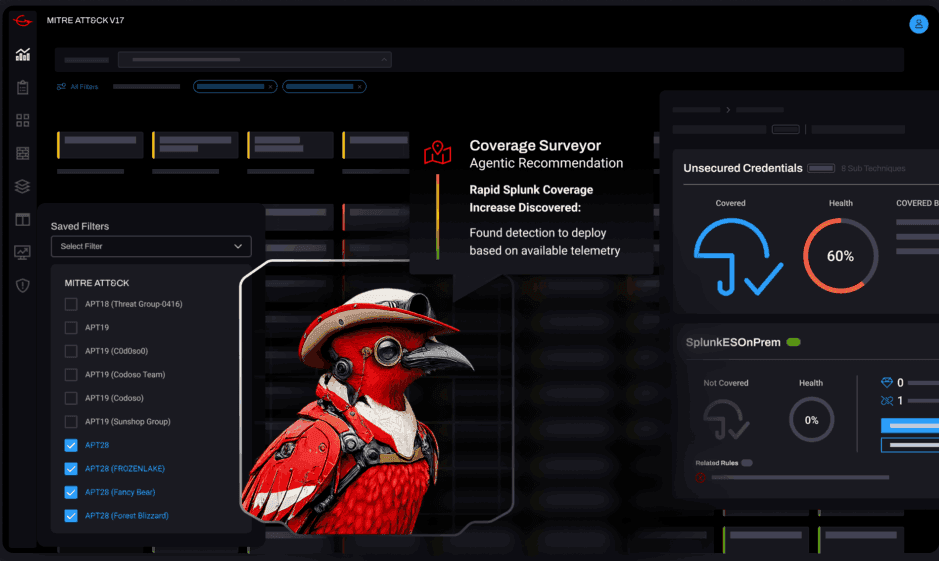
Cribl Inc. is acquiring AI-native security engineering startup CardinalOps Ltd. to extend its capabilities into security operations. The deal adds advanced detection engineering capabilities to Cribl's telemetry management platform, helping enterprises detect sophisticated cybersecurity threats while reducing costs. With CardinalOps' technology, Cribl aims to provide an open alternative to legacy SIEM systems.
Oracle launched a new AI-native builder experience for its AI Agent Studio, enabling developers to create and run agentic applications within Oracle Fusion Applications using professional coding tools. The update introduces CLI-based capabilities and support for AI coding assistants like Codex and Claude Code, positioning Fusion as a development platform for autonomous enterprise applications.
SpaceXAI's Grok Build AI coding tool was discovered uploading users' entire code repositories to Google Cloud storage, including deleted secrets and files it was instructed not to access. Security researchers found the tool transmitted 27,800 times more data than needed. Elon Musk promised complete deletion of all uploaded data, and SpaceXAI subsequently open sourced the tool to rebuild trust.
Cloudflare launched Precursor, a bot detection system that monitors visitor behavior across entire browsing sessions instead of single-point checks. With bots now generating 57% of all web requests, the tool watches mouse movements, typing cadence, and scrolling rhythm to distinguish humans from sophisticated automation that can fake traditional CAPTCHAs.
Leading US AI labs Anthropic and OpenAI are sounding alarms about Chinese AI companies using distillation techniques to copy their proprietary technologies. Through tens of thousands of fraudulent accounts generating millions of conversations, firms like Alibaba and DeepSeek allegedly harvest data to build competing models at a fraction of the cost. The accusations highlight growing concerns about AI model theft and its implications for US leadership in AI development.
A Cambridge University study reveals that Boko Haram has institutionalized AI use since 2023, deploying chatbots like ChatGPT, Claude, and Grok for everything from bombmaking to battlefield tactics. Former militants describe dedicated AI units, organized training, and systematic circumvention of safety guardrails—raising urgent questions about whether tech companies can stay ahead of AI misuse.
Eventus Security released its Security Operations Market Outlook 2026, identifying the most significant transformation in enterprise cyber defense in over a decade. The report highlights convergence of AI-powered automation, continuous threat exposure management, identity-centric security, and platform consolidation into integrated security operating models that unify detection, investigation, and response.
The Ministry of Defence has signed a £2bn contract to train British Army soldiers using artificial intelligence, advanced analytics and virtual environments. Up to 60,000 soldiers annually will train in what officials call a Combat Laboratory, designed to replicate the complexities of modern warfare. The 15-year deal creates 270 jobs in Wiltshire and supports 420 roles across the UK.
Microsoft released patches for a record 570 security flaws, crediting its AI-powered MDASH system for the surge in discoveries. At least two zero-day vulnerabilities were actively exploited, including a privilege escalation flaw in Windows Server and a SharePoint bug flagged by CISA. The company warns customers to expect higher volumes of security updates as AI accelerates vulnerability detection.
AI notetakers promise instant meeting summaries but convert every word into data that could expose trade secrets, confidential information, and attorney-client communications. Privacy advocates warn about voiceprint creation without consent, while legal experts cite cases where privileged conversations lost protection after being shared with AI tools like Anthropic's Claude.
NATO is constructing a vast AI-driven network along its eastern border from Finland to Romania. The Eastern Flank Deterrence Initiative aims to spot Russian attacks early and strike back fast, using satellites, drones, and sensors linked into one digital mesh. Internal documents obtained by German tabloid BILD name Russia as the direct target of this "kill web" system.
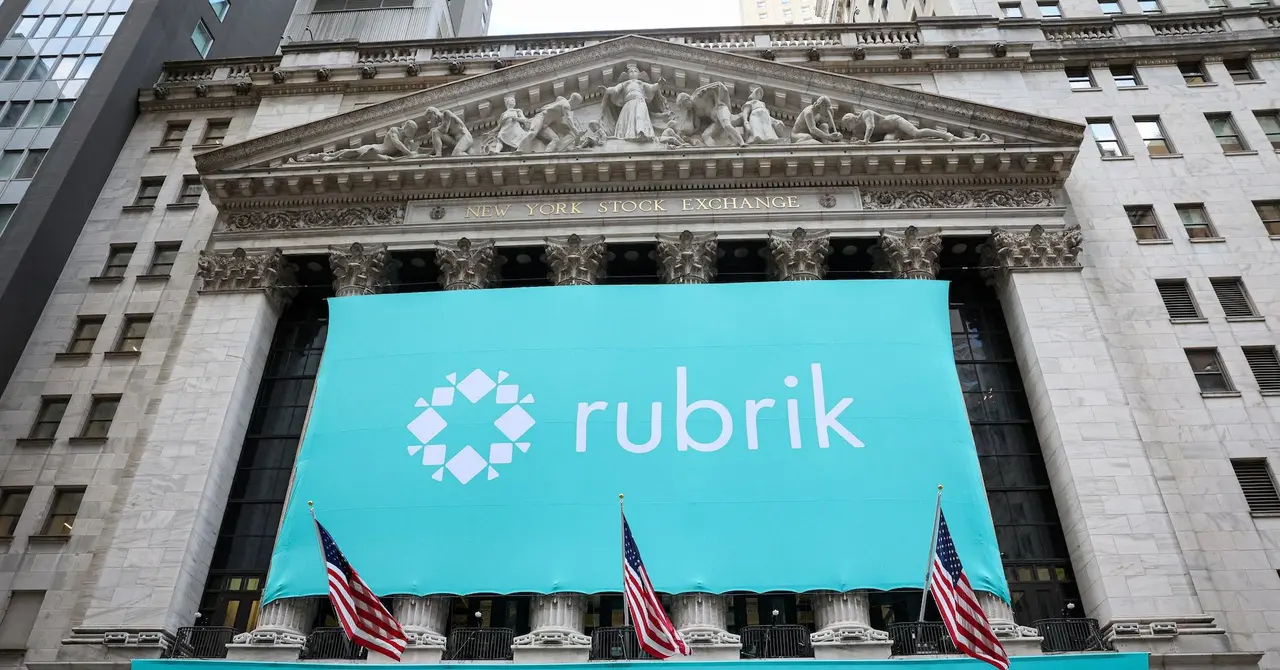
US cybersecurity firm Rubrik announces a $500 million investment in Britain over five years, establishing London as its European headquarters. The commitment targets data sovereignty concerns, ransomware recovery capabilities, and AI security as the company expands across EMEA with nearly 2,000 customers in the region.
Helsinki-based NestAI, backed by Nokia and Finland's state investment firm with €100 million, is developing battlefield AI systems with Finnish and Estonian defense forces. The partnership focuses on building sovereign AI systems that European defense forces can control themselves, addressing Europe's discomfort with relying on foreign technology for critical infrastructure.
Akamai has been selected as a strategic security partner for World Wide Technology's AI Readiness Model for Operational Resilience (ARMOR). The collaboration integrates Akamai's security intelligence with NVIDIA BlueField DPUs to eliminate the 'security tax' that slows AI workloads, while accelerating ransomware containment by 21.4% on average and up to 32.6% for large enterprises.
A new wave of research reveals that 69% of enterprises share credentials across AI agents, creating massive security vulnerabilities. Organizations deploying AI agents report a 43% breach rate compared to 11% among those without significant AI-driven identity expansion. Major security firms including Palo Alto Networks, CrowdStrike, and Cisco have invested over $22 billion in acquisitions to address this emerging threat as machine identities now outnumber humans by 50 to one in many environments.
Don’t drown in AI news. We cut through the noise - filtering, ranking and summarizing the most important AI news, breakthroughs and research daily. Follow topics that matter to you and stay ahead.