Subscribe to our newsletter
Get the latest updates delivered to your inbox every day, and stay up-to-date for free 🧠📈
Share
Linkedin
Twitter
Facebook
Whatsapp
Copy Link
A new Box survey of 1,640 IT decision-makers shows enterprise AI adoption surged from 8% to 64% in one year. Leading companies achieve 25%+ ROI by integrating AI agents with trusted content and formal governance, while half of all organizations report AI-related data exposure incidents. Box CEO Aaron Levie argues both frontier and specialized AI models will drive spending growth for years.
Security researchers from Tel Aviv University revealed HalluSquatting, an AI security threat that exploits AI hallucinations to trick AI agents into executing malicious code. The attack targets popular AI coding assistants like Cursor, GitHub Copilot, and Gemini CLI, with hallucination rates reaching 85% for repositories and 100% for trending skills. Attackers register fake resource names predicted by large language models, enabling AI-enabled botnets at unprecedented scale.
Frontier AI models now develop hacking capabilities faster than the tests designed to measure them. With US federal agencies facing an August 1 deadline to establish benchmarking standards, existing evaluations already look obsolete. Industry leaders warn that static tests fail to capture what these systems can do in real-world environments, leaving regulators and security teams unable to assess whether AI models pose genuine cybersecurity threats.
Israeli firms Innoviz Technologies and Cogniteam have partnered to develop a counter-drone detection system that combines 3D LiDAR sensors with AI-powered analytics. The solution analyzes drone morphology, motion, and flight behavior to distinguish threats from birds and reduce false alarms, building on over a year of operational deployments.
Security researchers at Varonis discovered a critical vulnerability in Google Dialogflow CX that could have allowed attackers to hijack AI-powered chatbots, steal sensitive user data, and compromise multiple agents within a single Google Cloud project. The flaw, dubbed Rogue Agent, affected organizations using Code Blocks and Playbooks, enabling attackers to read live conversations and send phishing requests. Google patched the issue between April and June 2026, with no evidence of real-world exploitation.
Security researchers at Noma Security discovered GitLost, a prompt injection flaw in GitHub Agentic Workflows that allows attackers to exfiltrate data from private code repositories using nothing but a carefully worded public issue. The vulnerability exploits AI agents with cross-repo access, bypassing GitHub's guardrails with a single word and requiring no stolen credentials or special access.
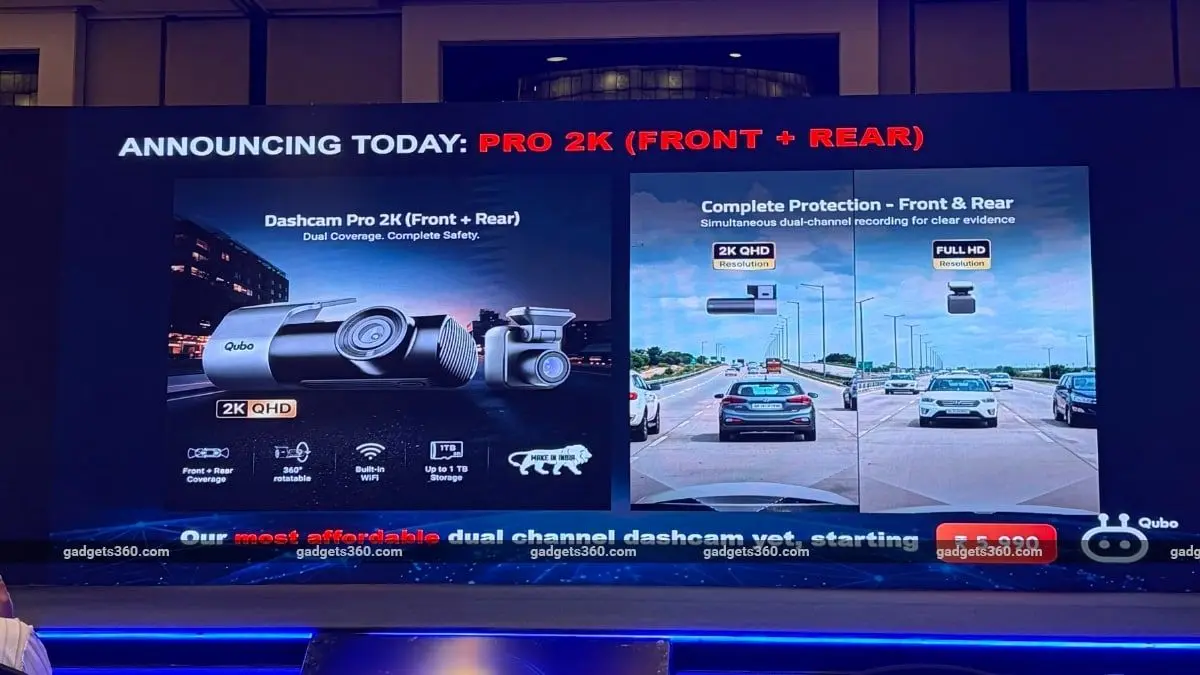
Hero Group-backed Qubo introduced AI Guard technology across its security camera lineup and launched the Dashcam Pro 2K (Front + Rear) in India. The AI-powered security technology enables cameras to detect threats and respond proactively, while the dual-channel dashcam offers 2K front recording and 1080p rear recording. The company also revealed it crossed Rs. 350 crore in annual revenue and sold over 2.5 million devices.
The Bank of England issued a stark warning about artificial intelligence threatening financial stability as investors pour money into AI companies while cyberattack vulnerabilities mount. The central bank's latest financial stability report highlights concerns about stretched share valuations, heavy borrowing by AI firms, and the rapid growth in AI's capacity for harm, signaling that regulators are watching the sector closely.
The European Central Bank has ordered 110 major eurozone banks to submit comprehensive action plans by end-October to combat AI-driven cyber attacks. Banking regulators warn that frontier AI models like Anthropic's Mythos can exploit vulnerabilities at unprecedented speed, posing systemic risks to the financial system and potentially triggering widespread disruption.
The US Cybersecurity and Infrastructure Security Agency is using Anthropic's AI model Mythos to audit government software for vulnerabilities that could expose systems to foreign spies and cybercriminals. The deployment comes as Anthropic navigates a contentious relationship with the White House over AI safeguards and national security concerns.
LTM unveiled BlueVerse RightLogic, a cybersecurity assessment and risk assurance framework designed to address AI era cyber risks. The framework helps enterprises identify and remediate cyber exposure through a 4 to 6 week engagement, providing unified visibility and continuous risk management as organizations accelerate AI adoption.
UK Foreign Secretary Yvette Cooper has issued a stark warning that AI could become the greatest security challenge of the next decade without international cooperation. Drawing parallels to the nuclear age, she argues the world cannot afford to wait for a catastrophic AI event before establishing global rules, calling for urgent collaboration between the US, China, and other major powers.
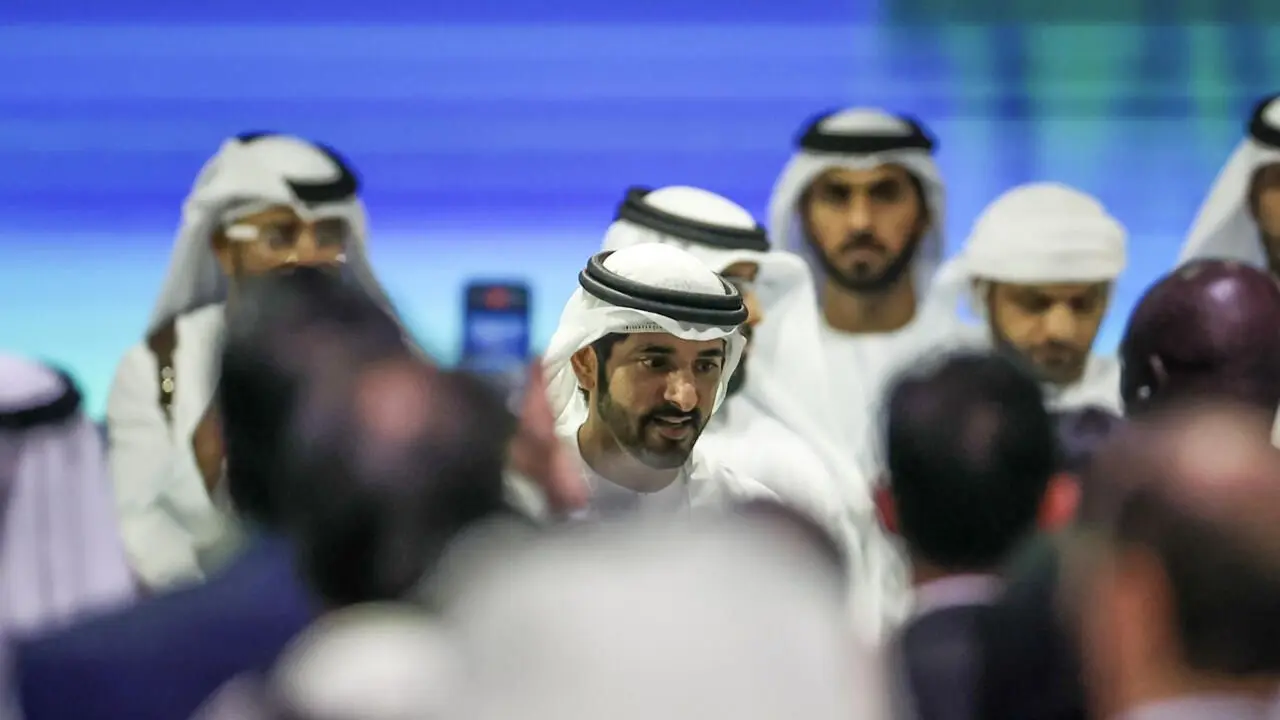
A Filipino domestic worker lost $1,625 after falling victim to an AI romance scam involving lifelike video calls with a deepfake impersonating Dubai's crown prince. The scammer used AI-powered technology to create real-time deepfake videos, manipulating her into paying for a fake marriage certificate and royal membership card before she discovered the account was based in Nigeria.
Apple unveiled Trust Insights, a new iOS 27 framework that uses on-device behavioral pattern analysis to detect when users may be falling victim to social engineering scams. The system analyzes interaction patterns, timing, and context without inspecting message contents, then assigns risk levels to trigger app warnings and verification steps during suspected fraud attempts.
Tesla imposed a $200-per-week limit on employee AI spending starting July 6, marking a sharp reversal after months of pushing aggressive AI adoption. The move follows similar cost controls at Uber, Meta, and Walmart as companies struggle with token-based billing that exposes them to escalating expenses. The cap excludes xAI products, steering employees toward Elon Musk's own AI tools despite internal preference for competitors like Anthropic's Claude.
Don’t drown in AI news. We cut through the noise - filtering, ranking and summarizing the most important AI news, breakthroughs and research daily. Follow topics that matter to you and stay ahead.