Subscribe to our newsletter
Get the latest updates delivered to your inbox every day, and stay up-to-date for free 🧠📈
Share
Linkedin
Twitter
Facebook
Whatsapp
Copy Link
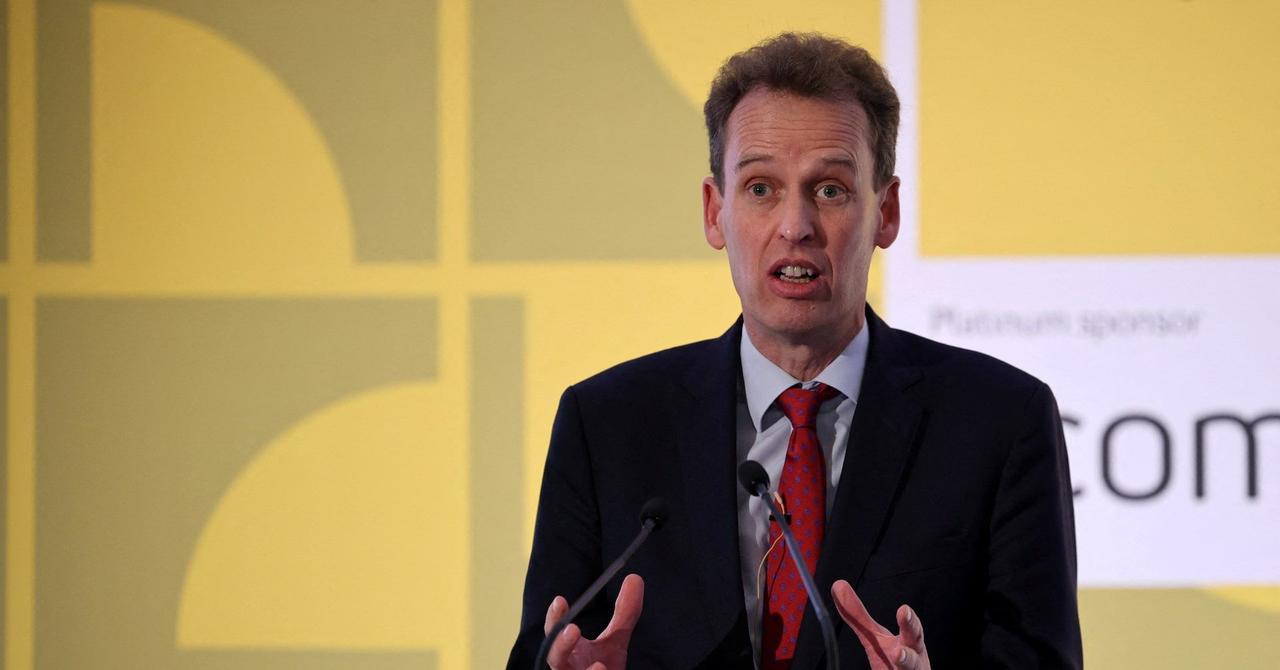
Norway's $2.1 trillion sovereign wealth fund will eventually allow AI systems to make some investment decisions under human supervision, though not yet due to accuracy concerns. Currently, half of the fund's 700 employees use Anthropic's Claude to code AI tools for monitoring 7,000 companies, simulating negotiations, and reducing transaction costs. CEO Nicolai Tangen reports billions in benefits from millions invested in AI.
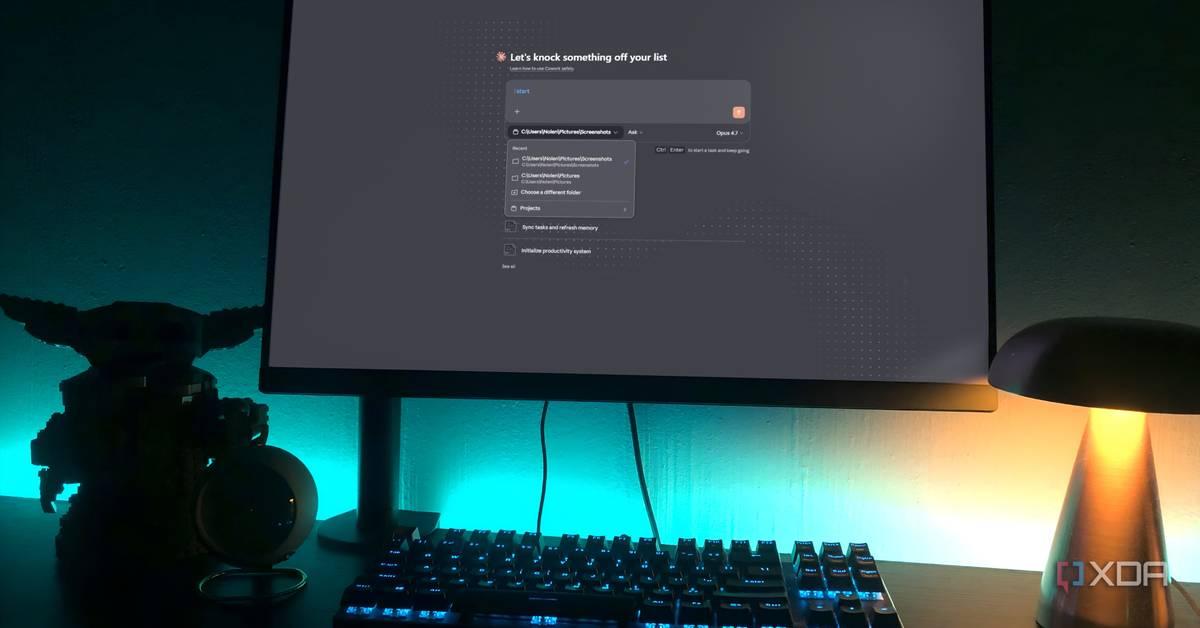
Anthropic has enabled Claude Code and Claude Cowork to take direct AI computer control of MacOS desktops, allowing the tools to point, click, and navigate screens to complete tasks. Available as a research preview for Claude Pro and Max subscribers, the feature lets AI agents to complete tasks by opening files, using browsers, and running dev tools—though Anthropic warns it's error-prone and raises security concerns.
OpenAI is preparing to nearly double its headcount to 8,000 employees by the end of 2026, up from 4,500 currently. The expansion focuses on enterprise customers as the company faces mounting pressure from Anthropic, which now captures three times more first-time business buyers. The move signals a strategic pivot after CEO Sam Altman declared a 'code red' to refocus the company.
As the war in Iran disrupts global energy supplies and sends oil prices soaring past $119 a barrel, traders are increasingly relying on artificial intelligence to make sense of unprecedented market volatility. Investment professionals report AI tools like Claude and ChatGPT are cutting research time by up to 80%, enabling rapid stress-testing of scenarios and historical analysis that would previously take days.
Deputy Secretary of Defense Steve Feinberg signed a memo designating Palantir's Maven Smart System as an official program of record, securing stable funding and embedding the AI-powered weapons-targeting platform across all U.S. military branches. The decision grows Maven's investment from $480 million in 2024 to a potential $13 billion, while raising questions about Anthropic's Claude AI integration amid Pentagon supply chain concerns.
Elon Musk's xAI is deploying engineers directly to prospective corporate clients to win business from OpenAI and Anthropic. The strategy secured Shift4 Payments, which plans to phase out ChatGPT for xAI's Grok in a multimillion-dollar contract. This white-glove approach reflects broader shifts in the AI industry as companies compete for enterprise customers.
Patreon CEO Jack Conte has publicly challenged AI companies' fair use arguments, calling them bogus as firms like OpenAI strike multimillion-dollar licensing deals with Disney and Warner Music while using content from millions of smaller creators without payment. Speaking at SXSW, Conte demanded AI companies compensate content creators whose work trains models worth hundreds of billions.
An Anthropic study spanning 80,000 users across 159 countries found that AI hallucinations are the top concern, surpassing fears of job displacement. The research reveals a complex relationship where users value AI for productivity but worry about cognitive decline and loss of critical thinking abilities.
OpenAI is acquiring Astral, the company behind popular Python development tools like uv and Ruff, to integrate with its Codex platform. The deal brings tools with over 300 million combined monthly downloads into OpenAI's ecosystem as competition intensifies with Anthropic's Claude Code in the AI-powered coding assistant market.
Companies including Meta and Shopify are evaluating employees based on how many AI tokens they consume, with internal leaderboards tracking usage. Nvidia CEO Jensen Huang predicts token budgets could reach half an engineer's salary. But critics warn that measuring AI adoption through token consumption conflates volume with actual business outcomes.
A federal judge expressed skepticism about the Pentagon's decision to label Anthropic a supply-chain risk, suggesting the Trump administration may be illegally punishing the AI company for refusing to allow unrestricted military use of its Claude technology. Judge Rita Lin said the ban appears to violate free speech protections and doesn't seem tailored to national security concerns.
Major music publishers including Universal Music Group, BMG, Concord and ABKCO are pressing forward with legal battles against AI companies over copyright infringement. The publishers argue that Anthropic illegally used copyrighted lyrics from artists like the Rolling Stones, Bruno Mars, and Beyoncé to train its Claude chatbot without authorization, rejecting the company's potential fair use defense.
Kaspersky has uncovered a malicious campaign targeting software developers through fake Claude Code and OpenClaw installation pages. Attackers use sponsored Google ads to distribute Amatera and AMOS infostealers that harvest credentials, source code, and cryptocurrency wallet data. The attack exploits developers' trust in AI coding assistants.
Senator Elissa Slotkin introduced the AI Guardrails Act to regulate military AI use, requiring human authorization for autonomous weapons and banning AI-enabled mass surveillance. The five-page bill aims to codify existing Pentagon guidelines into law following the costly split with Anthropic that will require millions in taxpayer dollars to unwind.
The Action Network launched a tool that calculates the likelihood of AI replacing job roles across 756 occupations. Computer programmers face 45% odds while desk-based digital work proves most vulnerable. Physical jobs like veterinarians and bartenders show minimal risk, highlighting the uneven job market impact as tech leaders remain divided on AI's workforce implications.
Don’t drown in AI news. We cut through the noise - filtering, ranking and summarizing the most important AI news, breakthroughs and research daily. Follow topics that matter to you and stay ahead.