Share
Linkedin
Twitter
Facebook
Whatsapp
Copy Link
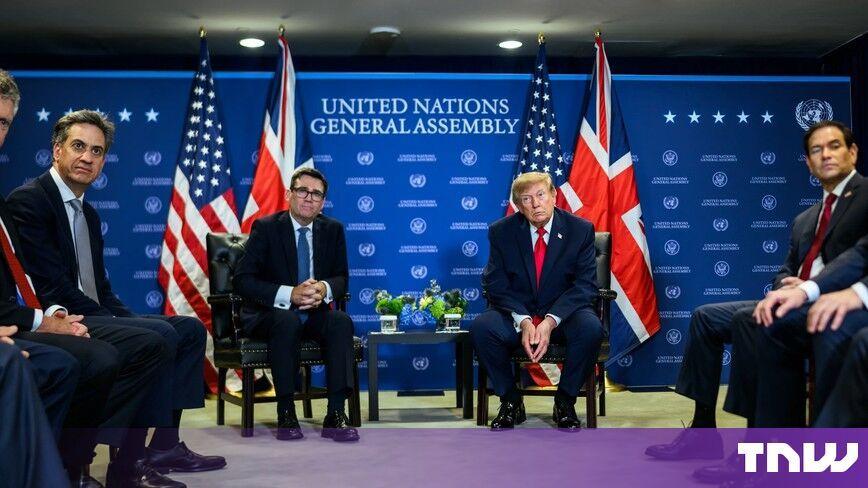
European Commission President Ursula von der Leyen urged a strengthened AI partnership between Europe and the United States at a G7 session in France. The call comes after Anthropic restricted AI models over national security concerns, highlighting growing tensions around technological sovereignty and Europe's dependence on US tech firms.
Anthropic has overhauled Claude Design with design system imports that enforce brand guidelines and bidirectional integration with Claude Code. The update transforms the AI-powered design tool from a prototype generator into an enterprise-ready platform that maintains brand consistency while eliminating the traditional design-to-engineering handoff problem.
Amazon's AI chief Peter DeSantis openly acknowledged that the company's models haven't reached frontier level compared to OpenAI and Anthropic. Despite investing $33 billion in Anthropic, Amazon is building its own rival models through Nova2 and plans to compete with leading AI labs within the coming year using custom silicon and proprietary data.
The era of unlimited AI use is over. Companies like Meta, Uber, and Walmart are capping employee AI spending after bills skyrocketed under token-based pricing models. What began as $200 monthly subscriptions now costs some companies $7,500 per employee, with individual developers burning up to $20,000 in token charges. Gartner predicts AI coding agents cost will exceed average developer salaries by 2028, forcing a dramatic shift from tokenmaxxing to tokenminimizing.
A new tech worker-backed PAC called Guardrails Alliance has emerged to counter Big Tech's political spending on AI regulation. The group raised $5 million to support candidates like Alex Bores, who became the focal point of a $27 million spending war between OpenAI-linked and Anthropic-backed super PACs in New York's 12th Congressional District primary.
The G7 summit concluded with leaders addressing artificial intelligence security risks and social media regulation. OpenAI's Sam Altman, Anthropic's Dario Amodei, and Mistral AI's Arthur Mensch joined discussions on cybersecurity and protecting children online. The meeting highlighted tensions over US dominance of the AI industry as European nations push for stricter controls.
The Trump administration has postponed adding Chinese AI startup DeepSeek and more than 100 other firms to the Commerce Department's Entity List despite approval from an interagency committee. The decision aims to prevent further escalation of US-China tensions, even as concerns mount over DeepSeek's alleged support for China's military and intelligence operations and illicit extraction of capabilities from American AI models.
Wipro has opened a Center of Excellence for applied AI focused on Anthropic's Claude models at its Bengaluru innovation hub. The IT services giant plans to train 10,000 employees over the next 18 months as it shifts toward AI-powered delivery amid mounting pressure from AI-led automation on traditional IT services revenue.
When the US government blocked foreign access to Anthropic's advanced AI models, it exposed Europe's dangerous dependency on American technology. Now France, Germany, and the UK are racing to build technological sovereignty before it's too late. Cohere CEO Aidan Gomez warns that renting AI from foreign providers creates structural risks that could leave democracies vulnerable.
The US government forced Anthropic to suspend its Fable and Mythos models, triggering a market surge for open-source AI alternatives. Chinese AI models from DeepSeek, Zhipu, and MiniMax jumped as companies reconsidered vendor lock-in risks. The incident highlights growing tensions in geopolitical AI competition and raises questions about control, cost, and the future of AI access.
Microsoft has made Copilot Cowork generally available worldwide after a three-month preview. The AI agent automates complex workplace tasks across the Microsoft 365 ecosystem, with over half of Fortune 500 companies already using it. The service introduces consumption-based pricing at $0.01 per Copilot Credit and supports multiple AI models including Anthropic's Opus 4.8 and Sonnet 4.6.
Anthropic disabled its most powerful AI model Fable 5 on June 12 following a U.S. government order triggered by Amazon security findings. The model, which helped Stripe complete two months of coding work in one day, was pulled globally after researchers found vulnerabilities. Prediction market traders now give 74% odds that Fable 5 access returns by July 10.
Celebrity real estate CEO Ryan Serhant nearly lost a $50 million NYC penthouse sale when both buyer and seller consulted ChatGPT for pricing advice. The AI tool told each party the deal wasn't worth it, lacking the off-market context and nuanced understanding that human agents provide. Serhant salvaged the transaction by demonstrating AI's limitations in predicting future value and understanding unique property features.
A US government order forced Anthropic to disable its Fable 5 and Mythos 5 models for all users worldwide, prompting Canadian Prime Minister Mark Carney to warn against overreliance on centralized AI providers. The shutdown triggered a rally in decentralized AI tokens, with Bittensor's TAO climbing 30% in 12 hours and the sector's market cap reaching $24.3 billion. Experts argue the incident exposes systemic risks in AI infrastructure.
AI company Anthropic is facing a proposed class-action lawsuit alleging it misled subscribers about usage limits on its premium Claude Max plans. Plaintiff Karl Kahn claims the $100 Max 5x and $200 Max 20x tiers deliver significantly less usage than advertised, with opaque rate limits making it nearly impossible for customers to verify what they're actually getting. The case highlights growing tensions over AI subscription costs and transparency.
Don’t drown in AI news. We cut through the noise - filtering, ranking and summarizing the most important AI news, breakthroughs and research daily. Follow topics that matter to you and stay ahead.