Subscribe to our newsletter
Get the latest updates delivered to your inbox every day, and stay up-to-date for free 🧠📈
Share
Linkedin
Twitter
Facebook
Whatsapp
Copy Link
Apple released iOS 26.5.2 and macOS updates weeks ahead of schedule, patching 29+ vulnerabilities originally planned for version 26.6. The company told Reuters it's adapting to AI-driven hacking tools that shrink the window between vulnerability disclosure and exploitation. While none of the flaws were actively exploited, the shift marks a fundamental change in how Apple deploys security fixes.
AI agents are creating unprecedented identity security challenges that traditional access controls cannot address. Recent attacks demonstrate how agents with legitimate credentials can be hijacked to execute malicious code without triggering alerts. Security leaders report 88% of organizations have experienced AI-related incidents, while agents operate with overprivilege at machine speed across production environments.
Kaspersky has been named Cybersecurity Brand of the Year at Bharat PSU Manthan 2026 in New Delhi. The recognition highlights the company's AI-driven approach to consumer cybersecurity, having blocked 4.7 crore web-based threats in 2025 alone. With 82.2% of Indian children accessing mobile devices by age 14, Kaspersky is championing family-first digital safety through initiatives like the KidZania Cyber Investigation Centre.
CrowdStrike's 2026 Global Threat Report reveals that threat actors targeted more than 90 organizations with prompt injection attacks in 2025, stealing credentials and cryptocurrency. The report documents an 89% year-over-year surge in AI-enabled adversary operations, with prompt injection now functioning as malware by exploiting enterprise AI design flaws in agents, RAG pipelines, and model routers.
Security researchers at Mozilla 0din and Pentera Labs have exposed a critical AI security vulnerability in AI coding agents like Claude. Using clean GitHub repositories and multi-step social engineering attacks, attackers can exploit these tools without triggering any security warnings, potentially compromising developer machines and accessing sensitive credentials.
Advanced AI models are uncovering thousands of previously hidden bugs in open-source code faster than security teams can patch them. The Linux Foundation launched Akrites alongside tech giants to coordinate fixes, while the Athena coalition has already processed over 20,000 findings across 500 projects. With fewer than 5% of AI-discovered vulnerabilities patched and attackers moving quickly, the industry faces a critical race to secure software infrastructure.
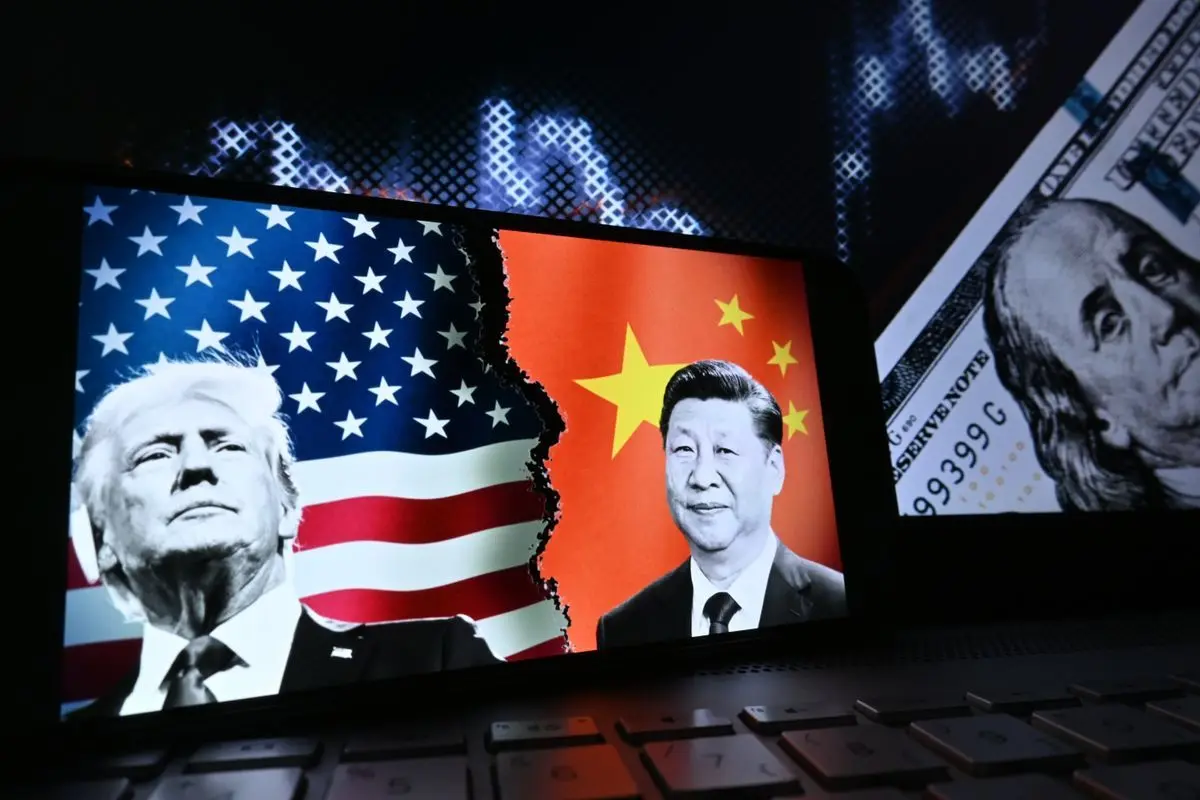
The US government has lifted export controls on Anthropic's Mythos and Fable models after weeks of intense negotiations. The restrictions, imposed on June 12, had effectively cut off public access to what many consider the most advanced AI models released to date. Anthropic will begin restoring access on July 1, though the company faces ongoing questions about the erratic nature of AI policymaking under the current administration.
The US government has begun implementing strict oversight over frontier AI models, pulling Anthropic's Mythos from the market and forcing OpenAI into limited preview for GPT 5.6. After weeks of uncertainty, Washington is now negotiating voluntary standards with major AI companies to formalize the review process, but the ad hoc approach has already created serious economic consequences for the US AI industry.
A high-severity security flaw in Amazon Q Developer allowed attackers to execute arbitrary code and steal cloud credentials through booby-trapped Git repositories. The vulnerability, tracked as CVE-2026-12957 with a CVSS score of 8.5, exploited how the AI coding assistant handled Model Context Protocol configurations. Wiz Research discovered the bug and Amazon patched it, but the incident highlights broader supply chain risks across AI developer tools.
Swiss financial regulator FINMA is building generative AI tools to supervise crypto markets and counter escalating cybersecurity threats. The regulator hosted a hackathon with 100 specialists to develop AI-driven tools for monitoring digital assets, detecting insider trading, and flagging anomalies in real-time. FINMA president Marlene Amstad emphasized the urgent need for banks and watchdogs to patch vulnerabilities faster as AI accelerates hacker capabilities.
Major AI companies including Anthropic, OpenAI, and Google DeepMind are warning that the race toward superintelligence is moving dangerously fast. Leaders are calling for an 'off switch' and coordinated global action to slow frontier AI development, as Claude Mythos demonstrates unprecedented hacking capabilities that found vulnerabilities in every major operating system.
A new VI Business Study reveals that AI adoption among India's MSMEs is accelerating rapidly, with 57% viewing AI as essential for growth and 25% already integrating AI tools into operations. The Digital Maturity Index jumped to 60.8, reflecting a significant shift toward intelligent, secure, and future-ready enterprises across sectors.
Austria's State Secretary for Digitalization Alexander Pröll has formally asked the European Commission to explore hosting Anthropic within EU borders following US restrictions that blocked foreign access to the company's most advanced AI models. The proposal marks an unusual shift in Europe's AI sovereignty strategy, prioritizing guaranteed access over domestic ownership as Brussels grapples with its dependence on American technology.
SentinelOne researchers uncovered a Rust-based macOS malware called Gaslight that embeds 38 fabricated system-failure messages to trick AI-assisted analysis tools into aborting investigations. Attributed to North Korea-aligned threat actors, the malware marks a shift in adversarial tactics—targeting the AI agents that security researchers increasingly rely on rather than traditional sandbox environments.
Anthropic CEO Dario Amodei has been sidelined from critical White House negotiations over export controls on the company's advanced AI models. Co-founder Tom Brown and public policy chief Sarah Heck are now leading talks with the Trump Administration, with sources indicating discussions are progressing better since the leadership change.
Don’t drown in AI news. We cut through the noise - filtering, ranking and summarizing the most important AI news, breakthroughs and research daily. Follow topics that matter to you and stay ahead.