Share
Linkedin
Twitter
Facebook
Whatsapp
Copy Link
The Trump administration has directed US diplomats to actively oppose foreign data sovereignty laws, arguing they threaten AI advancement and global data flows. A State Department cable signed by Marco Rubio calls the European Union's GDPR and similar regulations unnecessarily burdensome, marking a confrontational shift in international data policy.
The European Central Bank is probing European banks' exposure to the artificial intelligence industry, requesting details on lending to data centers and conducting workshops on generative AI use. The Frankfurt-based regulator is examining both risks from hidden credit exposures and banks' dependence on technology companies as the financial sector faces potential AI-driven transformation.
The artificial intelligence revolution is transforming cinema, with 90% of film professionals already using AI tools according to a 2025 survey. While the Berlin Film Festival maintained a cautious stance, filmmakers and industry leaders voiced concerns about job displacement in film industry roles, from voice actors to technicians. The OpenAI and Disney agreement highlights AI's transformative potential, raising urgent questions about intellectual property and authorship.
France, Poland, Germany, the United Kingdom, and Italy have signed an agreement to develop low-cost air defense systems and autonomous drones leveraging Ukraine's battlefield experience. The LEAP program aims to counter inexpensive drone threats with cost-effective solutions, addressing a critical gap where multimillion-dollar jets currently respond to drones costing mere thousands.
The European Parliament has disabled built-in AI features on lawmakers' work devices, citing unresolved cybersecurity and privacy concerns. The IT department cannot guarantee data security when AI tools send sensitive information to cloud servers. The move reflects growing unease about how AI systems handle confidential data and highlights tensions between AI integration and data protection in government institutions.
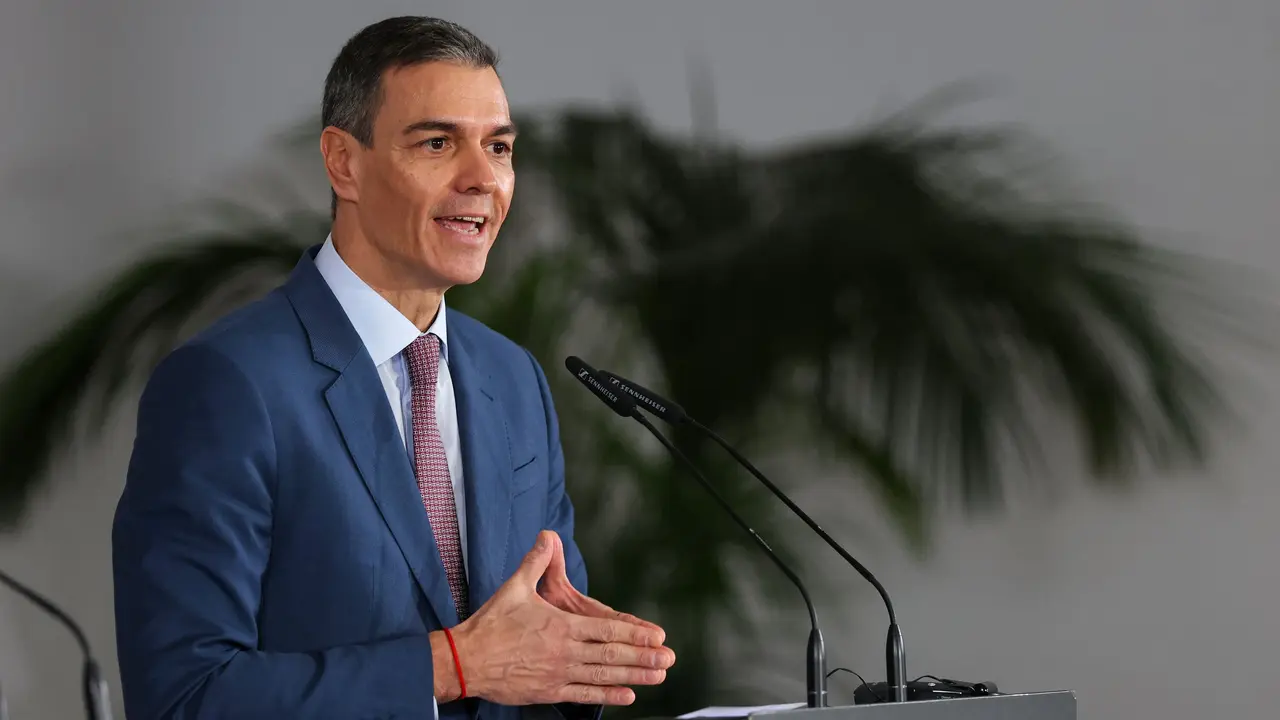
Spain's Prime Minister Pedro Sánchez has ordered prosecutors to investigate social media giants X, Meta, and TikTok for allegedly spreading AI-generated child sexual abuse material. The move escalates Europe's regulatory battle with American tech companies, with Spain joining France, Denmark, and Australia in proposing to ban social media for children under 16.
Ireland's Data Protection Commission has launched a large-scale EU privacy investigation into X Grok AI over non-consensual deepfake images. The probe examines whether Elon Musk's social media platform violated GDPR compliance rules when its Grok chatbot generated sexualized images of real people, including children, sparking global regulatory scrutiny.
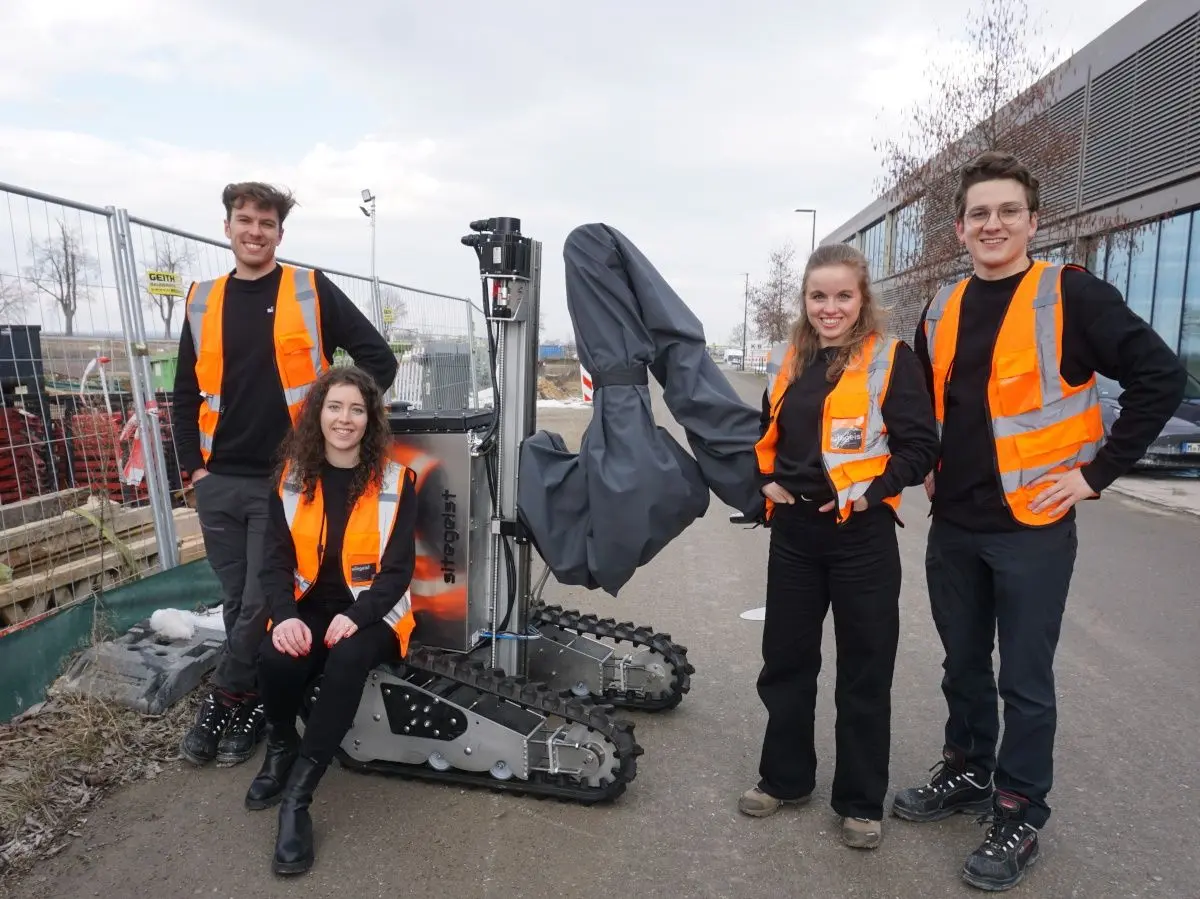
Munich-based Sitegeist has secured €4m in pre-seed funding to deploy AI-enabled robots that automate concrete renovation. The German start-up's modular robots can remove deteriorated concrete up to ten times faster than manual labor, addressing Europe's infrastructure backlog and labor shortages across bridges, tunnels and public buildings.
Amsterdam-based Nebius is constructing a massive 240-megawatt data centre near Lille, France, transforming a former Bridgestone tyre plant into one of Europe's largest AI infrastructure facilities. The project will begin delivering capacity by late summer 2025, with half the site operational by end of 2026, as European companies increasingly adopt AI tools.
French AI startup Mistral is investing 1.2 billion euros ($1.4 billion) in new data centers in Sweden, marking its first infrastructure investment outside France. The move signals a major step toward building independent AI capabilities in Europe as the continent races to establish tech sovereignty and reduce reliance on U.S. competitors like OpenAI.
The European Publishers Council has filed a formal antitrust complaint with the European Commission against Google, alleging the tech giant abuses its dominant market position by using journalistic content without authorization in its AI Overviews and AI Mode features. Publishers report traffic declines exceeding 30% for affected queries, with some seeing click-through reductions over 50%, as Google transforms from a referral service into an answer engine that retains users within its ecosystem.
Square has launched Square AI in the UK and Ireland, a free conversational AI assistant integrated into its commerce platform. The tool addresses a critical gap: while 53% of UK SMEs have experimented with AI, only 30% use it regularly. Square AI enables business owners to query sales, customer, and labour data in plain language, helping them combine instinct with insight without manual analysis.
The European Commission has accused Meta of violating EU competition rules by blocking third-party AI assistants like ChatGPT and Copilot from WhatsApp. Brussels is considering emergency interim measures to force the tech giant to restore competitor access while its antitrust investigation continues, warning that Meta's policy could cause serious and irreparable harm to the AI assistant market.
Danish apps designed to help consumers boycott US goods experienced explosive growth during the Greenland diplomatic crisis. Made O'Meter saw 30,000 downloads in three days while NonUSA topped 100,000 downloads, reflecting how geopolitical tensions can rapidly reshape consumer behavior and accelerate adoption of AI-powered shopping tools across Europe.
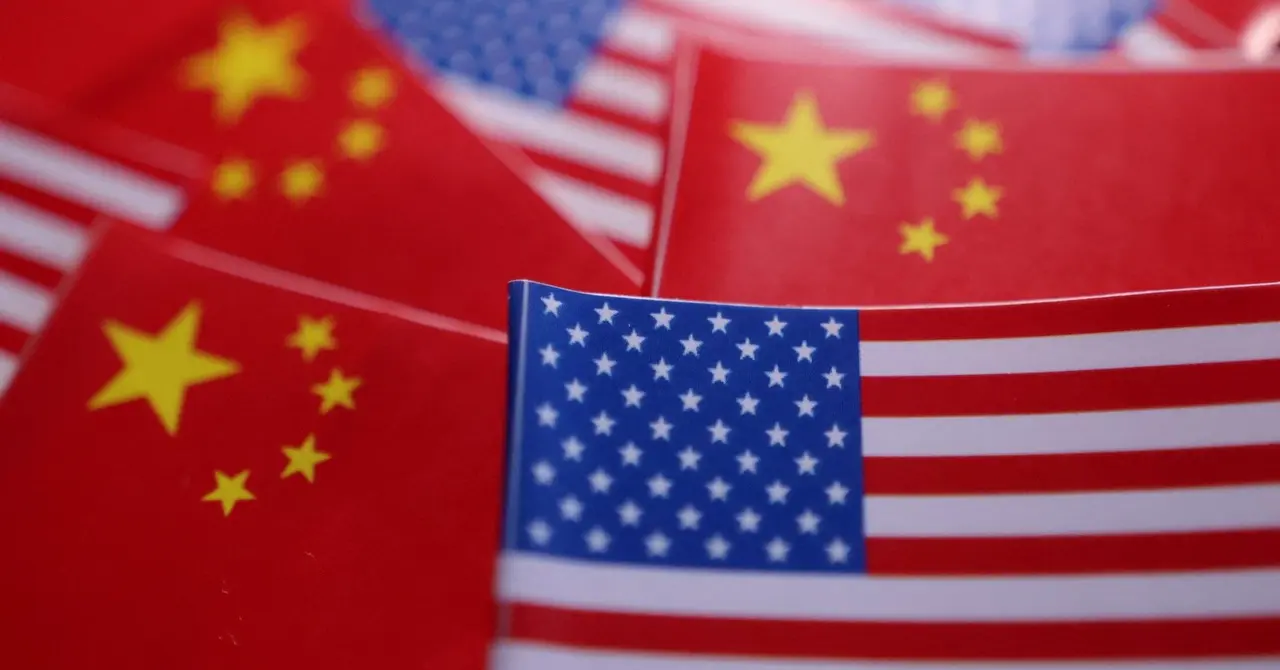
At a military AI summit in Spain, only 35 of 85 attending nations signed a declaration on governing AI use in warfare, with the US and China notably absent. The non-binding agreement outlines 20 principles including human oversight over AI-powered weapons, but global tensions and a strategic prisoner's dilemma kept major powers from committing.
Don’t drown in AI news. We cut through the noise - filtering, ranking and summarizing the most important AI news, breakthroughs and research daily. Follow topics that matter to you and stay ahead.