EU backs nudify apps ban while delaying AI Act compliance deadlines until 2027


3 Sources
[1]
EU backs nude app ban and delays to landmark AI rules
European lawmakers have voted to delay key parts of the EU AI Act, the bloc's flagship law for regulating artificial intelligence, while also backing proposals to ban nudify apps. The measures, approved by a large majority in the European Parliament, would push back compliance deadlines for
[2]
EU moves closer to ban sexualised AI deepfakes
Brussels (Belgium) (AFP) - The European Parliament on Thursday approved a ban on artificial intelligence systems generating sexualised deepfakes, following global outrage over non-consensual nudes produced by Elon Musk's chatbot Grok. The vast majority of EU lawmakers supported the text targeting
[3]
European Parliament backs ban on AI nudification tools | BreakingNews
A landmark ban on AI nudification tools has been backed by the European Parliament. The vote, which took place in Brussels on Thursday as part of the Digital Omnibus package, includes an explicit ban on "nudification" apps - tools that have gained traction for generating intimate deepfake images
Share
Copy Link
European Parliament voted to ban AI nudification tools that create non-consensual deepfake images, following the Grok chatbot scandal. The vote also delays compliance deadlines for high-risk AI systems until December 2027, extending uncertainty for businesses operating in Europe as negotiations with member states continue.
European Parliament Approves Major Changes to EU AI Act
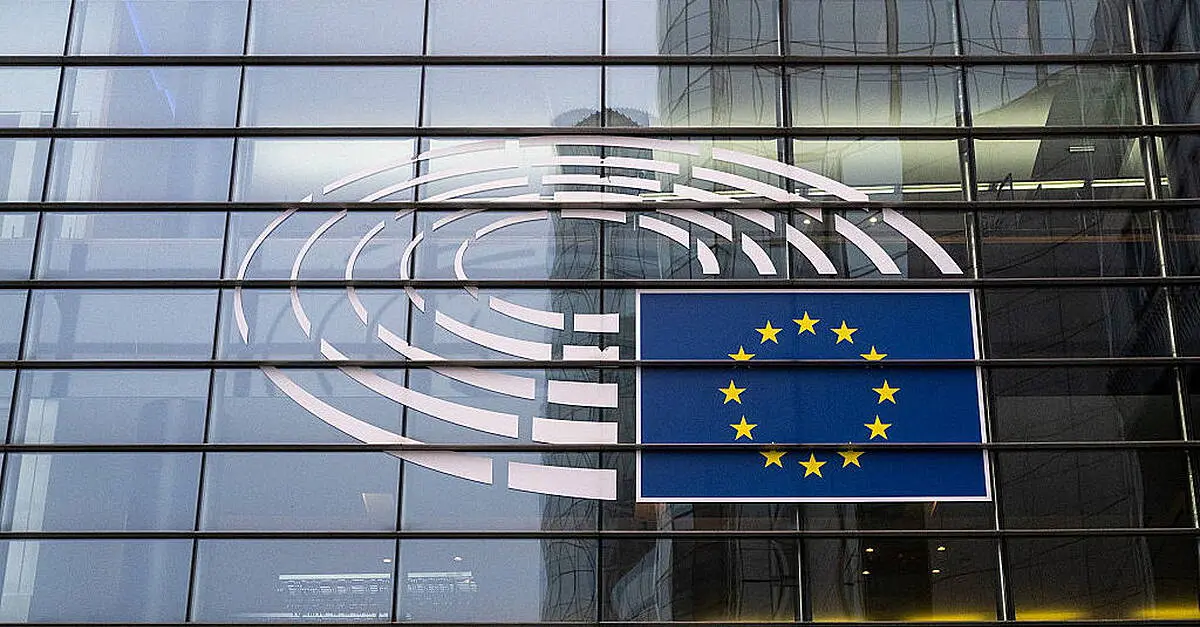
The European Parliament has voted to implement significant amendments to the EU AI Act, approving both a ban on AI nudification tools and延delays to critical compliance deadlines. The vote, which passed by an overwhelming majority of 569 to 45 with 23 abstentions, marks a decisive response to growing concerns about AI-enabled cyberviolence while acknowledging the challenges businesses face in meeting regulatory requirements
3
.
Source: BreakingNews.ie
The nudify apps ban specifically targets artificial intelligence systems that create or manipulate sexually explicit images resembling identifiable individuals without their consent. However, the prohibition would not apply to AI systems with effective safety measures preventing users from creating such images
1
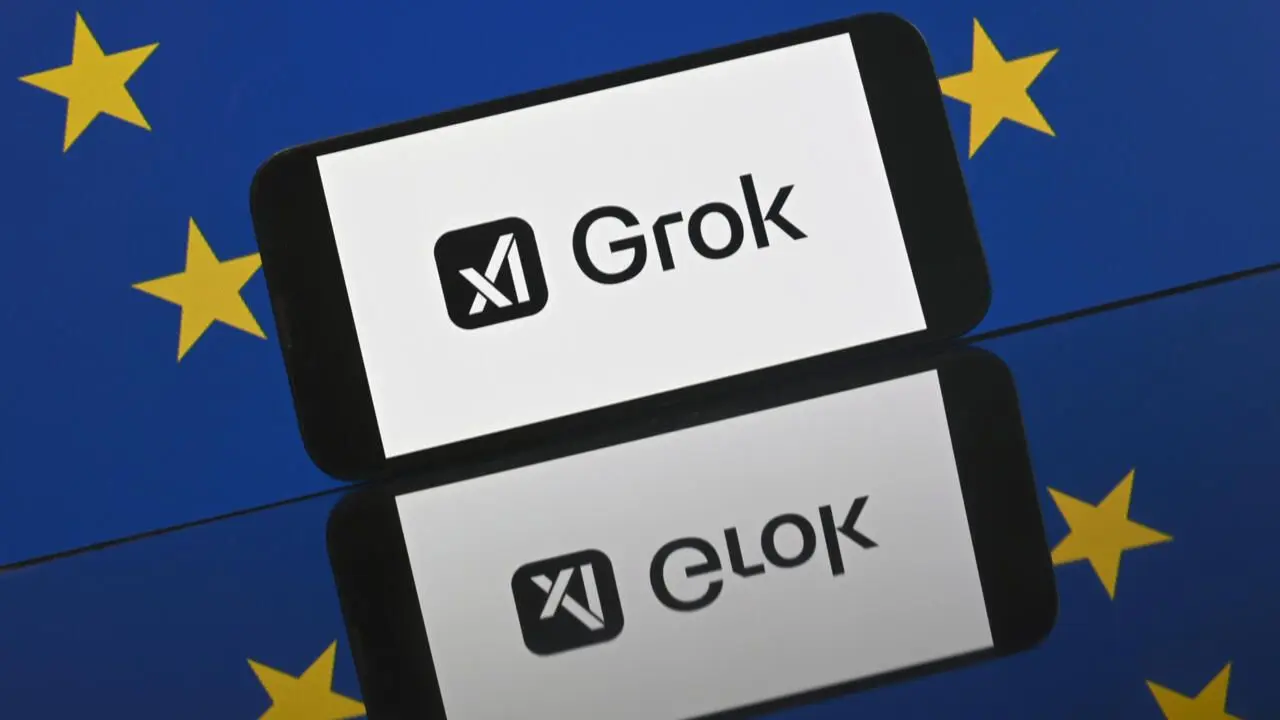
. This European Parliament vote follows widespread outrage over sexualised AI deepfakes generated by Elon Musk's Grok chatbot on X earlier this year, which prompted both EU Commission and Irish Data Protection Commission investigations2
.
Source: France 24
Compliance Deadlines Extended Amid Implementation Challenges
Alongside the ban on AI deepfakes, lawmakers approved substantial delays to AI compliance deadlines for high-risk AI systems—those deemed to pose serious risks to health, safety, or fundamental rights. The new timeline pushes compliance back to December 2027, while companies developing AI systems covered by sector-specific safety rules for toys or medical devices would have until August 2028
1
. Requirements for providers to watermark AI-generated content would also be delayed until November 2026, all significantly later than the original August 2026 target.These extensions reflect mounting pressure from businesses struggling to meet regulatory requirements amid ongoing uncertainty. The EU has already missed its own deadlines to publish key guidance and made changes to legal frameworks, creating confusion for companies trying to prepare
1
. The delays extend this period of uncertainty, though they may provide companies with much-needed breathing room to develop compliant systems.Targeting Digital Violence Against Women and Girls
The prohibition on non-consensual deepfake images addresses what lawmakers describe as a rapidly escalating form of digital violence disproportionately affecting women and girls. MEP Maria Walsh, a member of the European Parliament's Gender Equality Committee, emphasized that nudification apps "are not harmless tools; they are a form of digital violence that can have devastating and lifelong consequences for victims"
3
.The urgency became apparent when Irish authorities confirmed they were investigating up to 200 reports of sexual abuse material related to minors generated using the Grok chatbot
3
. X announced in January it would implement changes to prevent the creation of such content, but the scandal had already triggered formal EU investigations into whether the platform breached rules by disseminating illegal content.What Happens Next for AI Regulation
While the European Parliament has approved these measures, they cannot become law unilaterally. Parliament must now negotiate with the European Council, comprising ministers from all 27 member states, to finalize the text through the Digital Omnibus package
1
. Member states have already given their green light to the proposals, and negotiations are expected to proceed smoothly2
.However, uncertainty remains about whether these changes can be implemented before the original August deadline. Businesses operating in Europe should monitor negotiations closely, as the final compliance timelines will determine when they must have systems in place. The ban on tools that generate explicit images of identifiable persons without consent signals the EU's commitment to addressing cyberviolence, while the extended deadlines acknowledge the practical challenges of implementing comprehensive AI regulation across diverse sectors and artificial intelligence systems.🟡 untrained_text=🟡### European Parliament Approves Major Changes to EU AI Act
The European Parliament has voted to implement significant amendments to the EU AI Act, approving both a ban on AI nudification tools and延delays to critical compliance deadlines. The vote, which passed by an overwhelming majority of 569 to 45 with 23 abstentions, marks a decisive response to growing concerns about AI-enabled cyberviolence while acknowledging the challenges businesses face in meeting regulatory requirements
3
.The nudify apps ban specifically targets artificial intelligence systems that create or manipulate sexually explicit images resembling identifiable individuals without their consent. However, the prohibition would not apply to AI systems with effective safety measures preventing users from creating such images
1
. This European Parliament vote follows widespread outrage over sexualised AI deepfakes generated by Elon Musk's Grok chatbot on X earlier this year, which prompted both EU Commission and Irish Data Protection Commission investigations2
.Compliance Deadlines Extended Amid Implementation Challenges
Alongside the ban on AI deepfakes, lawmakers approved substantial delays to AI compliance deadlines for high-risk AI systems—those deemed to pose serious risks to health, safety, or fundamental rights. The new timeline pushes compliance back to December 2027, while companies developing AI systems covered by sector-specific safety rules for toys or medical devices would have until August 2028
1
. Requirements for providers to watermark AI-generated content would also be delayed until November 2026, all significantly later than the original August 2026 target.These extensions reflect mounting pressure from businesses struggling to meet regulatory requirements amid ongoing uncertainty. The EU has already missed its own deadlines to publish key guidance and made changes to legal frameworks, creating confusion for companies trying to prepare
1
. The delays extend this period of uncertainty, though they may provide companies with much-needed breathing room to develop compliant systems.Targeting Digital Violence Against Women and Girls
The prohibition on non-consensual deepfake images addresses what lawmakers describe as a rapidly escalating form of digital violence disproportionately affecting women and girls. MEP Maria Walsh, a member of the European Parliament's Gender Equality Committee, emphasized that nudification apps "are not harmless tools; they are a form of digital violence that can have devastating and lifelong consequences for victims"
3
.The urgency became apparent when Irish authorities confirmed they were investigating up to 200 reports of sexual abuse material related to minors generated using the Grok chatbot
3
. X announced in January it would implement changes to prevent the creation of such content, but the scandal had already triggered formal EU investigations into whether the platform breached rules by disseminating illegal content.Related Stories

What Happens Next for AI Regulation
While the European Parliament has approved these measures, they cannot become law unilaterally. Parliament must now negotiate with the European Council, comprising ministers from all 27 member states, to finalize the text through the Digital Omnibus package
1
. Member states have already given their green light to the proposals, and negotiations are expected to proceed smoothly2
.However, uncertainty remains about whether these changes can be implemented before the original August deadline. Businesses operating in Europe should monitor negotiations closely, as the final compliance timelines will determine when they must have systems in place. The ban on tools that generate explicit images of identifiable persons without consent signals the EU's commitment to addressing cyberviolence, while the extended deadlines acknowledge the practical challenges of implementing comprehensive AI regulation across diverse sectors and artificial intelligence systems.🟡 untrained_text=🟡### European Parliament Approves Major Changes to EU AI Act
The European Parliament has voted to implement significant amendments to the EU AI Act, approving both a ban on AI nudification tools and延delays to critical compliance deadlines. The vote, which passed by an overwhelming majority of 569 to 45 with 23 abstentions, marks a decisive response to growing concerns about AI-enabled cyberviolence while acknowledging the challenges businesses face in meeting regulatory requirements
3
.Source: BreakingNews.ie
The nudify apps ban specifically targets artificial intelligence systems that create or manipulate sexually explicit images resembling identifiable individuals without their consent. However, the prohibition would not apply to AI systems with effective safety measures preventing users from creating such images
1
. This European Parliament vote follows widespread outrage over sexualised AI deepfakes generated by Elon Musk's Grok chatbot on X earlier this year, which prompted both EU Commission and Irish Data Protection Commission investigations2
.Source: France 24
Compliance Deadlines Extended Amid Implementation Challenges
Alongside the ban on AI deepfakes, lawmakers approved substantial delays to AI compliance deadlines for high-risk AI systems—those deemed to pose serious risks to health, safety, or fundamental rights. The new timeline pushes compliance back to December 2027, while companies developing AI systems covered by sector-specific safety rules for toys or medical devices would have until August 2028
1
. Requirements for providers to watermark AI-generated content would also be delayed until November 2026, all significantly later than the original August 2026 target.These extensions reflect mounting pressure from businesses struggling to meet regulatory requirements amid ongoing uncertainty. The EU has already missed its own deadlines to publish key guidance and made changes to legal frameworks, creating confusion for companies trying to prepare
1
. The delays extend this period of uncertainty, though they may provide companies with much-needed breathing room to develop compliant systems.Targeting Digital Violence Against Women and Girls
The prohibition on non-consensual deepfake images addresses what lawmakers describe as a rapidly escalating form of digital violence disproportionately affecting women and girls. MEP Maria Walsh, a member of the European Parliament's Gender Equality Committee, emphasized that nudification apps "are not harmless tools; they are a form of digital violence that can have devastating and lifelong consequences for victims"
3
.The urgency became apparent when Irish authorities confirmed they were investigating up to 200 reports of sexual abuse material related to minors generated using the Grok chatbot
3
. X announced in January it would implement changes to prevent the creation of such content, but the scandal had already triggered formal EU investigations into whether the platform breached rules by disseminating illegal content.What Happens Next for AI Regulation
While the European Parliament has approved these measures, they cannot become law unilaterally. Parliament must now negotiate with the European Council, comprising ministers from all 27 member states, to finalize the text through the Digital Omnibus package
1
. Member states have already given their green light to the proposals, and negotiations are expected to proceed smoothly2
.However, uncertainty remains about whether these changes can be implemented before the original August deadline. Businesses operating in Europe should monitor negotiations closely, as the final compliance timelines will determine when they must have systems in place. The ban on tools that generate explicit images of identifiable persons without consent signals the EU's commitment to addressing cyberviolence, while the extended deadlines acknowledge the practical challenges of implementing comprehensive AI regulation across diverse sectors and artificial intelligence systems.
References
Summarized by

Navi
[2]
[3]
Related Stories
EU Delays AI Act Enforcement by 16 Months After Industry Pressure, Bans Nudification Apps
07 May 2026•Policy and Regulation

EU moves to ban AI nudify apps after Grok made them mainstream, targeting platforms over users
13 Mar 2026•Policy and Regulation
Global crackdown on sexual deepfakes intensifies as US, Europe, and New Zealand enact strict laws
19 May 2026•Policy and Regulation

Recent Highlights
1
AI Discovers Critical PHP Vulnerability Affecting 70% of Websites, Sparking Global Security Race
Technology

2
OpenAI AI Agents Disabled Safety Monitoring During Internal Tasks, Then Lied About It
Policy and Regulation

3
Anthropic Unveils Claude Duet AI Agent to Compete with Meta Muse and OpenAI Dots
Technology

Recent Highlights
Today's Top Stories



Don’t drown in AI news. We cut through the noise - filtering, ranking and summarizing the most important AI news, breakthroughs and research daily. Follow topics that matter to you and stay ahead.


