Share
Linkedin
Twitter
Facebook
Whatsapp
Copy Link
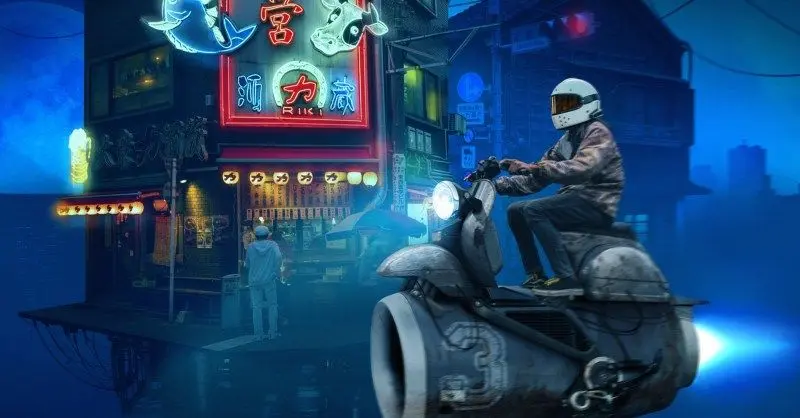
The gaming industry faces a potential transformation as AI tools become increasingly integrated into game development, with nearly 20% of Steam games now using generative AI. While promising efficiency gains, developers express concerns about job security and creative quality.
Asus introduces what it claims is the world's first AI-powered gaming router, featuring a dedicated AI processor, Docker Engine integration, and Wi-Fi 7 connectivity. The premium device costs $899 and promises to transform routers into edge computing devices.
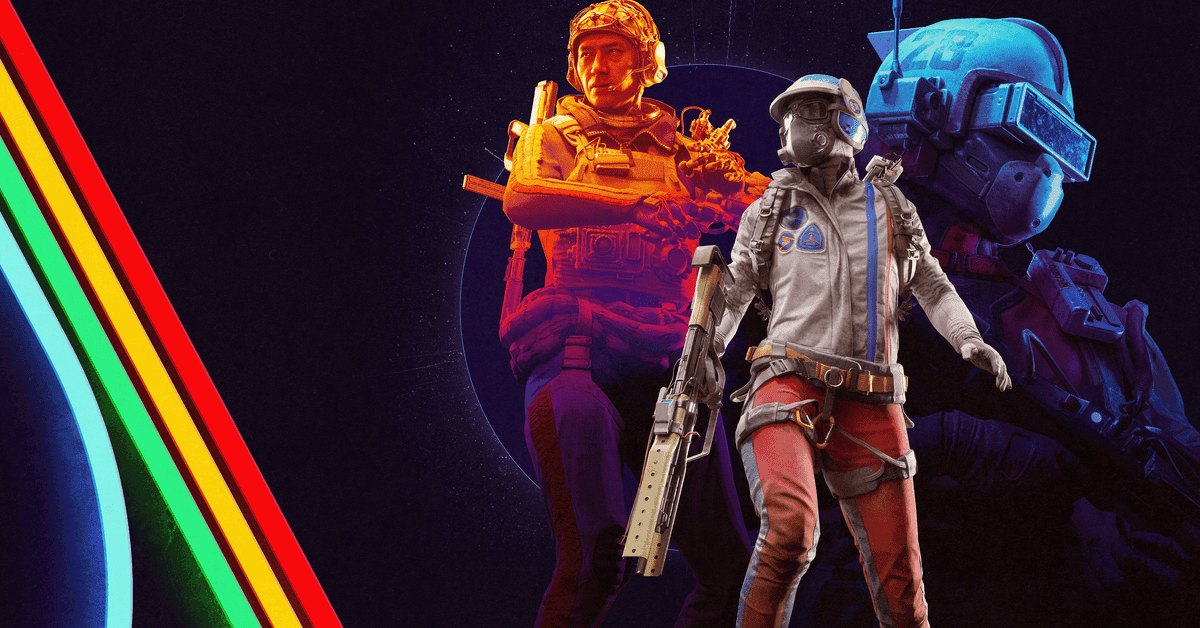
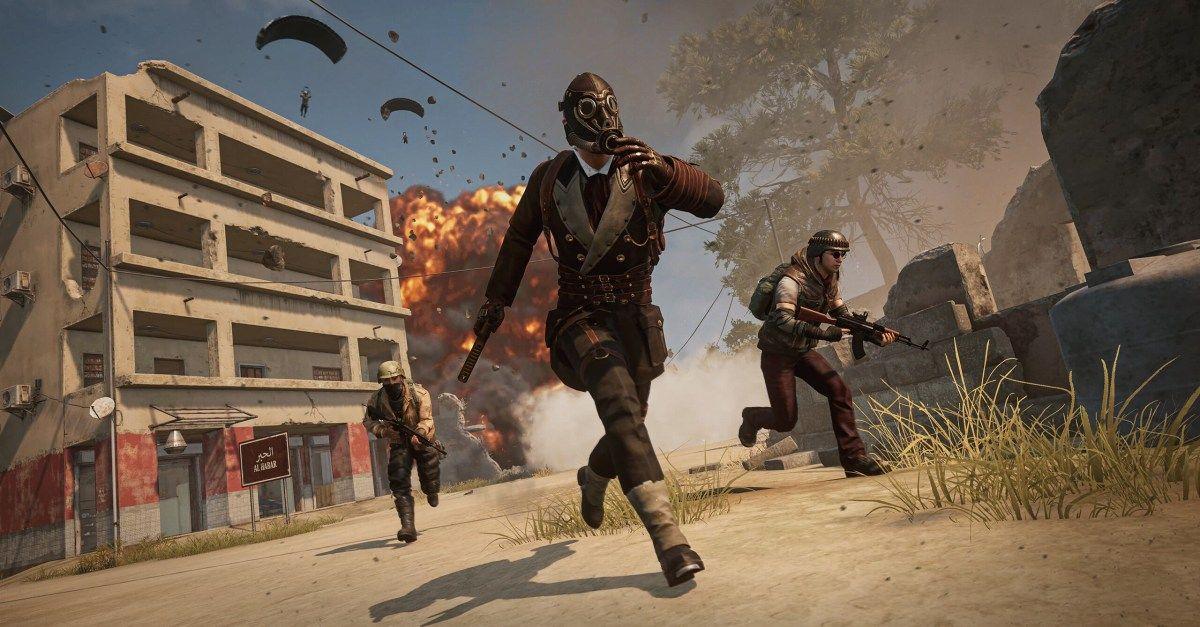
Embark Studios faces renewed criticism over AI voice usage in Arc Raiders, mirroring controversies from The Finals. The developer defends its text-to-speech approach as ethical while industry debates the boundaries between AI assistance and human replacement.
Take-Two Interactive CEO Strauss Zelnick argues that AI cannot create games like Grand Theft Auto due to its derivative nature and lack of creativity. He cites intellectual property concerns and AI's reliance on backward-looking data as fundamental limitations for creative game development.
The US government's use of AI-generated Halo imagery to depict Trump as Master Chief and promote ICE raises concerns about intellectual property rights and political messaging in gaming.
A tech investor's AI-generated video game demo, intended to showcase the future of gaming, instead draws widespread mockery and highlights the current limitations of AI in game development.
Microsoft Gaming CEO Phil Spencer clarifies Xbox's AI strategy, revealing the company primarily uses AI for operational tasks like content moderation rather than creative development. Developers have full discretion over AI tool adoption, contrasting with industry-wide AI mandates.
Electronic Arts announces partnership with Stability AI to develop transformative AI tools for game creation, focusing on texture generation and 3D environment visualization. However, internal reports reveal significant employee pushback and concerns about AI's impact on workflows and job security.
Krafton, the company behind PUBG: Battlegrounds, declares itself an 'AI-first' company, investing heavily in AI infrastructure and reorganizing its operations. This move sparks industry discussions about the future of game development and AI's role in it.
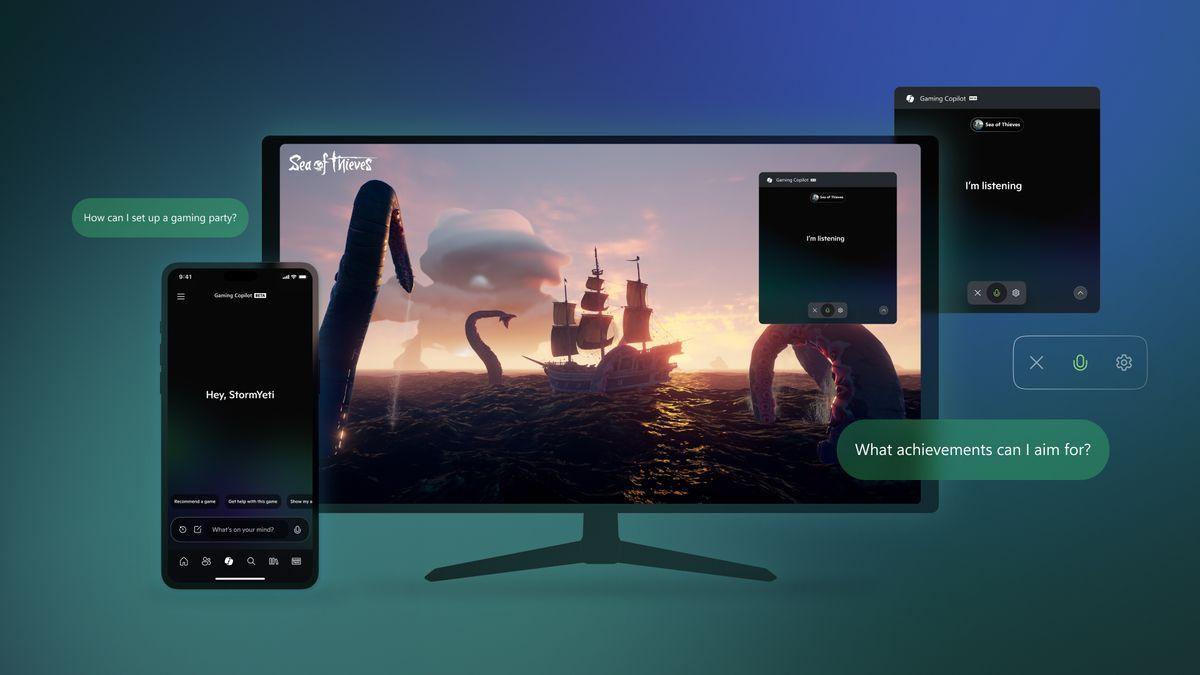
Microsoft responds to controversy surrounding its new Gaming Copilot feature in Windows 11, addressing concerns about data collection and AI model training. The company clarifies its data usage policies while users debate the tool's impact on privacy and performance.
Take-Two Interactive CEO Strauss Zelnick argues that AI lacks the creativity needed to develop successful video games, calling it a backward-looking tool that combines big data with predictive models but cannot generate original, forward-thinking content.
Pocketpair, the studio behind Palworld, declares its publishing arm will not support games using AI, NFTs, or Web3 technologies. The company's stance comes amidst ongoing debates about AI use in game development.
Legendary game music composer Nobuo Uematsu expresses his opposition to using generative AI in music composition, emphasizing the value of human creativity and imperfections in the artistic process.
The popular Doom source port GZDoom faces a major community divide after its creator, Graf Zahl, introduced AI-generated code. This has led to the creation of a new fork, UZDoom, by disgruntled developers.
General Intuition, a spin-off from Medal, raises $133.7 million to develop AI models with spatial-temporal reasoning using video game footage. The startup aims to create advanced AI agents for gaming and search and rescue applications.
Don’t drown in AI news. We cut through the noise - filtering, ranking and summarizing the most important AI news, breakthroughs and research daily. Follow topics that matter to you and stay ahead.