Subscribe to our newsletter
Get the latest updates delivered to your inbox every day, and stay up-to-date for free 🧠📈
Share
Linkedin
Twitter
Facebook
Whatsapp
Copy Link
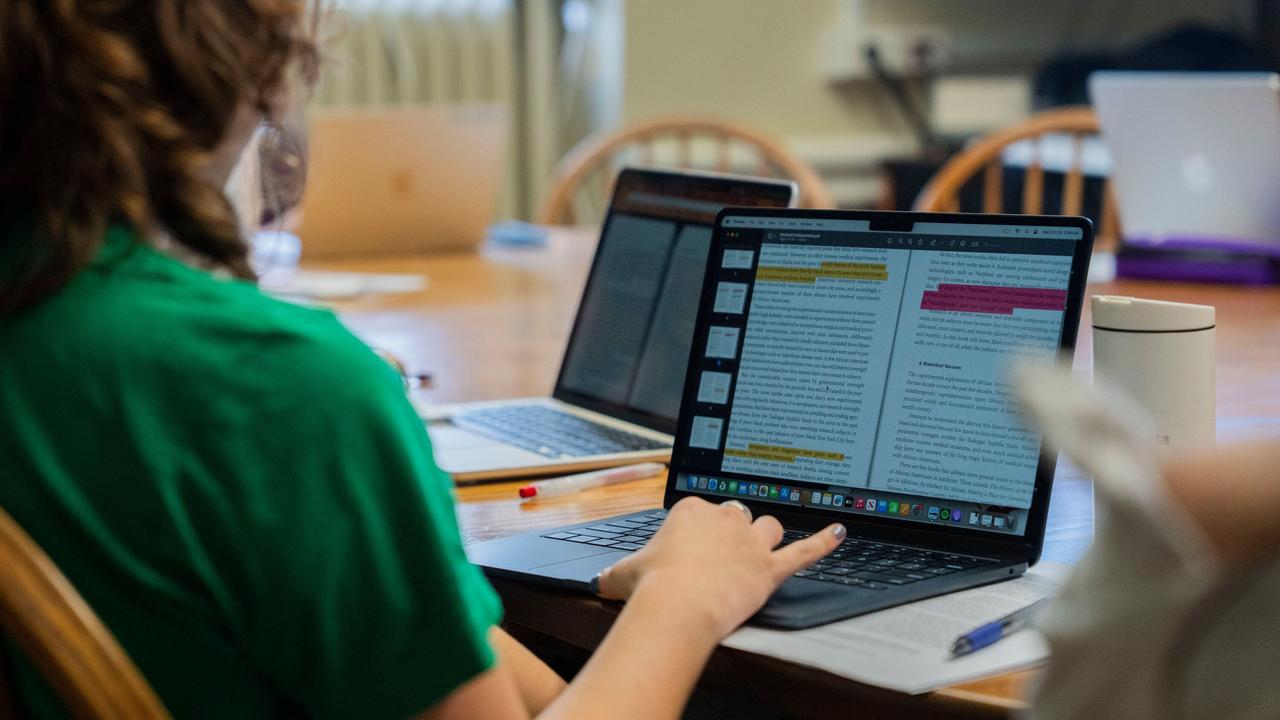
Recent research reveals that AI-generated lesson plans for civics education lack engagement, critical thinking, and multicultural perspectives. Despite widespread adoption by teachers, these AI tools may be reinforcing outdated teaching methods.
Wikipedia reports an 8% drop in human pageviews, attributing the decline to AI-generated search summaries and shifts in information-seeking behavior. The Wikimedia Foundation expresses concerns about the potential impact on content creation and funding.
Reddit's AI-powered chatbot 'Answers' has come under fire for suggesting heroin and kratom as pain relief options. The incident highlights the ongoing challenges and risks associated with AI-generated content in sensitive areas like healthcare.
A new phenomenon called 'workslop' is emerging as AI tools become more prevalent in the workplace, leading to unnecessary extra work and eroding trust among colleagues. Experts suggest ways for both employees and employers to mitigate these issues.
A new study finds that large language models tend to provide agreeable responses to illogical medical queries, potentially risking the spread of misinformation. Researchers suggest targeted training and user education as potential solutions.
Meta announces new parental control features for teens' interactions with AI chatbots on Instagram, set to roll out in early 2026. The move aims to address safety concerns and provide parents with more oversight over their children's AI engagements.
A 17-year-old New Jersey girl is suing the developer of ClothOff, an AI-powered 'clothes removal' tool, after a classmate allegedly used it to create fake nude images of her when she was 14. The case highlights growing concerns over AI-generated sexual imagery and calls for stricter regulations.
OpenAI's AI video generator Sora sparks controversy over unauthorized use of celebrity likenesses and historical figures, leading to new restrictions and agreements with actors' unions.
New York becomes the first state to outlaw algorithmic pricing by landlords, aiming to protect renters from AI-enabled price collusion. The law targets software that sets rental rates and terms, considering its use as a form of market collusion.
The Honolulu Police Department is exploring the use of AI to assist in writing police reports, aiming to increase efficiency. However, this move has sparked a debate about the technology's reliability and potential impact on the criminal justice system.
Uber launches a pilot program allowing US drivers to earn additional income by performing AI training tasks. This initiative positions Uber as a competitor in the AI data labeling market and raises questions about the future of gig work.
Major General William Taylor reveals use of ChatGPT for command decisions, highlighting the US military's growing adoption of AI technologies. The move raises both excitement and concerns about AI's role in military operations.
Spotify announces collaboration with major record labels to create responsible AI tools for music, emphasizing artist rights and fair compensation. The move aims to lead AI innovation in the music industry while respecting copyright and artist choices.
Pinterest responds to user backlash by implementing new settings to reduce AI-generated content in specific categories. The move aims to balance human creativity with AI innovation on the platform.
Actor Ryan Reynolds responds to the AI-generated actress controversy by featuring a real-life Tilly Norwood in a Mint Mobile advertisement, highlighting the debate surrounding AI in entertainment and advertising.
Don’t drown in AI news. We cut through the noise - filtering, ranking and summarizing the most important AI news, breakthroughs and research daily. Follow topics that matter to you and stay ahead.